
I remember a customer who called me in a panic. He had just installed a new bearing. It was making a loud noise. He wanted to return the whole batch.
Most bearing noise is not caused by bad quality. It comes from poor installation, contamination, misalignment, or incorrect lubrication. The good news is that you can solve almost every noise problem without replacing the bearing. You just need to know what to listen for and where to look.
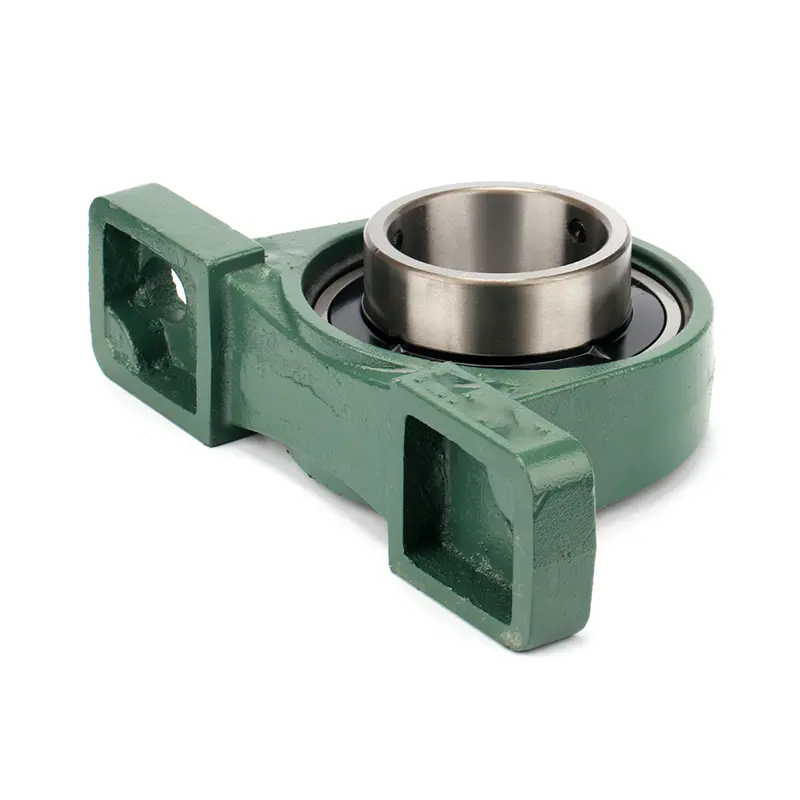
I run a bearing factory in China called FYTZ Bearing. I export to India, Brazil, Turkey, and many other countries. Every week, I talk to distributors and maintenance managers. They tell me about noise problems. Often, they blame the bearing quality first. But after we investigate, we find the real cause is something else. In this article, I will walk you through the different types of bearing noise, what causes them, and how to fix each problem. This knowledge will save you money and keep your customers happy.
Is All Bearing Noise a Sign of Bad Quality, or Are There Other Culprits?
Many people hear a noisy bearing and immediately think it is defective. They call the supplier and ask for a replacement. But the truth is, most bearing noise comes from external factors. I have seen bearings that were perfectly good, but they made terrible noises because of how they were handled or installed.
Noise does not always mean poor quality. The most common causes of bearing noise are contamination, misalignment, improper mounting, incorrect lubrication, and shaft damage. Quality issues like rough surfaces or poor steel are rare. They only appear if the bearing is from a very low-end factory with no quality control.
The quality question
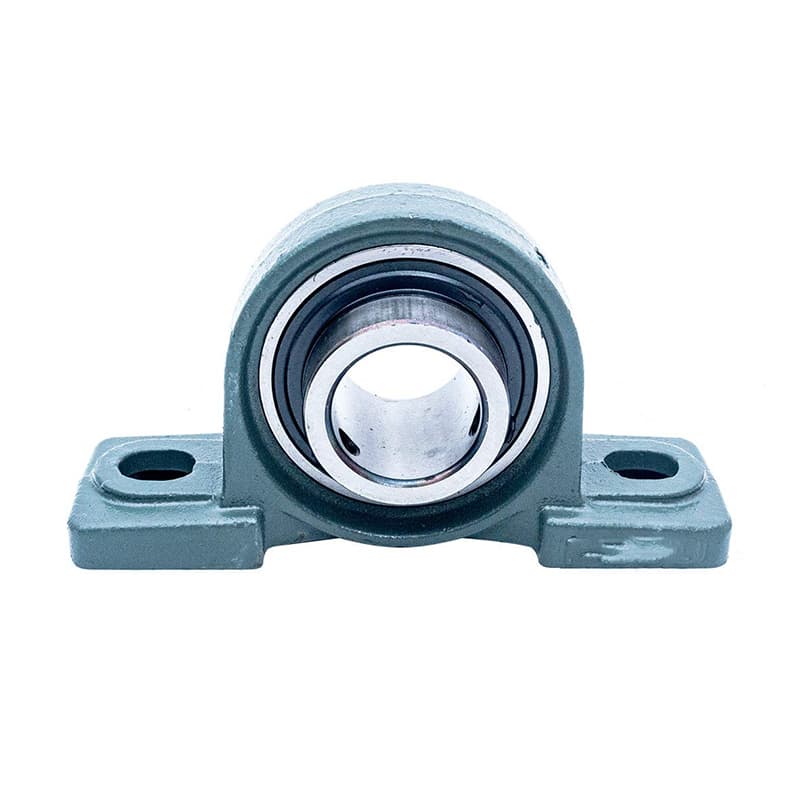
Let me be honest. I run a factory. I know what happens inside a bearing plant. Quality issues can happen. A steel batch might have inclusions. A grinding wheel might wear out and leave a rough finish. But these issues are caught by our inspection systems. We check each bearing for noise before it leaves the factory. We use vibration testers and sound meters.
If a bearing passes our quality checks, it is quiet at room temperature. So if a customer says a new bearing is noisy, it is usually not a factory defect. Something happened after the bearing left my hands.
The real culprits
I have been shipping bearings for years. I have seen thousands of noise complaints. After investigating, I found these to be the most common causes:
Contamination: This is the number one cause. Dust, dirt, and moisture get inside the bearing. They mix with the grease and create a grinding paste. The bearing starts making a rough, gritty noise.
Misalignment: The second most common cause. When the shaft is not aligned with the bearing, the balls run in a tilted path. This creates uneven loading. The noise is a rhythmic, pounding sound that matches the rotation speed.
Improper mounting: This is what happens when someone uses a hammer on the bearing. The force travels through the balls and creates dents on the raceways. The bearing then makes a loud, metallic noise.
Lubrication problems: Too little grease or the wrong type of grease. The bearing runs dry. The balls scrape against the raceways. This creates a high-pitched squealing sound.
A story from the field
I had a customer in Pakistan. He bought 200 units of UCP207. He installed them in a grain conveyor. The next day, he called me angry. He said all the bearings were defective. They were making a horrible noise.
I asked him to send photos of the installation. He did. The shaft was completely misaligned. The bearings were forced into place. The bolt holes did not line up properly. His workers had used a sledgehammer to shift the housing into position. The damage was not from my factory. It was from his installation process.
We worked together to fix the alignment. We replaced the damaged bearings. The remaining ones worked fine. He learned a valuable lesson. Do not blame the bearing first. Look at the installation first.
What Do Different Types of Bearing Noises Actually Tell You?
Not all noises are the same. Each sound tells a different story. If you learn to listen, you can diagnose the problem before the bearing fails completely. I have trained my maintenance customers to use their ears. It saves them time and money.
A squealing sound usually means lack of lubrication. A rough, gravelly noise indicates contamination or wear. A loud, rhythmic thumping points to misalignment or brinelling from installation damage. A whining or howling noise often suggests an improper fit on the shaft. Each sound has a specific cause and a specific fix.
Squealing or screaming
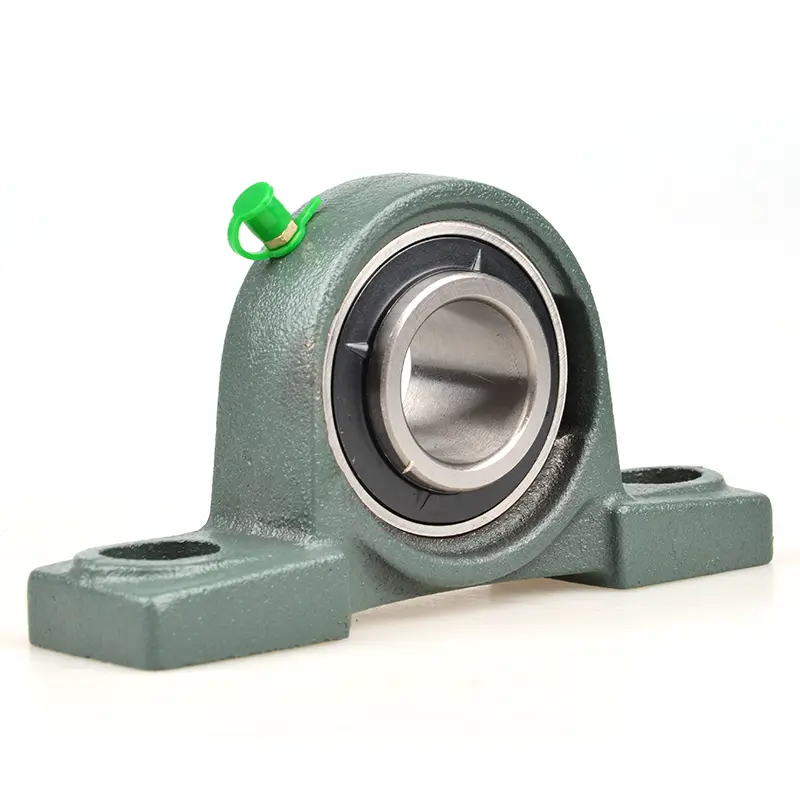
This is a high-pitched noise. It often happens at start-up. The bearing sounds like it is in pain. This is usually a lubrication problem. The grease is old, dried out, or just not there.
In a rice mill, this often happens when the bearing has not been greased for months. The grease has dried up from the heat. The balls are running on metal. The fix is simple. Add fresh grease through the grease nipple. Pump new grease in until it comes out of the relief valve. The noise should stop immediately.
If the squealing continues after greasing, the damage might already be done. The balls and raceways may have scored surfaces. In that case, replacement is needed.
Rough or gravelly noise
This is the most common complaint I hear. The bearing makes a grinding or crunching sound. It sounds like sand is inside. And that is exactly what it is. Contamination.
Grain dust, rice husks, sand, or metal particles get past the seals. They mix with the grease. The balls roll over these particles and crush them. This creates the gritty sound. Over time, the particles score the raceways. The bearing wears out faster.
The solution is to check the seals. Are they damaged? If so, replace the seal. Then clean out the old grease and replace it with fresh grease. But if the bearing has been running with contamination for a long time, you will need to replace the whole unit.
Rhythmic thumping or pounding
This is a noise that repeats at regular intervals. It is synchronized with the rotation speed. This often means misalignment or a damaged raceway.
Let me explain. When the shaft is misaligned, the balls do not roll evenly. They hit the edges of the raceways. This creates a pounding sound. Each ball hits the edge as it passes through the load zone. That creates a rhythmic thump.
Another possibility is brinelling. This is damage from installation impact. If someone hammers the bearing, the balls make dents in the raceways. When the bearing rotates, the balls roll over those dents. Each dent produces a thump.
The fix for misalignment is to realign the shaft and housing. The fix for brinelling is replacement. Once the raceway is dented, the bearing will always make noise.
Whining or howling
This is a lower-pitched, musical noise. It sounds like a siren or a howl. This is usually a fit problem. The shaft is too loose or too tight.
If the shaft is too tight, the inner ring expands. The internal clearance decreases. The balls get pinched. This creates a whining sound. If the shaft is too loose, the inner ring spins on the shaft. This creates friction and heat. The noise is a low howl.
The fix is to check the shaft diameter. The housing fit, and the recommended tolerances. If the fit is wrong, you need to adjust the shaft. For a tight fit, you need to reduce the shaft diameter. For a loose fit, you can use a bearing locking compound or replace the shaft.
A quick reference guide
| Noise Type | Sound Description | Most Likely Cause | First Action |
|---|---|---|---|
| Squealing | High-pitched, screaming | Lack of lubrication | Add grease |
| Gravelly | Grinding, crunching | Contamination | Clean and re-grease, check seals |
| Thumping | Rhythmic, pounding | Misalignment or installation damage | Realign or replace |
| Whining | Howling, musical | Incorrect shaft fit | Check and correct shaft fit |
How Does Contamination from Dust or Moisture Create Unusual Sounds?
I have seen bearings that looked perfect from the outside. But when I opened them, the grease was black. The balls were scratched. The cause was contamination. This is the silent killer of pillow block bearings. It happens slowly, and it creates very specific noises.
Dust acts like sandpaper inside the bearing. It creates a rough, grating sound. Moisture causes rust, which creates a fine powder. This powder mixes with the grease and creates a high-pitched squeak. Both types of contamination lead to accelerated wear and eventual failure. The noise is the first warning sign.
How dust gets in
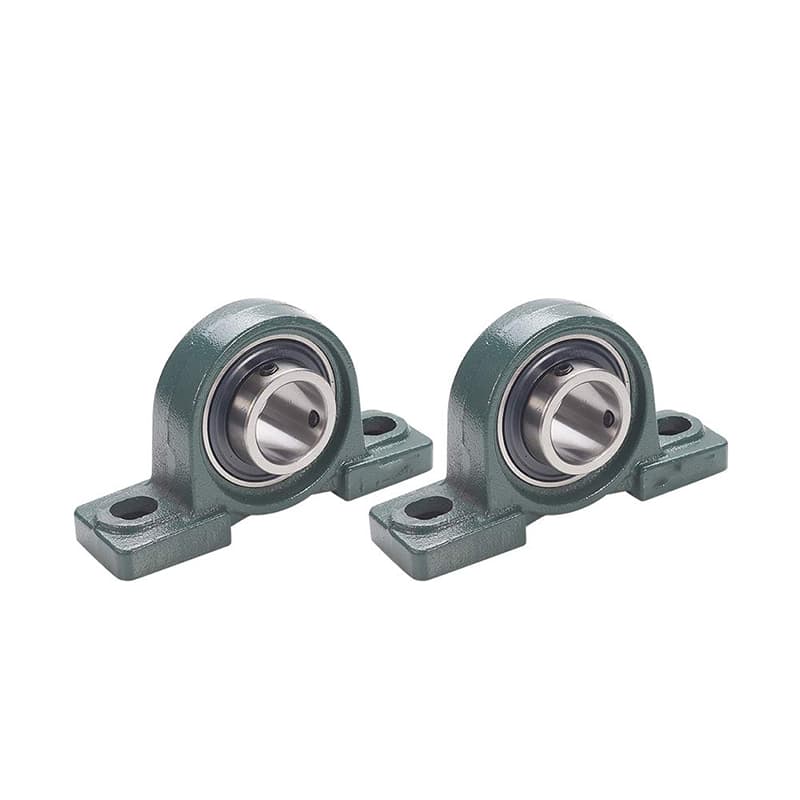
The seals are the bearing’s defense. But seals are not perfect. They are made of rubber. They can wear down. They can harden from heat. They can crack from age. When that happens, dust finds its way inside.
In a rice mill, the dust is everywhere. It is fine and powdery. It floats in the air. It settles on the bearing housing. Over time, it works its way past the seal. Once inside, it mixes with the grease.
The noise from dust contamination is a gritty, grinding sound. It is not very loud at first. But as the dust accumulates, the noise gets worse. The bearing also starts to feel rough when you turn it by hand.
How moisture gets in
Moisture is another enemy. It comes from humidity, rain, or washing. In a dryer application, moisture can come from condensation. The bearing heats up during operation. Then it cools down at night. Water condenses on the metal surfaces.
Moisture creates rust. The rust is a fine powder that is as abrasive as dust. But the noise from moisture is different. It is often a squeaking or squealing sound. The moisture also breaks down the grease, which makes the noise worse.
I had a customer in Indonesia. He used our bearings in a grain storage facility. The facility was near the coast. The humidity was very high. The bearings started making noise after just two months. We investigated and found rust inside. The seals could not keep out the salty air. We switched to bearings with better seals and corrosion-resistant coating. The noise disappeared.
The long-term damage
Contamination does not just make noise. It shortens the bearing life. The abrasive particles wear down the balls and the raceways. The surface finish gets worse. The bearing loses its precision. Vibration increases. Eventually, the bearing fails completely.
The noise is actually your early warning system. If you catch it early, you can clean the bearing and replace the grease. But if you ignore the noise, the damage becomes permanent. Once the raceways are scored, the bearing will never be quiet again.
Preventing contamination
The best way to avoid contamination noise is to prevent contamination in the first place. Here is what I recommend:
- Use bearings with good seals. Triple-lip seals are best for dusty environments.
- Keep the area around the bearing clean. Do not let dust pile up on the housing.
- Use a grease that is water-resistant in humid environments.
- Inspect the seals regularly. Replace them if they are cracked or worn.
- Do not use high-pressure water jets to clean machinery near bearings.
A simple contamination checklist
| Sign | What It Means | What To Do |
|---|---|---|
| Rough, gritty sound | Dust contamination | Clean and re-grease, check seals |
| Squeaking sound | Moisture or rust contamination | Inspect for rust, use water-resistant grease |
| Grease looks black or dark | Contamination present | Purge old grease, replace with fresh |
| Seal is cracked or hardened | Seal failure | Replace seal or housing unit |
Why Is Misalignment One of the Biggest Noise Generators in Shaft Systems?
If I had to pick one cause of bearing noise that I see most often, it would be misalignment. Almost every factory has some misalignment in their equipment. But not everyone realizes how much damage it causes.
Misalignment creates noise because the bearing is forced to operate at an angle it was not designed for. The balls do not roll in a straight path. They slide and skid. This creates friction, heat, and a rhythmic pounding noise. Over time, the misalignment causes the bearing cage to deform, and the balls to wear unevenly, leading to premature failure.
Angular misalignment versus parallel misalignment
There are two types of misalignment. Both cause noise.
Angular misalignment happens when the shaft is not parallel to the bearing. The shaft enters the bearing at an angle. The balls on one side of the bearing take more load. They get pushed into the edges of the raceways. This creates a pounding noise.
Parallel misalignment happens when the shaft is parallel but offset. The centerlines are not in line. The bearing tries to correct the offset. This creates uneven loading and a whining noise.
Most misalignment is angular. It comes from poor installation. The shaft is not level. The housing is not properly shimmed. The base plate is warped.
The self-aligning myth
Some people think self-aligning pillow block bearings can handle any misalignment. That is not true. Self-aligning bearings have a spherical outer surface. This allows a few degrees of misalignment. Usually about 2 to 3 degrees. That is not much.
If your misalignment is 5 degrees, a self-aligning bearing will not save you. It will still make noise and wear out faster. The only way to fix this is to correct the alignment.
I remember a customer in South Africa. He had a conveyor with a long shaft. The shaft was sagging in the middle. The bearings at the ends were misaligned by 4 degrees. He used self-aligning bearings, but they still failed every 3 months. We told him to fix the shaft sag. He added a support bearing in the middle. The alignment improved. The bearings lasted 18 months.
How to detect misalignment
You can detect misalignment with simple tools. A straight edge and feeler gauges are enough for basic checks. Place the straight edge across the two shaft ends. Check the gap. If there is a gap, you have misalignment.
You can also use a dial indicator. Mount it on the housing. Rotate the shaft. Check the reading. If the reading changes, the shaft is not straight.
A laser alignment tool is the best option. It gives you exact numbers. But it is expensive. For a medium-sized distributor like Rajesh, I recommend investing in one. It will save you many warranty claims.
Fixing misalignment
The fix is simple. Loosen the housing bolts. Move the bearing until the shaft is straight. Then tighten the bolts again. Check the alignment again to make sure it did not move.
Use shims under the housing feet if you need to adjust the height. Use a pry bar to move the housing sideways if needed. But always re-check after tightening.
Sometimes the problem is not the bearing position. It is the base plate. The base plate might be warped or uneven. In that case, you need to machine the base plate flat.
The cost of ignoring misalignment
Misalignment does not just cause noise. It causes bigger problems. The bearing cage can deform. The balls can wear unevenly. The housing can crack. The shaft can wear down. All of this leads to unplanned downtime and lost production.
A noisy bearing from misalignment is a warning. If you fix the alignment early, you save the bearing. If you wait, the bearing fails. Then you have to replace the bearing and fix the alignment anyway. It is cheaper to fix the alignment first.
A simple alignment checklist
| Check | What To Look For | Action |
|---|---|---|
| Shaft level | Use a spirit level | Adjust housing height with shims |
| Shaft straightness | Use a straight edge | Adjust housing position |
| Bolt torque | Check housing bolts | Tighten evenly in criss-cross pattern |
| Running sound | Listen for rhythmic thumping | Realign shaft |
Conclusion
Bearing noise is a warning, not a failure. Listen to it, identify the cause, and fix it quickly. Most noise problems are solvable without replacing the bearing.