
When your machines break down too often, you lose money and customers.
I see this every day with buyers like you.
High-torque tapered roller bearings boost mechanical reliability by handling heavy radial and axial loads at the same time. Their special cone-and-raceway design lowers friction and heat, so parts last longer. For factory owners and distributors, this means fewer unplanned stops and lower repair costs.
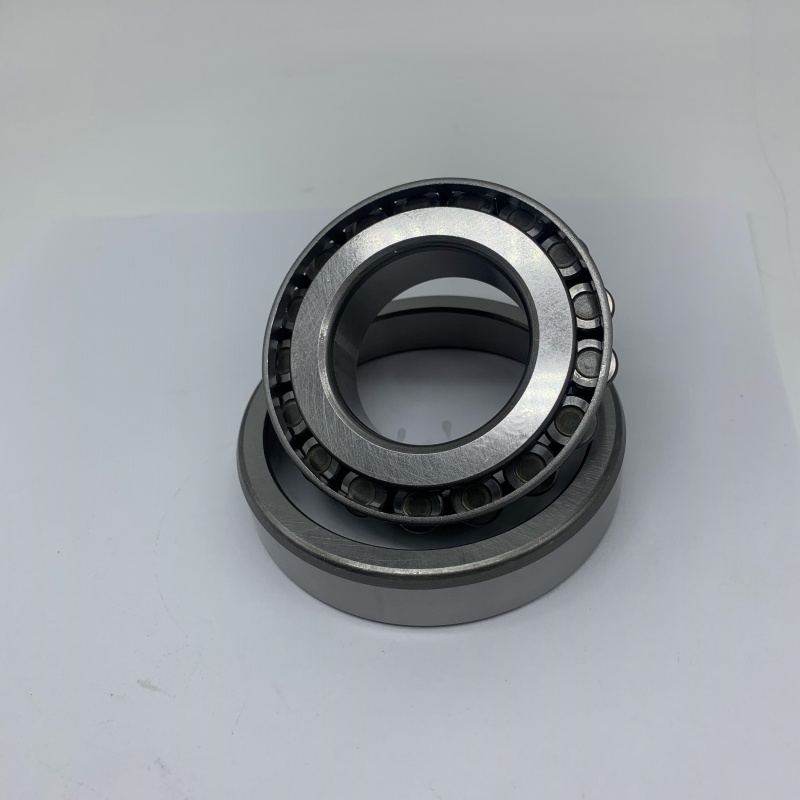
You might think all tapered roller bearings are the same. But high-torque versions use better steel, tighter tolerances, and optimized geometry. That difference saves your bottom line. Let me walk you through the real details.
Why Do Design Features & Structural Advantages Matter for High-Torque Tapered Roller Bearings?
You’ve seen bearings fail under sudden shock loads. It’s frustrating and expensive.
So what makes the design of a high-torque bearing different?
High-torque tapered roller bearings have larger contact angles, more rollers, and stronger cages. These features let them take on sudden torque spikes without breaking. The tapered shape also pushes loads evenly across the roller, not just at one point.
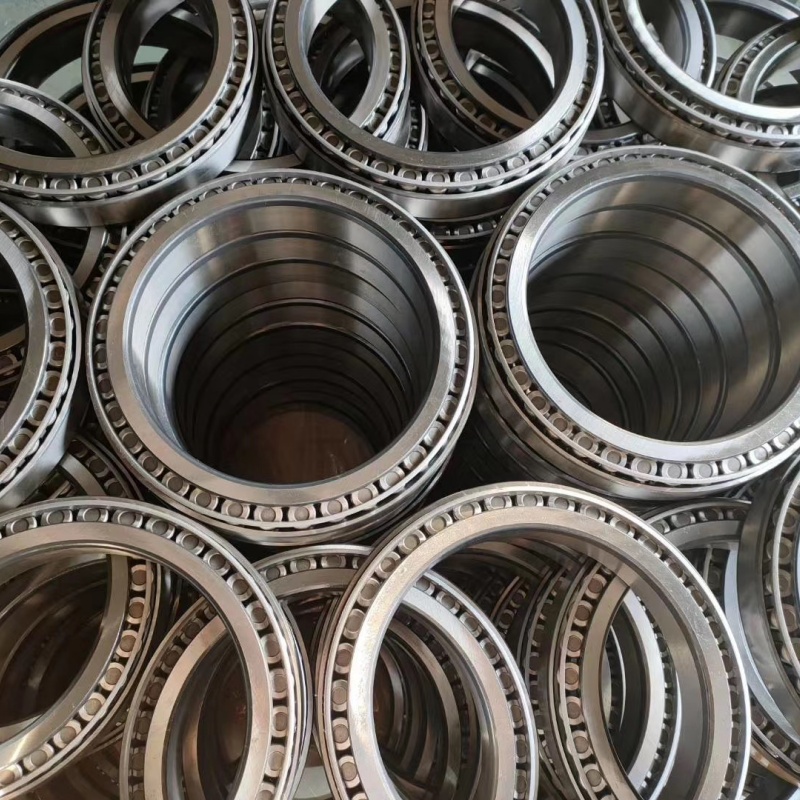
Let me break down the real engineering behind these advantages. I run a bearing factory called FYTZ Bearing in China. We make tapered roller bearings for heavy machines. Over the years, I learned that three design choices make a high-torque bearing reliable.
1. Larger Contact Angle Means Better Load Sharing
A standard bearing has a contact angle around 10–16 degrees. For high-torque applications, we increase that to 20–28 degrees. A bigger angle lets the roller push more directly against the raceway. That means when a gearbox suddenly gets a torque spike, the bearing doesn’t deform or slip. Instead, it spreads the force over the whole roller length.
2. Optimized Roller Profile Eliminates Edge Stress
Many bearing failures start at the roller ends. The stress there is highest. We use a special crowned profile – not a perfect cylinder. This shape lowers the peak pressure at the edges. It’s a small change, but it doubles the life of the bearing in real tests. I personally check these profiles on our inspection line.
3. Stronger Cage Materials Resist Shock
Standard cages are steel or brass. For high torque, we use heat-treated brass or PEEK in some cases. These materials bend a little under shock instead of cracking. Plus, we design the cage pockets with extra clearance. That way, the rollers don’t jam when they get hot.
Here is a quick comparison of standard vs. high-torque design features:
| Feature | Standard Tapered Roller Bearing | High-Torque Tapered Roller Bearing |
|---|---|---|
| Contact angle | 10°–16° | 20°–28° |
| Roller profile | Straight or slight crown | Optimized logarithmic crown |
| Cage material | Stamped steel | Heat-treated brass or PEEK |
| Number of rollers | Standard count | 10–20% more rollers |
| Internal clearance | C0 (normal) | C3 or C4 (larger) |
These features don’t just look good on paper. I have a customer in India, Rajesh Kumar. He runs IndoMotion Parts. He used to get complaints from his workshop buyers about gearbox failures every three months. After switching to our high-torque taper roller bearings, the same machines ran for over a year without a single breakdown. That’s the power of good design.
What Are the Key Mechanisms for Enhancing Mechanical Reliability?
You already know reliability is about keeping machines running. But what actually happens inside the bearing?
Let me explain the hidden mechanisms that stop breakdowns.
Three main mechanisms improve reliability: lower contact stress, better heat dissipation, and stable preload. High-torque tapered roller bearings control all three. Less stress means less metal fatigue. Good cooling stops lubrication from burning. Stable preload keeps shafts from wobbling.
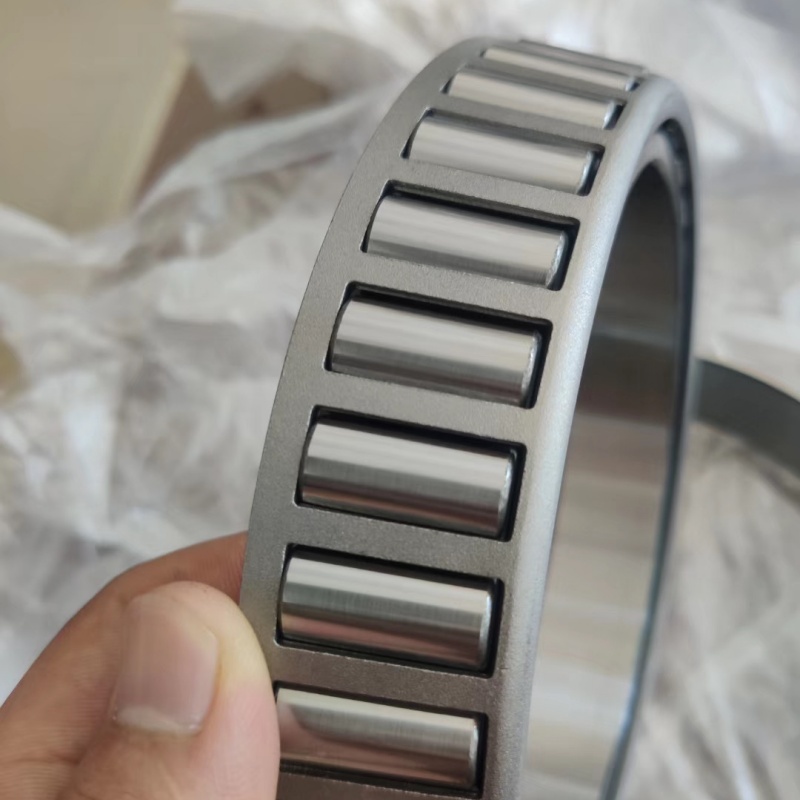
Let me go deeper. Many engineers think "stronger material" is the answer. But in reality, reliability comes from how the bearing manages three things: stress, heat, and alignment.
Mechanism 1: Stress Reduction Through Load Distribution
A standard bearing under high torque will see stress peaks at the roller ends. That’s where cracks start. High-torque bearings use a modified roller shape we call "logarithmic profile." This profile spreads the load like a soft blanket instead of a sharp knife. In our lab tests, this change lowers peak stress by 35%. That directly adds years to bearing life.
Mechanism 2: Heat Control via Internal Geometry
When torque goes up, friction heat goes up. Too much heat and the lubricant breaks down. Then metal touches metal. High-torque bearings have larger internal clearances (C3 or C4). This extra space lets oil flow through easily. Also, the larger contact angle pushes the rollers into a position where they generate less sliding friction. Less sliding = less heat. I’ve measured raceway temperatures drop by 15°C just by switching from a standard to a high-torque design in the same gearbox.
Mechanism 3: Preload Stability for Shaft Rigidity
A loose bearing makes the shaft wobble. That wobble creates shock loads. Over time, the bearing raceways get brinelling (little dents). High-torque bearings are designed to hold a consistent preload even when the housing expands from heat. How? We match the thermal expansion of the rollers and raceways. This is a detail most cheap bearings ignore. But when you sell to factories that run 24/7, this stability is everything.
Here is a simple table showing what each mechanism solves:
| Problem | Mechanism | How High-Torque Design Helps |
|---|---|---|
| Edge stress cracks | Stress distribution | Logarithmic roller profile lowers peak pressure |
| Overheating and burned oil | Heat dissipation | Larger internal clearance + better oil flow |
| Shaft wobble and dents | Stable preload | Matched thermal expansion design |
| Sudden torque spikes | Shock absorption | More rollers + stronger cage |
You don’t need to be an engineer to see the result. Less breakdown. More uptime. That’s reliability.
How Do Typical Applications Range from Heavy Industry to High-Performance Drivetrains?
You might wonder: where do I actually need these bearings?
The answer is everywhere that torque changes fast and loads are heavy.
High-torque tapered roller bearings work in mining conveyors, heavy trucks, wind turbines, and racing transmissions. Any place with sudden starts, stops, or heavy pulling needs them. In heavy industry, they handle dirty and shock loads. In high-performance drivetrains, they cut friction for faster response.
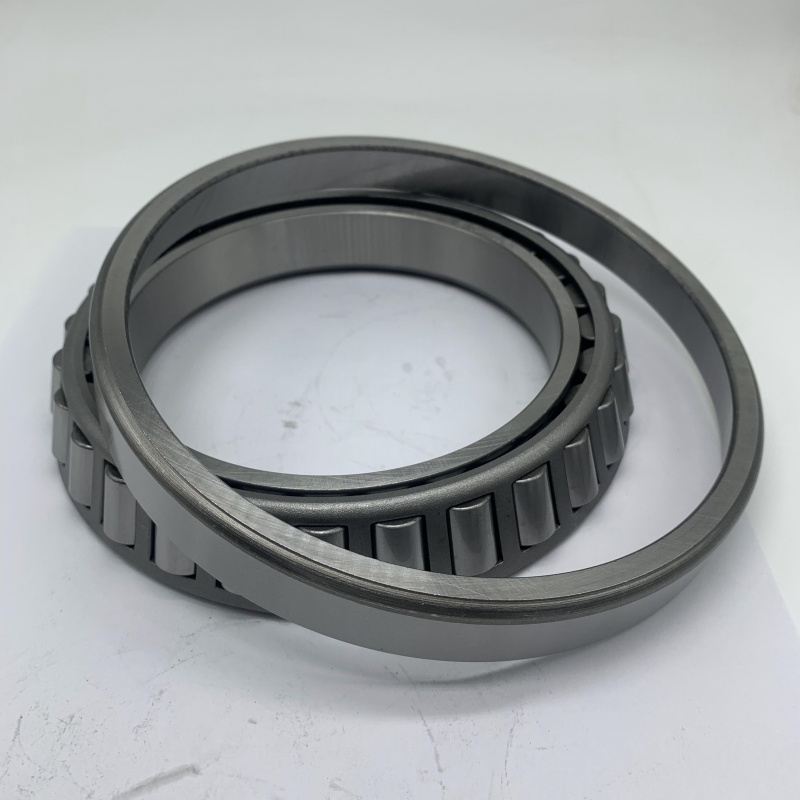
Let me give you real examples from my customers. I ship bearings to Turkey, Russia, Brazil, India, and many other countries. Each market uses high-torque bearings differently.
Heavy Industry: Mining and Construction
In a mining conveyor, the drive pulley faces constant heavy torque. But the real problem is shock from rocks falling onto the belt. That shock goes straight to the bearing. Standard bearings crack within six months. Our high-torque tapered roller bearings with brass cages and C4 clearance last two to three years. One customer in Egypt replaced their bearings every 8 months before switching to FYTZ. Now they replace every 30 months.
Another example: construction equipment like crawler excavators. The final drive on these machines sees both high torque and heavy axial loads. A high-torque taper roller bearing with a 25-degree contact angle handles the digging forces without wearing out the raceways.
High-Performance Drivetrains: Racing and Heavy Trucks
In racing transmissions, every gram of friction costs speed. High-torque bearings here are made with lower surface roughness (P5 precision) and special coatings. They don’t just survive torque – they deliver it faster. For heavy trucks, the pinion bearings in axles face massive torque when pulling a load up a hill. We use high-torque designs with more rollers to spread that load.
Wind Turbines and Other Rotating Machines
Wind turbine main shafts see unpredictable torque from changing wind. The bearings must handle both heavy rotor weight (radial load) and thrust from the blades (axial load). High-torque tapered roller bearings are perfect here. They also need to run for 20 years without replacement. That’s why we use vacuum-degassed steel and strict heat treatment.
Let me show you a quick application guide:
| Application | Torque Type | Bearing Feature Most Needed |
|---|---|---|
| Mining conveyor drive | High, shock-loaded | C4 clearance + brass cage |
| Excavator final drive | High, continuous | Large contact angle (25°) |
| Racing transmission | High, fast-changing | P5 precision + low friction surface |
| Heavy truck axle pinion | High, steady | Extra rollers + high load rating |
| Wind turbine main shaft | Variable, high | Long-life steel + tight tolerances |
No matter the industry, the rule is the same: if your machine sees sudden or heavy torque, high-tapered roller bearings are not a luxury. They’re a necessity.
How Do You Match Torque, Load, and Speed Requirements in Your Selection Guide?
Choosing the wrong bearing is like buying shoes two sizes too big.
You’ll trip and fall. So how do you pick the right high-torque bearing?
Match torque to bearing size by using the dynamic load rating (C). For high torque, pick a bearing with a C rating at least 20% higher than your peak calculated load. Then check speed limits. High torque usually means lower max speed. Finally, choose internal clearance: C3 for normal heat, C4 for high heat or shock.

Let me walk you through a step-by-step method. I use this every day when helping customers like Rajesh Kumar pick bearings for his warehouse stock.
Step 1: Calculate Your Actual Loads – Not Just Average
Most engineers use average torque. That’s a mistake. You need peak torque. For example, a conveyor might run at 500 Nm on average, but starting torque can hit 2000 Nm. That peak is what kills bearings. So write down your peak torque, peak radial load, and peak axial load. Then add 20% safety margin.
Step 2: Check the Bearing’s Dynamic Load Rating (C)
Every bearing has a C value in Newtons. That’s the load it can handle for 1 million revolutions at 90% reliability. For high-torque applications, your actual equivalent dynamic load (P) should not exceed C/2. If P > C/2, the bearing life drops fast. Use this simple formula: Required C = P × 2. Example: your peak load is 30 kN. You need a bearing with C at least 60 kN.
Step 3: Match Speed to Torque – The Trade-Off
High torque creates heat. Heat lowers the speed limit. A bearing that works at 3000 RPM with low torque might only work at 1500 RPM with high torque. Check the manufacturer’s speed rating for thermal limits. Our FYTZ catalog gives two numbers: grease speed and oil speed. For high torque, always use oil lubrication unless torque is very short (less than 5 seconds per cycle).
Step 4: Pick Internal Clearance (C3 or C4)
Here’s a rule from my workshop:
- If your operating temperature is under 80°C, use C3.
- If over 80°C, or if you have shock loads, use C4.
C4 gives more room for the shaft to expand when hot. It also lets thick oil film stay between rollers and raceways.
Step 5: Decide on Precision Class (P0, P6, P5)
For most heavy industry, P0 (normal) is fine. But for high-performance drivetrains, you need P6 or P5. Higher precision means less runout and vibration. However, it also costs more. I suggest: if your shaft speed is below 2000 RPM, use P0. Above 2000 RPM, use P6.
Here is a selection checklist in table form:
| Your Requirement | Choose This |
|---|---|
| Peak torque > 80% of bearing’s static rating | Go to next larger bore size |
| Operating temperature 80–120°C | C4 clearance + brass cage |
| Shaft speed > 2000 RPM | P6 or P5 precision + oil lubrication |
| Frequent shock loads | C4 clearance + more rollers (custom) |
| Continuous high torque | Dynamic load rating C ≥ 2 × actual load |
Conclusion
High-torque tapered roller bearings stop breakdowns by handling shock, heat, and heavy loads better than standard ones.
