
You store a brand new bearing for six months. Then you install it. Three weeks later, it sounds like a grinding machine. What happened?
False brinelling happens when small vibrations wear away grease and create dents in the raceways. To prevent it, isolate bearings from outside vibration, use anti‑wear grease, and rotate the shaft periodically during storage.
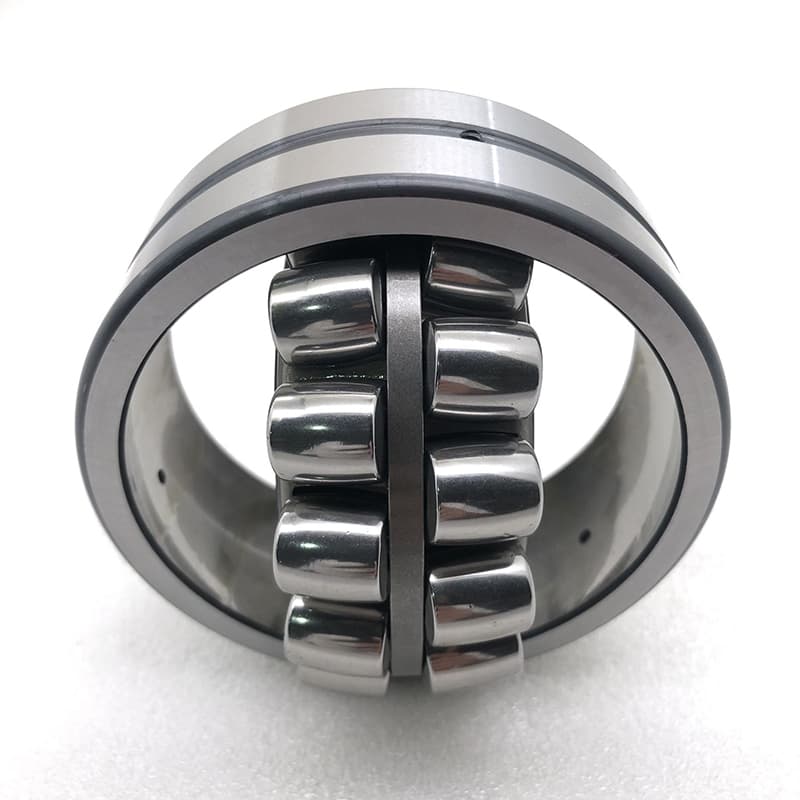
I have seen this problem many times. A customer in Brazil stored a container of spherical roller bearings near a stamping press. The press vibrated the floor. After eight months, every bearing had false brinelling marks. That was a costly lesson. Let me share what works. At FYTZ Bearing, we test our bearings for vibration resistance. So I know the damage is real and preventable.
Understand What False Brinelling Actually Is?
You open a bearing that has never been used. The raceways look like someone took a hammer to them. But there are no real dents. That is false brinelling.
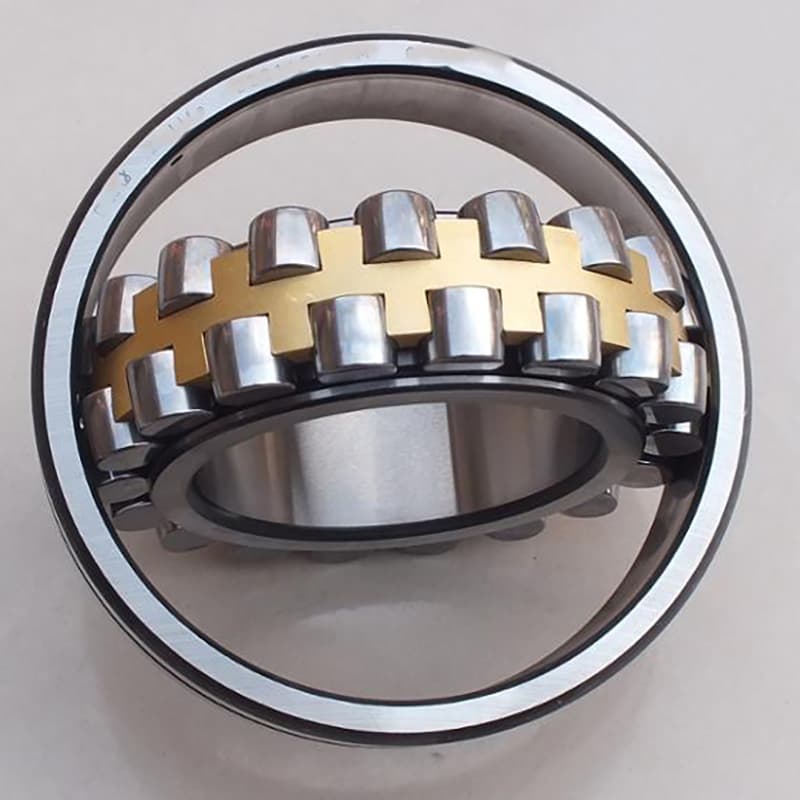
False brinelling is a wear pattern from small, repeated movements between the rollers and raceways. It removes the lubricant film and creates shallow, shiny marks. It looks like true brinelling (impact damage) but comes from vibration, not a single big shock.
What does false brinelling look like?
Take a bearing apart after it has been stored near vibrating machinery. You will see:
- Polished, shiny areas on the raceways where the rollers sat.
- A reddish or dark brown powder inside the grease. That powder is fine wear debris.
- No deep indentations. Instead, the surface looks like a mirror.
- Sometimes, you also see tiny cracks if the vibration went on for a long time.
This damage is dangerous because you cannot see it without opening the bearing. And when you finally run the bearing, the noise and heat show up fast.
How is false brinelling different from true brinelling?
| Feature | False Brinelling | True Brinelling |
|---|---|---|
| Cause | Small vibrations over time | Single heavy impact |
| Appearance | Shallow, shiny wear marks | Deep, clear dents |
| Debris | Fine red/brown powder | Metal flakes |
| Grease condition | Dirty, mixed with wear particles | Still clean (if no other damage) |
| Running noise | Low grinding or rumbling | Clicking or thumping |
False brinelling tricks many people. They think the bearing was bad from the factory. But the real problem was how they stored it. At FYTZ, we always tell our customers: do not place bearing boxes on the floor near a press or a conveyor. That simple rule saves thousands of dollars.
Identify the Real Causes: Vibration and Small Oscillations?
Your bearing sits still on a shelf. But the shelf vibrates from a nearby motor. The rollers inside the bearing also vibrate. They move back and forth by a tiny amount. That is all it takes.
The two main causes are external vibration and thermal expansion cycles. External vibration is the most common. Small oscillations push the grease out from between the rollers and raceways. Then metal touches metal.
External vibration sources
You might not think your storage area is shaky. But many factories have hidden vibrations. Common sources include:
- Punch presses or stamping machines
- Large fans or blowers
- Compressors
- Forklifts driving on uneven floors
- Trains or trucks passing nearby
- Other rotating equipment on the same steel structure
Even small vibrations at 20 to 200 Hz are enough. The rollers act like little hammers. Each vibration cycle pushes them a few microns. After millions of cycles, the grease film breaks down.
Thermal expansion cycles
Another cause is temperature changes. A warehouse gets hot during the day and cold at night. The bearing rings expand and contract. That changes the internal clearance. The rollers may move slightly inside the raceway. If this happens every day for months, it can also cause false brinelling. But this type is much slower and less common than vibration damage.
Why spherical roller bearings are sensitive
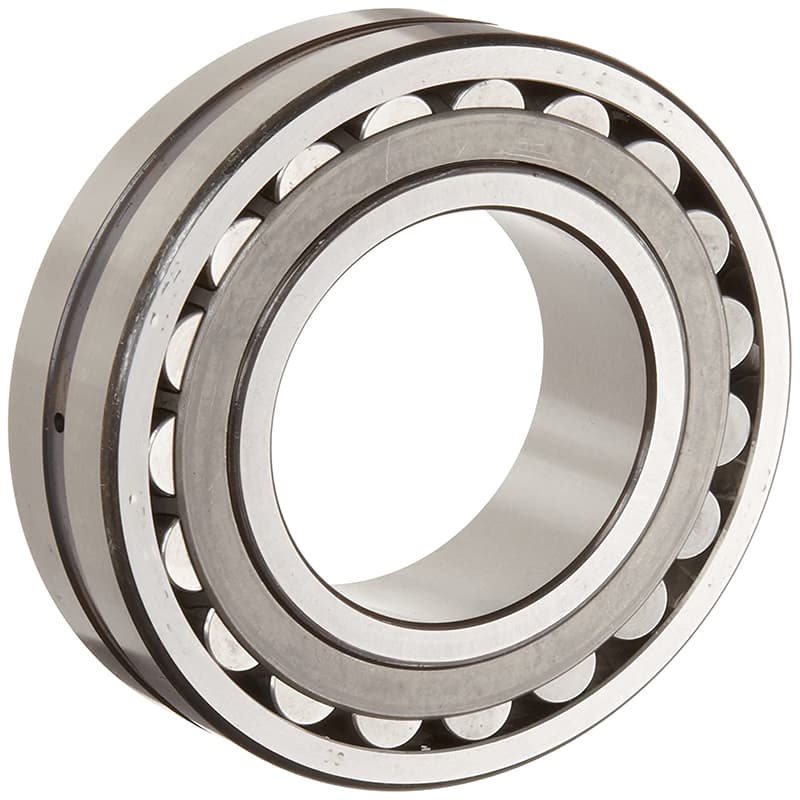
Spherical roller bearings have barrel-shaped rollers. They contact the raceways at an angle. That design is great for misalignment. But it also means the rollers can rock back and forth more easily than cylindrical rollers. So spherical roller bearings are more sensitive to false brinelling than deep groove ball bearings. That is why you need extra care.
Here is a table of risk levels:
| Storage Environment | Risk of False Brinelling | Action Needed |
|---|---|---|
| Quiet office or clean storage room | Low | Normal storage, no special action |
| Near small fans or pumps | Medium | Use vibration isolating pads |
| Next to a press or stamping machine | High | Move bearings to another room |
| On a mezzanine with foot traffic | Medium | Add rubber mats under boxes |
| Inside a vehicle or shipping container | High (from road vibration) | Use special shipping packaging |
At my factory, we store finished bearings on foam pads. And we keep them away from the inspection machines that vibrate. For long-term storage, we also rotate the inner rings by hand every three months. That simple step redistributes the grease and stops false brinelling.
Use Proper Storage Methods to Stop Vibration?
You cannot always remove the vibration source. But you can protect your bearings. Good storage methods cost very little compared to replacing damaged bearings.
Isolate bearings from the floor. Use rubber mats, foam pads, or spring mounts. Do not stack heavy boxes on top of bearing boxes. And keep the storage area dry and stable.
Step by step: how to store bearings correctly
Here is what I recommend to all my distributors like Rajesh in India.
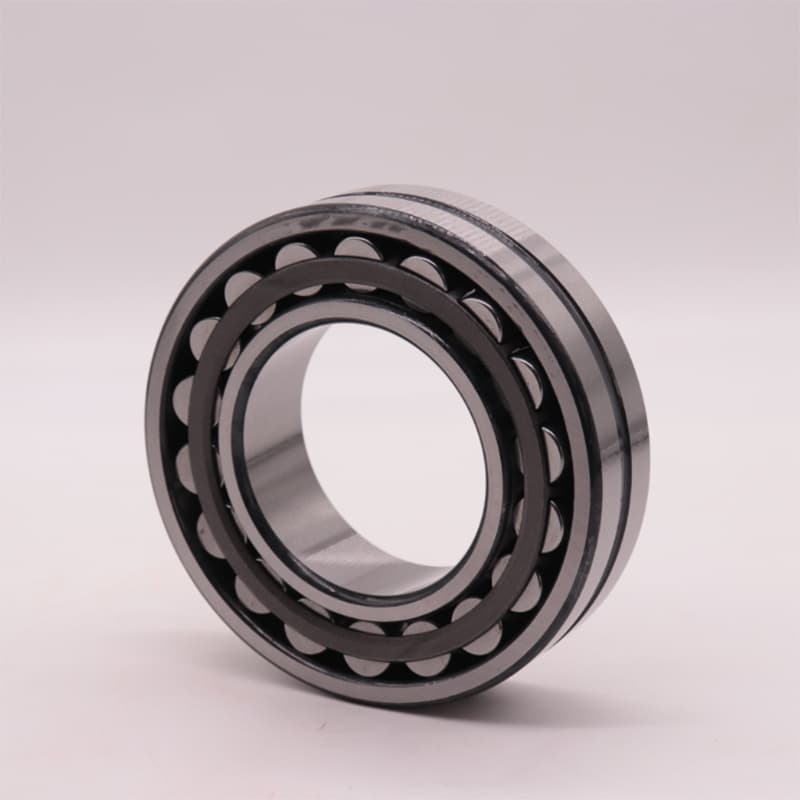
First, never place bearing boxes directly on a concrete floor. Concrete transmits vibration from everywhere. Instead, put down a 25 mm thick rubber mat or a wooden pallet on foam blocks.
Second, keep the original packaging. Bearing boxes come with anti-rust paper. That paper releases a vapor that protects the steel. Do not open the box until you are ready to install the bearing. Once opened, the vapor escapes.
Third, control the humidity. False brinelling gets worse when rust is also present. The wear particles rust quickly and become abrasive. So keep humidity below 60%. Use silica gel packs inside the box if you are in a wet climate like Indonesia or Vietnam.
Fourth, rotate the bearings every three months. Take each bearing out of the box. Rotate the inner ring by hand for a few turns. This moves the rollers to a new position and pushes fresh grease into the contact area. Then put it back in the box. Mark the date on the box.
Fifth, for long-term storage (more than one year), consider a slow rotation machine. Some large paper mills use a motorized rack that slowly turns the inner rings of stored bearings once a week. That is expensive but worth it for very large or expensive bearings.
What not to do
I have seen customers store bearings on wire racks next to air compressors. The compressor runs 24/7. The whole rack vibrates. That is a disaster. Also, do not store bearings on the floor of a truck or a shipping container without cushioning. Road vibrations are very bad. Always use foam or inflatable dunnage bags.
Here is a simple checklist for your warehouse:
| Action | Yes / No |
|---|---|
| Bearings on rubber mats or pallets? | |
| Storage area away from heavy machines? | |
| Humidity below 60%? | |
| Rotated every 3 months (for long storage)? | |
| Original box still sealed (if unused)? |
At FYTZ, we mark the production date on every box. So you know when a bearing has been sitting too long. If a bearing is older than 18 months, we recommend inspecting it before installation.
Apply the Right Lubrication and Rotation Schedule?
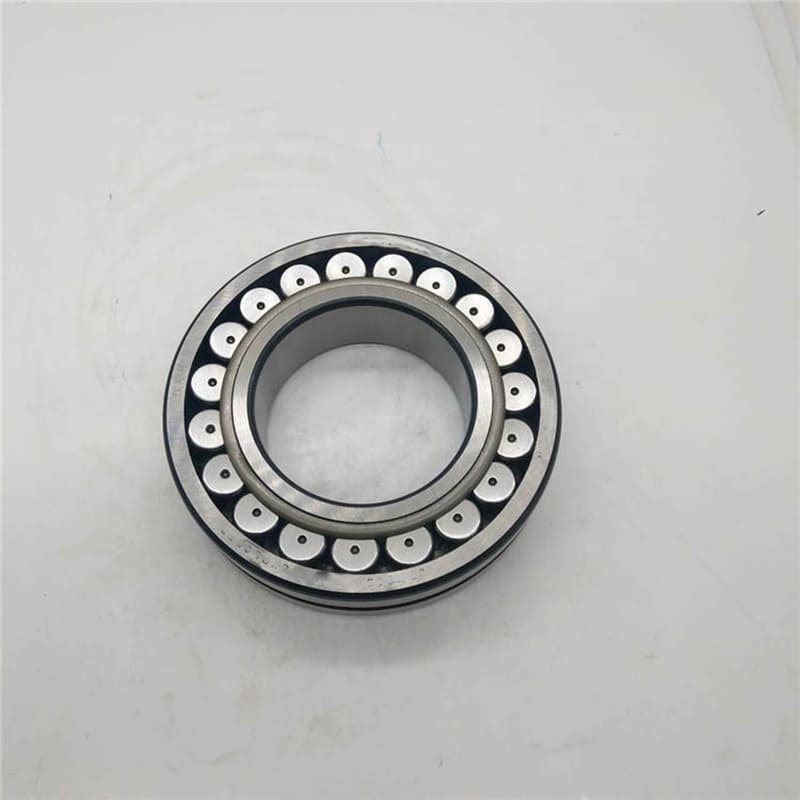
Grease is your first defense against false brinelling. But not all greases work the same. Some greases resist vibration better than others.
Use a grease with high oil viscosity and strong adhesion. Add anti‑wear additives. And if a bearing will sit idle for months, rotate the shaft or the inner ring regularly to keep the grease film fresh.
Choosing the right grease
Standard lithium grease works for normal storage of a few months. But for long idle periods or high vibration areas, you need something better.
Look for these properties:
- Base oil viscosity of at least ISO VG 150. Higher is better (up to ISO VG 460).
- Thickener type that resists mechanical working. Lithium complex or polyurea are good choices. Simple soap-based greases are not as good.
- Additives like AW (anti-wear) or EP (extreme pressure). These form a protective layer on the metal surface.
- Consistency of NLGI 2 or 3. A stiffer grease stays in place better.
At FYTZ, we pre‑grease our spherical roller bearings with a special storage grease for long-term idle conditions. But if you are storing bearings that came dry (for oil lubrication), you should add a storage grease yourself.
Rotation schedule
How often should you rotate a stored bearing? It depends on the vibration level.
| Storage Vibration Level | Maximum storage without rotation | Rotation interval |
|---|---|---|
| Low (office or quiet warehouse) | 12 months | Every 12 months |
| Medium (near small fans or light traffic) | 6 months | Every 6 months |
| High (near heavy machines or road transport) | 3 months | Every 3 months |
| Very high (on a ship or train) | 1 month | Every month or use special packaging |
When you rotate, do it slowly. Turn the inner ring by hand for at least 10 full rotations. That is enough to move the rollers to a new spot and spread the grease. Do not use a power tool. Fast rotation can damage the bearing if the grease has hardened.
What about bearings that are already installed but idle?
Sometimes a paper machine or a conveyor sits idle for weeks. The bearings are already mounted. In that case, you cannot rotate the inner ring easily. Instead, start the machine at low speed for a few minutes every week. That pumps fresh grease through the bearing. This is a common practice in sugar mills in India during the off-season. It works very well.
Here is a simple rule: idle for less than one month, no action needed. Idle for one to three months, rotate once a week for five minutes at low speed. Idle for more than three months, consider removing and storing the bearings properly.
I learned this from a customer in Russia. His factory shut down for winter for four months. He did not run the bearings at all. In spring, half of them had false brinelling damage. The next winter, he ran each motor for 10 minutes every two weeks. No damage.
Choose the Right Bearing and Packaging for Long Storage?
You can also prevent false brinelling before the bearing even leaves the factory. Special packaging and bearing modifications help a lot.
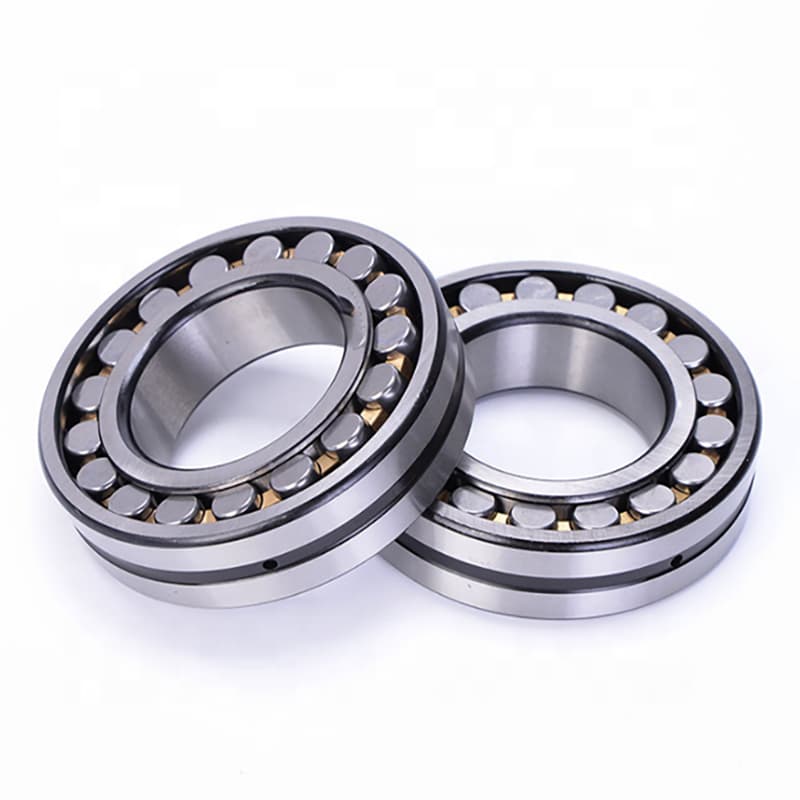
Request bearings with a rust‑inhibiting grease and vibration‑resistant packaging. For very long storage, ask for a thicker grease fill or a soft plastic cage that dampens vibration.
Bearing design features that help
Not all spherical roller bearings are the same for storage. Some features reduce the risk:
- Cage material: Brass or polyamide cages are heavier than steel cages. They add mass and can actually make false brinelling worse in some cases. But a well‑designed polyamide cage can dampen small vibrations. Ask your supplier.
- Internal clearance: Bearings with C3 or C4 clearance have more space between rollers and raceways. That gives the grease more room to stay in place. But it also lets the rollers move slightly more. So there is a trade‑off. For storage, C3 is usually fine.
- Grease fill: Standard bearings come with 30% to 40% grease fill by volume. For long storage, you can ask for 60% fill. That extra grease acts as a cushion. But you must remove the extra grease before high‑speed running.
At FYTZ, we offer a "storage‑plus" option. That includes a higher grease fill, a rust inhibitor additive, and vacuum‑sealed plastic bags inside the box.
Packaging that works
Standard cardboard boxes are not enough for long storage in harsh environments. Here are better options:
- VCI paper (vapor corrosion inhibitor) wrapped around each bearing. This paper protects against rust even without grease.
- Heat‑sealed plastic bags with no holes. This keeps out moisture and dust.
- Foam inserts that hold the bearing tightly. This stops the bearing from bouncing inside the box during transport.
- Outer box made of double‑wall corrugated cardboard or even wood for heavy bearings.
A real example
I had a customer in Egypt. He ordered 500 spherical roller bearings for a new cement plant. The project was delayed for 18 months. The bearings sat in a hot, dusty warehouse. We recommended vacuum‑sealed bags with VCI paper and an extra grease fill. He followed our advice. After 18 months, we tested five bearings. No false brinelling. No rust. He installed them and they ran perfectly.
On the other hand, a distributor in Pakistan ignored our storage advice. He kept bearings in the original thin cardboard on a concrete floor. After one year, nearly 20% had false brinelling marks. He lost a lot of money.
So my advice is simple: if you know a bearing will sit for more than six months, spend the extra few cents on proper packaging. It pays for itself many times over.
Conclusion
Stop vibration, use good grease, rotate periodically, and choose proper packaging. That is how you prevent false brinelling in stored bearings.