
Your production line runs all day, every day. A single bearing failure stops everything. That costs you money and makes your customers angry.
To select the right deep groove ball bearings for 24/7 production lines, focus on four things: load capacity, fatigue life, speed rating, and proper lubrication with reliable sealing. Also use predictive maintenance to catch problems early.
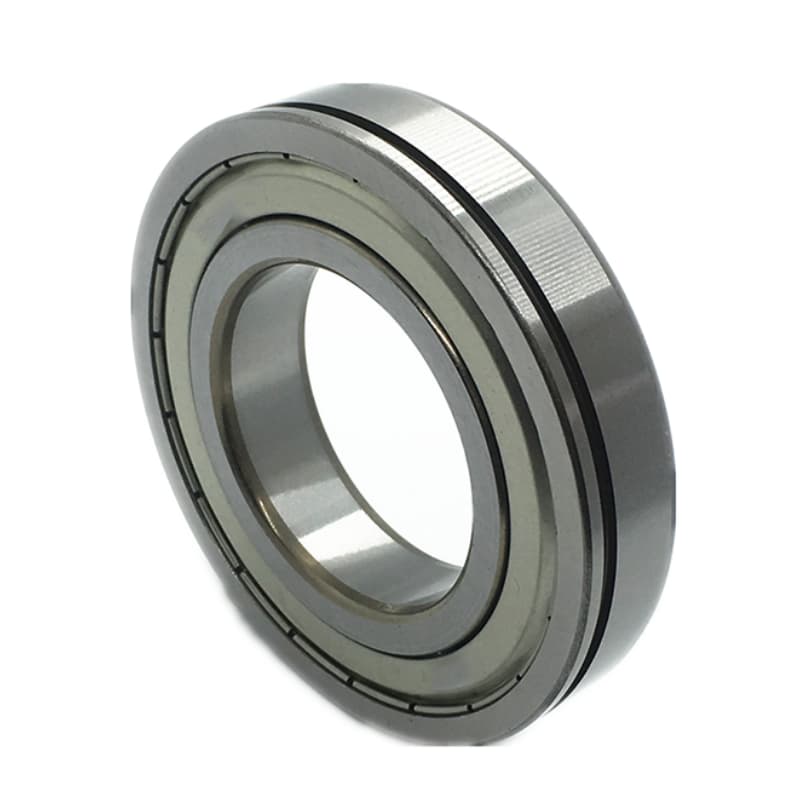
My name is Leo, and I run FYTZ Bearing in China. My factory makes bearings for customers in India, Turkey, Russia, and many other countries. I have seen too many buyers choose the wrong bearing. Then their machines break down in the middle of the night. Today I will share what I have learned. I will help you pick bearings that last. Let us get into the details.
What are the Key Performance Requirements for Deep Groove Ball Bearings in 24/7 Production Lines?
A bearing in a continuous line works non-stop. Heat builds up. Dust and moisture get in. The load never stops pushing. You need a bearing that can handle this abuse.
The three key requirements are: high dynamic load rating to carry heavy and constant loads, low vibration and noise for smooth operation, and stable material that resists heat and fatigue. Without these, your bearing will fail early. nsk
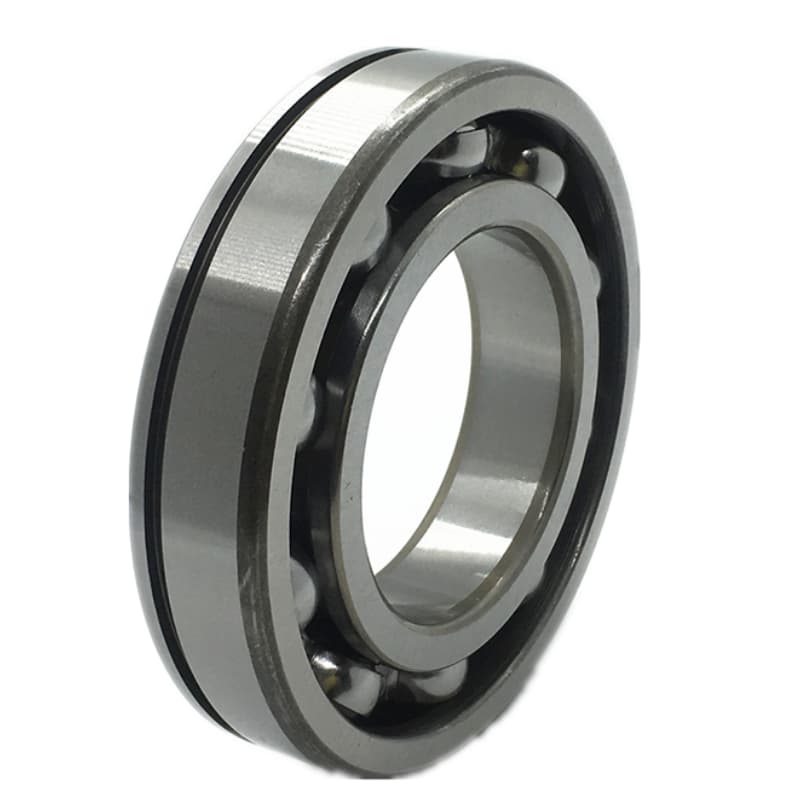
Let me break down each requirement with real facts.
High dynamic load rating (C) is the first thing I check. This number tells you how much load the bearing can take for one million revolutions. For 24/7 lines, you want a higher C value than normal. Why? Because your machine runs 8,760 hours every year. A low C rating means the bearing gets tired fast. I always suggest adding a safety factor of at least 1.5 to 2. So if your machine needs 10 kN of load, pick a bearing rated for 15 to 20 kN.
Low noise and low vibration are not just for comfort. They show how round and smooth the bearing is. In a high-speed continuous line, extra vibration creates heat. Heat kills grease. Then metal touches metal. I use a simple rule: buy only bearings with vibration class V3 or better (like V2 or V1). For precision, go with P5 or P6. My FYTZ bearings come with P5 as standard for production lines. This cuts noise by up to 30% compared to regular P0 bearings.
Material stability matters more than you think. Most bearings use standard bearing steel (GCr15). That works fine for normal use. But for 24/7 operation, the inner ring can reach 100°C or more. At that temperature, the steel expands. The internal clearance drops. Then the bearing locks up. That is why I recommend a higher temperature stability rating like SN or S0. Better yet, use bearings with C3 or C4 internal clearance. This gives extra room for heat expansion.
Here is a quick table I use with my customers:
| Requirement | What to look for | Why it matters for 24/7 lines |
|-------------|------------------|-------------------------------|
| [Dynamic load rating (C)](https://www.skf.com/group/products/rolling-bearings/principles-of-rolling-bearing-selection/bearing-selection-process/bearing-si) | Value 1.5x to 2x of actual load | Prevents early fatigue failure |
| [Vibration class](https://tflbearing.com/blog/emq-bearings-z-and-v-ratings.html) | V2 or V1 (or V3 minimum) | Reduces heat and grease breakdown |
| [Precision class](https://www.demy-bearings.com/news/bearing-accuracy-classes-explained-p0-vs-p6-vs-p5-vs-p4/) | P5 or P6 | Keeps noise low and life long |
| [Material stability](https://www.thb.at/en/critical-applications/high-temperature-high-operating-temperatures/) | SN (150°C) or S0 (200°C) | Avoids clearance loss under heat |
| [Internal clearance](https://medias.schaeffler.jp/knowledge-center/shaft-guidance-systems/load-carrying-capacity-and-life) | C3 or C4 | Allows for thermal expansion |
I remember a customer from Egypt. He runs a food packaging line. He bought cheap bearings with standard clearance P0. After three months, the bearings got hot and seized every night. He lost one full shift each week. We switched him to FYTZ bearings with C4 clearance and P5 precision. Now his line runs six months without a stop. That is the difference.
What are the Critical Selection Parameters: Dynamic Load Rating, Service Life & Speed Limits?
You open a bearing catalog. You see many numbers. Which ones really matter? Most buyers get lost. They pick the wrong number and pay for it later.
The three critical parameters are: dynamic load rating (C) to calculate fatigue life, basic load rating (Co) for static overloads, and limiting speed with proper lubrication. Ignore any of these, and your bearing life drops by half or more.
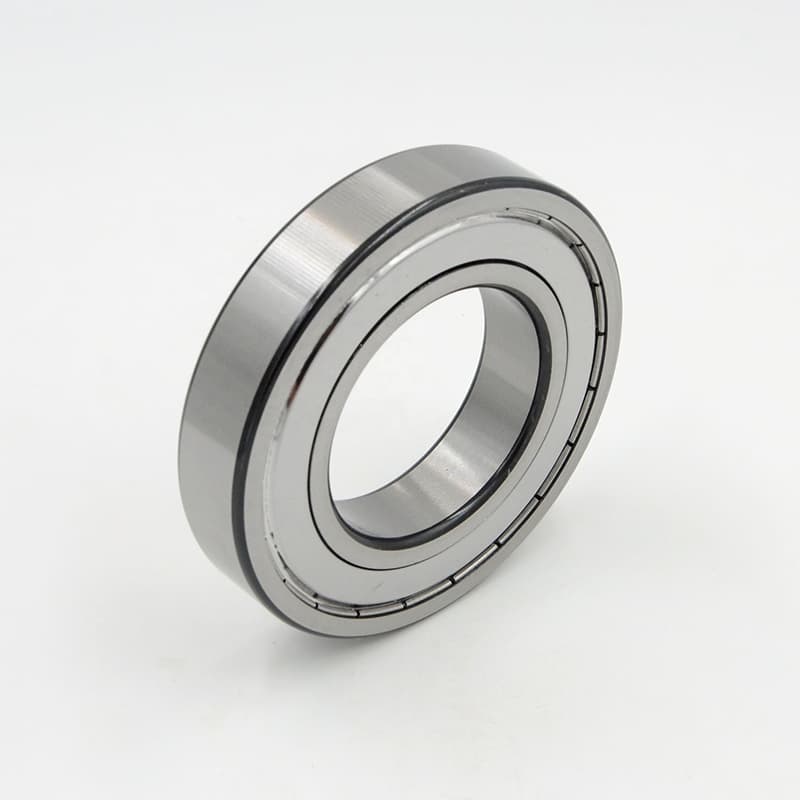
Let me show you how to use these numbers like a pro.
Dynamic load rating (C) is the most important number. It comes from the bearing manufacturer’s tests. But do not just compare C values across brands. Some cheap brands fake the number. Instead, use C to calculate the L10 life. That is the life in hours that 90% of bearings will reach. The formula is simple:
L10 = (C / P)³ x 1,000,000 revolutions
But you need revolutions in hours. So divide by (RPM x 60). For a 24/7 line, I aim for L10 life of at least 40,000 hours. That is about 4.5 years of continuous running. Most buyers take 20,000 hours. That is too low for me.
Static load rating (Co) is for when the machine stops or starts. In a production line, you have jams, emergency stops, and heavy starts. The static load can be two or three times the normal load. If Co is too low, the bearing gets a dent (Brinnelling). Then it makes noise forever. I always pick bearings with Co at least 2.5 times the maximum expected static load.
Speed limits are tricky. Every catalog shows a grease speed limit and an oil speed limit. But those numbers are for ideal conditions. Your real line has heat, dust, and misalignment. So I cut the catalog limit by 20% to 30%. For example, if the catalog says 8,000 RPM for grease, I run it at 6,000 RPM max. Also, I match the grease to the speed. For high speed, use low-viscosity grease with lithium complex thickener. For low speed but heavy load, use high-viscosity oil or grease with EP additives.
Here is a real example. A customer in Brazil runs a textile spinning line. The bearings run at 12,000 RPM. https://fytzbearing.com/rpm-limits-explained-how-fast-can-your-deep-groove-ball-bearings-really-go/ He used standard grease and got failures every two weeks. I checked the catalog. The bearing speed limit was 15,000 RPM with oil, but only 9,000 RPM with grease. https://anderol.com/grease-versus-oil-which-one-to-use-for-lubrication/ He was using grease. So he was 33% over the limit. We switched to oil lubrication and added a cooling ring. [https://www.michellbearings.com/hydrodynamic-air-cooled-bearings-use-with-high-speed-electric-motors/](https://www.michellbearings.com/hydrodynamic-air-cooled-bearings-use
I do not want you to make the same mistake. Always check the speed limit for your lubrication type. And always add a safety margin.
How to Choose Lubrication and Sealing Solutions for High Loads and Elevated Temperatures?
You picked the perfect bearing. But you put the wrong grease in it. Or the seal leaks. Then your bearing dies in a few weeks. I see this mistake every month in my workshop.
For high loads and high heat, use synthetic grease with a high dropping point (above 180°C) and high viscosity base oil (ISO VG 150 to 220). For sealing, use contact seals (2RS) for dusty environments or non-contact shields (ZZ) for clean, high-speed lines.
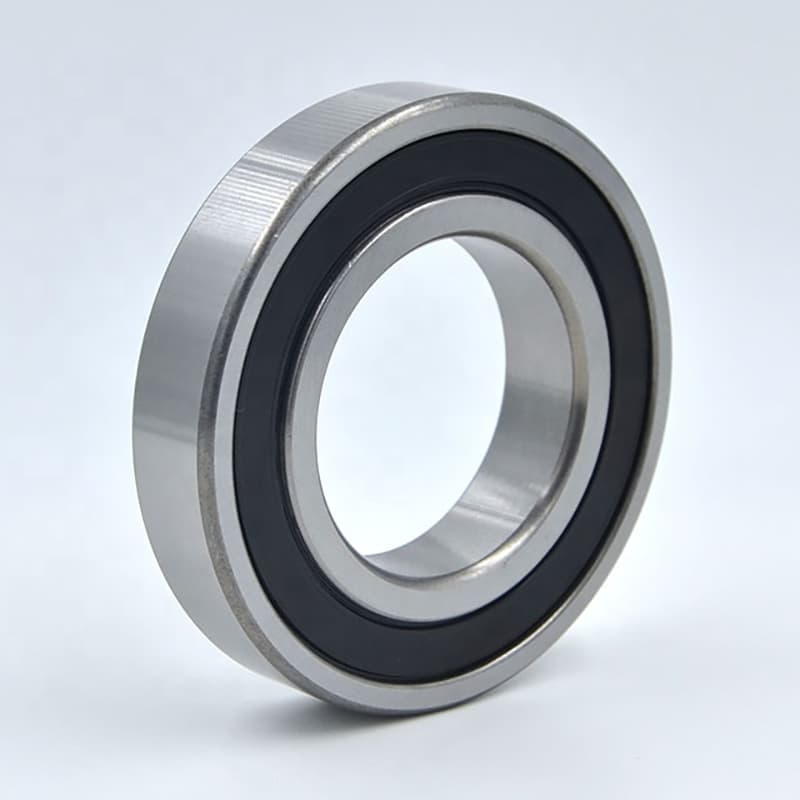
Let me explain why this choice is so critical.
Grease is not all the same. https://www.machinerylubrication.com/Read/340/high-temperature-grease Many buyers take the cheapest grease. That is a big mistake. In hot production lines, standard mineral grease melts. It leaks out. Then the bearing runs dry. https://anderol.com/grease-versus-oil-which-one-to-use-for-lubrication/ I recommend only synthetic grease for 24/7 lines. Why? Synthetic base oils (PAO or ester) can take higher heat. https://www.machinerylubrication.com/Read/340/high-temperature-grease They also last longer before they oxidize. [https://www.impomag.com/maintenance/article/13216919/selecting-the-right-grease-for-extreme-temperature-applications](https://www.impomag.com/maintenance/article
Here is what I look for in a grease:
- Dropping point > 180°C (ideally > 200°C)
- Base oil viscosity for high load: ISO VG 150 to 220 (thick oil film protects the metal)
- Thickener type – lithium complex or polyurea. These hold up well at high speed and heat.
- NLGI grade – 2 or 3. Grade 2 is most common. Use grade 3 if the bearing is vertical or gets a lot of vibration.
How often to re-grease? For a normal line, every 2,000 to 4,000 hours. But for a hot, dirty line, cut that time in half. I tell my customers to set up a reminder. Grease too little, and the bearing fails. Grease too much, and the grease churns and overheats. So use the right amount. For most 6200 series bearings, 1 to 2 grams per regrease is enough.
Seals keep the good in and the bad out. You have three main choices:
| Seal type | Code | Best for | Speed limit | Protection |
|---|---|---|---|---|
| Non-contact shield | ZZ (or 2Z) | Clean, high-speed lines | High | Low |
| Contact rubber seal | 2RS | Dusty, wet, hot lines | Medium | High |
| Low-friction seal | 2RS1 | Medium speed with moderate protection | Medium-high | Medium-high |
For a cement factory or a paper mill, I always use 2RS with synthetic rubber (NBR or FKM). FKM handles heat up to 200°C. For a clean electronics assembly line, ZZ shields are fine.
I once worked with a Pakistani bearing distributor. He sold 2RS bearings to a flour mill. The mill had fine dust everywhere. But he used standard NBR seals. https://www.kaflon-seal.com/blog/how-do-rotary-shaft-seals-perform-in-dusty-environments-3933.html The dust ate through the seals in one month. I told him to switch to bearings with double-lip FKM seals.
Why are Predictive Maintenance Strategies and Condition Monitoring Important for Reliable Bearing Selection?
You chose the best bearing. You greased it well. But still, everything wears out. If you wait for a bang and a stop, you lose production. Instead, you need to watch the bearing while it works.
Predictive maintenance lets you see a bearing failure before it happens. Use vibration analysis, temperature sensors, and acoustic monitoring. Then change the bearing on your schedule, not at 3 AM with no spare parts.
Here is how you set up a simple but effective system.
Vibration analysis is my number one tool. A healthy bearing makes a smooth hum. A bad bearing makes sharp spikes. You can buy a handheld vibration meter for under $500. Put it on the bearing housing once per week. Write down the velocity (mm/s). When the velocity doubles from the baseline, plan to change the bearing soon. When it triples, change it now.
What are you looking for? Different vibration frequencies tell different stories:
- Cage damage – frequency at about 0.4x of rotation speed
- Ball damage – frequency at about 2.4x of rotation speed
- Inner race damage – frequency at about 5.1x of rotation speed
- Outer race damage – frequency at about 3.1x of rotation speed
You do not need to know these numbers exactly. Just use a meter that gives an overall alert. Many cheap meters have red/yellow/green lights.
Temperature monitoring is the second easiest way. Put a simple thermocouple or an IR gun on the bearing housing every day. Normal temperature is 40°C to 60°C above room temperature. If you see a sudden rise of 15°C in one day, something is wrong. It could be lack of grease, too much grease, or a broken race. I once caught a bearing at 95°C. We stopped the line for one hour and changed it. That saved a 12-hour unplanned stop.
Acoustic monitoring (ultrasound) is what the big factories use. It costs more ($2,000 to $5,000). But it finds problems earlier than vibration. A failing bearing makes a high-pitched sound before the vibration rises. I recommend ultrasound for very critical lines. For example, a glass bottle factory I work with in South Africa. They put an ultrasound sensor on every motor. They can see a bearing fail two months before it happens. That gives them time to order my bearings and schedule a stop.
Here is a simple checklist I give my customers:
| Action | Frequency | Tool cost | Benefit |
|---|---|---|---|
| Vibration check | Weekly | $300–500 | Catches 70% of failures |
| Temperature check | Daily | $50 (IR gun) | Catches lube and friction issues |
| Ultrasound scan | Monthly or continuous | $2,000+ | Catches early stage failures |
| Oil/grease analysis | Quarterly | $100 per sample | Finds contamination before damage |
If you do nothing else, buy a $50 IR thermometer and a $300 vibration pen. Use them every Monday morning. That simple habit will double your bearing life. I promise you that from 15 years of selling bearings.
Conclusion
Pick the right load rating, use high-temperature grease, seal out dirt, and monitor vibration and heat. That is how you run 24/7 without bearing failures.