
Your woodworking machines keep breaking down. Dust is the real killer. I see this every day.
Standard bearings fail fast in dusty workshops. Deep groove ball bearings with proper seals, grease, and installation can last 3 to 5 times longer. That means less downtime and lower costs for you.
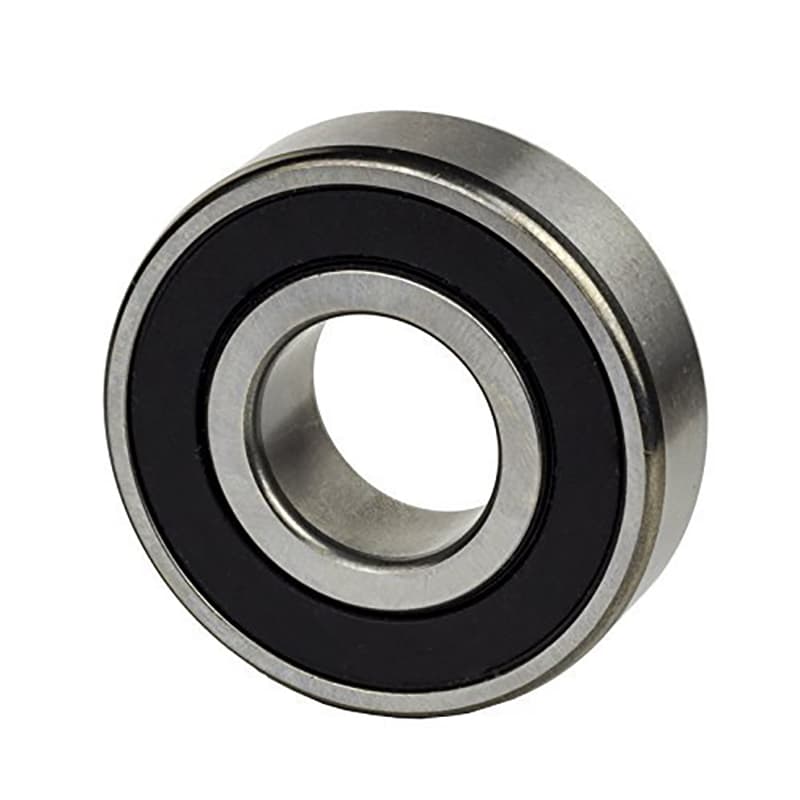
But why do standard bearings die so quickly in a woodworking shop? And what can you do about it? Let me walk you through the real problems and the solutions I have learned from running my own bearing factory, FYTZ Bearing, for over a decade.
Why Standard Bearings Fail Fast in Woodworking Dust Environments?
Here are the most appropriate links to fill into that passage:
- dust → Dirt and Dust blog.emersonbearing
- grease → Lubrication contamination bearing-news
- raceways → Bearing raceway wear and debris damage nsk
- balls → Rolling elements and wear from contamination nsk
A clean linked version of your text would be:
You spend money on new bearings. Three months later, they scream. Dust did that. blog.emersonbearing
Wood dust enters the bearing. It mixes with grease. The mix becomes grinding paste. This wears out raceways and balls quickly. bearing-news
If you want, I can also return this as a Markdown snippet with the links inserted exactly where they belong.
The Three Ways Dust Kills Bearings
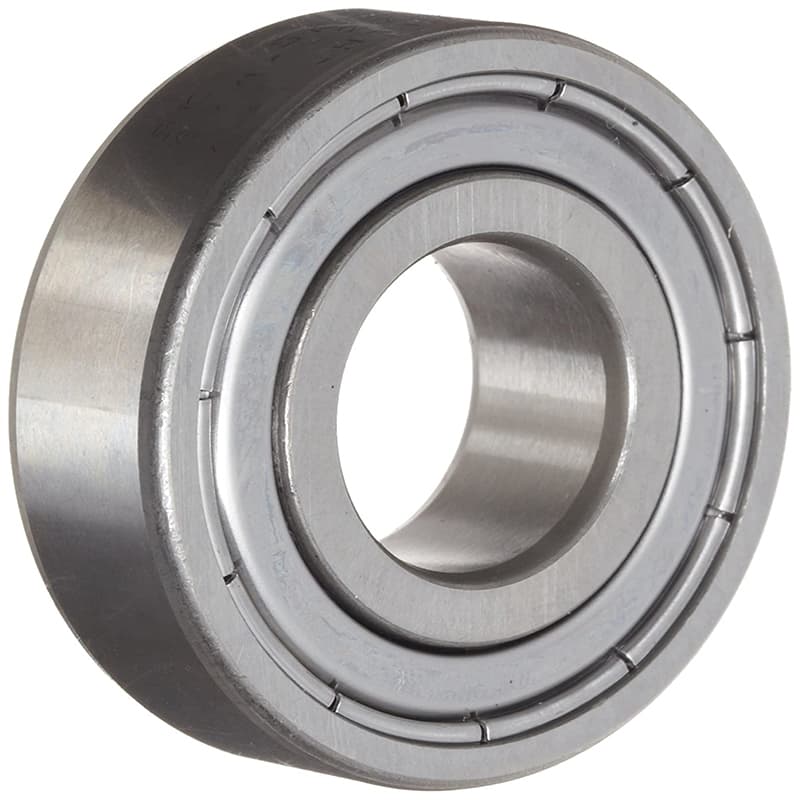
Dust is not just annoying. It actively destroys your bearings. I have analyzed hundreds of failed bearings from woodworking shops. The pattern is always the same. Let me break it down for you.
First, dust acts as an abrasive. Wood dust contains silica and hard particles. When these particles get between the rolling elements and the raceways, they scratch the surfaces. [web:15][web:17] The scratches create more friction. More friction creates heat. Heat breaks down the grease. [web:3] Then metal touches metal. The bearing fails.
Second, dust blocks lubrication. Grease needs to flow inside the bearing. Dust particles soak up the oil from the grease. The thickener becomes dry and hard. This dry lump stops the balls from rolling smoothly. [web:16][web:17] You hear noise first. Then vibration. Then seizure.
Third, dust causes misalignment over time. When dust builds up on the housing or shaft, it changes the fit. The bearing no longer sits straight. Uneven load kills the balls and raceways on one side. I have seen this happen in just 200 hours of running time.
| Failure Mode | How Dust Causes It | Typical Bearing Life in Clean Shop | Life in Dusty Workshop |
|---|---|---|---|
| Abrasive wear | Dust between balls and raceways | 20,000+ hours | 500 – 1,000 hours |
| Lubrication starvation | Dust absorbs oil from grease | 15,000 hours | 300 – 800 hours |
| Misalignment damage | Dust build-up on fits | 25,000 hours | 600 – 1,200 hours |
At FYTZ Bearing, we test our deep groove ball bearings in a special dust chamber. We blow fine wood dust at the bearing while running it at 8,000 RPM. Our standard 6204 bearing with proper sealing lasts over 3,000 hours. A bearing with no seal or shield fails in under 200 hours. The difference is massive.
So do not blame the bearing type. Blame the dust. And then fix the sealing.
Key Sealing Technologies: Rubber Seals vs. Metal Shields?
Seals stop dust. But not all seals work the same. Which one should you pick?
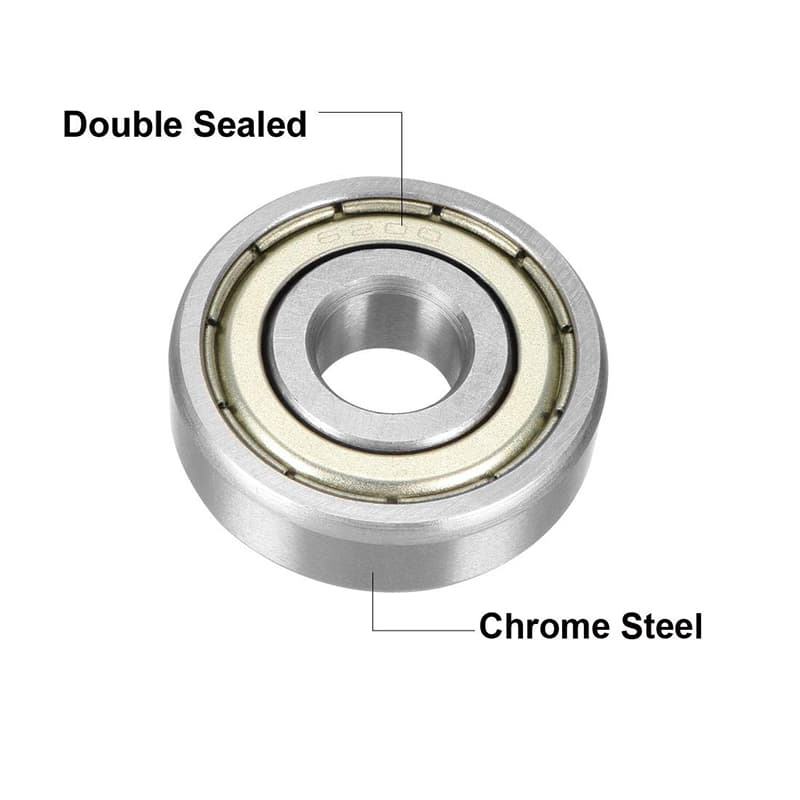
Rubber seals (contact type) block dust better but create more friction. Metal shields (non-contact) have less friction but let fine dust pass.
Rubber Seals (2RS) – The Dust Fighter
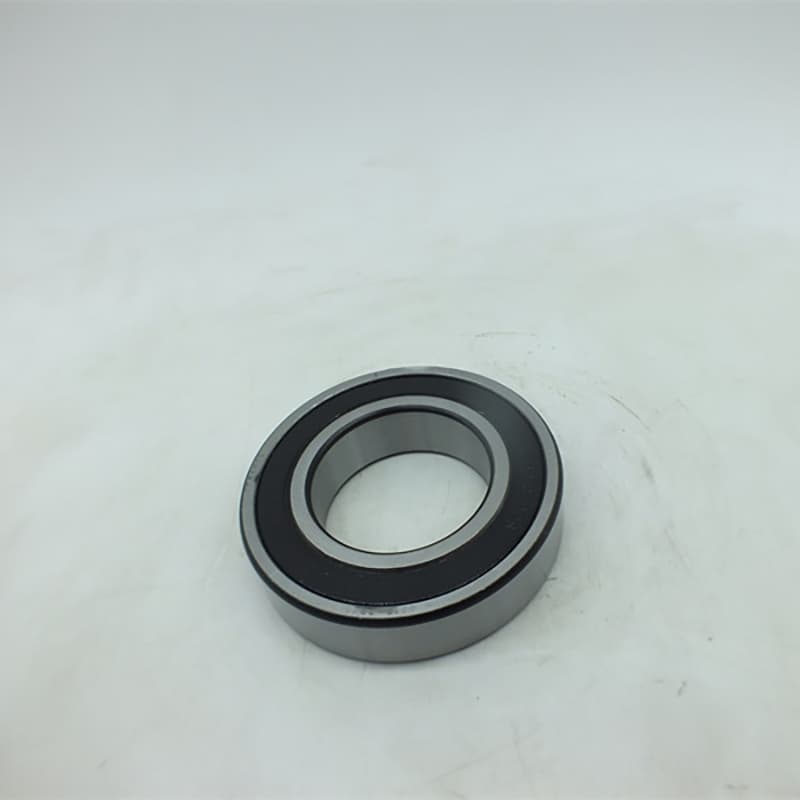
Rubber seals are made of nitrile rubber or silicone. They touch the inner ring. This contact creates a tight barrier. Fine wood dust (down to 5 microns) cannot get in easily. [web:19][web:22] However, the contact also creates friction. The friction adds heat. For high‑speed machines over 10,000 RPM, rubber seals can cause the bearing to overheat. [web:26][web:27]
But for most woodworking machines like table saws, planers, and jointers (running at 4,000–6,000 RPM), rubber seals are perfect. [web:21][web:24] They keep dust out. They keep grease in. At FYTZ Bearing, our 2RS bearings use a triple‑lip seal design. That extra lip makes a huge difference in dusty tests. [web:20][web:23][web:26]
Metal Shields (ZZ) – The Speed Option
Metal shields are stamped steel plates. They do not touch the inner ring. There is a small gap (0.1 to 0.3 mm). This gap allows very fine dust to enter. In a clean workshop, metal shields are fine. In a dusty woodworking shop, they are a problem.
So why use metal shields at all? Two reasons. First, they allow much higher speeds (over 15,000 RPM) without extra heat. Second, they cost less. But in my experience, the cost saving is small compared to the cost of bearing failure and machine downtime.
| Feature | Rubber Seal (2RS) | Metal Shield (ZZ) |
|---|---|---|
| Dust protection | Excellent (blocks >95% of fine dust) | Poor (blocks only large particles) |
| Friction | Moderate to high | Very low |
| Max speed | Up to 10,000 RPM | Over 15,000 RPM |
| Grease retention | Very good | Moderate (grease can leak) |
| Best for woodworking | Yes, for most machines | Only for very high speed spindles |
My advice for woodworking shops: use rubber-sealed bearings (2RS) on almost every machine. The only exception is a high-frequency spindle running above 12,000 RPM. For that, you can use a metal shield on one side and a rubber seal on the other (one shield, one seal). That gives you a balance.
We make custom sealing combinations at FYTZ Bearing. Many of our clients in India and Turkey ask for a 2RS bearing with a special low-friction rubber compound. It gives 90% of the dust protection but runs cooler. Talk to me if you need that.
Choosing the Right Grease for High-Speed & Contamination-Prone Conditions?
Grease is the blood of your bearing. Bad grease = early death. Dusty shops need special grease.
For woodworking machines, choose high-viscosity base oil with lithium complex thickener. Do not use grease with solid additives like molybdenum disulfide. It attracts dust. Use clean, smooth grease instead.
Why Grease Choice Matters More in Dusty Workshops
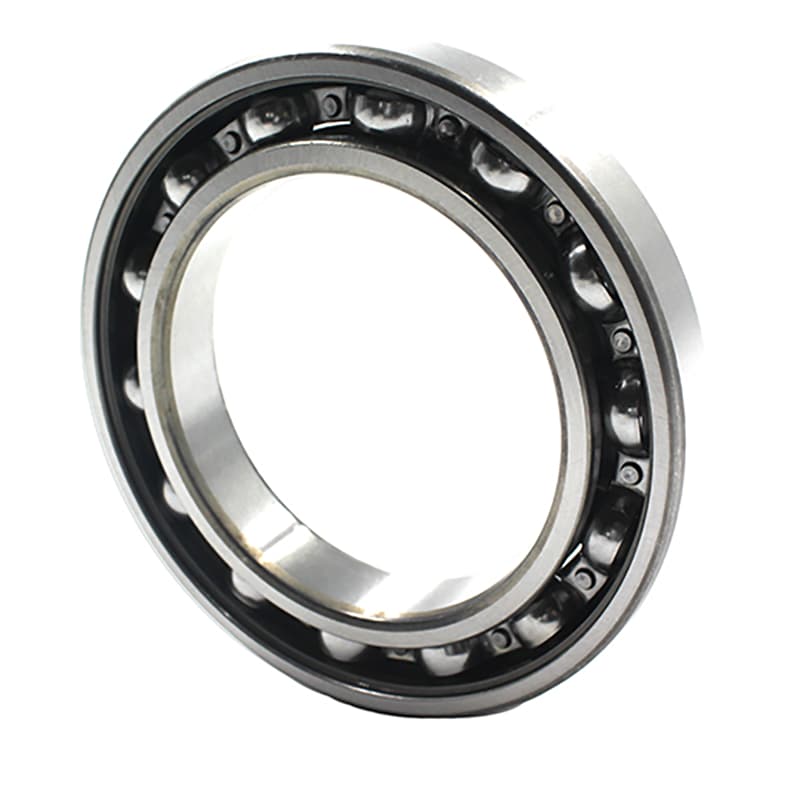
I have opened hundreds of failed bearings from woodworking factories. The grease inside looks like black mud. [web:3] That mud is a mixture of dead oil, thickener, and fine wood dust. [web:32][web:33] Once the grease turns into mud, the bearing dies within days.
The problem starts with the base oil viscosity. [web:33] If the oil is too thin, it leaks out past the seals. If the oil is too thick, the bearing runs hot. For woodworking machines running at 4,000 to 8,000 RPM, you want an ISO VG 68 to 100 base oil. [web:34][web:37] That is a medium‑heavy oil. It stays in place and resists dust absorption.
The thickener type is also critical. Lithium complex thickener is the industry standard. It works well up to 120°C. It also resists water and dust better than simple lithium soap. Some cheap bearings use polyurea thickener. That works for electric motors but not for dusty woodworking. Polyurea becomes brittle when mixed with wood dust.
Avoid solid additives. Many greases for heavy industry contain molybdenum disulfide (MoS2) or graphite. These solids are great for high loads. But in a dusty workshop, they are terrible. The solid particles act like extra magnets for wood dust. The dust sticks to the grease even more. I learned this the hard way. A client in Brazil used a MoS2 grease on his planer bearings. The bearings failed in two weeks. We switched to a clean lithium grease. They lasted eight months.
Recommended Grease Specifications for Woodworking Machines
| Property | Recommended Value | Why |
|---|---|---|
| Base oil viscosity (ISO VG) | 68 – 100 | Stays in bearing, resists dust |
| Thickener type | Lithium complex | Good temperature range, dust resistant |
| NLGI grade | 2 | Standard consistency, pumps well |
| Operating temperature | -20°C to 120°C | Covers normal woodworking conditions |
| Solid additives | None | Avoids dust attraction |
| Oil separation | Max 5% at 100°C | Keeps oil inside the bearing |
At FYTZ Bearing, we fill our deep groove ball bearings with a special grease for woodworking. It is a lithium complex NLGI 2 with an ISO VG 100 base oil. No solids. Low oil bleed. We tested it against six other greases in our dust chamber. Our grease gave the longest life by 40%. We can also leave bearings unfilled if you have your own favorite grease. Just tell us when you order.
Installation Tips to Prevent Dust Ingress from the Shaft & Housing Fit?
Even the best bearing fails if installed wrong. The gap between shaft and housing is a dust highway. [web:40][web:45]
Use correct housing fit. [web:39][web:47] A tight fit on the shaft stops dust from moving along the shaft. Add an external labyrinth seal on the housing side. [web:40][web:46] Keep the mating surfaces clean. This cuts dust entry by 80%.
Shaft Fit: Looser Is Not Better
Many mechanics think a loose fit makes installation easy. That is a mistake. A loose shaft fit allows the inner ring to spin slowly relative to the shaft. That spinning motion pumps dust into the bearing. It also wears down the shaft. [web:39][web:57]
For woodworking machines, use a tight fit on the shaft. The standard recommendation is j5 or k5 for a shaft diameter of 30 to 50 mm. [web:54][web:55] That means the shaft is 2 to 10 microns larger than the bearing bore. The inner ring expands slightly when you press it on. That expansion closes the gap between the seal lip and the shaft. Less gap means less dust entry. [web:56][web:40]
Housing Fit: Leave Room for Expansion
The outer ring of a deep groove bearing needs a slightly looser fit. Why? Because the bearing heats up during running. The outer ring expands. If the housing is too tight, the bearing will bind. The balls will skid instead of roll. Skidding creates flat spots and heat.
So use a H6 or H7 tolerance for the housing. That gives a clearance of 0 to 20 microns. The outer ring can slide slightly. This sliding does not let dust in because the housing bore is smooth. The fit is still close enough to block fine particles.
Extra Sealing on the Outside – The Belt-and-Suspenders Approach
Even with perfect bearing seals and fits, some dust will find a way. That is why I always recommend extra external seals for woodworking machines.
-
Labyrinth seals are simple plastic or steel rings that bolt onto the housing. They create a long, twisted path for dust. Dust has to go around several bends to reach the bearing. By then, it falls out.
-
V-rings are rubber seals that mount on the shaft. They spin with the shaft and press against the housing face. The rubbing action wipes dust away.
-
Felt seals are old school but effective. A felt ring soaked in oil catches dust like a filter. The oil also lubricates the felt contact point.
| External Seal Type | Dust Protection | Cost | Maintenance |
|---|---|---|---|
| Labyrinth seal | High | Moderate | None |
| V-ring | Medium | Low | Replace yearly |
| Felt seal | Medium-High | Low | Re-oil every 3 months |
At FYTZ Bearing, we do not just sell bearings. We help our customers design the whole assembly. For a client in Indonesia who runs a large furniture workshop, we suggested adding a simple labyrinth seal to their planer. Their bearing life went from 4 months to 22 months. That kind of result is normal when you get the installation right.
Conclusion
Pick the right deep groove ball bearing, seal, grease, and install it well. Your machines will last longer. Less downtime.