
You run a feed mill or a fertilizer plant. Your conveyor keeps breaking down every few weeks.
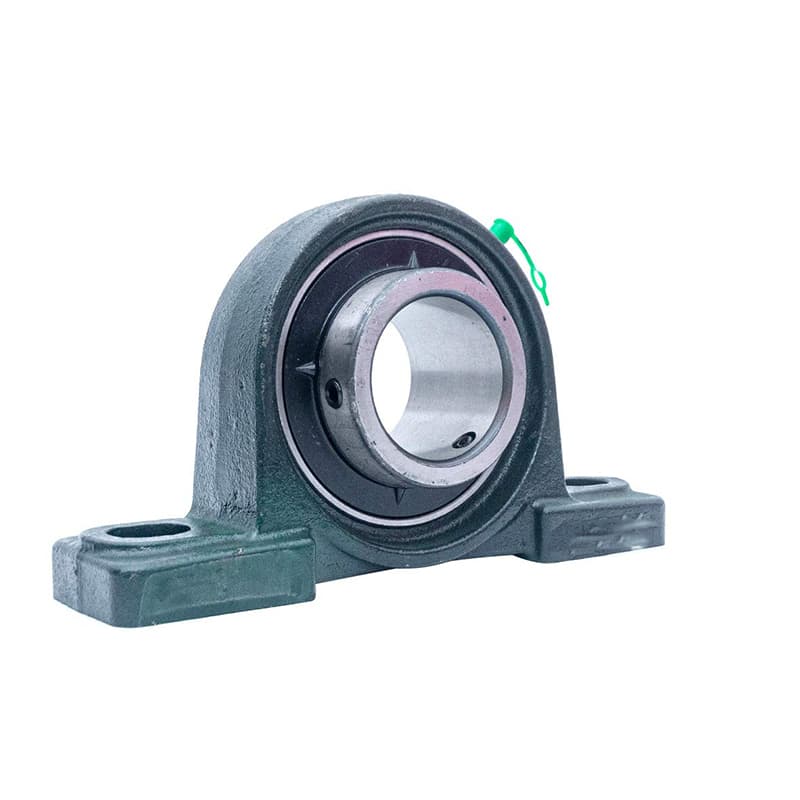
Pillow block bearings for bulk material conveying are not the same as standard bearings. They need special seals, corrosion-resistant housings, and the right grease. Fertilizer dust eats normal bearings. Feed dust clogs them. Bulk material adds heavy loads. You must pick bearings built for this tough environment.
I am Jack from FYTZ Bearing. I make pillow blocks for customers in India, Indonesia, and Egypt. They run feed mills and fertilizer plants. I have seen too many cheap bearings fail after two months. The plant loses production. The workers get angry. Let me show you how to pick the right bearing for your conveying system.
Why Do Fertilizer and Feed Conveyors Need Special Pillow Block Bearings?
Your conveyor works in a dirty, wet, and sometimes acidic place.
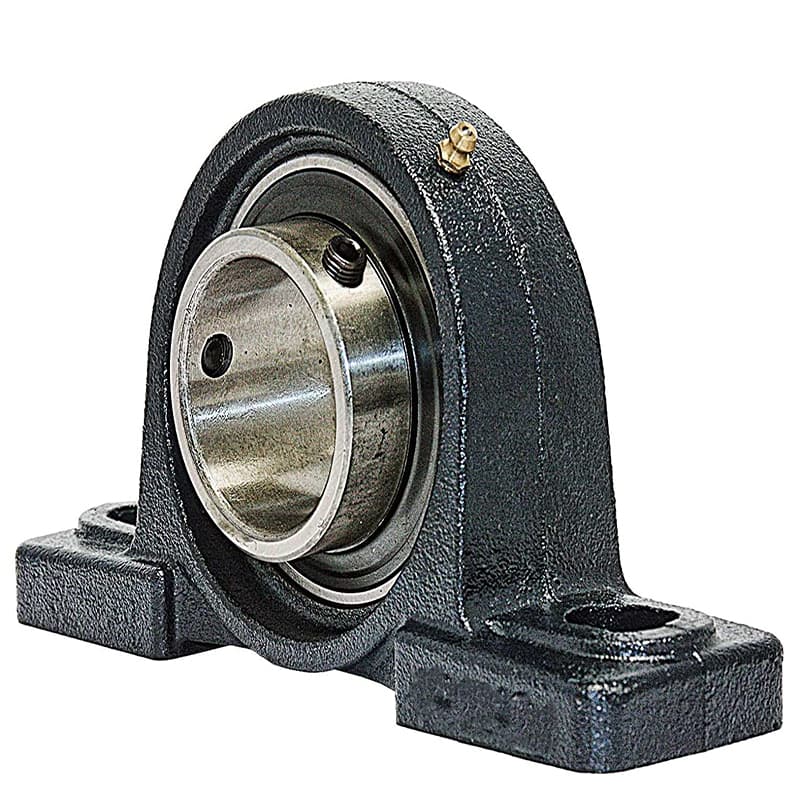
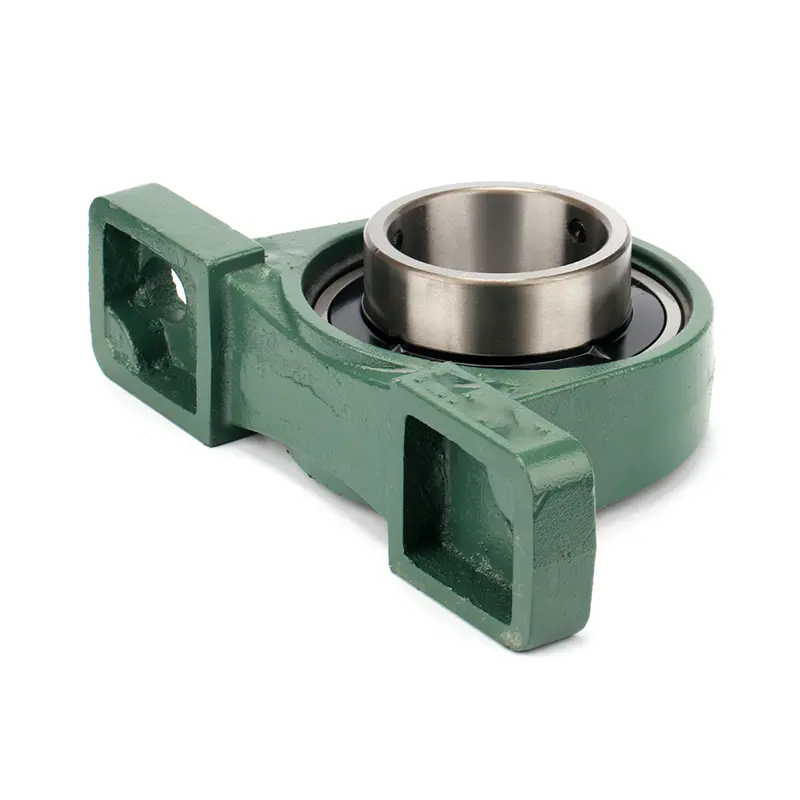
Fertilizer contains chemicals like urea and ammonium sulfate. These chemicals corrode standard cast iron housings. Feed and grain dust gets inside unsealed bearings. That dust acts like sandpaper. Special pillow block bearings1 use stainless steel or coated housings. They also have contact seals that keep dust out and grease in.
Three Reasons Standard Bearings Fail Fast Here
I have visited feed mills in Vietnam and fertilizer plants in Pakistan. The conditions are brutal. Let me break down the three main killers.
1. Chemical Corrosion2
Fertilizer is salty and acidic. When you mix it with water or even humidity, it becomes aggressive. Standard pillow block housings are made of gray cast iron. Cast iron rusts quickly in this environment. The rust flakes off. Then the housing loses strength. The bearing becomes loose. Soon the whole assembly falls apart.
I remember a customer from Egypt. He ran a fertilizer blending plant. His standard pillow blocks lasted only 3 months. The housings looked like they had been under water. He switched to our housings with epoxy coating. That coating blocks the chemicals. Now his bearings last two years.
2. Dust Ingress3
Feed mills and grain elevators have dust everywhere. The dust is fine, like flour. It gets past standard seals. Once inside, the dust mixes with the grease. It becomes a grinding paste. The rollers and raceways wear down fast. Then the bearing gets noisy. Then it seizes.
A customer from Turkey told me his feed mill used to replace bearings every 6 weeks. We gave him pillow blocks with triple lip seals. Those seals have three rubber lips that hug the shaft. Dust cannot get in. He now replaces bearings once a year.
3. Heavy and Abrasive Bulk Material4
Bulk materials like rocks, grain, or fertilizer pellets are heavy. A long conveyor belt carries many tons per hour. That weight pushes down on the shaft. The shaft pushes the bearing. The bearing pushes the housing. If the housing or bearing is weak, something bends or cracks. Special heavy-duty pillow blocks have thicker walls and stronger bolts.
Here is a table comparing standard vs. special bearings:
| Feature | Standard Bearing | Special Bearing (FYTZ) |
|---|---|---|
| Housing material | Gray cast iron | Epoxy-coated or stainless steel |
| Seal type | Single lip | Triple lip or labyrinth |
| Grease | Standard lithium | Food-grade or high-temp |
| Bearing internal clearance | Normal (C3) | C4 for heat and dust |
| Housing wall thickness | Standard | 20% thicker |
So if you run a fertilizer or feed conveyor, do not use standard bearings. They will let you down.
How Does Dust and Corrosion Attack Standard Bearings in Bulk Handling?
Dust and chemicals work together to destroy your bearings from inside and out.
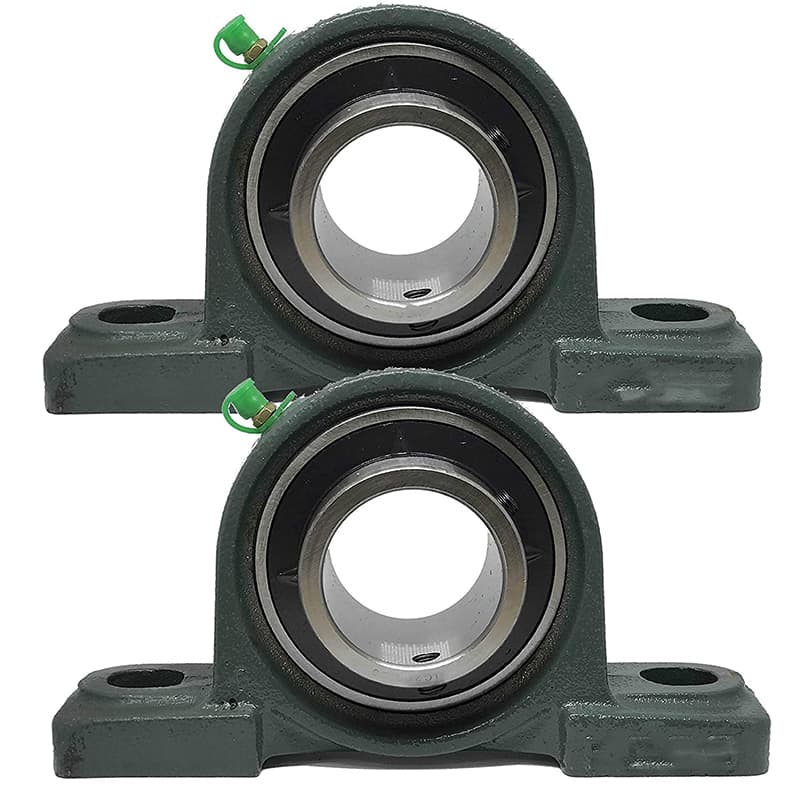
Dust enters through the seal gap1. It mixes with the grease and turns into a lapping compound. That compound grinds the steel surface. Corrosion starts on the housing and then moves to the bearing rings. Once the rings pit, the bearing fails. The attack is slow at first, then very fast.
The Step-by-Step Breakdown
Let me walk you through exactly what happens inside a bearing that is not protected. I have seen this many times on my customers’ workbenches.
Stage 1: The Seal Gives Up
Every bearing has a seal. But standard seals are designed for clean workshops2, not dusty conveyors. The first problem is the gap between the seal lip and the shaft. A standard seal might have a gap of 0.1 mm. That is enough for fine dust to enter. Also, the seal rubber hardens over time. Hard rubber does not flex. It leaves a bigger gap.
Stage 2: Dust Enters and Mixes
Once dust gets inside, the rotating bearing throws it around. The dust particles are hard. Many are silica or mineral dust. They mix with the grease. The grease turns gray or black3. That color change is the first warning sign. The dust and grease together form a paste that is harder than the bearing steel. It slowly wears away the roller surfaces and raceways.
I had a customer from Indonesia. He sent me a failed bearing from his feed conveyor. The grease looked like black mud. I put some under a microscope. The dust particles were sharp. They had cut grooves into the rollers.
Stage 3: Corrosion Starts from the Outside
At the same time, humidity and fertilizer chemicals attack the housing. The housing rusts. Rust expands and flakes. Those flakes fall onto the shaft or inside the bearing. Now you have rust dust inside too. Rust is soft, but it still causes wear. Worse, the rust creates pits on the bearing rings. Pits act as stress points. Cracks start at those pits.
Stage 4: Rapid Failure
After a few weeks or months, the bearing is damaged enough. The clearance increases because the raceways have worn down. The bearing gets loose. Then it gets noisy. Then it overheats. Finally, it seizes or the housing cracks. The whole conveyor stops.
Here is a timeline of typical failure for a standard bearing in a fertilizer plant:
| Time | What Happens |
|---|---|
| Week 1-2 | Seal gap allows fine dust entry |
| Week 3-4 | Grease turns dark, slight noise begins |
| Week 5-8 | Housing shows rust spots, bearing runs hot |
| Week 9-12 | Loud grinding noise, significant play |
| Week 13 | Bearing seizes or housing cracks |
The solution is to stop the attack at stage one. Use better seals and corrosion-resistant materials4. That is what I recommend to all my bulk handling customers.
What Seal and Housing Features Protect Bearings in Harsh Agricultural Environments?
The right seal can add years to your bearing life.
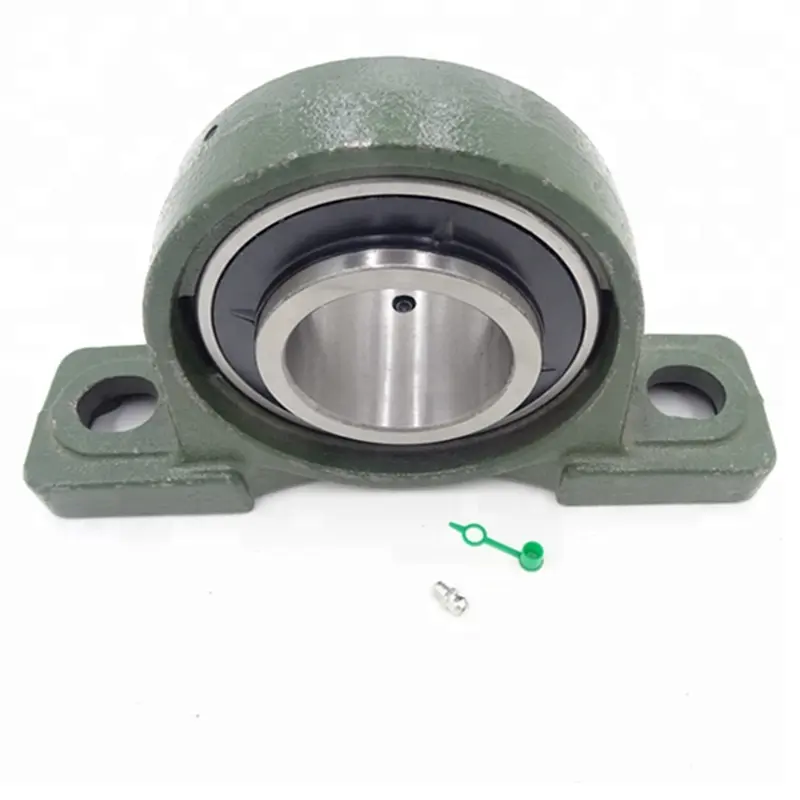
The best seals for dusty environments are triple lip rubber seals1 or labyrinth seals2. Triple lip seals have three contact points against the shaft. Labyrinth seals use a maze-like path that dust cannot easily follow. For housing protection, choose epoxy coating3, zinc plating4, or stainless steel. These materials stand up to fertilizer chemicals.
Breaking Down the Protection Features
I sell different pillow block series for different jobs. Let me explain each protection feature so you can choose wisely.
Seal Types: Which One for Your Dust Level?
Not all dust is the same. Feed dust is fine and dry. Fertilizer dust is corrosive. Grain dust can be explosive. Here is a guide:
| Seal Type | How It Works | Best For | Protection Level |
|---|---|---|---|
| Single lip | One rubber lip touches shaft | Clean indoor conveyors | Low |
| Double lip | Two lips, sometimes with grease between | Moderate dust | Medium |
| Triple lip | Three lips, outer lip acts as flinger | Feed mills, grain elevators | High |
| Labyrinth | Multiple grooves, no contact, grease-filled | Very dusty, high speed | Very high |
I recommend triple lip seals for most feed and fertilizer conveyors. They cost a little more but they work. For extreme conditions like cement or coal dust, go with labyrinth seals. They never wear out because there is no rubber-to-shaft contact.
I had a customer from Russia. His grain conveyor was 200 meters long. Dust was everywhere. He used single lip bearings. They failed in two months. He switched to our triple lip bearings. Now they run for 18 months.
Housing Coatings and Materials
The housing is your first defense against corrosion. Bare cast iron is not enough. Here are the options:
- Epoxy coating: A thick paint-like layer. It resists most fertilizers and moisture. Cheap and effective. We use it on our standard agricultural series.
- Zinc plating (galvanized): A metallic zinc layer. Good for wet conditions. But zinc can react with some acids. Check your chemical.
- Stainless steel (304 or 316): The best for strong chemicals. But it is expensive. Use only for very acidic fertilizers or food-grade washdown areas.
- Nickel-plated cast iron: A middle option. Better than epoxy but cheaper than stainless.
I remember a customer from Brazil. He made organic fertilizer from chicken manure. The manure was very acidic. Epoxy coating lasted only 6 months. He upgraded to nickel-plated housings. Now they last 3 years.
Grease Selection Matters Too
The grease inside the bearing is also part of the protection. For fertilizer plants, use lithium complex grease5 with corrosion inhibitors. For feed mills where food safety matters, use H1 food-grade grease. Standard grease turns acidic when mixed with fertilizer dust. That acid attacks the steel.
Here is a simple selection table:
| Environment | Recommended Seal | Housing Coating | Grease Type |
|---|---|---|---|
| Dry feed mill | Triple lip | Epoxy | Food-grade H1 |
| Wet feed mill | Labyrinth | Zinc plated | Lithium complex |
| Fertilizer plant | Triple lip | Epoxy or nickel | Corrosion-inhibiting |
| Very acidic chemicals | Labyrinth | Stainless steel 316 | Special high-temp |
So do not just buy any pillow block. Ask your supplier for these specific features. At FYTZ, we write the seal and coating type on every box. So you know what you are getting.
Which Bearing Materials and Coatings Resist Fertilizer Chemicals Best?
Fertilizer chemicals do not just attack the housing. They attack the bearing rings too.
The bearing rings and rollers should be made of chrome steel (GCr15) with a special heat treatment. For extreme corrosion, choose stainless steel rings (440C or 316). You can also add a black oxide coating or zinc-nickel coating to standard steel bearings. These coatings create a barrier that chemicals cannot easily pass.
Material Options Ranked by Corrosion Resistance
I have tested many bearing materials in salt spray chambers. I also learn from customer feedback. Let me rank them from basic to best.
1. Standard Chrome Steel (GCr15) – Not Enough
This is the normal bearing steel. It has good hardness and wear resistance. But it rusts easily. In a dry feed mill, it may survive. In a fertilizer plant, it will rust within weeks. I do not recommend GCr15 for any wet or chemical environment. Only use it if the conveyor is completely dry and clean.
2. Chrome Steel with Black Oxide Coating
Black oxide is a chemical conversion coating. It turns the surface dark and adds mild rust protection. It also helps retain oil. This coating is good for humid but not wet conditions. It is cheap. Many of my customers in Indonesia use black oxide bearings for palm oil conveyors. That works because the oil creates a film. But for fertilizer, black oxide is not strong enough.
3. Chrome Steel with Zinc-Nickel Plating
This is a electroplated coating. It is thicker and harder than black oxide. Zinc-nickel can resist salt spray for over 500 hours in lab tests. That is great for fertilizer plants. The coating goes on the rings and rollers. But it adds cost. For heavy-duty corrosive jobs, this is my top recommendation for standard steel.
4. Stainless Steel 440C
440C is a hard stainless steel. It has good corrosion resistance and high hardness (58-60 HRC). It will not rust in fertilizer or feed environments. It also works fine at normal temperatures. The downside is price. Stainless bearings cost 3 to 5 times more than chrome steel. But if your uptime is critical, it is worth it.
5. Stainless Steel 316 (for the rings) + Ceramic Rollers
This is the ultimate solution. 316 stainless has even better corrosion resistance than 440C. But it is softer. So for the rolling elements, you use ceramic (silicon nitride) rollers. Ceramic does not rust and is very hard. This bearing can sit in fertilizer slurry and still spin. But the price is very high. Only use this for special applications like underwater conveyors or extreme chemical exposure.
Here is a comparison table:
| Material/Coating | Corrosion Resistance | Cost Factor | Best Use Case |
|---|---|---|---|
| GCr15 (bare) | Very low | 1x | Dry, indoor only |
| Black oxide | Low | 1.2x | Humid, occasional moisture |
| Zinc-nickel plating | Medium | 1.5x | Fertilizer plants, standard duty |
| 440C stainless | High | 3x | Wet fertilizer, feed washdown |
| 316 + ceramic | Very high | 6x | Extreme chemicals, underwater |
I have a customer in Bangladesh. He runs a feed mill that uses steam cleaning. The steam and water killed his standard bearings. He switched to our 440C stainless pillow blocks. They have been running for 18 months with no rust. He says the extra cost was the best decision he made.
My Practical Advice
For most fertilizer and feed conveyors, I recommend chrome steel with zinc-nickel plating plus triple lip seals and epoxy-coated housings. That combination gives you 2-3 years of life in normal conditions. If your plant is very wet or uses acidic fertilizers, go to 440C stainless.
Do not guess. Send me a photo of your conveyor and tell me what material you move. I will recommend the right bearing. That is what I do for Rajesh and other importers every day.
Conclusion
Special pillow block bearings with strong seals, coated housings, and corrosion-resistant materials keep your conveyor running longer.
-
Explore how triple lip rubber seals can significantly enhance bearing life in harsh agricultural environments. ↩ ↩ ↩
-
Learn about the unique design of labyrinth seals and their effectiveness in preventing dust intrusion. ↩ ↩ ↩
-
Discover the advantages of epoxy coating for housing protection in agricultural settings. ↩ ↩ ↩
-
Find out how zinc plating can enhance the durability of agricultural equipment in wet conditions. ↩ ↩ ↩
-
Explore the importance of lithium complex grease in protecting bearings from corrosion in fertilizer plants. ↩