
Ports and bulk cargo terminals face heavy dust, shock loads, and constant vibration. Many operators struggle with bearing failures that stop production. I see this every day when talking to maintenance teams.
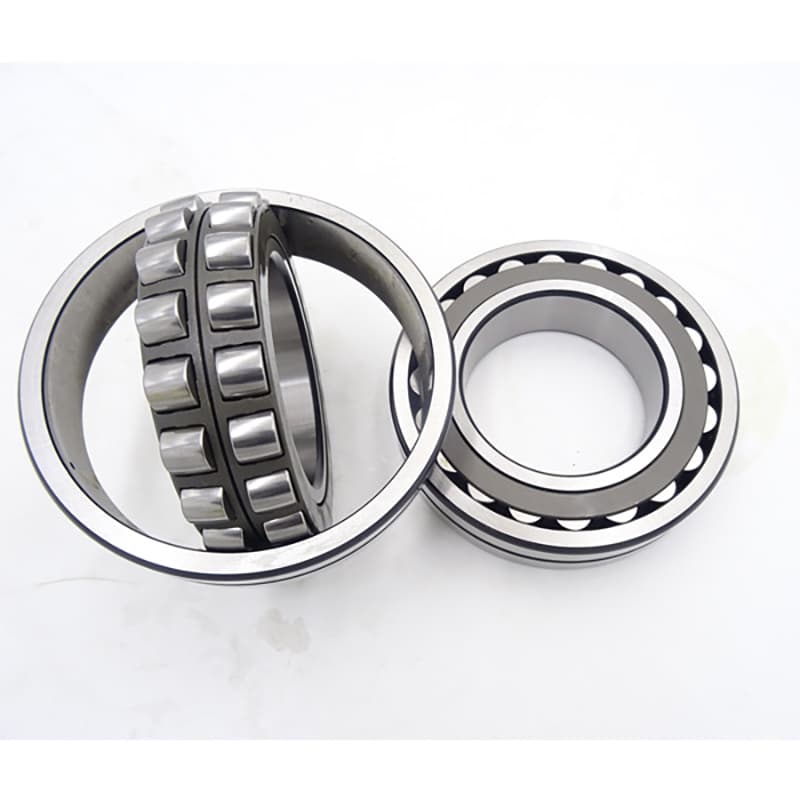
Spherical roller bearings are the best choice for port machinery and bulk handling systems because they handle misalignment, absorb heavy radial and axial loads, and resist harsh contaminants. Their self-aligning design keeps equipment running even when shafts bend or housings shift.
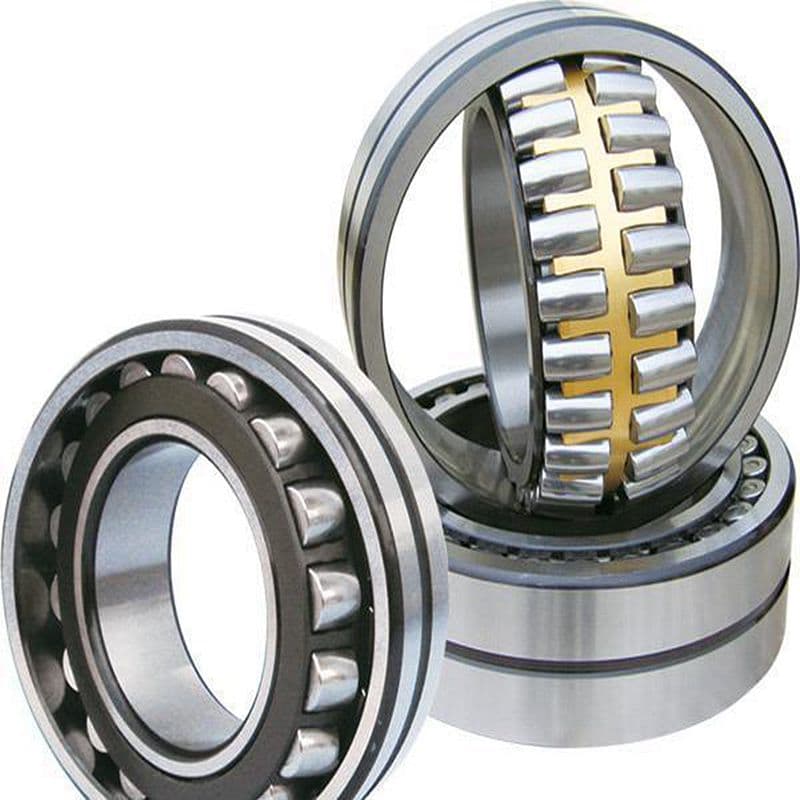
Let me walk you through what I have learned from supplying bearings to ports in India, Indonesia, and Brazil. You will see why these bearings save money and downtime.
What Are the Key Advantages of Spherical Roller Bearings in Port Machinery?
Port machinery works under tough conditions. Cranes, ship unloaders, and stackers face uneven loads. Many bearings fail because of misalignment. That is where spherical roller bearings shine.
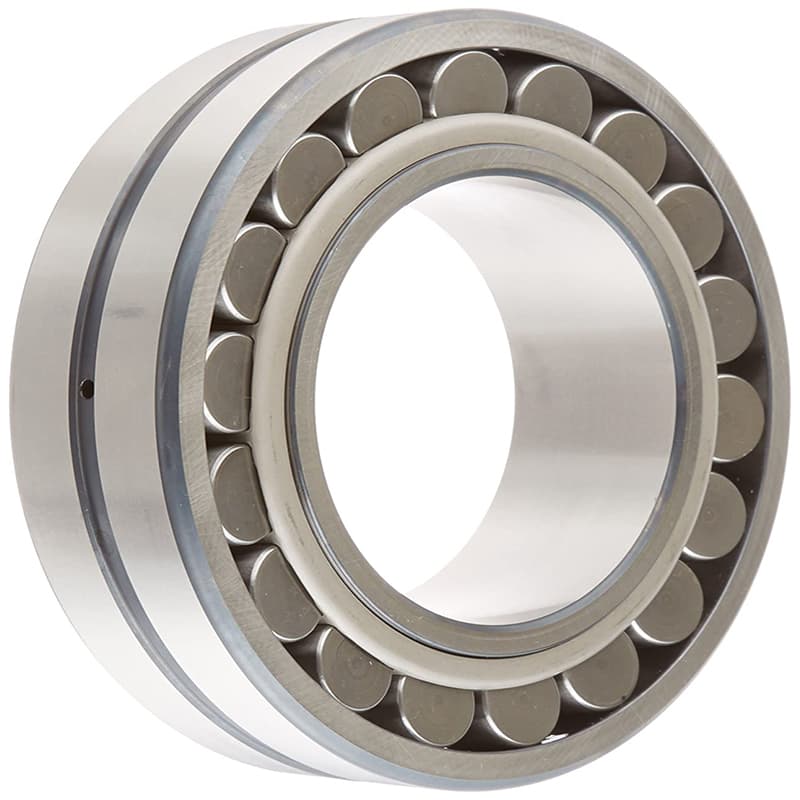
Spherical roller bearings1 can handle up to 2 degrees of misalignment. They also take both heavy radial loads and some axial loads at the same time. This means fewer breakdowns and longer life for your port equipment.
Why Misalignment Matters So Much
Port machinery often gets bent or worn shafts. The ground settles unevenly. Equipment gets hit by cargo. If you use standard bearings, they will fail fast. Let me give you an example.
Last year, a customer in Mumbai had a stacker reclaimer. Its shaft was out of line by nearly 1.5 degrees. Normal cylindrical roller bearings lasted only three months. They switched to our FYTZ spherical roller bearings. The same set is still running after nine months.
Here is a simple table to show the difference:
| Bearing Type | Misalignment Tolerance | Load Capacity (Radial) | Load Capacity (Axial) | Typical Life in Port (Months) |
|---|---|---|---|---|
| Deep groove ball bearing | <0.1 degree | Medium | Low | 2-4 |
| Cylindrical roller bearing | <0.05 degree | High | None | 3-6 |
| Taper roller bearing | <0.1 degree | High | High (one direction) | 4-7 |
| Spherical roller bearing | Up to 2 degrees | Very high | Medium (both directions) | 12-24 |
You can see the clear winner. That is why I always recommend spherical roller bearings for any port application where alignment is not perfect.
Real Loads in Bulk Cargo Handling
Bulk cargo like iron ore, coal, or grain creates shock loads2. A conveyor belt starts and stops. A bucket wheel digs into a pile. These sudden forces break ordinary bearings. Spherical roller bearings have large rollers and strong cages. They spread the force across a wide area.
I remember a cement plant in Vietnam. They used our bearings on a belt conveyor for clinker. The temperature was high, and dust was everywhere. Their old bearings cracked after six months. Our spherical roller bearings with a brass cage lasted two years. The plant manager now buys only from FYTZ.
What Should You Consider When Selecting Spherical Roller Bearings for Bulk Cargo Handling Systems?
Choosing the right bearing is not just about size. You need to match the bearing to your specific machine and environment. Many buyers pick the cheapest option and pay more later.
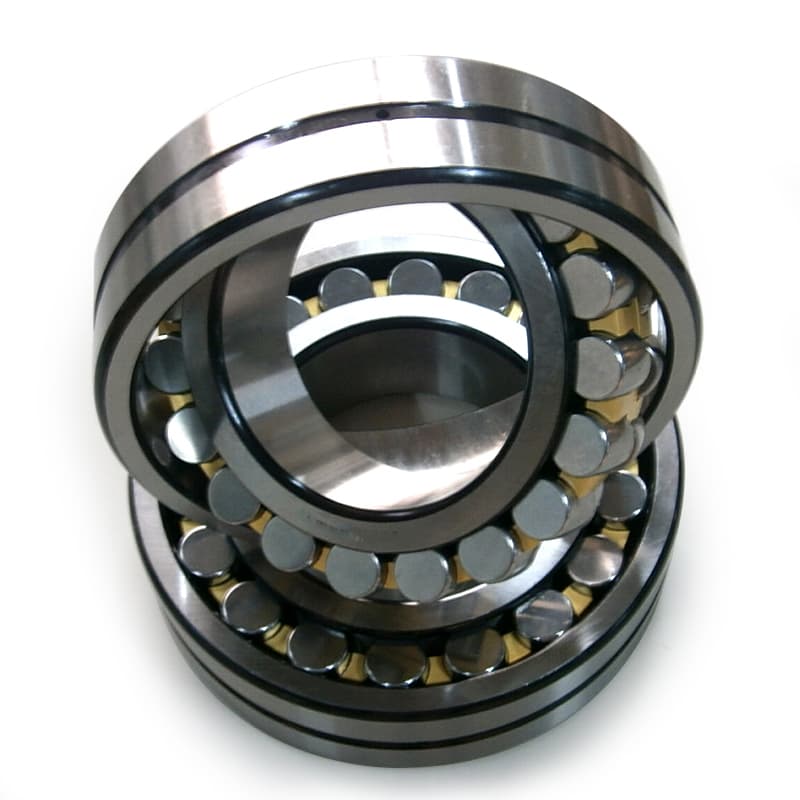
You must check three things: the load rating (dynamic and static), the cage material3 (steel, brass, or polyamide), and the internal clearance4 (C3 or C4 for ports). Also look at sealing and lubrication type.
Load Ratings: Don’t Just Look at the Number
Many bearing catalogs show a high dynamic load rating5 (C). That number helps with fatigue life. But in ports, static overloads happen more often. A sudden jolt can exceed the static load rating6 (C0). If you ignore C0, the bearing will dent.
I tell my customers to calculate the static safety factor. For port machinery, it should be at least 1.5. For shock loads, go to 2.0 or higher. Our FYTZ bearings use high-grade GCr15 steel. We test each batch for hardness and cleanliness. That gives you real safety.
Cage Material: The Hidden Difference
Most people forget the cage. But a broken cage stops everything. In dusty ports, steel cages resist wear better than polyamide. But steel is heavier and can scratch the raceway if lubrication fails. Brass cages are the premium choice. They handle shock, run quietly, and last long.
I have a customer in Egypt who runs a phosphate terminal. They used bearings with polyamide cages. The cages melted from heat and friction. We replaced them with FYTZ spherical roller bearings with brass cages7. No more cage failures after 18 months.
Here is a quick guide:
| Cage Material | Best For | Avoid When | Cost |
|---|---|---|---|
| Steel (stamped) | Low cost, moderate loads | High shock, corrosive dust | Low |
| Brass (machined) | High shock, high temp, dirty environment | Very low speed or budget tight | High |
| Polyamide | High speed, clean environment | High temp (>100°C), abrasive dust | Medium |
For port machinery, I strongly recommend brass cages. The upfront cost is higher. But the total cost per hour is much lower.
Internal Clearance: C3 or C4?
Clearance means the extra space inside the bearing. Port machinery gets hot. Shafts expand. Housings expand at different rates. If you use normal clearance (CN), the bearing may clamp up and seize. You need C3 (increased clearance) or even C4 for very hot or vibrating applications.
In a ship unloader, the bearing near the motor runs cooler than the bearing near the cargo hold. I suggest using C4 for the hot side and C3 for the cool side. This simple trick has saved many of my clients from unplanned stops.
What Are the Common Failure Modes of Spherical Roller Bearings and How Can You Prevent Them?
Even the best bearing will fail if you treat it poorly. I have seen thousands of failed bearings in my factory’s inspection lab. Most failures look the same. But they have different root causes.
The top three failures are: abrasive wear from dust, fatigue spalling from overload, and false brinelling from vibration. You can prevent these with proper sealing, correct load selection, and anti-vibration storage or rotation.
Abrasive Wear – The Dust Killer
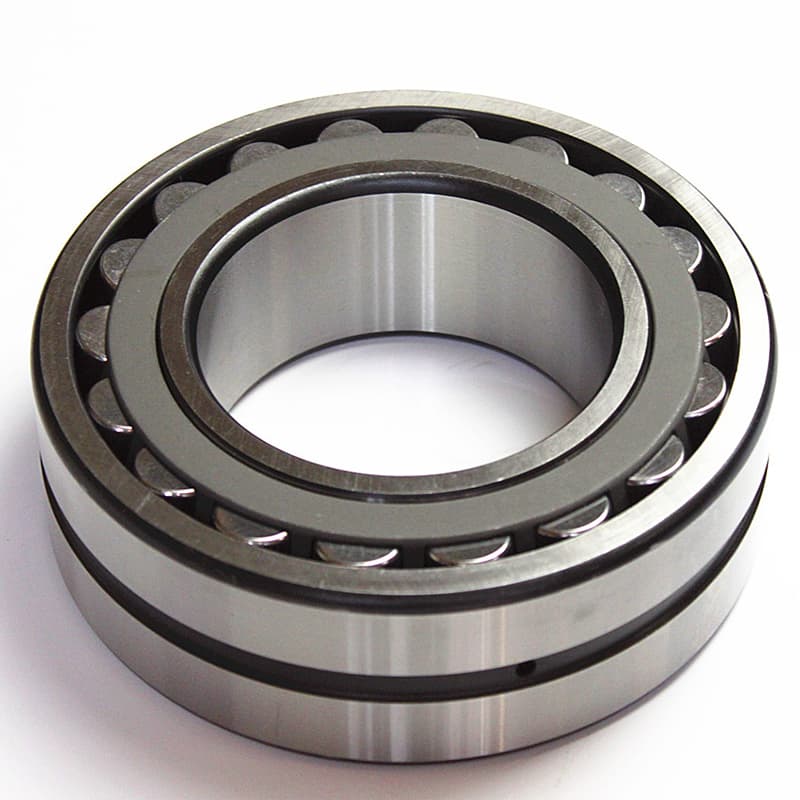
Ports have dust everywhere. Coal dust, iron ore dust, cement dust. These particles get inside the bearing. They act like sandpaper. The raceway and rollers become rough. Then the bearing overheats and jams.
I once visited a grain terminal in Pakistan. Their bearings failed every two months. I opened one. The grease was black with dirt. The raceway had deep grooves. They had no seals on the housing. We installed our FYTZ bearings with contact rubber seals (2RS). We also added a labyrinth seal on the housing. The same bearings ran for 14 months.
How to prevent abrasive wear:
- Use bearings with integral seals (2RS or 2LS)
- Add external labyrinth or felt seals on the housing
- Regrease frequently – every 200 hours in heavy dust
- Use thicker grease (NLGI 2 or 3) with EP additives
Fatigue Spalling – When the Metal Gets Tired
Every bearing has a calculated life. But if you overload it, life drops fast. Fatigue spalling looks like small flakes of metal coming off the raceway. It starts as cracks under the surface. Then the cracks grow and pieces break off.
I remember a Russian customer who used our bearings on a bucket elevator. The elevator moved 500 tons of coal per hour. They thought a 22220 bearing was enough. But the dynamic load rating was 310 kN. The actual load was 450 kN. After six months, spalling appeared. We upgraded them to a 22224 bearing (much higher rating). No spalling after two years.
Prevention steps:
- Calculate the actual load, not the average load
- Use a safety factor of at least 1.5 for dynamic load
- Check the bearing every month with vibration analysis
- Replace bearings when you see the first sign of spalling
False Brinelling – The Vibration Problem
This one tricks many people. The machine is not running. But the bearing still fails. Why? When a machine is parked, vibration from nearby equipment (like another conveyor or a ship engine) makes the rollers move back and forth. They squeeze out the lubricant. Then metal touches metal. Small wear marks appear. These marks grow into pits.
I had a client in Brazil with a ship loader. It sat idle for two weeks. Next to it, a diesel generator ran 24/7. When they started the loader, the bearings made noise. After opening, we saw false brinelling marks. We solved it by rotating the shafts by hand every day. We also switched to a grease with high viscosity and anti-wear additives.
Prevention table:
| Cause | Prevention Method |
|---|---|
| External vibration during storage or idle periods | Turn shafts manually once per shift or use vibration isolators |
| Thin grease film | Use grease with higher base oil viscosity (e.g., ISO VG 220 or 460) |
| Frequent small oscillations (e.g., in a shiploader boom) | Increase preload slightly or use a bearing with tighter internal clearance |
How Can You Optimize Spherical Roller Bearing Performance with Advanced Sealing and Lubrication?
Sealing and lubrication are the two things that make or break bearing life. I have seen bearings last five years in perfect labs. But in a real port, they die in five weeks without good sealing and grease.
Use triple-lip contact seals1 for dusty environments and automatic grease systems for continuous operation. For extreme moisture, add a purge port to push out old grease. Never rely on factory grease alone.
Sealing Solutions – Stop the Dirt Before It Starts
Most spherical roller bearings come open (without seals). You rely on the housing seal. But housing seals often fail. They get damaged during installation. They harden from heat. They crack from UV light.
That is why I often recommend bearings with integrated seals2. FYTZ offers spherical roller bearings with two rubber seals (designation 2RS). These seals touch the inner ring. They keep out 90% of dust. For extreme cases, we have 2LS seals with low friction.
But integrated seals have a limit. They reduce the maximum speed. For port machinery, speed is rarely high. So it is a good trade.
Here is a comparison of seal types for port applications:
| Seal Type | Dust Protection | Moisture Protection | Speed Limit | Cost | Best Use |
|---|---|---|---|---|---|
| No seal (open) | None | None | High | Low | Only in clean rooms |
| Single lip (housing) | Low | Low | Medium | Medium | Dry, light dust |
| Double lip (housing) | Medium | Medium | Medium | Medium | General indoor |
| Labyrinth (housing) | High | Low | High | High | High speed, dry dust |
| Contact rubber (bearing 2RS) | Very high | High | Low | High | Low speed, heavy dust |
For a coal conveyor in Indonesia, I supplied FYTZ 22316 bearings with 2RS seals. The customer also added a grease purge system3. Every week, they pumped fresh grease through a nipple. The old grease pushed out through a small gap. This kept the bearing cavity full of clean grease. No dust entered. The bearings are still going after three years.
Lubrication – More Is Not Always Better
Many people overgrease. That creates heat and churning. The grease breaks down faster. For spherical roller bearings in ports, the right amount is better than a lot.
I use this simple rule: fill 30% to 50% of the free space inside the bearing. For slow speed (under 200 rpm), you can go to 60%. For high speed, keep it under 30%. Overgreasing causes the temperature to rise by 10-20°C. That kills the grease.
What grease should you use? Look for these properties:
- NLGI grade 24 (works in most temperatures)
- Base oil viscosity 150-220 cSt at 40°C
- EP (extreme pressure) additives – look for molybdenum disulfide or calcium sulfonate
- Water resistance – tested with DIN 51807 (rating 1 or 2)
I have tested many greases in our lab. For tropical ports (India, Vietnam, Brazil), a lithium complex grease5 with MoS2 works best. For cold ports (Russia, Turkey in winter), a polyurea grease with low base oil viscosity is better.
Automatic Lubrication Systems – Worth the Cost
If your port runs 24/7, manual greasing is a joke. Workers forget. They use the wrong gun. They miss the nipple. I have seen this too many times.
An automatic greasing system6 costs about $500 to $2000 per bearing point. It pays back in six months. Because one hour of unplanned downtime in a port can cost $10,000 or more.
I installed a single-line progressive system on a stacker in South Africa. The bearings received a small shot of grease every 30 minutes. After one year, we opened one bearing. It looked like new. No dust, no rust, no wear. The customer now specifies auto-lube for all new equipment.
Conclusion
Spherical roller bearings handle port conditions better than any other type. Choose brass cages, C4 clearance, and contact seals. Then add automatic greasing. That keeps your machines moving.
-
Explore how triple-lip contact seals enhance bearing performance in dusty environments, ensuring longevity and reliability. ↩ ↩
-
Learn about integrated seals and their effectiveness in protecting bearings from dust and moisture, crucial for operational efficiency. ↩ ↩
-
Discover the advantages of a grease purge system in maintaining clean grease levels and prolonging bearing life. ↩ ↩
-
Understand the significance of NLGI grade 2 grease in various temperature conditions, essential for optimal bearing lubrication. ↩ ↩
-
Explore the properties of lithium complex grease and its suitability for tropical environments, enhancing bearing performance. ↩ ↩
-
Find out how automatic greasing systems can reduce downtime and maintenance costs, ensuring consistent lubrication. ↩ ↩
-
Discover why brass cages are recommended for high-performance applications in dusty environments. ↩