
Fertilizer plants eat bearings for breakfast. You see rust, corrosion, and sticky dust everywhere. Your equipment stops too often.
Yes, spherical roller bearings can handle fertilizer plant conditions. But only if you pick the right seals, special coatings, and corrosion-resistant grease. Standard bearings fail fast in this environment.

I have supplied bearings to fertilizer plants in Egypt, Brazil, and Vietnam. The failures I see are different from other industries. Let me share what works and what does not.
Why Do Fertilizer Plants Create Unique Bearing Failure Risks?
You think dust is bad. Wait until you meet fertilizer dust. It is not just dirty. It is chemically aggressive and attracts water.
Fertilizer plants have three unique risks: chemical corrosion from ammonia and urea1, hygroscopic dust2 that pulls moisture into the bearing, and high humidity mixed with temperature swings. Standard bearings die within weeks.
The Chemical Attack – More Than Just Rust
Normal rust happens when water meets steel. In a fertilizer plant, you get chemical corrosion. Ammonia, urea, and phosphates react with bearing steel. They create pits and cracks. These cracks grow fast under load.
I remember a customer in Brazil. He ran a urea granulation line. His bearings lasted only two months. The raceways looked eaten away. We switched to bearings with a manganese phosphate coating3. Then they lasted eight months. Still not great, but better.
Here is a table of common chemicals in fertilizer plants and their effect on bearings:
| Chemical | Effect on Bearing Steel | Severity |
|---|---|---|
| Ammonia (NH3) | Causes stress corrosion cracking | High |
| Urea (CO(NH2)2) | Reacts with moisture to form ammonia | High |
| Phosphoric acid | Direct etching of raceway | Very high |
| Potassium chloride | Pitting and chloride corrosion | Medium |
| Sulfuric acid (used in phosphate processing) | Severe pitting | Very high |
If you see any of these near your bearings, you need special protection. Standard grease will not stop the chemical attack.
The Dust That Attracts Water
Here is something most people do not know. Fertilizer dust is hygroscopic. That means it pulls water from the air. When fertilizer dust sits on a bearing housing, it acts like a sponge. It keeps the surface wet all the time. Rust never stops.
I saw this in a Vietnamese fertilizer plant. Their conveyor bearings were covered in white dust. Every night, the dust absorbed humidity. Every morning, the bearing housings were damp. The bearings rusted from the outside in.
The solution is not just sealing. You also need to clean the dust off the housings every day. A simple air blow gun works. Do it at the end of each shift.
Temperature Swings and Condensation
Fertilizer plants often run batch processes. The equipment gets hot during production. Then it cools down at night. This cycle creates condensation inside the bearing housing. Water drips onto the bearing.
One of my customers in Pakistan had this problem. His granulator ran for 16 hours then sat for 8 hours. Every morning, he found water inside the bearing housings. We solved it by adding a breather vent with a desiccant filter. The filter let air in but kept moisture out.
So the unique risks are real. But you can fight them with the right bearing design.
What Makes Spherical Roller Bearings Suitable for Granulation Equipment?
Granulation equipment shakes and pounds. The drums are huge. The loads are uneven. Normal bearings get crushed or misaligned.
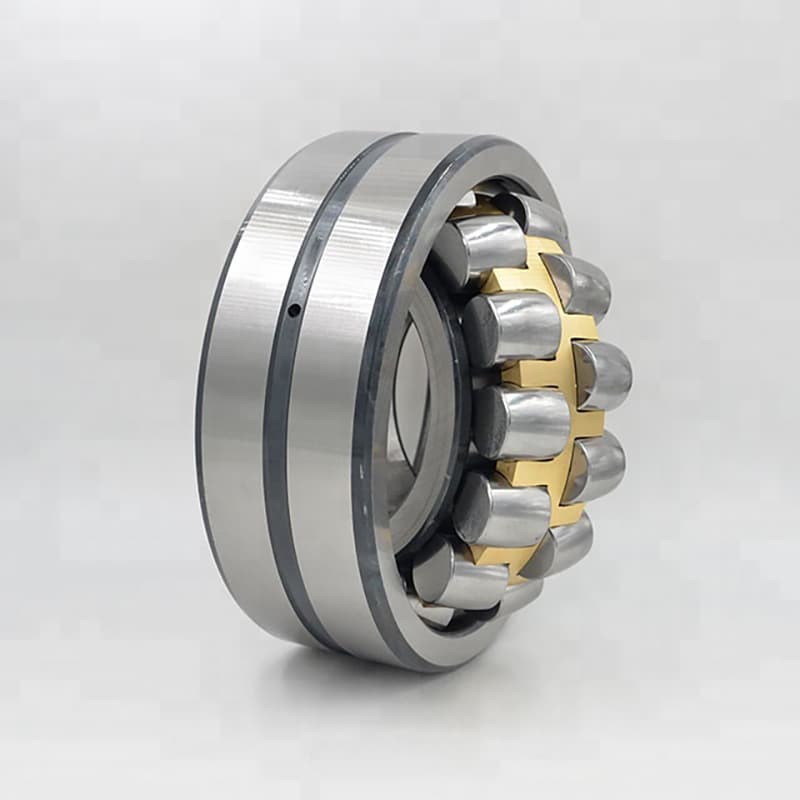
Spherical roller bearings1 handle the heavy radial loads and shaft misalignment common in granulators. Their self-aligning design keeps working even when the drum sags or the frame twists. They also absorb shock loads2 from falling material.
[^3]](https://sdycbearing.com/wp-content/uploads/2025/12/Spherical-Roller-Bearings-8.jpg)
The Misalignment Problem in Granulation Drums
A granulator drum can be 3 meters wide and 10 meters long. It sits on two or four support rollers. The drum is heavy – sometimes 50 tons. Over time, the drum sags. The shaft bends. The frame settles unevenly.
If you use a bearing that cannot align, you get edge loading. The roller digs into the raceway at one corner. That creates high stress. The bearing fails by spalling.
Spherical roller bearings have a spherical outer ring raceway. The inner ring can tilt up to 2 degrees. That means even if the shaft is not straight, the bearing still spreads the load evenly.
I had a customer in India with a double-shaft mixer for fertilizer. The two shafts were out of alignment by 1.2 degrees. He tried cylindrical roller bearings. They failed every three months. We installed FYTZ spherical roller bearings with C4 clearance4. They ran for 18 months. The misalignment did not change. But the bearing tolerated it.
Shock Loads from Falling Granules
Granulators work by tumbling material. Lumps of wet fertilizer fall from height. They hit the drum and the internal scrapers. That creates shock loads. The bearings feel every hit.
Spherical roller bearings have large rollers. The contact area between roller and raceway is big. That means the stress per square millimeter is lower than in a ball bearing or a cylindrical roller bearing. Lower stress means longer life under shock.
Here is a simple comparison:
| Bearing Type | Shock Load Capacity | Misalignment Tolerance | Typical Life in Granulator |
|---|---|---|---|
| Deep groove ball bearing | Low | <0.1° | 1-3 months |
| Cylindrical roller bearing | Medium | <0.05° | 2-4 months |
| Taper roller bearing | Medium | <0.1° (one direction) | 3-6 months |
| Spherical roller bearing | High | Up to 2° | 12-24 months |
You see why spherical roller bearings win.
The Vibration Factor
Granulators vibrate. The vibration comes from unbalanced loads and rotating drums. This vibration causes false brinelling in stationary bearings. That means small dents form where the rollers sit.
Spherical roller bearings handle vibration better than most types. But you still need the right internal clearance. For granulators, I recommend C4 clearance. That gives extra space for the rollers to move without squeezing out the lubricant.
I also suggest using a bearing with a brass cage. Brass is heavier than steel or polyamide. That extra weight helps dampen vibration. And brass does not corrode from fertilizer chemicals as fast as steel.
So spherical roller bearings are a natural fit for granulators. But you must choose the right options.
How to Choose the Right Seal and Lubrication Against Chemical Corrosion?
Seals and lubrication are your first line of defense. In a fertilizer plant, they become your last line too. Because the chemicals will attack everything.
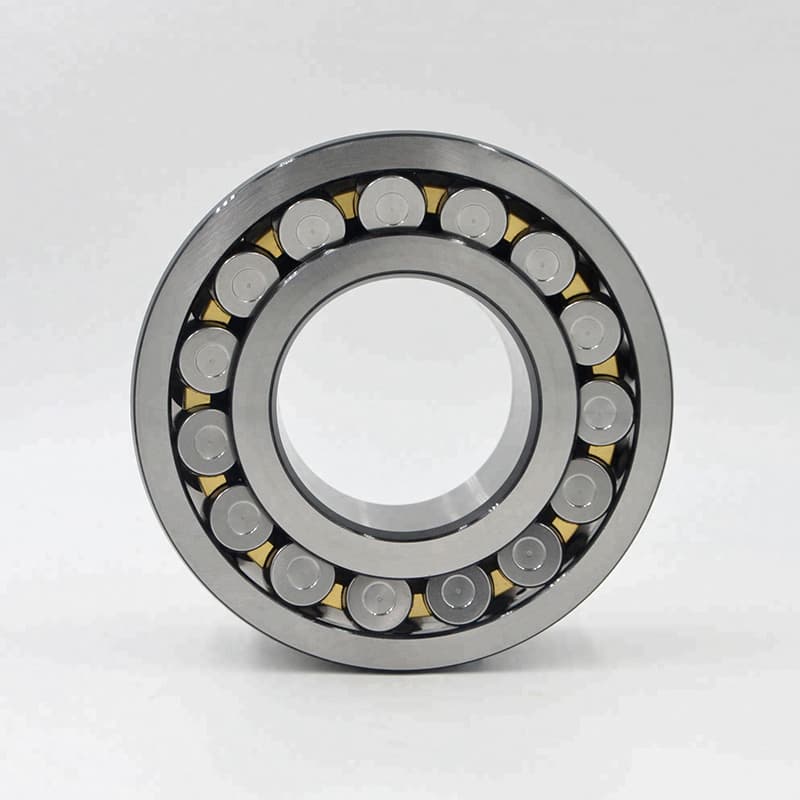
Choose contact seals with fluorocarbon rubber (FKM or Viton) for chemical resistance. Use a grease with calcium sulfonate thickener and high base oil viscosity. Add a purge port to flush out contaminated grease weekly.
Seal Materials – Not All Rubber Is the Same
Most bearings come with NBR (nitrile) seals1. NBR works for oil and dust. But it fails fast in fertilizer plants. Ammonia and urea make NBR hard and brittle. The seals crack. Then dust and moisture enter.
You need FKM (fluorocarbon rubber, often called Viton)2. FKM resists ammonia, acids, and high temperatures. It stays flexible for years.
I learned this lesson from a customer in Egypt. His granulator bearings had NBR seals. The seals cracked after two months. He replaced them with FKM seals from us. Those seals lasted 14 months. The cost difference? About $3 per bearing.
Here is a seal material comparison for fertilizer plants:
| Seal Material | Resistance to Ammonia | Resistance to Acids | Resistance to Heat | Cost |
|---|---|---|---|---|
| NBR (nitrile) | Poor | Poor | Medium (100°C) | Low |
| HNBR | Good | Medium | Good (150°C) | Medium |
| FKM (Viton) | Very good | Very good | Very good (200°C) | High |
| PTFE (Teflon) | Excellent | Excellent | Excellent (260°C) | Very high |
For most fertilizer plants, FKM is the best balance. PTFE is overkill unless you have strong acids.
Grease Selection – The Hidden Hero
Do not use ordinary lithium grease in a fertilizer plant. Lithium grease reacts with ammonia. It breaks down into a soapy mess. Then the bearing runs dry.
I recommend calcium sulfonate grease3. It has excellent water resistance and chemical stability. It also handles high loads. Another good choice is polyurea grease4 with anti-corrosion additives.
Look for these properties in your grease:
- Thickener: Calcium sulfonate or polyurea
- Base oil viscosity: ISO VG 220 to 460 (thicker is better for slow granulators)
- NLGI grade: 2 (or 3 if temperature is high)
- Water washout resistance: Less than 5% loss (ASTM D1264)
- Corrosion protection: Pass the ASTM D1743 test
I remember a fertilizer plant in Bangladesh. They used a cheap lithium grease. Every two months, the bearings seized. We switched to calcium sulfonate grease3 from a good brand. The same bearings ran for 11 months. The grease cost twice as much. But the bearing life went up five times.
The Purge Port Strategy
No seal is perfect. Fertilizer dust will get inside eventually. So you need a way to get it out.
Install a grease purge port5 on the housing. Every week, pump fresh grease in. Let the old grease push out through a small gap. This carries away the contaminated grease and any dirt.
One of my customers in Indonesia does this every Monday morning. He uses a manual grease gun. He pumps until he sees clean grease coming out. His bearing life doubled.
Without purging, the old grease stays inside. It absorbs moisture and becomes acidic. Then it attacks the bearing steel.
So here is my simple rule for fertilizer plants: use FKM seals, calcium sulfonate grease, and purge weekly. Do this, and your spherical roller bearings will last.
What Are the Most Common Failure Modes in Fertilizer Plant Bearings?
I have opened hundreds of failed bearings from fertilizer plants. The failures look different from other industries. You see green or white corrosion. You see cracked cages. You see hardened grease.
The top four failures in fertilizer plants are: chemical corrosion of raceways1, cage fracture from ammonia attack2, grease hardening and loss of lubrication3, and abrasive wear from hard phosphate dust4.
Chemical Corrosion – The Green and White Spots
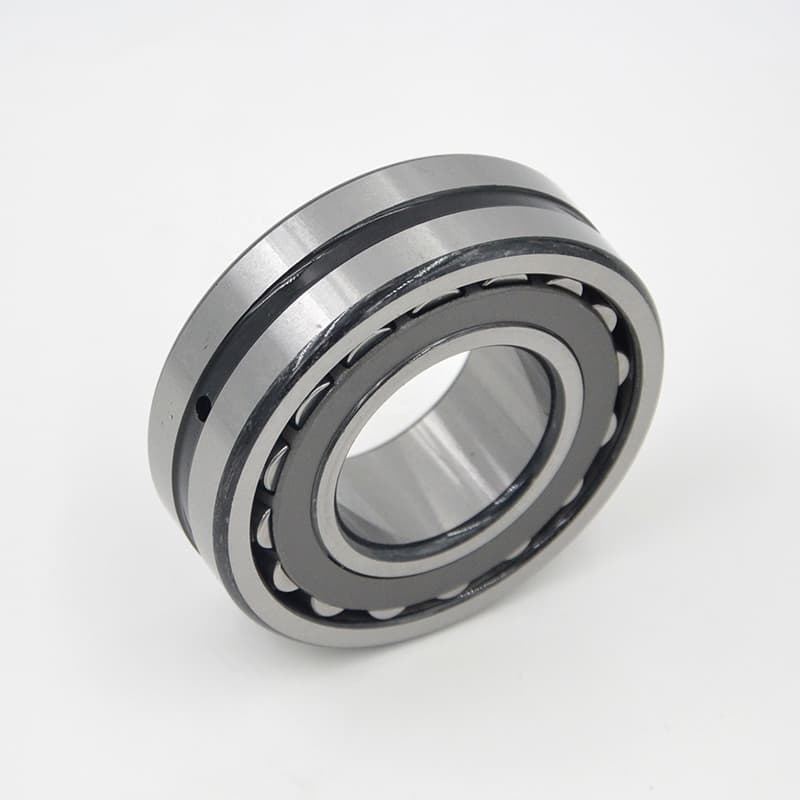
When you open a failed bearing from a fertilizer plant, look at the raceway. If you see green spots, that is copper corrosion from ammonia. If you see white or gray patches, that is phosphoric acid attack.
These spots are not just ugly. They are stress risers. A tiny pit becomes a crack. The crack grows under load. Then a piece of the raceway flakes off. This is called corrosion fatigue.
I saw a bearing from a urea prilling tower in Vietnam. The raceway had green spots everywhere. The bearing had run for only 500 hours. The customer thought the steel was bad. But the problem was the environment. We gave him bearings with a zinc phosphate coating. The coating acted as a sacrificial layer. The next bearing ran 4,000 hours.
How to spot chemical corrosion early:
- Check the grease color. If it is greenish or brown, corrosion is happening.
- Look at the bearing rings. Any discoloration is a warning.
- Measure the bearing vibration. If it goes up without a load change, suspect corrosion.
Cage Fracture – The Silent Killer
The cage holds the rollers apart. In a fertilizer plant, the cage is often the first part to fail. Why? Because ammonia makes steel brittle. This is called hydrogen embrittlement5. The cage cracks. Then the rollers bunch together. The bearing locks up.
Steel cages are the most vulnerable. Brass cages resist hydrogen embrittlement much better. Polyamide cages also resist chemicals, but they cannot handle high heat.
I had a customer in Pakistan with a granulator. He used bearings with steel cages. The cages cracked every four months. We switched to brass cages6 from FYTZ. No cage failures after 18 months. The brass cost 40% more. But the bearing life tripled.
Here is a cage material guide for fertilizer plants:
| Cage Material | Resistance to Ammonia | Resistance to Heat | Impact Strength | Recommended |
|---|---|---|---|---|
| Steel (stamped) | Poor (embrittlement) | Good | Medium | No |
| Steel (machined) | Poor | Good | High | No |
| Brass | Good | Good | Very high | Yes |
| Polyamide | Good | Poor (max 100°C) | Medium | Only for low heat |
For fertilizer plants, I always recommend brass cages. It is worth the extra cost.
Grease Hardening – The Concrete Effect
I have seen grease that turned into a hard wax inside a bearing. The rollers could not move. The bearing skidded and overheated.
This happens when ammonia reacts with the grease thickener. Lithium soaps turn into a hard, crumbly material. The grease loses its ability to flow. Then it cannot lubricate.
The fix is the right grease. As I said earlier, calcium sulfonate grease7 does not harden from ammonia. Polyurea grease is also resistant.
But even with the right grease, you need to change it regularly. Do not let the same grease sit for a year. Purge it out every three to six months.
Abrasive Wear from Phosphate Dust
Phosphate rock dust is hard. It contains silica and other minerals. When this dust gets inside a bearing, it acts like sandpaper. The raceway and rollers get polished smooth. Then the bearing loses its precision. It starts to make noise and run hot.
I remember a phosphate fertilizer plant in Egypt. Their bearings failed every two months from abrasive wear. They used open bearings with labyrinth seals. The dust still got in. We switched to bearings with contact seals (2RS)8 and added external felt seals. The bearing life went to 10 months.
The lesson: in a fertilizer plant with phosphate or potash dust, you need multiple sealing layers. One seal is not enough.
Conclusion
Fertilizer plants kill bearings with chemicals, dust, and moisture. Pick spherical roller bearings with FKM seals, brass cages, and calcium sulfonate grease. Purge often.
-
Understanding the causes of chemical corrosion can help prevent bearing failures and extend equipment life. ↩ ↩ ↩ ↩
-
Learn about ammonia’s impact on bearing materials to make informed choices for better durability. ↩ ↩ ↩ ↩
-
Discover how grease hardening affects lubrication and bearing performance to ensure optimal operation. ↩ ↩ ↩ ↩
-
Explore the effects of phosphate dust on bearings to implement effective sealing solutions. ↩ ↩ ↩
-
Gain insights into hydrogen embrittlement to select the right materials for your applications. ↩ ↩
-
Find out why brass cages are superior in harsh environments and can enhance bearing life. ↩
-
Learn about the advantages of calcium sulfonate grease to improve lubrication in challenging conditions. ↩
-
Understand the role of contact seals in preventing contamination and extending bearing life. ↩