
Your maintenance team swaps the same bearing every two months. That costs you time and money. But most failures come from missing information – not bad parts.
The answer is simple. Before you replace any pillow block bearing, your team must report five things: the bearing ID and mounting details, real operating conditions, observed failure signs, lubrication history, and shaft or housing condition. This checklist stops repeat failures.
I run a bearing factory called FYTZ Bearing in China. I talk to maintenance guys every week – people who are tired of buying the same bearing over and over. One of them, a procurement manager named Rajesh from India, told me his customers keep complaining about short bearing life. When I asked what information they collected before replacement, he said “nothing.” That is the real problem. So let me give you a simple, practical checklist. Use it today.
What Bearing Identification and Mounting Details Must You Report?
You cannot order the right replacement if you do not know what failed. I see this all the time. A guy pulls off a broken bearing and throws it away. Then he calls me and says “send me one pillow block.” That is not enough.
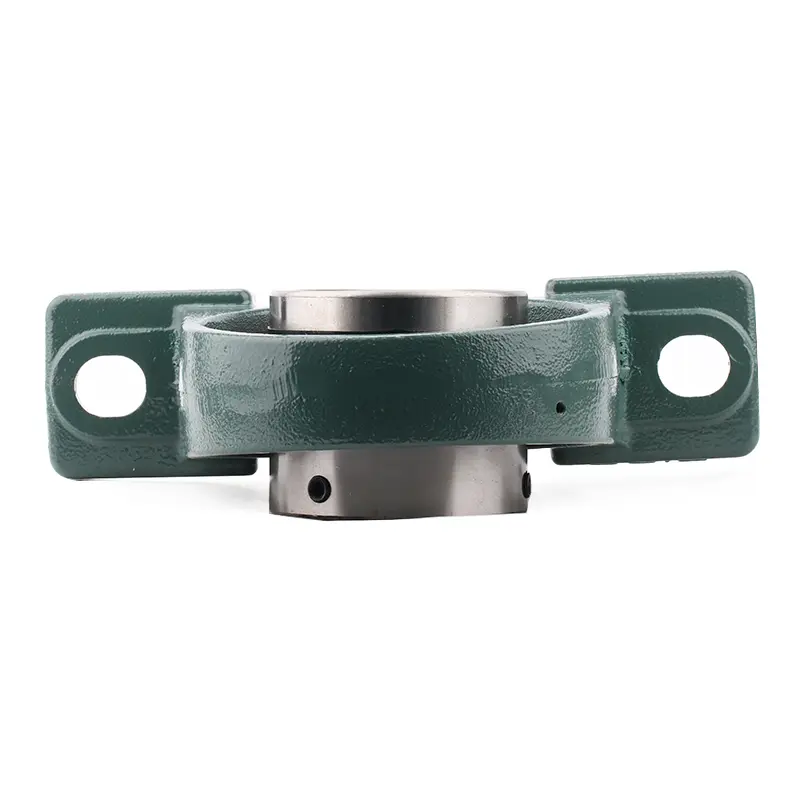
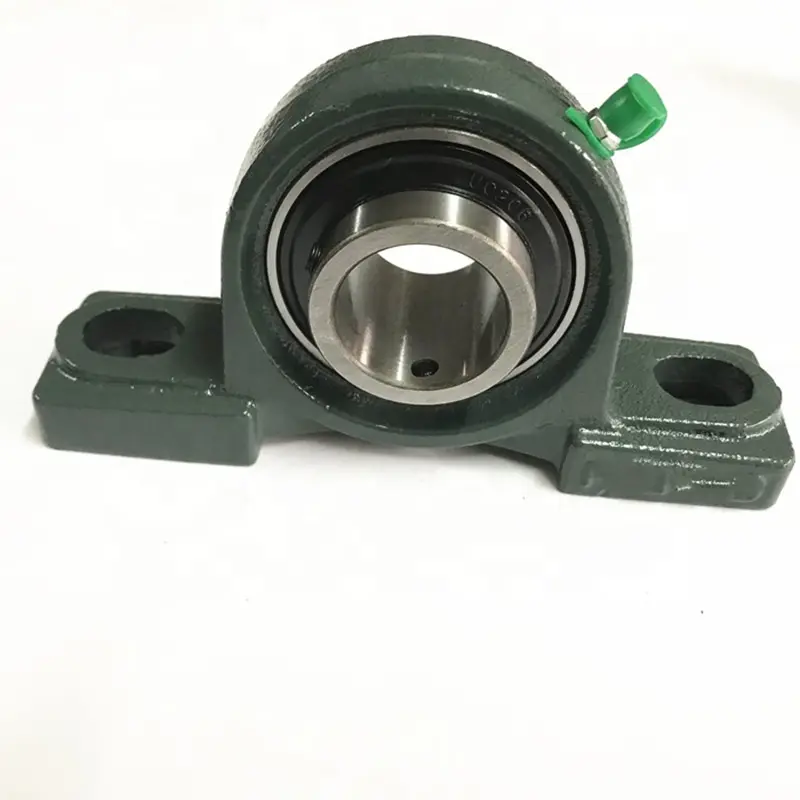
You must report the full part number, the bearing series1 (like UCP or UCF), the bore size2, the housing material3, and how it was mounted – including any adapters or locking collars. Without these details, you will get the wrong part.
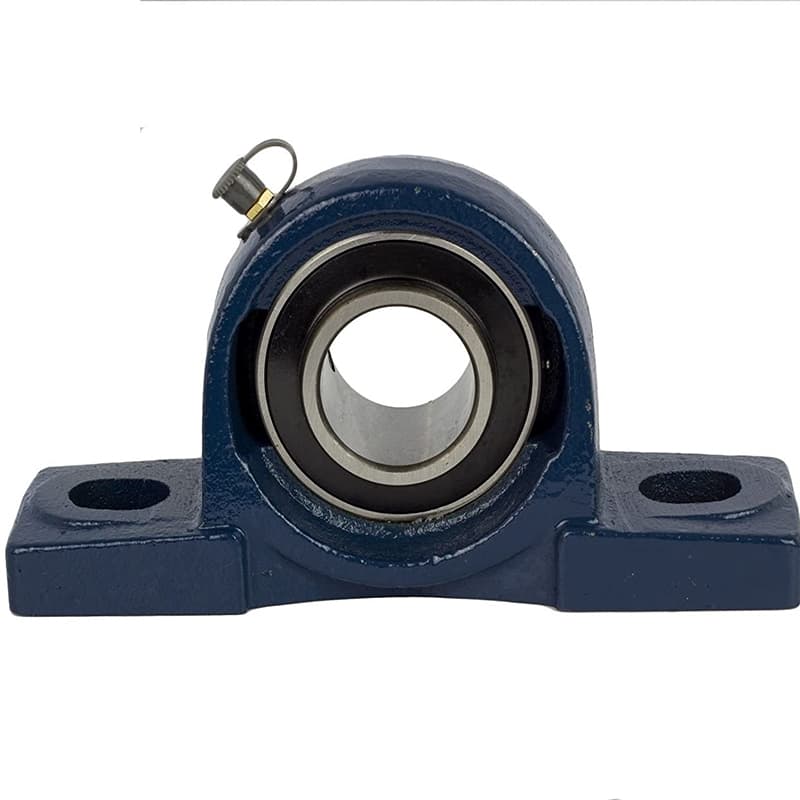
Let me break down what you actually need to write down before you even touch a wrench. Most maintenance teams skip this step because they are in a hurry. But that hurry causes a second failure. I have seen a factory in Egypt replace a UCP210 with a UCF210. They look similar, but the housing bolt pattern is different. The new bearing did not fit. They lost half a day.
So here is a three‑step method to get it right.
Step 1: Read the bearing housing markings
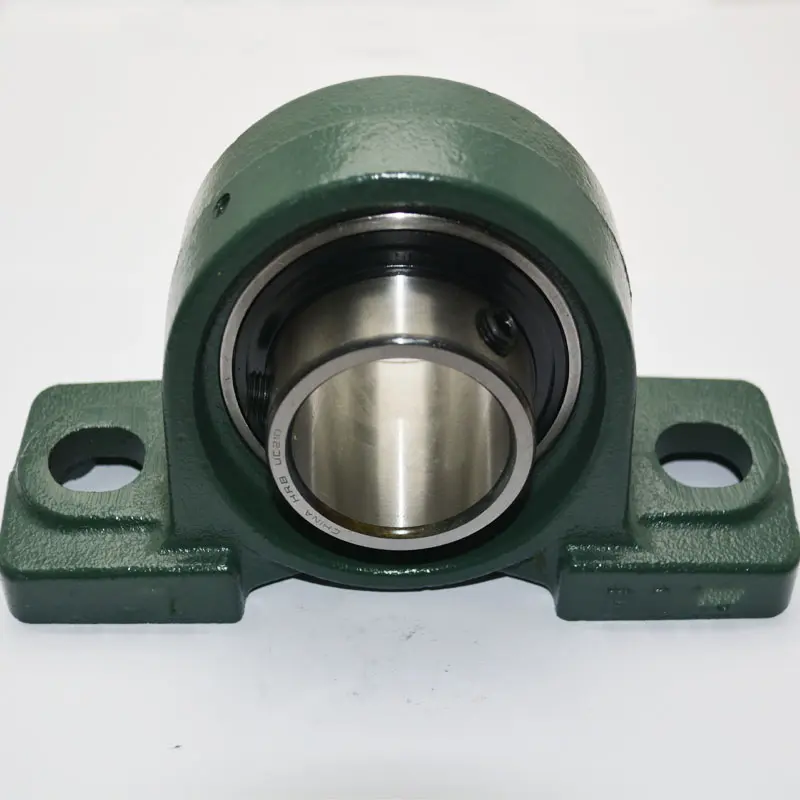
Every pillow block has numbers stamped on the housing or the bearing insert. Look for something like “UCP207” or “F212.” Write it down. Also check the bore size – 20mm, 25mm, 30mm, etc. If the number is worn off, measure the shaft diameter with a caliper.
Step 2: Identify the housing type
There are many styles. Here is a quick table:
| Housing Type | Common Code | Best for |
|---|---|---|
| Pillow block (two bolt) | UCP | General purpose, conveyor belts |
| Flange block (four bolt) | UCF | Mounting on flat surfaces, machine frames |
| Take‑up block | UCT | Tensioning applications like chain drives |
| Round flange | UCFL | Tight spaces, light duty |
Step 3: Check the locking method4
How does the bearing hold onto the shaft? There are three ways:
- Set screw locking – Two screws on the inner ring. Cheap and common, but can damage the shaft.
- Eccentric locking collar – A collar with a set screw. Better for reversing loads.
- Adapter sleeve – For tapered shafts. Used in heavy duty applications.
Write down the locking type too. If you use a set screw bearing on a reverse‑load machine, it will come loose. I have seen that happen in a packaging line in Brazil. The bearing walked off the shaft in one week.
One more thing. Take a photo of the old bearing before you remove it. Show me the photo. I can tell you exactly what you need. That saves time and money. My customers in Turkey do this now. They send me a WhatsApp picture, and I ship the correct replacement the same day.
What Operating Conditions (Temperature, Speed, Load) Should You Note?
A bearing does not fail for no reason. It fails because the working conditions are wrong. But most teams just replace the part and forget to measure the environment.
You must record the housing temperature1, shaft speed (RPM)2, and the type of load – steady, shock, or vibration. Also note if the bearing runs in dust, water, or chemicals. These numbers tell you if you need a special bearing or just a standard one.
Let me be honest. Many maintenance guys do not measure anything. They touch the housing. If it feels hot, they say “it is hot.” But “hot” is not a number. And a number changes everything.
Take temperature. A pillow block bearing normally runs at 60°C to 80°C. If you measure 95°C with an infrared gun, that is a warning. At 110°C, standard grease breaks down. At 120°C, the steel loses its hardness. So you need a high‑temperature bearing with C4 clearance and special grease. Without that measurement, you will buy a standard bearing and it will fail again in two weeks.
Same thing for speed. A standard bearing can handle 3000 to 5000 RPM. But if your machine runs at 8000 RPM, you need a precision bearing (P5 or P6) with a different cage. How do you know? You check the motor nameplate or use a tachometer.
Load is trickier. Most people do not have a load cell on their conveyor. But you can still describe the load. Ask yourself:
- Is the load steady (like a straight belt) or does it bounce (like a rock crusher)?
- Does the shaft get hit with shock loads (like a hammer mill)?
- Is there vibration from other parts?
Write down these observations. Then talk to your bearing supplier. For shock loads, I recommend a spherical roller bearing inside a heavy‑duty pillow block – not a deep groove ball bearing. For steady light loads, a standard ball bearing is fine.
Here is a simple checklist table you can print and use:
| Condition | Normal Range | Red Flag (Upgrade Needed) |
|---|---|---|
| Housing temperature | 60 – 80°C | >95°C or rapid rise |
| Shaft speed (RPM) | Under 3000 | >5000 or variable |
| Load type | Steady, light | Shock, heavy, reversing |
| Environment | Clean, dry | Dust, water, chemicals, salt |
I had a customer in Indonesia. He ran a palm oil press. The bearing got hot – over 100°C – every day. He replaced it every month. After I asked him to measure the temperature, he realized he needed a C4 clearance bearing with high‑temp grease. Now the same bearing lasts eight months. That is the power of writing down one number.
What Failure Signs (Noise, Vibration, Heat) Have You Observed?
You heard the bearing scream before it died. You felt the housing shake. But did you write it down? Most people do not. Then they cannot tell me if the failure was sudden or gradual.
You must report the type of noise (grinding, squealing, rumbling), the vibration level (low, medium, severe), and where the heat came from – the housing, the shaft, or both. These signs point to different root causes like lack of grease, misalignment, or internal damage.
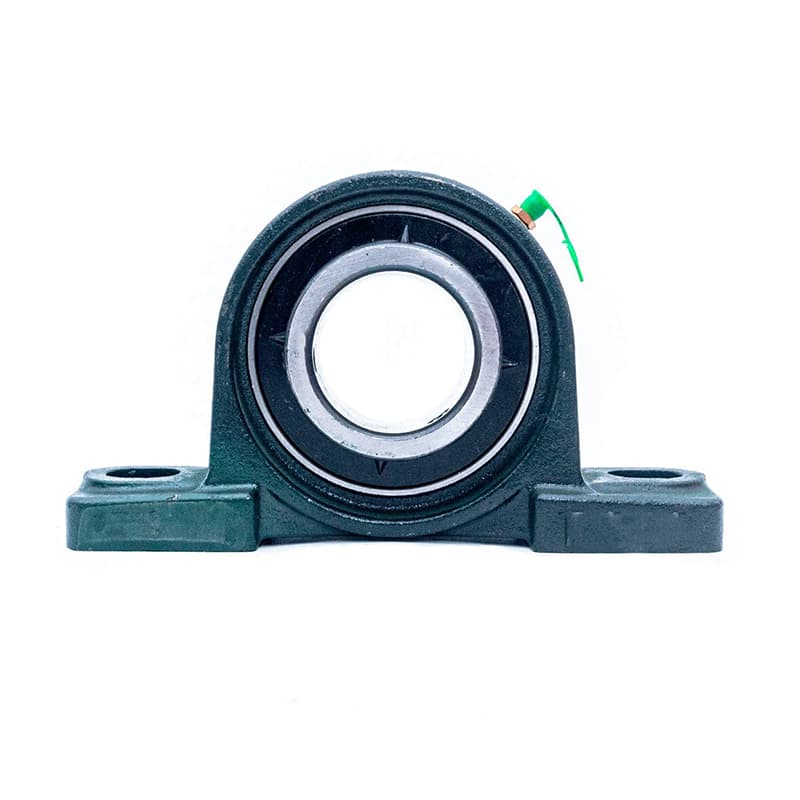
I want you to become a bearing detective. When a bearing fails, it leaves clues. The noise tells you one thing. The vibration tells you another. Together, they point to the real problem. Replace the bearing without reading the clues, and the new bearing will fail the same way.
Let me give you three common failure sounds and what they mean.
Grinding or rumbling noise1
This sounds like rocks inside the bearing. It means the raceway or the balls are damaged. You will see pitting or spalling. The cause is usually fatigue – the bearing reached the end of its life. But it can also be from contamination (dirt got in) or overloading. Solution: upgrade to a higher load rating or add better seals.
Squealing or high‑pitched noise2
This is a dry bearing. There is no grease between the balls and the race. It can also mean the internal clearance is too small. When the shaft expands from heat, it squeezes the bearing. The noise is metal scraping on metal. Solution: add grease first. If the noise comes back, use a C3 or C4 clearance bearing.
Clicking or irregular knocking3
This usually means a broken ball or a cracked race. The bearing is about to lock up completely. Stop the machine immediately. Solution: replace the bearing and check the shaft for damage.
Now let us talk about vibration. You can feel it by hand or measure it with a cheap vibration pen. Write down if the vibration is:
- Constant – maybe an unbalanced shaft or a bent shaft.
- Rhythmic – could be a damaged ball rolling through a pit.
- Random – loose mounting bolts or a worn housing.
And finally, heat. Where is the heat coming from? Use your hand or an infrared gun. If the housing is hot but the shaft is cool, the bearing is the problem. If both are hot, the shaft might be misaligned or there is too much belt tension.
Here is a quick table to match the symptom with the most likely cause:
| Symptom | Most Likely Cause | What To Check First |
|---|---|---|
| Grinding + rough rotation | Spalling / pitting | Open the bearing, look at raceway |
| Squealing + high housing temp | Lack of grease or wrong clearance | Add grease, measure temp again |
| Clicking + vibration | Broken ball or cage | Replace immediately, inspect shaft |
| Rumbling + normal temp | Contamination (dirt) | Check seals, clean housing |
| No noise but very hot | Overload or misalignment | Check load and alignment |
I remember a customer in Vietnam. His fan bearing made a high‑pitched noise every afternoon. He replaced the bearing three times. Finally, he wrote down the time of the noise. It happened only when the outside temperature was above 35°C. That was the clue. The shaft expanded in the heat, and the standard bearing had no room. He switched to a C4 bearing. The noise never came back.
What Lubrication History and Contamination Evidence Do You Have?
Grease is cheap. Bearings are not. But most teams cannot tell me when they last greased a bearing, what grease they used, or if water got inside. That is a big problem.
You must report the last greasing date1, the grease type (brand and base), how much grease you added, and any signs of water, dirt, or old hardened grease. Also note if the seals were damaged or missing. This history tells me if the failure came from poor lubrication or a bad environment.
Let me give you a real example. A maintenance guy calls me and says “the bearing seized.” I ask him when he last greased it. He says “I do not know, maybe last month.” That answer tells me nothing. So I cannot help him.
Good lubrication records are simple. You do not need a computer. Just a paper log near the machine. Write down four things each time:
1. Date of last greasing
Write the actual day. “Last month” is not a date. If you greased it 45 days ago and the bearing failed, maybe the regreasing interval2 is too long. For a high‑speed bearing, you might need grease every week. For a slow bearing, every six months. You only know if you write it down.
2. Grease type and base
Not all grease is the same. Lithium grease is common for normal temperatures. Polyurea grease lasts longer. Calcium sulfonate grease handles water well. If you mix two different greases, they can react and turn into hard soap. That blocks the grease path and kills the bearing. So write down the exact brand and type. I have seen factories in Russia use the wrong grease in cold weather – it turned solid at -20°C. The bearing starved.
3. Amount of grease added
Too little grease causes overheating. Too much grease also causes overheating because the bearing has to push the grease around. A standard rule: add about 10‑15 grams per regreasing for a medium pillow block. But check the manufacturer’s table. Write down how many pumps from your grease gun. One pump is usually 1‑2 grams.
4. Contamination evidence
Look at the old grease that comes out when you add new grease. What color is it? Clean grease is light brown or beige. If it is black, it is oxidized from heat. If it is milky white, there is water inside. If it has metal flakes, the bearing is already failing. Also check the seals. If the rubber lip is torn or missing, dirt can get in.
Here is a simple table you can use as a daily log:
| Machine ID | Bearing Position | Last Grease Date | Grease Brand | Pumps Added | Old Grease Color | Seal Condition |
|---|---|---|---|---|---|---|
| Conveyor #3 | Left side | 2025-03-10 | FYTZ HP‑2 | 12 | Light brown | Good |
| Fan #2 | Motor end | 2025-03-01 | Lithium EP2 | 8 | Black, burnt | Cracked |
| Mixer #1 | Bottom | 2025-02-20 | Food grade | 15 | Milky white | Missing |
If you see black or milky grease, do not just replace the bearing. Fix the root cause. For black grease, shorten your regreasing interval or switch to a high‑temp grease. For milky grease, find the water source – maybe a leaking hose or washdown spray – and add a protective cover.
One of my customers in South Africa runs a rock crushing plant. His bearings failed every two weeks. He sent me a photo of the old grease. It was black and full of sand. The problem was not the bearing. It was the seal. He was using a standard rubber seal in a sandblasting environment. I recommended a triple lip seal with a flinger. He also started logging grease dates. Now his bearings last four months. That is a 800% improvement from just better records and a better seal.
Conclusion
Report bearing ID, operating conditions, failure signs, and lubrication history – then you stop repeat failures and save real money.
-
Understanding the greasing date helps in maintaining optimal bearing performance and preventing failures. ↩ ↩ ↩ ↩
-
Learning about regreasing intervals can optimize maintenance schedules and improve equipment reliability. ↩ ↩ ↩ ↩
-
Identifying the meaning behind clicking noises can save machinery from severe damage. ↩ ↩
-
Exploring locking methods helps in selecting the right bearing for specific applications, preventing failures. ↩