
Your pillow block bearings keep failing too early. That costs you money and downtime. But the next generation of bearings is already here.
The future of pillow block bearings includes built‑in sensors for real‑time condition monitoring, high‑performance polymers that replace metal, sustainable manufacturing processes, and designs that survive extreme heat, dust, and heavy shock loads.
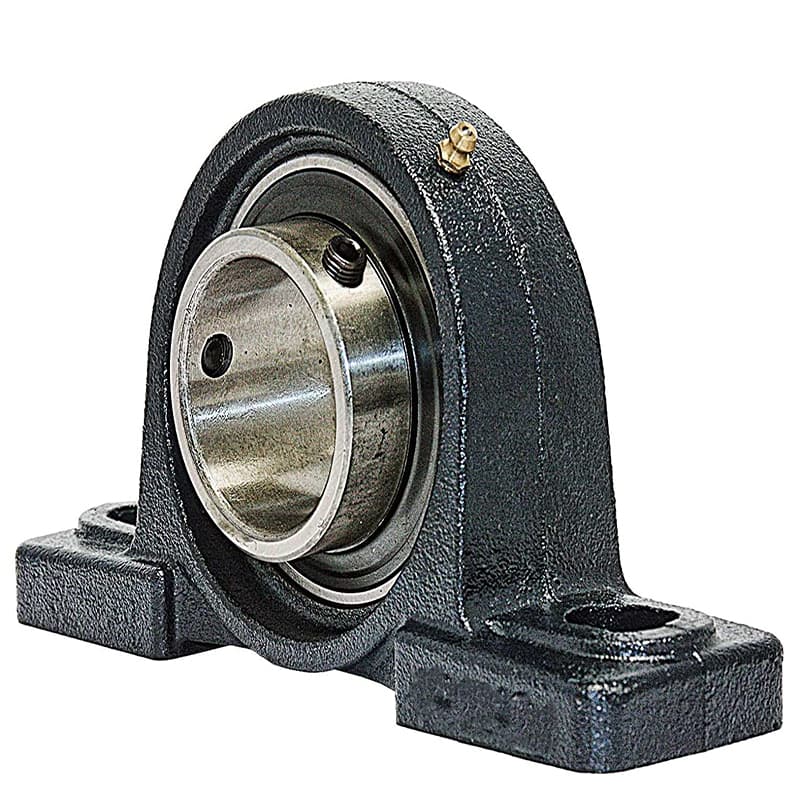
I have worked in bearing manufacturing for over fifteen years. I run a factory called FYTZ Bearing in China. We ship to Turkey, Russia, India, and many other countries. I see what buyers like Rajesh from Mumbai ask for every week. And I can tell you – the old steel‑on‑steel bearing is not going away, but it is getting a major upgrade. Let me walk you through the four biggest changes you need to know.
1. Is Smart Integration Changing How We Monitor Pillow Block Bearings?
You cannot check every bearing every day. So you wait until one screams or breaks. That is expensive and stupid – but smart bearings fix it.
Yes, smart integration1 turns a plain pillow block bearing into a self‑reporting component. Embedded temperature, vibration, and load sensors send data to your phone or PLC, so you replace bearings exactly when needed – not too early, not too late.
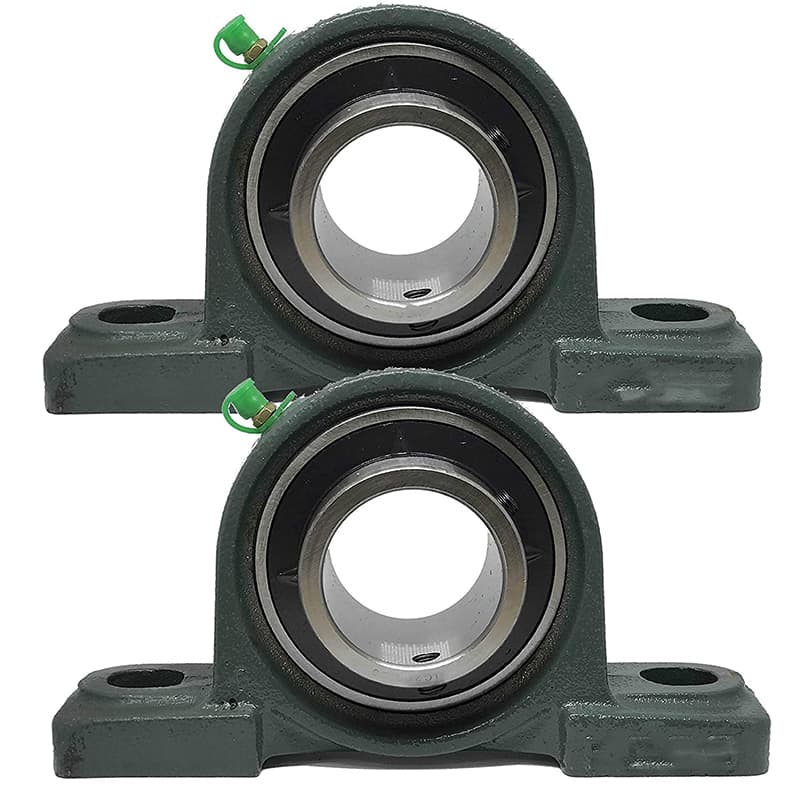
Let me be honest with you. Most factories still run on time‑based maintenance. They change bearings every six months, or every year, or when the machine starts screaming. That method wastes money on parts that still have life, and it also breaks machines when a bearing fails early. I have seen this happen at a customer’s plant in Egypt. They lost two days of production because a bearing died three weeks before the scheduled change.
Smart integration changes the whole game. You add small sensors inside the bearing housing or on the outer ring. These sensors measure three things:
1. Temperature – A normal pillow block runs warm but not hot. When temperature rises fast, it means lubrication is failing or something is misaligned.
2. Vibration – Every bearing has a tiny vibration signature. When that signature changes, you get early warning of a pitting or cracking raceway.
3. Load or speed – Some smart bearings even measure how much force they carry. That helps you balance loads across multiple bearings on a long shaft.
Here is a simple comparison of old vs. new:
| Feature | Traditional Bearing | Smart Integrated Bearing |
|---|---|---|
| Maintenance type | Time‑based or reactive | Condition‑based (predictive) |
| Data output | None (just noise when failing) | Real‑time temperature, vibration, load |
| Replacement trigger | Scheduled date or breakdown | Alert from sensor when threshold crossed |
| Downtime risk | High (unexpected failures) | Low (you plan the replacement) |
| Initial cost | Lower | Higher (sensors + gateway) |
| Total cost over 2 years | Often higher due to lost production | Usually lower |
From my own experience at FYTZ, we now offer smart bearing housings that accept standard sensors. You do not need to buy a whole new machine. You just replace the housing, screw in the sensor, and connect it to a cheap IoT gateway2. One of my customers in Brazil – a food packaging line – cut their unplanned stops by 70% in the first year. That is real money.
The only catch? Your team needs to learn how to read the data. But most modern systems send a simple green‑yellow‑red alert. Green means good. Yellow means plan a stop next week. Red means stop now. Even a busy maintenance guy can understand that.
2. Can High‑Performance Polymers Replace Metal in Pillow Block Bearings?
Metal bearings rust, they need constant grease, and they are heavy. You have fought with seized housings before. Polymers offer a way out.
Yes, high‑performance polymers1 like PEEK2, PTFE composites3, and glass‑filled nylon4 are replacing cast iron and stainless steel in many pillow block applications – especially for food processing, chemical plants, and wet environments.
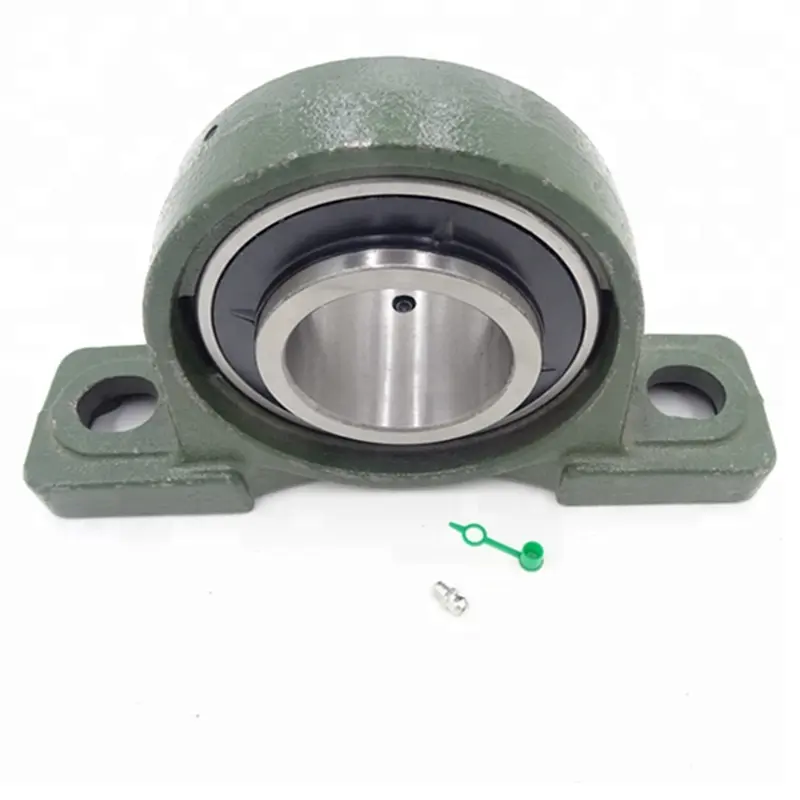
I know what you are thinking. “Plastic bearings? They will melt or crack under real load.” That was true twenty years ago. But modern engineering polymers are not your kid’s toy plastic. They are tough. Let me give you some numbers.
We tested a glass‑filled nylon pillow block against a standard cast iron housing. Both carried the same radial load – about 15 kN. The iron housing weighed 2.8 kg. The polymer housing weighed 0.9 kg. That is a huge difference for a long conveyor belt with fifty bearings. Less weight means less energy to spin the shaft.
But the real win is in wet or corrosive places. Think about a fish processing plant in Indonesia. Every day, workers hose down the line with salt water and cleaning chemicals. Iron bearings last maybe six months before rust locks them solid. A PEEK (polyether ether ketone) bearing housing with a stainless steel insert? It runs for three years. No rust. No extra grease because the polymer is self‑lubricating.
Here are the main polymer types you will see:
- PEEK – Highest performance. Handles up to 250°C. Resists almost all chemicals. Expensive but worth it for critical machines.
- PTFE composites – Very low friction. Good for dry running (no oil or grease). Used in clean rooms and food lines.
- Glass‑filled nylon – Good balance of strength and cost. Works for moderate loads and temperatures below 120°C.
- POM (acetal) – Cheap and stiff. Good for light duty, like packaging machines.
But you need to know the limits. Polymers creep under constant heavy load. If your bearing sits still for weeks under a 20 kN load, a polymer housing might deform. Also, high speed is a problem because polymers do not shed heat as well as metal. For high speed or very heavy shock loads, stick with steel or cast iron.
At FYTZ, we now offer hybrid designs. The housing is polymer. The actual bearing insert is still hardened steel or stainless steel. That gives you the best of both worlds – light, rust‑proof housing with a strong, precise bearing inside. I send these to a customer in Turkey who makes bottling lines for cola. They love them because the machines run wet all day and never seize.
3. Is Sustainability Changing How We Manufacture Pillow Block Bearings?
Your customers are asking for greener products. Your government is tightening carbon rules. But can a simple bearing really go green?
Yes, sustainability is reshaping bearing manufacturing – from recycled steel1 and biodegradable grease2 to energy‑efficient heat treatment3 and fully recyclable housings. It is not just marketing anymore.
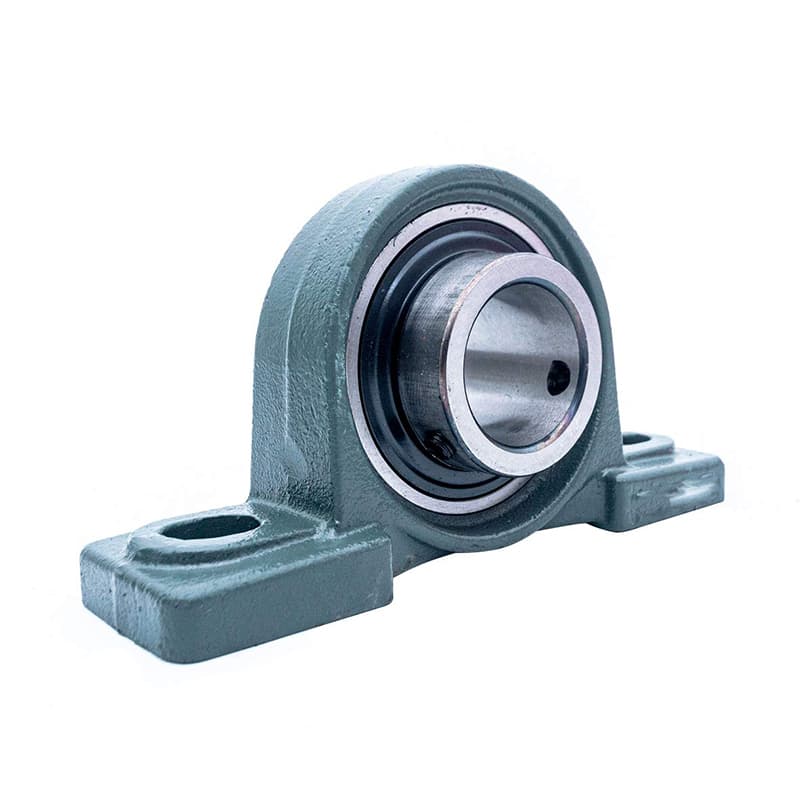
I will be straight with you. For many years, nobody in the bearing industry cared about the environment. We used lots of energy to melt steel. We used toxic cutting fluids. We packed bearings in plastic and cardboard, and then shipped them halfway around the world. But things are changing. Big buyers – especially in Europe and North America – now ask for environmental data.
Take Rajesh, my typical customer from India. He supplies to Indian auto parts shops and repair garages. Those shops do not care about carbon footprint yet. But Rajesh also exports to distributors in the UK and Germany. And those distributors now demand ISO 14001 certificates4 and material declarations. If Rajesh cannot show a green supply chain, he loses the deal.
So what does a sustainable pillow block bearing5 look like? Let me break it down.
Material side:
- Recycled steel for the bearing rings and rolling elements. The steel is just as strong as virgin steel, but it uses 70% less energy to produce.
- Biodegradable grease instead of lithium‑based grease. New ester‑based greases break down in nature if they leak.
- Polymer housings made from recycled nylon or PBT. Some of my competitors now offer 100% recycled content housings.
Process side:
- Induction heat treatment instead of furnace heat treatment. It uses less electricity and runs faster.
- Near‑net shape forging – meaning you make the bearing ring almost to final size in one step, so you waste less steel.
- Water‑based cleaning instead of solvent cleaning. No toxic fumes.
Packaging and logistics:
- Reusable wooden crates instead of single‑use cardboard boxes.
- Paper tape instead of plastic tape.
- Grouping multiple orders into one container to reduce shipping emissions.
Here is a table that shows the old way vs. the new way:
| Aspect | Traditional Manufacturing | Sustainable Manufacturing |
|---|---|---|
| Bearing steel source | Virgin ore | Minimum 50% recycled scrap |
| Heat treatment | Gas furnace (high CO2) | Induction or electric furnace (low CO2) |
| Lubricant | Lithium grease (non‑biodegradable) | Ester‑based biodegradable grease |
| Housing material | Cast iron (recyclable but heavy) | Recycled polymer (light and recyclable) |
| Packaging | Plastic bags + cardboard | Paper + reusable crates |
| Certification | None | ISO 14001, carbon footprint report |
At FYTZ, we started our green shift two years ago. We installed solar panels on our factory roof. We switched to water‑based coolant on our grinding machines. And we now offer a “Green Line” of pillow block bearings with recycled steel and biodegradable grease. The cost is about 8% higher than standard. But my distributor in Germany pays that premium because his customers demand it.
My advice? Do not wait until your biggest customer forces you to go green. Start small. Ask your current supplier if they can provide recycled steel bearings. Test a small batch. Show your own customers that you care. That is a real competitive advantage today.
4. How Do We Design Pillow Block Bearings for Extreme Conditions?
Your machines run in dust, heat, mud, or freezing cold. Standard bearings die fast. So what does a truly tough bearing look like?
Extreme‑condition pillow block bearings1 use special seals, heat‑stabilized polymers or high‑temperature grease, and hardened steel with corrosion‑resistant coatings – plus bigger internal clearances to handle thermal expansion.
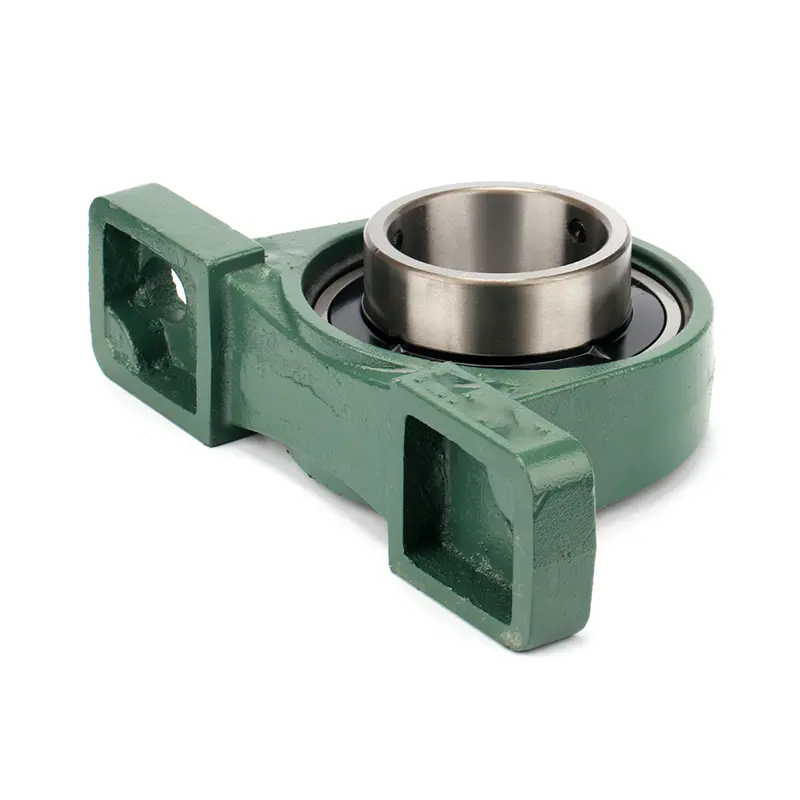
I talk to buyers from all over the world. A guy from Russia needs bearings that work at minus 40 degrees Celsius. A cement plant in Egypt needs bearings that run at 150 degrees Celsius with dust blowing everywhere. A farmer in Pakistan needs bearings that survive mud and rain on an irrigation pump.
A standard pillow block bearing from a cheap supplier will not last a month in those places. I have seen it. One of my customers in Indonesia bought cheap bearings from a trader. The bearings failed after two weeks in his palm oil mill – hot, wet, and full of fibers. He called me angry. I asked him what clearance he ordered. He did not know. That was the problem.
Let me give you the four key design changes for extreme conditions2.
3.1. Internal clearance (C3, C4, or C5)
A standard bearing has “normal” clearance. That is fine for room temperature. But when the shaft gets hot, it expands. The bearing gets tight, then it seizes. For high heat, you need C3 (larger clearance) or even C4. For a furnace door or a dryer roll, use C5. For freezing cold, you actually want normal clearance because the shaft shrinks.
3.2. Seals that actually seal
Most bearing failures come from dirt or water getting inside. A standard rubber seal (2RS) works for clean shops. For a rock crusher or a cotton gin, you need a triple lip seal3 with a flinger. The flinger spins with the shaft and throws dirt away before it reaches the lip. For wet environments, add a grease fitting and purge fresh grease daily. That pushes old grease and water out.
3.3. Special materials for races and balls
Standard chrome steel (GCr15) rusts fast. For wet or chemical environments, use stainless steel (440C or 316). For very high loads and shock, use case‑hardened steel (like 20MnCr5). For high speed with low noise, use ceramic balls (silicon nitride) inside steel races. Expensive but worth it for precision spindles.
3.4. Housing design and coatings
A cast iron housing is fine for most jobs. But for salt water, use stainless steel housing or a thick polymer housing. For very high heat (over 200°C), use cast steel or special heat‑treated ductile iron. Also, you can add coatings – zinc plating, nickel plating, or even DLC (diamond‑like carbon) for ultra‑low friction.
Here is a quick guide for different extreme conditions:
| Condition | Recommended Pillow Block Bearing Features |
|---|---|
| High temperature (150°C – 250°C) | C4 clearance, heat‑stabilized steel, high‑temperature grease (PTFE‑based) |
| Low temperature (below -20°C) | Normal clearance, special low‑temp grease (synthetic oil), no rubber seals (use metal shields) |
| Dusty / abrasive (mining, cement) | Triple lip seal + flinger, hardened raceways, regular regreasing schedule |
| Wet / washdown (food, marine) | Stainless steel races + polymer or stainless housing, food‑grade grease, sealed for life |
| High shock / vibration (crushers, screens) | Heavy‑duty housing with ribs, case‑hardened steel, larger rollers (not balls) |
At FYTZ, we stock pillow block bearings with C3 and C4 clearance for most sizes. We also offer a “severe duty” seal that combines a nitrile rubber lip with a steel flinger. I sent a batch of these to a coal mine in South Africa. The customer used to change bearings every three weeks. After switching to our severe duty design, they changed them every five months. That is not a small improvement. That is a revolution for their maintenance budget.
My final tip? When you order from a supplier like me, do not just say “pillow block bearing.” Tell me your temperature, your dust level, and your humidity. I will pick the right clearance, seal, and grease. That costs almost the same as a standard bearing, but it lasts five times longer. That is how you win.
Conclusion
Smart sensors, new polymers, green manufacturing, and extreme‑duty designs are changing pillow block bearings fast – upgrade now or get left behind.
-
Understanding pillow block bearings can help you choose the right type for your machinery needs. ↩ ↩ ↩ ↩
-
Explore how extreme conditions impact bearing performance to ensure longevity in your applications. ↩ ↩ ↩ ↩
-
Discover the benefits of triple lip seals for protecting bearings in harsh environments. ↩ ↩ ↩
-
Understand the significance of ISO 14001 certification for businesses aiming for sustainability. ↩ ↩
-
Explore the advantages of sustainable pillow block bearings and how they can enhance your product offerings. ↩