
Your sugar mill keeps breaking bearings. The juice gets in. The dust clogs everything. And production stops during the busiest season.
Spherical roller bearings are the best choice for sugar processing because they handle heavy loads, tolerate misalignment, and resist moisture and sugar dust. Their self-aligning design keeps mills running when other bearings fail.
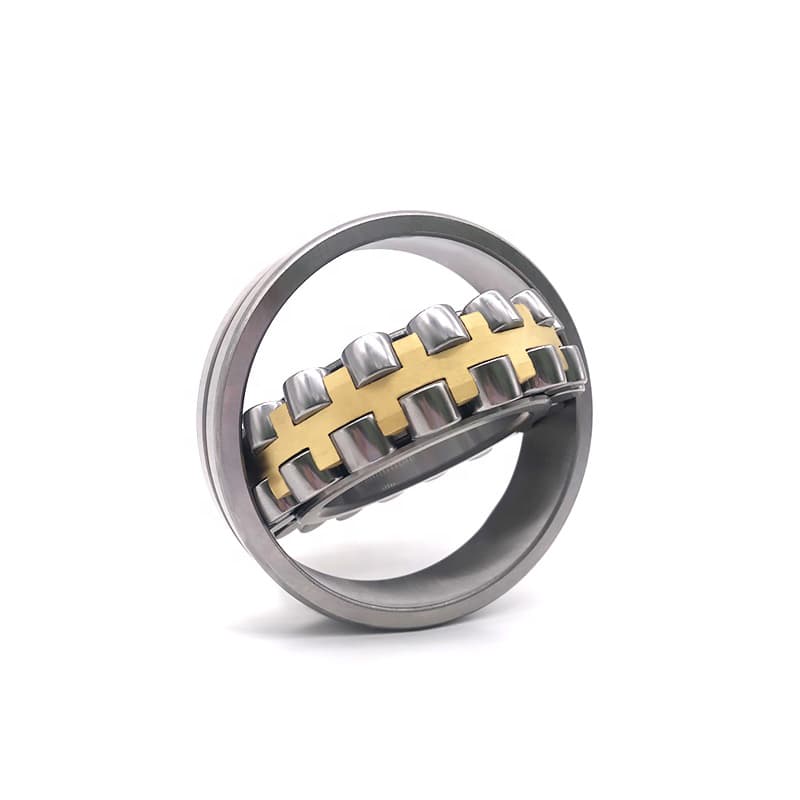
I have worked with sugar mill owners in India, Brazil, and Indonesia. They all face the same pain. Bearings that fail in the middle of crushing season. High repair costs. And long downtime. Let me share what I have learned about keeping sugar mills running with the right spherical roller bearings.
What Makes Sugar Milling So Tough on Spherical Roller Bearings?
You put a bearing in a sugar mill. Then you throw water, heat, and sticky juice at it. That is not a normal job. Most bearings die fast here.
Sugar milling is tough on bearings because of four things: corrosive sugarcane juice, fine abrasive dust, high humidity and washdown water, and continuous heavy loads with shock from uneven cane. All four attack the bearing at the same time.
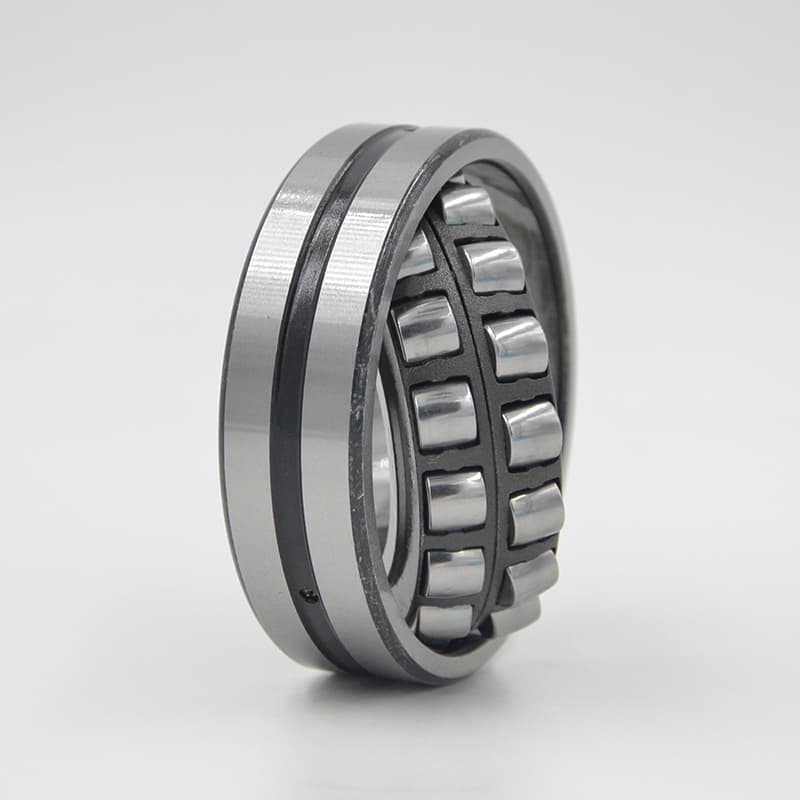
Let me break down each problem so you understand why sugar kills ordinary bearings.
I remember a customer from Brazil. He called me in a panic. His mill had lost three bearings in one week. The factory was losing money every hour. When I visited, I saw the real problem. His bearings were not built for sugar.
Problem 1: Corrosive sugarcane juice1
Sugarcane is full of water and sugar. When you crush the cane, juice sprays everywhere. That juice has a low pH. It is slightly acidic. The acid attacks the bearing steel. It starts rust in just a few days. Rust makes the bearing rough. Then the rollers cannot roll smoothly. The bearing heats up and fails.
But there is another problem. The sugar in the juice crystallizes when it dries. Those crystals are hard and sharp. They get into the bearing. Then they act like sand between the rollers and raceways.
Problem 2: Fine abrasive dust2
Dried sugarcane fiber (called bagasse) turns into dust. That dust is very fine. It gets past cheap seals. Once inside, it mixes with the grease. The grease turns into a grinding paste. I have seen bearings where the raceways looked like they were sandblasted. That damage is permanent.
Problem 3: High humidity and washdown3
Sugar mills are wet places. You have steam from the boiling process. You have water from washing the floors. And you have high humidity all the time. This moisture condenses inside the bearing housing when the mill cools down at night. Then you get water in your grease. The grease breaks down. And rust starts.
Problem 4: Heavy loads and shocks4
Sugar cane is not a smooth material. It comes in big bundles. The mill rollers take heavy shocks when the cane enters the crusher. These shocks travel through the shaft into the bearing. Ordinary bearings crack from these repeated blows. Spherical roller bearings5 have stronger rollers and cages. But even they need the right design.
Here is a summary table of these four problems:
| Problem | What It Does | Result for Bearing |
|---|---|---|
| Corrosive juice | Attacks steel | Rust and pitting |
| Sugar crystals6 | Abrasive particles | Raceway scratching |
| Fine bagasse dust | Contaminates grease | Premature wear |
| High humidity | Water condensation | Grease breakdown |
| Shock loads | Sudden impact | Cage or roller crack |
So now you see why sugar mills need special bearings. Ordinary bearings from a general supplier will not last. You need bearings built for this environment.
How Do Spherical Roller Bearings Handle Sugar Dust and High Humidity?
You might think that no bearing can survive sugar dust and water. But spherical roller bearings have some smart features. They are not perfect. But with the right choices, they can last a full crushing season.
Spherical roller bearings1 handle sugar dust and high humidity through special seals, corrosion-resistant coatings, and proper grease selection. The self-aligning design also keeps the bearing working even when the shaft moves from thermal expansion or heavy loads.
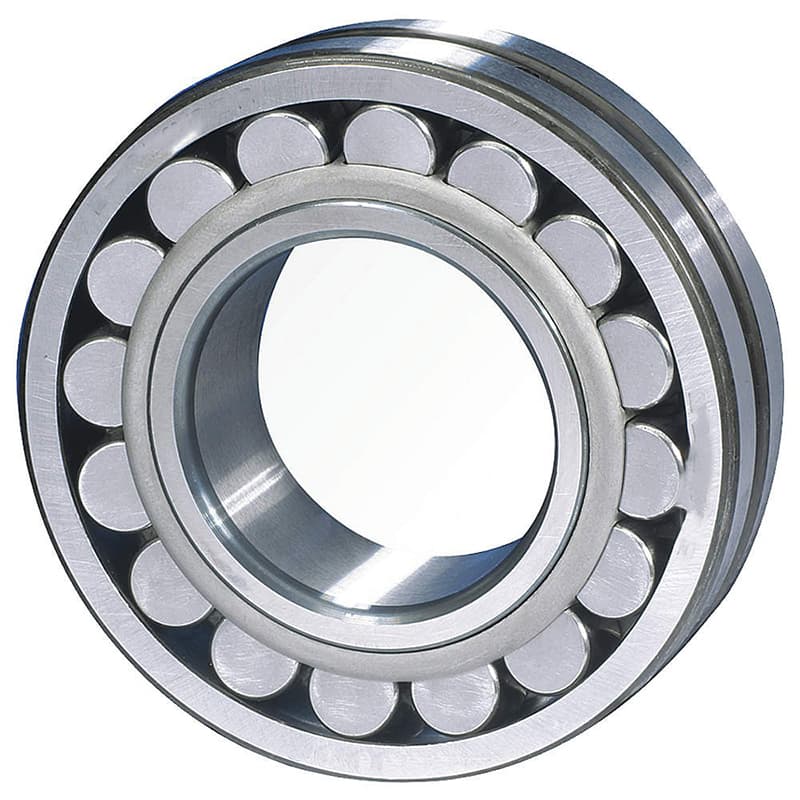
Let me explain how each feature helps you fight sugar mill conditions.
I have supplied spherical roller bearings to sugar mills in Egypt and Pakistan. The ones that last the longest always have three specific features. Let me walk you through them.
Feature 1: Contact seals (RS or 2RS)2
An open bearing will die in a sugar mill within days. You need seals. But not all seals are the same.
- Metal shields (ZZ or 2Z) have a small gap. Dust can get through that gap. Do not use them in sugar mills.
- Rubber contact seals (RS or 2RS) touch the inner ring. They block dust and water much better. The rubber lip wipes the inner ring as it spins. That keeps contaminants out.
The trade-off is friction. Contact seals create more heat. But sugar mills run slow (usually under 500 RPM). So the extra heat is small. The protection is worth it.
For very dirty sugar mills, I recommend double seals (2RS). That means a rubber seal on both sides. Some mills even add an external seal on the housing. That is even better.
Feature 2: Corrosion-resistant coatings3
Standard bearing steel (GCr15) rusts. You need extra protection. Here are the options I recommend for sugar mills:
| Coating Type | Protection Level | Best For |
|---|---|---|
| Phosphate coating | Good | Moderate moisture |
| Manganese phosphating4 | Better | High humidity |
| Zinc plating | Good | Washdown areas |
| Black oxide | Fair | Dry sugar dust only |
| Stainless steel rings | Best | Very corrosive juice |
For most sugar mills, manganese phosphating gives the best value. It adds about 10% to the bearing cost. But it doubles the rust resistance. I have seen phosphated bearings last a full 6-month crushing season with no rust.
For mills with very acidic juice (some Brazilian cane), I recommend asking for stainless steel rings. They cost more upfront. But they save you from changing bearings every month.
Feature 3: Water-resistant grease5
The grease inside the bearing is your last defense. Once water gets in, the grease loses its thickness. It drips out. Then the bearing runs dry.
You need a grease that:
- Has high water washout resistance (test method ASTM D1264)
- Contains rust inhibitors
- Works in your temperature range (sugar mills run 40°C to 80°C)
I recommend lithium complex grease with a base oil viscosity of ISO VG 150 to 220. Add a polyurea thickener for even better water resistance. Do not use simple lithium soap grease. It washes out too fast.
Also, fill the bearing completely with grease. Fill the housing about 60% to 80% of the free space. That leaves less room for water to collect.
How self-alignment helps
Sugar mill shafts get hot. They expand. They also bend under heavy loads. That creates misalignment. A standard bearing would fight that misalignment. It would create stress points. But a spherical roller bearing has a spherical outer ring raceway. The rollers can tilt up to 2 degrees. So the bearing keeps working even when the shaft is not straight.
This feature does not directly fight dust or humidity. But it keeps the bearing running smoothly. And smooth running means less heat. Less heat means less condensation inside the bearing. So it helps indirectly.
Here is a quick checklist for sugar mill bearings:
| Requirement | What to Ask Your Supplier |
|---|---|
| Seal type | 2RS (contact rubber) |
| Coating | Manganese phosphating or stainless steel |
| Grease | Lithium complex, water-resistant, EP additives |
| Grease fill | 100% bearing fill, 60-80% housing fill |
| Internal clearance | C3 or C4 (for thermal expansion) |
So do not just buy any spherical roller bearing. Buy one with these features. Your sugar mill will thank you.
Which Bearing Features Are Critical for Sugar Cane Crusher and Mill Applications?
You already know you need a spherical roller bearing. But not every spherical roller bearing is the same. For sugar cane crushers and mills, some features are critical. Missing even one can cut bearing life in half.
The critical features for sugar cane crusher bearings are: C4 internal clearance1, a brass or steel cage, a special heat stabilization process, a phosphate or zinc coating, and double rubber seals. Also choose a bearing with a higher load rating than standard.
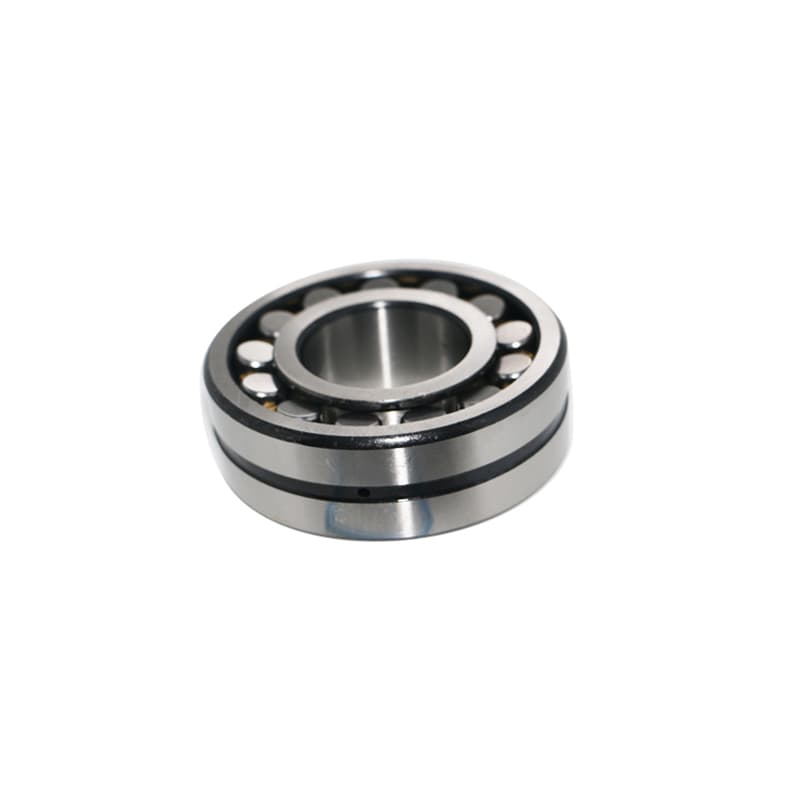
Let me go through each critical feature one by one.
I learned these features from years of sending bearings to sugar mills. I also learned from the failures. When a bearing fails, I ask the customer to send it back. Then I cut it open and look inside. That is how I know what works and what does not.
Critical feature 1: C4 internal clearance
Sugar mill bearings get hot. The shaft gets hot. The housing gets hot. Everything expands. If your bearing has normal (CN) clearance, it will tighten up when hot. Then the rollers cannot move freely. The bearing generates even more heat. Then it seizes.
So you need extra internal clearance. For sugar mills, I recommend C4 clearance. C4 is one step bigger than C3. That extra space allows the bearing to expand without binding.
When should you use C4?
- When the mill runs continuously for days (most sugar mills)
- When the ambient temperature is above 40°C
- When the shaft is long (over 2 meters)
- When the bearing housing is not water-cooled
For small mills with short runs, C3 might work. But I always suggest C4 to be safe.
Critical feature 2: Brass or steel cage2
The cage holds the rollers apart. In a sugar mill, the cage takes a beating. Shock loads from cane entry. Vibration from uneven crushing. And high temperatures.
- Polyamide (plastic) cages soften above 120°C. Some sugar mills get that hot. Also, sugar dust and chemicals can attack polyamide. I do not recommend it.
- Brass cages are strong. They handle shock loads well. They resist heat up to 250°C. And they do not corrode easily. Brass is my top choice for sugar mills.
- Steel cages are even stronger. But they rust. So if you use steel, you must add a coating. Steel cages are also heavier. That creates more centrifugal force. But sugar mills run slow, so that is not a big problem.
I have seen brass cages last for three crushing seasons. Polyamide cages3 in the same mill lasted only one season. So spend a little more on brass. It pays back.
Critical feature 3: Heat stabilization4 (S0 or S1)
Standard bearings are heat stabilized to 120°C. That means the dimensions stay stable up to that temperature. But sugar mill bearings can run at 100°C to 130°C at the inner ring. If you use a standard bearing, the dimensions can change. The clearance becomes unpredictable.
Heat stabilized bearings (called S0 or S1) are treated to handle higher temperatures.
- S0 rating: stable up to 150°C
- S1 rating: stable up to 200°C
For sugar mills, I recommend S0 as a minimum. S1 is even better. Ask your supplier for this. Many standard bearings do not have it. At FYTZ, we offer S0 and S1 on request.
Critical feature 4: Coating on rings and rollers5
I already mentioned coatings for rust protection. But in a crusher application, you also need protection against abrasive sugar crystals. A hard coating like manganese phosphating creates a thin, hard layer. It resists scratching better than bare steel.
Here is a comparison of coating options for sugar mills:
| Coating | Rust Protection | Abrasion Resistance | Cost Increase |
|---|---|---|---|
| None | Poor | Poor | 0% |
| Phosphate | Good | Fair | 5-10% |
| Manganese phosphate6 | Very good | Good | 10-15% |
| Zinc plating | Good | Poor | 8-12% |
| Black oxide | Fair | Poor | 3-5% |
For sugar cane crushers (high abrasion), I recommend manganese phosphate. For mill rollers (high moisture but less abrasion), phosphate or zinc is fine.
Critical feature 5: High load rating7 (not standard)
Sugar cane crushers put very high radial loads on bearings. A standard spherical roller bearing might have a dynamic load rating (C) of 300 kN for a 22218 size. But a heavy-duty version of the same size can have 360 kN. That is 20% more capacity.
How do you get that higher rating?
- Use more rollers (special design)
- Use larger rollers (same bore but different internal design)
- Use better steel and heat treatment
Not every supplier offers this. At FYTZ, we have a "heavy series" for sugar mills. The bearings cost about 15% more. But they last 40% longer in our tests.
So when you order, ask for the actual load rating. Compare it to standard catalogs. A higher number means a stronger bearing for your crusher.
Here is a final checklist for sugar cane crusher bearings:
| Feature | What to Ask For | Why |
|---|---|---|
| Internal clearance | C4 | Handles heat expansion |
| Cage | Brass | Strong, heat resistant |
| Heat stabilization4 | S0 or S1 | Stable dimensions |
| Coating | Manganese phosphate6 | Rust and abrasion protection |
| Load rating | Higher than standard | Longer life under heavy loads |
| Seals | 2RS | Blocks dust and water |
What Is the Best Lubrication Strategy for Bearings in Sugar Processing?
You picked the right bearing. But if you use the wrong grease or the wrong schedule, the bearing still fails. Lubrication is half the battle in sugar mills.
The best lubrication strategy for sugar processing bearings is to use a high-viscosity, water-resistant grease with EP additives1. Then relubricate every 200 to 400 hours2. Also use a centralized grease system3 if possible. And clean the grease fittings before every refill.
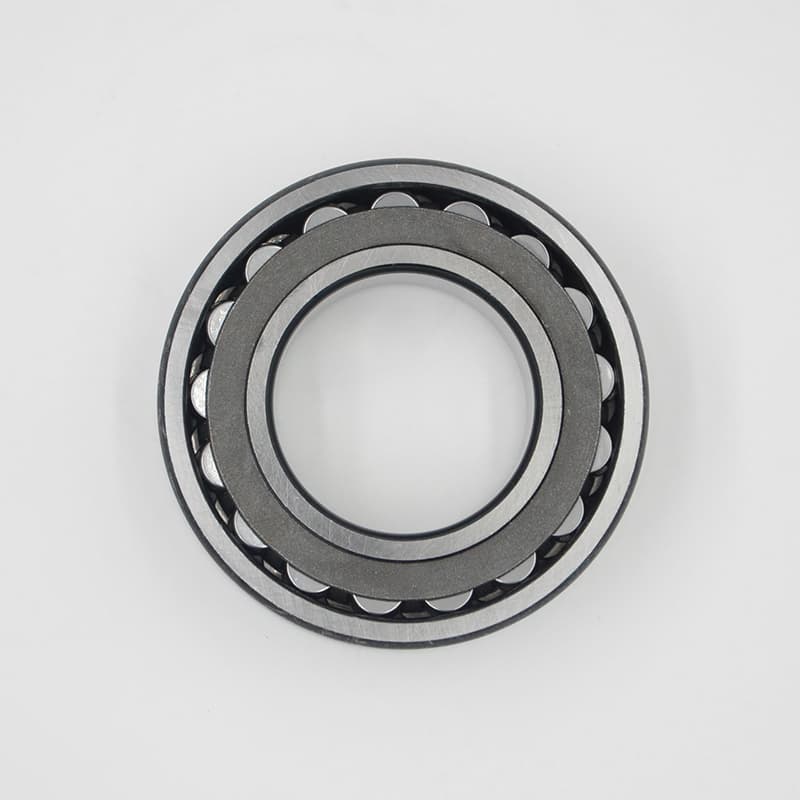
Let me share the exact lubrication plan I give to sugar mill customers.
I learned this from a sugar mill in Indonesia. They were using a cheap grease and relubricating every two weeks. Their bearings lasted only four months. I changed their grease and schedule. The next bearings lasted 14 months. So these details matter.
Step 1: Pick the right grease
Do not use general-purpose grease. Sugar mills need special grease. Here is what to look for:
- Base oil viscosity: ISO VG 220 to 4604. Sugar mills run slow and heavy. High viscosity oil stays thick at high temperatures.
- Thickener: Lithium complex or polyurea. Both resist water better than simple lithium.
- NLGI grade: 2 or 3. Grade 2 is standard. Grade 3 is thicker and stays in place better. Use grade 3 for very wet areas.
- Additives: EP (extreme pressure) additives help with shock loads. Rust inhibitors protect against corrosion.
- Water washout resistance: Look for a rating of less than 10% weight loss in the ASTM D1264 test. Less than 5% is excellent.
I recommend specific greases from major brands. But if you buy bearings from FYTZ, we can supply matching grease. That way you know it works together.
Step 2: Fill the bearing and housing correctly
Too little grease means metal touches metal. Too much grease creates heat from churning. Here is the right amount:
| Component | Fill Percentage | Why |
|---|---|---|
| Bearing interior | 100% | Protects from start |
| Housing free space | 60% to 80% | Leaves room for expansion |
| Empty space (air) | 20% to 40% | Prevents overheating |
For a typical sugar mill bearing (size 22220), that means about 150 to 200 grams of grease total.
Step 3: Set the right relubrication schedule
This is where many mills fail. They wait too long. Or they grease too often but with too little.
For sugar processing bearings, use this table to find your schedule:
| Operating Condition | Relubrication Interval | Amount per Bearing |
|---|---|---|
| Normal sugar mill, 24/7, 80°C | Every 200 hours | 30-40 grams |
| Hot mill (over 100°C) | Every 150 hours | 40-50 grams |
| Wet mill (frequent washdown) | Every 100 hours | 40-50 grams |
| Slow mill (under 200 RPM, clean) | Every 400 hours | 20-30 grams |
One crushing season is about 1,500 to 2,000 hours. That means you need to relubricate 5 to 10 times per season. Mark it on a calendar. Do not skip.
Step 4: Clean before you grease
This is a simple step. But most people ignore it. The grease fitting (nipple) gets covered in sugar dust and dirt. If you put your grease gun on a dirty fitting, you push that dirt into the bearing.
So before every relubrication:
- Wipe the grease fitting with a clean rag
- Pump a small amount of grease out first to clean the nozzle
- Then attach and pump the new grease in
- Wipe away any old grease that comes out of the seal
Step 5: Consider a centralized grease system3
For large sugar mills with many bearings, manual greasing is hard. Workers forget. They use the wrong amount. They miss bearings.
A centralized automatic grease system solves this. It pumps a set amount of grease to each bearing at set times. You just need to refill the main tank every few weeks.
The cost of a centralized system is about $2,000 to $5,000 for a medium mill. It pays for itself in one season. You save on bearing replacements and labor.
Step 6: Monitor the used grease
When you pump new grease in, old grease comes out. Look at that old grease. It tells you a lot.
| What You See | What It Means | What To Do |
|---|---|---|
| Clean, dark grease | Normal | Keep going |
| Milky or watery grease | Water contamination | Shorten relube interval |
| Grease with black specks | Wear particles | Check bearing soon |
| Grease with shiny metal flakes | Bearing failing | Replace bearing |
| Hard, caked grease | Old grease dried out | Flush and relube more often |
I keep a small notebook at the mill. Every time my team greases a bearing, they write down the date and the grease condition. That notebook has saved me from many breakdowns.
Here is a summary lubrication checklist for sugar mills5:
| Task | Frequency | Tool/Material |
|---|---|---|
| Grease selection | Once per season | Water-resistant EP grease, NLGI 2 or 3 |
| Initial fill | New bearing install | Fill bearing 100%, housing 60-80% |
| Relubrication | Every 200 hours (or less) | Grease gun, clean fittings |
| Grease inspection | Every relube | Visual check of expelled grease |
| Centralized system refill | Every 2-4 weeks | Bulk grease |
So follow this lubrication plan. It takes a little more work. But it doubles or triples your bearing life. And in a sugar mill, that means fewer shutdowns and more profit.
Conclusion
Sugar mills destroy ordinary bearings. Use spherical roller bearings with C4 clearance, brass cages, good seals, and water-resistant grease. Relubricate often. Your mill will run the whole season.
-
Explore how this specialized grease can enhance bearing performance and longevity in sugar processing. ↩ ↩ ↩ ↩
-
Learn about optimal relubrication intervals to maximize bearing life and efficiency. ↩ ↩ ↩ ↩
-
Discover the advantages of automated lubrication systems for maintaining multiple bearings effectively. ↩ ↩ ↩ ↩ ↩
-
Understand the significance of viscosity ratings for selecting the right grease for sugar mills. ↩ ↩ ↩ ↩ ↩
-
Get insights into essential tasks for maintaining optimal lubrication practices. ↩ ↩ ↩ ↩
-
Understand how manganese phosphate coatings enhance the durability and performance of bearings in abrasive environments. ↩ ↩ ↩
-
Find out how a higher load rating can significantly improve the lifespan and reliability of bearings in heavy-duty applications. ↩
