
You bought cheap bearings for your light conveyor. Now they squeak, wobble, or fail in six months. Stop guessing – start choosing right.
To choose pillow block bearings for light‑duty conveyor systems, first match the load, speed, and duty cycle. Then pick a polymer or light cast iron housing, use deep groove ball inserts, and choose a set screw locking method for easy installation. Keep it simple and low‑cost.
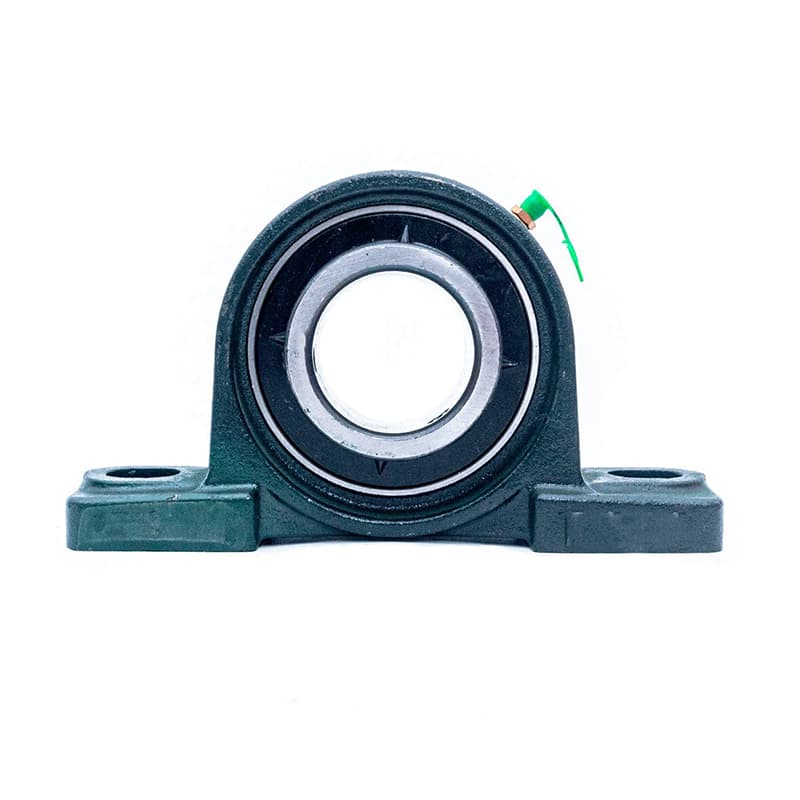
I run a bearing factory called FYTZ Bearing in China. I sell to people like Rajesh in India – he supplies bearings to small repair shops and conveyor builders. His customers often buy the wrong bearing because they think “light duty” means any cheap bearing will work. That is not true. Let me show you a simple way to pick the right one. No engineering degree needed.
1. What Do You Need to Know About Your Conveyor’s Load, Speed & Duty Cycle?
You cannot pick a bearing without numbers. But most people just guess. Then they buy a bearing that is too weak or too expensive. Neither is good.
You need three things: the total weight on the conveyor1 (load), how fast the shaft spins (speed), and how many hours per day the conveyor runs (duty cycle2). For light duty, load is under 500 kg per bearing, speed is under 300 RPM, and duty cycle is less than 8 hours a day.
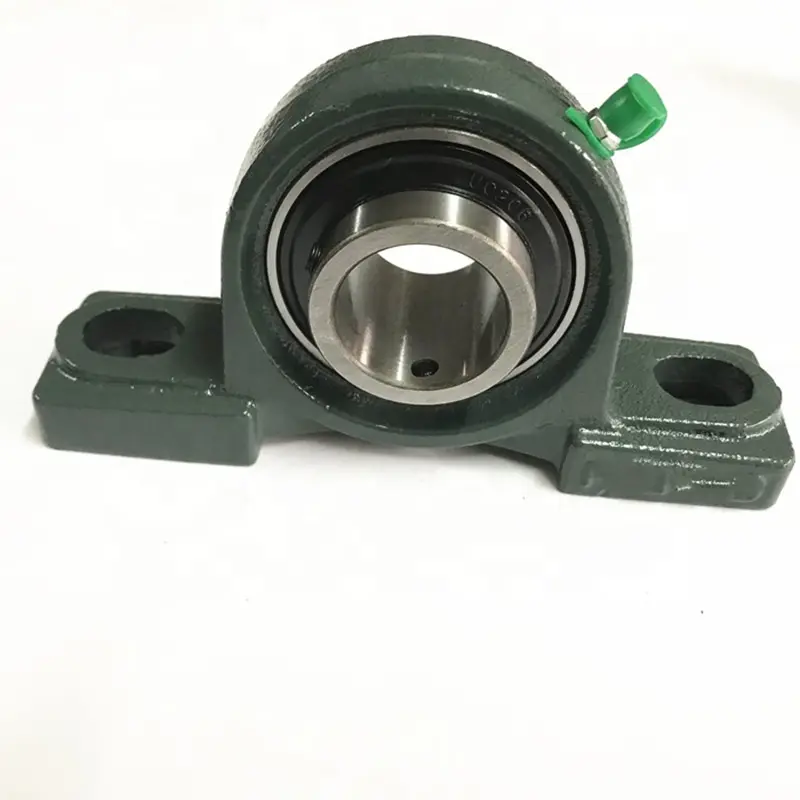
Let me break this down. I talk to customers who say “my conveyor is light duty.” But light duty means different things to different people. For a food packaging line, light duty might be 50 kg on a 1 meter belt. For a small parts assembly line, it might be 200 kg. So do not use words. Use numbers.
Load
The load is the force pushing down on the bearing. For a conveyor, the load comes from three sources:
- The weight of the belt or chain
- The weight of the products being carried
- Any tension from the belt (if it is tight)
A light‑duty conveyor usually has less than 500 kg total load. If you have four bearings on the shaft, each bearing gets about 125 kg. That is very light. A standard 20mm bore pillow block bearing can handle 10 times that. So you have room to spare.
But do not ignore shock loads3. If products drop onto the belt from a height, that creates a short spike of force. Even a light conveyor can get shock loads. For that, add 20% to your load number.
Speed
Speed is how fast the shaft turns. For light‑duty conveyors, speed is usually low – between 50 and 300 RPM. At these speeds, heat is not a big problem. You can use standard grease and rubber seals.
But if your conveyor runs at 1000 RPM or more, that changes things. You need better grease and maybe a steel shield instead of a rubber seal. So always check the motor nameplate or use a tachometer.
Duty Cycle
How many hours per day does the conveyor run? An intermittent conveyor (2‑4 hours a day) is very different from a continuous one (16 hours a day). For light duty, most conveyors run less than 8 hours a day. That means you can use a lower cost bearing with standard grease.
Here is a simple table to help you classify your conveyor:
| Parameter | Light Duty | Medium Duty | Heavy Duty |
|---|---|---|---|
| Load per bearing | Under 500 kg | 500 – 1500 kg | Over 1500 kg |
| Shaft speed | Under 300 RPM | 300 – 1500 RPM | Over 1500 RPM |
| Daily run time | Under 8 hours | 8 – 16 hours | Over 16 hours |
| Recommended bearing type4 | UCP or UCF with ball insert | UCP with heavy ball or roller | Spherical roller or tapered |
I had a customer in Vietnam who made coffee packaging conveyors. He told me his bearings failed after three months. When I asked his numbers, he said “I do not know.” So I visited his shop. His conveyor ran 14 hours a day at 400 RPM, not 200 RPM. He needed a medium‑duty bearing, not a light‑duty one. He switched to our UCP series with a larger ball insert. Now the bearings last two years. So get your numbers first. Then pick the bearing.
2. Which Housing Material Is Better for Light Conveyors: Cast Iron or Polymer?
You see both cast iron and plastic housings on the market. Which one should you pick? The answer depends on your environment – not just the load.
For light‑duty conveyors1 in dry, clean indoor areas, polymer (plastic) housings are lighter and cheaper. For wet, dusty, or hot areas, cast iron is stronger and handles heat better. Polymer works for food lines because it resists washdown chemicals.
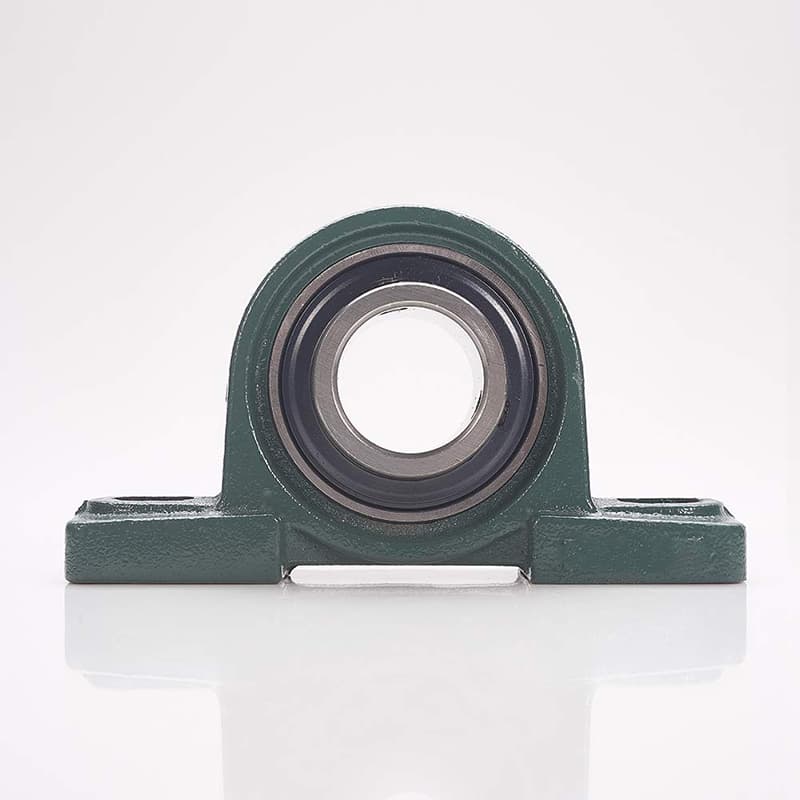
Let me help you decide. I sell both types. I make money from both. So I have no reason to push one over the other. I want you to pick the right one so you come back to me for more.
Cast iron housings2
Cast iron is the old standard. It is strong, stiff, and cheap to produce. It handles high temperatures (up to 300°C) and heavy loads. But it is heavy. A UCP207 cast iron housing weighs about 1.8 kg. It also rusts in wet areas unless you paint it or use stainless steel.
For light‑duty conveyors, cast iron is often overkill. But there are two times when I recommend it:
- Your factory is dusty or has small rocks. Cast iron does not crack from impact like plastic can.
- Your conveyor runs near a heat source (oven, dryer). Cast iron handles 150°C easily. Polymer starts to soften at 100°C.
Polymer housings3
Polymer (glass‑filled nylon or PBT) is newer. It is light – about 0.6 kg for the same size. It never rusts. It resists many chemicals. And it is often cheaper than cast iron.
For light‑duty conveyors, polymer is my first choice in many cases:
- Food processing lines. Polymer housings3 survive daily washdown with soap and water.
- Packaging lines. They are quiet and do not need paint.
- Portable conveyors. Light weight matters when you move the machine around.
But polymer has limits. It can creep under constant heavy load. It cracks if you drop it. And it does not handle high heat well. So do not use polymer near a 200°C oven.
Here is a comparison table to help you choose:
| Feature | Cast Iron Housing | Polymer Housing |
|---|---|---|
| Weight | Heavy (1.5 – 3 kg) | Light (0.5 – 1 kg) |
| Rust resistance | Poor (needs paint) | Excellent |
| Max temperature | 300°C | 100 – 120°C |
| Impact resistance | Good | Fair (can crack) |
| Chemical resistance | Good with paint | Very good (nylon/PBT) |
| Cost | Low to medium | Low (often cheaper) |
| Best for | Dry, hot, dusty areas | Wet, clean, food areas |
One of my customers in Indonesia makes noodle packaging lines. The factory is wet and steamy all day. He used cast iron housings. They rusted in three months. He switched to our polymer housings. They have been running for two years with no rust and no failure. That is a real win.
So ask yourself: Is my conveyor in a wet or clean area? If yes, buy polymer. Is it dry but hot? Buy cast iron. Simple.
3. Should You Use Ball or Roller Bearing Inserts for Light Loads?
Some people think roller bearings1 are always better because they are stronger. That is wrong for light‑duty conveyors. Roller bearings cost more and make more noise. They are not needed.
For light‑duty conveyors, always use deep groove ball bearing inserts2. They are cheap, quiet, and fast enough. Roller bearings are for heavy loads and shock. You do not need them for a light conveyor.
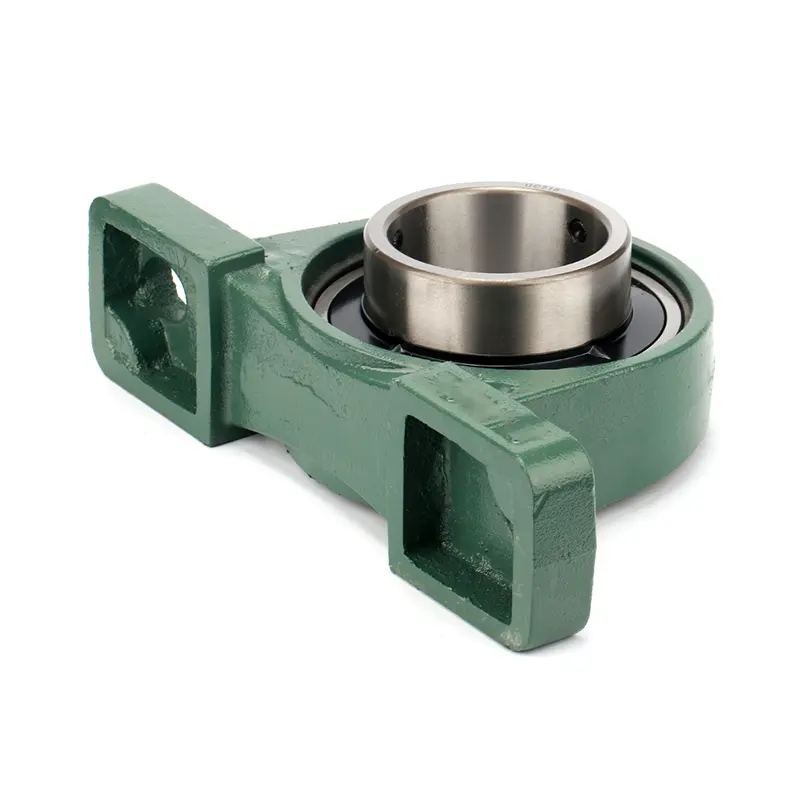
Let me explain the difference. A ball bearing has small steel balls between the inner and outer rings. It rolls easily. A roller bearing has cylindrical rollers. It handles more weight but creates more friction.
For a light‑duty conveyor, your load is small. A ball bearing can easily handle it. For example, a standard 6204 ball bearing (20mm bore) has a dynamic load rating of about 12,800 N. That is roughly 1,300 kg. Your light conveyor only puts 100‑200 kg on each bearing. So you have a safety factor of 6 to 10 times. That is plenty.
So why do people buy roller bearings? Three wrong reasons:
- “Rollers are stronger so they last longer.” Not true. A ball bearing that is properly sized lasts just as long.
- “My friend told me to use rollers.” Your friend might have a heavy application. Not yours.
- “I found a cheap roller bearing online.” Cheap rollers are often low quality. A good ball bearing is better.
There are two times when you might consider a roller bearing for a light conveyor:
- The conveyor has frequent shock loads. For example, heavy boxes drop onto the belt from a height. The roller bearing’s line contact handles shock better.
- The shaft is very large (over 50mm) and the load is moderate. Roller bearings are more common in larger sizes.
But for 90% of light‑duty conveyors, a deep groove ball bearing is the right choice. It is quieter, spins faster, and costs less.
Here is a quick comparison:
| Feature | Deep Groove Ball Bearing | Cylindrical Roller Bearing |
|---|---|---|
| Load capacity for same size | Medium | High |
| Speed capability | High | Medium |
| Noise level | Low | Higher |
| Cost | Low | Medium to high |
| Tolerance to misalignment | Poor (needs good alignment) | Very poor |
| Best for | Light loads, high speed, low noise | Heavy loads, low speed, shock |
At FYTZ, we sell both types. But when a customer like Rajesh asks for a light‑duty conveyor bearing, I always recommend our UCP series with a 6200 or 6300 series ball insert. It is proven. It is cheap. And it works.
I had a customer in Brazil who built small conveyors for bakeries. He used roller bearings because he thought they were better. But his customers complained about noise. The bearings were overkill and noisy. I sent him samples of our ball bearing pillow blocks. He tested them. The noise dropped by half. And he saved 30% on cost. He never went back to rollers.
So save your money. Use ball inserts for light conveyors.
4. Which Mounting Type and Shaft Locking Method Are Easiest for Installation?
You want to install the bearing fast and keep it simple. Some locking methods need special tools. Others are one‑minute jobs. For light duty, choose the easiest one.
For light‑duty conveyors, use a pillow block (UCP) or flange block (UCF) with set screw locking. Set screws are cheap, easy to install, and strong enough for light loads. Avoid adapter sleeves – they take too long to install.
[^1] pillow block bearing installation on conveyor shaft](https://sdycbearing.com/wp-content/uploads/2025/12/Pillow-Block-Bearing-2.jpg)
Let me walk you through the mounting options. When you buy a pillow block bearing, you get two decisions: the housing shape and the shaft locking method.
Housing shape for light conveyors
The two most common shapes are:
- UCP (pillow block)2 – Two bolt holes. The bearing sits on a flat base. Best for horizontal shafts on conveyor frames.
- UCF (flange block) – Four bolt holes. The bearing mounts flat against a vertical surface. Good for the end of a conveyor where space is tight.
For a simple light‑duty conveyor, UCP is usually the answer. It is stable and easy to align. UCF is for when you need to mount the bearing on the side of a machine frame.
I recommend UCP for most light conveyors. It is the standard for a reason.
Shaft locking method3s
There are three ways to lock the bearing inner ring to the shaft. For light duty, only one makes sense.
1. Set screw locking
Two small screws on the inner ring. You tighten them with an Allen wrench. That is it. Very fast. Very cheap. Works well for light loads and low speeds. The only downside? Set screws can dent the shaft over time. But for a light conveyor, that does not matter much. You will replace the bearing before the shaft gets damaged.
2. Eccentric locking collar4
A collar with a set screw. You turn the collar to lock it, then tighten the screw. This is stronger than set screws. It handles reversing loads better. But it takes longer to install. For light conveyors, you do not need it.
3. Adapter sleeve5
Used for tapered shafts. You slide the sleeve on, then tighten a nut. This is very strong but also very slow. It is for heavy industrial applications. Not for light conveyors.
Here is a simple table to compare:
| Locking Method | Installation Time | Tool Needed | Strength | Best for |
|---|---|---|---|---|
| Set screw | 1 minute | Allen wrench | Good for light loads | Light conveyors, low cost |
| Eccentric collar | 2‑3 minutes | Allen wrench + pliers | Better for reversing | Medium duty, reversing loads |
| Adapter sleeve | 5‑10 minutes | Wrench + spanner | Highest | Heavy duty, large shafts |
For your light‑duty conveyor, choose set screw locking. It is the fastest and cheapest. One of my customers in Turkey builds small conveyors for bakeries. He uses our UCP bearings with set screws. His installation time is under two minutes per bearing. That saves him hours every week.
One more tip. When you tighten the set screws, do not overdo it. Tighten until snug, then a quarter turn more. If you strip the screw, you cannot remove it later. And always tighten the second screw. Some people forget the second one. That causes the bearing to spin on the shaft.
So to summarize: UCP housing + set screw locking = the easiest, fastest choice for light‑duty conveyors. Try it on your next order.
Conclusion
Match load and speed, pick polymer or cast iron, use ball inserts, and choose set screw locking – that is how you choose right for light conveyors.
-
Explore this link to understand how set screw locking simplifies bearing installation, making it ideal for light-duty applications. ↩ ↩ ↩
-
Learn about UCP pillow block bearings and why they are the preferred choice for light-duty conveyors. ↩ ↩ ↩ ↩
-
This resource will provide a comprehensive overview of various shaft locking methods and their applications. ↩ ↩ ↩ ↩
-
Discover the advantages and installation process of eccentric locking collars for better load handling. ↩ ↩
-
Find out how adapter sleeves work and why they are suited for heavy-duty applications, not light conveyors. ↩