
Is your equipment failing faster than expected? Are you replacing bearings too often? The real problem might be hiding in how the load is spread inside the bearing.
Bearings with excellent load distribution use a design that spreads weight evenly across rolling elements. This reduces stress points and prevents early failure. It gives you longer life and better performance.
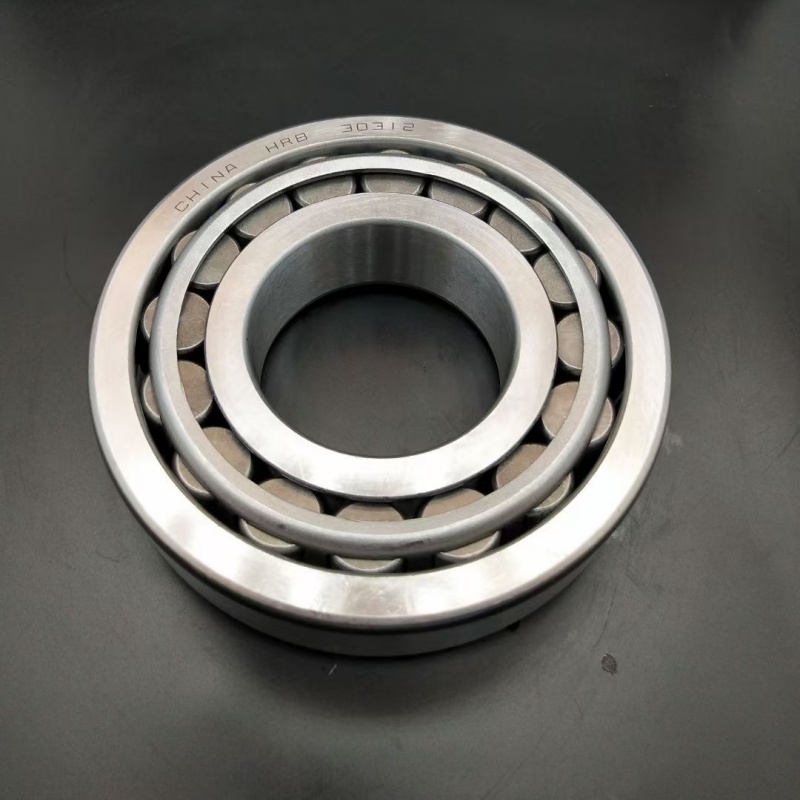
I have been in this business for years. I talk to importers and factory owners every day. One thing I hear again and again is the same: "My bearings don’t last as long as they should." Most of the time, the answer is not bad steel or bad grease. It is about load distribution. Let me explain what that means and how you can get it right.
What does “load distribution1” actually mean for a bearing?
Have you ever stood on a frozen lake? If you stand flat-footed, your weight spreads out. You are safe. If you stand on one heel, the ice cracks. That is load distribution.
Load distribution is how a bearing spreads the force from the shaft across all its rolling elements2. Good distribution means the force touches many balls or rollers at once. Bad distribution means all the force goes to one or two spots.
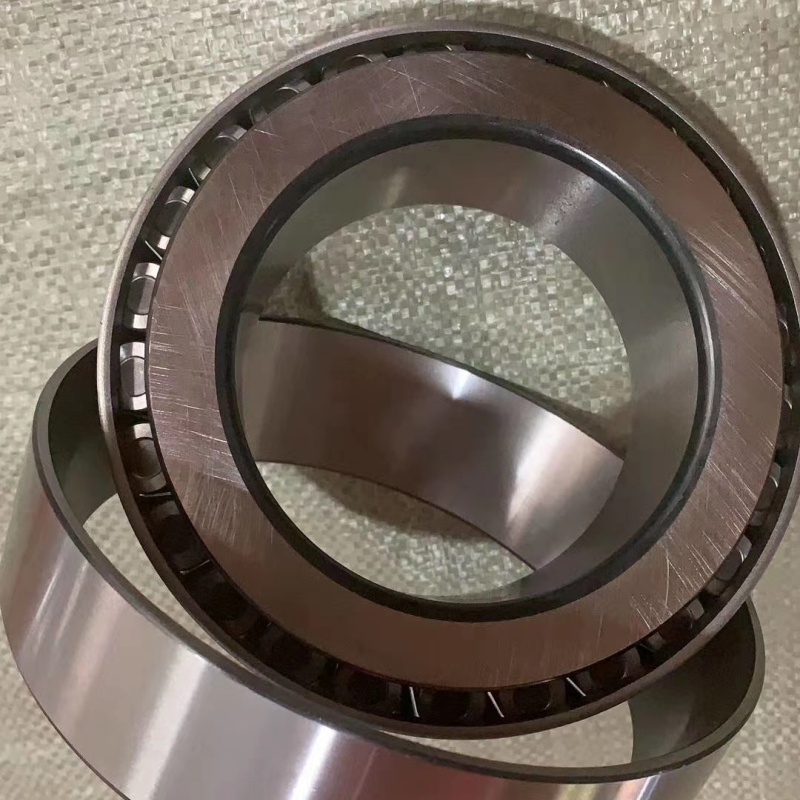
To understand this, we need to look inside the bearing. A bearing has three main parts: the inner ring, the outer ring, and the rolling elements. The rolling elements sit between the two rings. When you put a load on the shaft, that force travels through the inner ring, then to the rolling elements, then to the outer ring, and finally to the housing.
Here is the critical part. Not all rolling elements carry the load at the same time. In a bearing with poor distribution, only a few rolling elements take the full force. They become overloaded. They wear out fast. The heat builds up. Then the whole bearing fails.
Let me break this down with a simple table.
| Load Distribution Scenario | What Happens Inside | Result |
|---|---|---|
| Even Distribution | Many rolling elements share the force equally. | Lower stress per element. Longer life. Cooler operation. |
| Uneven Distribution | One or two rolling elements take most of the force. | High stress. Heat buildup. Rapid wear. Early failure. |
| Misaligned Distribution | Force concentrates on one edge of the rolling elements. | Edge loading. Raceway damage. Noise and vibration. |
A good bearing design makes sure the load spreads out. This is why bearing geometry3 matters so much. The curvature of the raceway, the size of the rollers, and the internal clearance all work together. They decide how the load travels.
For my customers like Rajesh, who sells to truck repair shops in India, this is everything. A truck wheel bearing sees huge loads from the weight of the vehicle. If that load is not spread evenly, the bearing fails on the highway. That is a dangerous situation. That is why I always tell my customers to look beyond the price. Look at how the bearing handles the load.
Which bearing types offer the best load distribution?
You walk into a warehouse. You see shelves full of different bearings. Which one do you pick? The wrong choice leads to returns and unhappy customers.
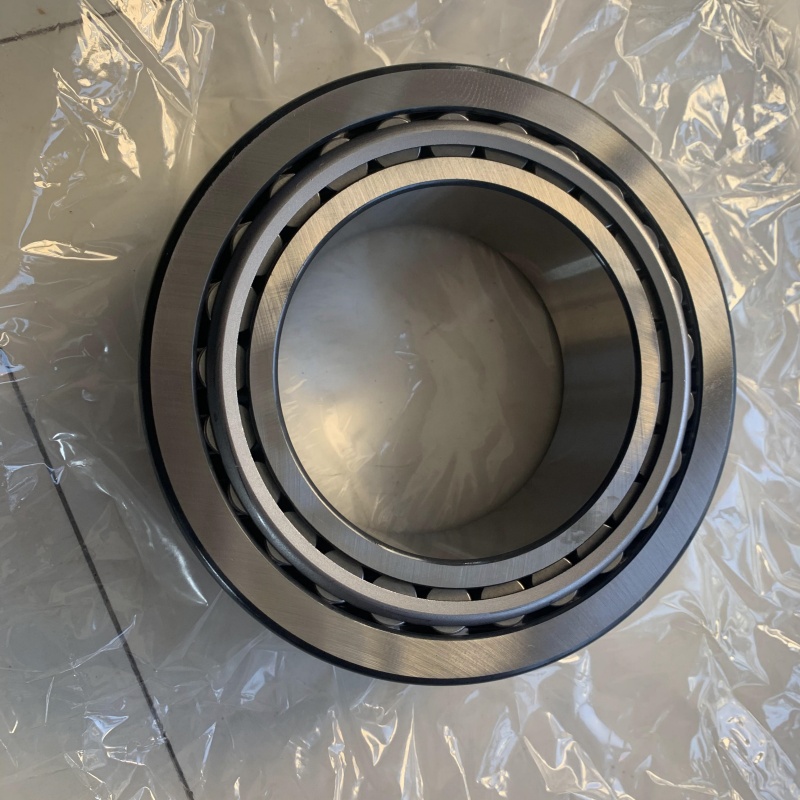
Roller bearings1 offer the best load distribution. They use line contact instead of point contact. Tapered roller bearings2, cylindrical roller bearings, and spherical roller bearings all spread force over a larger area than ball bearings.
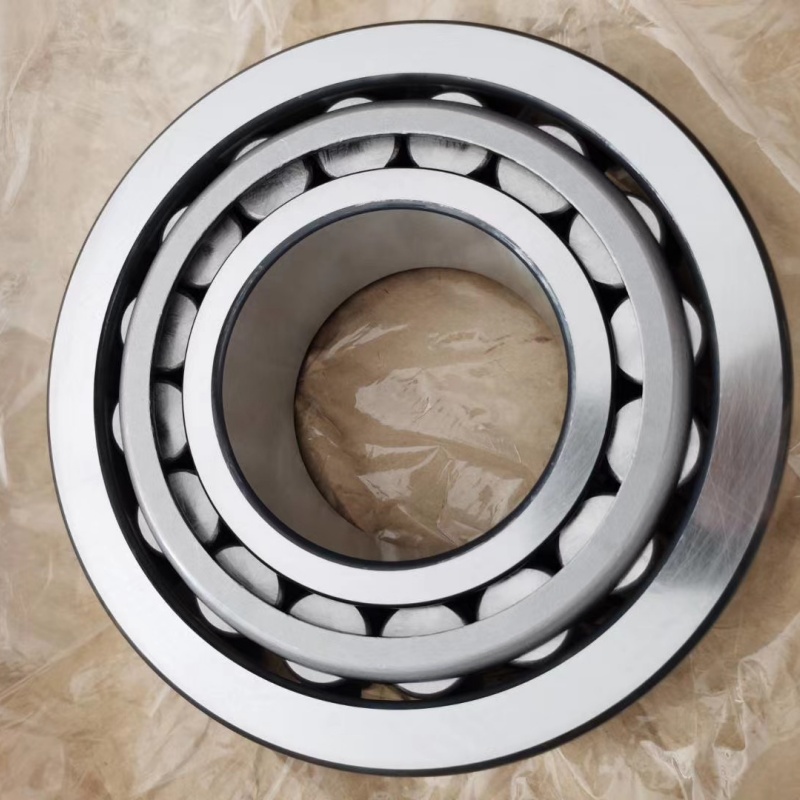
Not all bearings are made the same. The type of rolling element changes everything. Let me explain the difference in a way that is easy to remember.
Ball Bearings: Point Contact
A ball bearing touches the raceway at one small point. Think of a marble sitting in a spoon. The contact area is tiny. This is fine for light loads and high speeds. But when the load gets heavy, that tiny point takes all the pressure. It is like standing on that one heel on the ice. The stress is very high.
Roller Bearings: Line Contact
A roller bearing touches the raceway along a line. Think of a pencil sitting in a tray. The contact area is a whole line instead of a single point. This spreads the force out. It is like standing flat-footed on the ice. You are much safer.
Now let me show you which roller bearings do the best job for different situations.
| Bearing Type | Contact Type | Best For | Load Distribution Strength |
|---|---|---|---|
| Tapered Roller Bearing | Line Contact | Combined radial and axial loads | Very high. The tapered shape handles forces from multiple directions. |
| Cylindrical Roller Bearing | Line Contact | Heavy radial loads | High. The long rollers spread radial force evenly. |
| Spherical Roller Bearing | Line Contact | Misalignment and heavy loads | Excellent. The barrel-shaped rollers self-align to keep load even. |
| Deep Groove Ball Bearing | Point Contact | Light to medium radial loads | Low to medium. Only a few balls carry the load at any time. |
At FYTZ Bearing, we manufacture all these types. I tell my customers this: if your application has heavy loads, do not use a ball bearing. Use a roller bearing. It is that simple. The cost difference is small. The life difference is huge.
I had a customer in Brazil who was using deep groove ball bearings in agricultural equipment. The loads were too high. The bearings failed every season. We switched him to tapered roller bearings. The failure rate dropped by 70%. He now orders containers from us every year.
Why does poor load distribution cause premature bearing failure?
Have you ever seen a bearing that looks like it exploded from the inside? That is not bad luck. That is poor load distribution showing up in the worst way.
Poor load distribution1 creates stress concentrations. These stress points generate heat, cause metal fatigue, and lead to spalling. Once spalling starts, the bearing fails quickly. The damage spreads like a crack in a windshield.
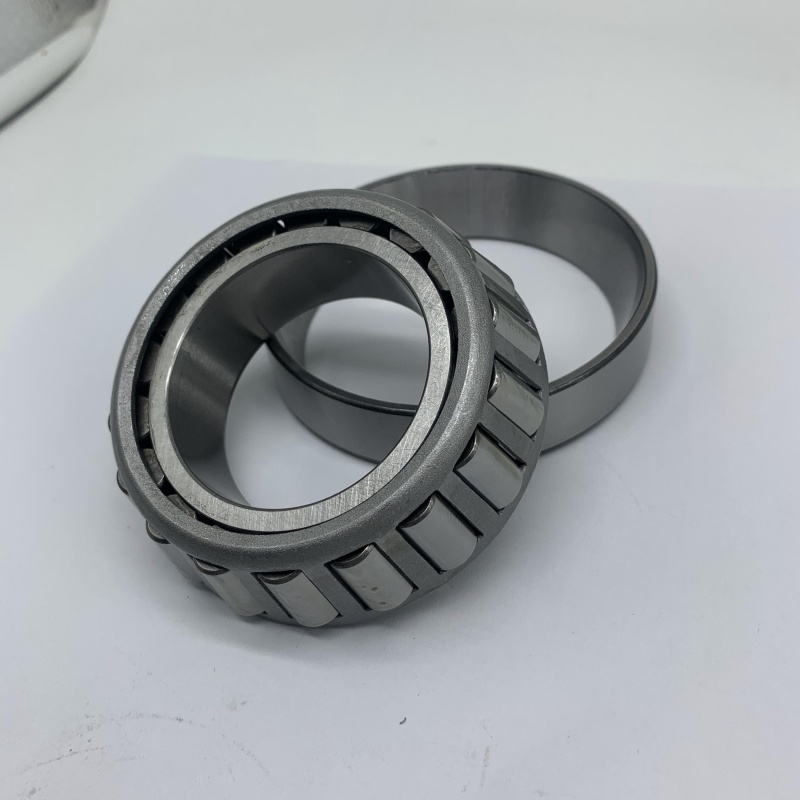
I want to walk you through the failure process. It happens step by step. If you understand the steps, you can stop them before they ruin your bearings.
Step 1: Stress Concentration
When load is not spread evenly, one area takes too much force. This is often the edge of a roller or the center of a raceway. The metal gets stressed beyond its limit.
Step 2: Heat Generation
High stress creates friction. Friction creates heat. The heat changes the metal. It can soften the hardened surface. It can also expand the parts, making the fit tighter, which makes more heat. It is a bad cycle.
Step 3: Micro Cracks
The metal starts to break down at a microscopic level. Small cracks form below the surface. You cannot see them yet. But they are growing with every rotation.
Step 4: Spalling
The cracks reach the surface. Pieces of metal flake off. We call this spalling. Once you see spalling, the bearing is already damaged. It will make noise. It will vibrate. It will get worse fast.
Step 5: Catastrophic Failure3
The spalling spreads. The surface becomes rough. The rolling elements cannot run smoothly. The bearing locks up or breaks apart. The machine stops.
Let me give you a real example. A customer in Egypt was using our bearings in textile machines. He called me worried. Some bearings were failing early. I asked him to send photos. The photos showed clear edge loading. The load was hitting one side of the raceway.
We found the problem. The housing was misaligned. The shaft was not straight. The bearing was forced to run at an angle. That angle made the load concentrate on the edge. The bearing could not handle it.
We fixed the alignment. The problem stopped. The lesson is simple. Poor load distribution kills bearings. Sometimes it is the bearing design. Sometimes it is the installation. Either way, the result is the same. Early failure and unhappy customers.
How can I tell if a bearing has excellent load distribution before buying?
You cannot cut open a bearing in the supplier’s showroom. So how do you know if the bearing you are buying will handle the load? You need to look at the details.
You can tell by looking at the manufacturer’s precision class, the surface finish quality, the internal clearance data, and the reputation of the factory. Good load distribution starts with good manufacturing. It is not something you can see with your eyes alone.
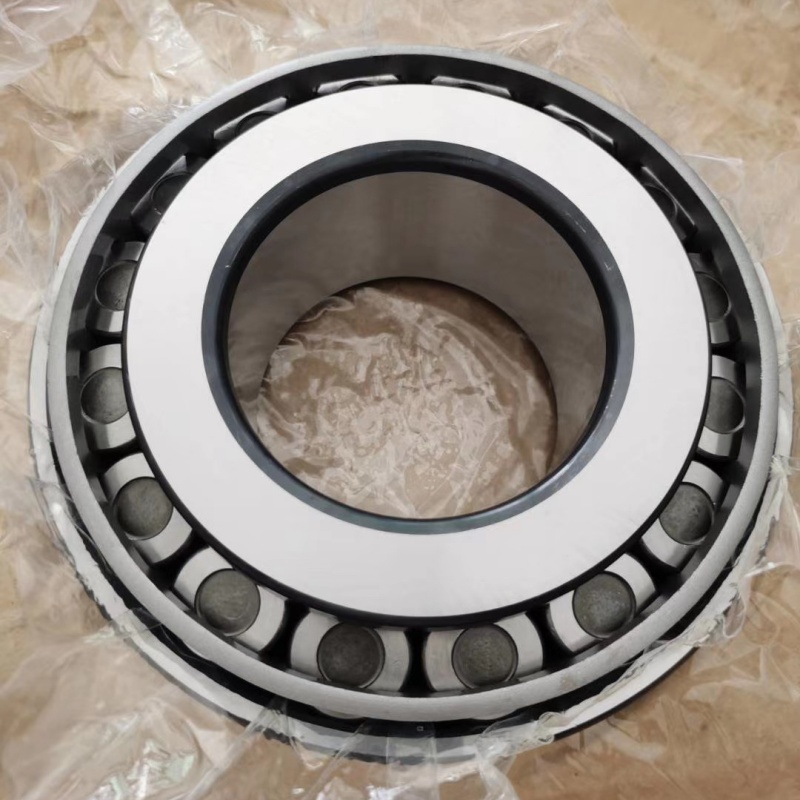
I have been buying and selling bearings for years. I have learned what to look for. Here is my checklist. I share this with all my distributors.
1. Check the Precision Class1
Load distribution depends on geometry. If the raceway is not perfectly round, the load will not spread evenly. Look for bearings with P5 or P6 precision. These are made to tighter standards. They are more consistent. At FYTZ, we offer P5 and P6 as standard for many of our products. We do this because we know it makes a difference.
2. Look at the Surface Finish2
A rough surface creates friction. Friction creates hot spots. Hot spots change how the load spreads. A good bearing has a smooth, almost mirror-like finish on the raceway. This is called super-finishing. It helps the rollers run smooth and spread the load evenly.
3. Ask About the Steel Quality3
The steel must be hard enough to handle the stress. Good bearing steel like GCr154 is standard. But the heat treatment matters too. If the steel is too soft, it will deform under load. That deformation ruins load distribution. If it is too hard, it can crack. You want a factory that controls the heat treatment process.
4. Understand the Internal Clearance5
Internal clearance is the tiny gap between the rolling elements and the raceways. Too much clearance and the load only hits a few rollers. Too little clearance and the bearing runs hot. A good manufacturer will help you choose the right clearance for your application. We offer C3, C4, and standard clearances depending on your needs.
Here is a quick guide I use with my customers.
| Factor | What to Look For | Why It Matters |
|---|---|---|
| Precision Class | P5 or P6 | Tighter geometry means more even load spread. |
| Surface Finish | Polished, mirror-like | Less friction means less heat and better distribution. |
| Steel Grade | GCr15 or equivalent | Hard, clean steel handles stress without deforming. |
| Factory Reputation6 | Integrated production lines | Control over every step means consistent quality. |
I tell my customers one more thing. Ask for a sample. Test it in your hardest application. See how it holds up. A good manufacturer like FYTZ will send you samples. We are confident in our quality. We know our bearings spread the load right because we build them that way.
Conclusion
Good load distribution is the foundation of bearing life. Choose the right type, check the quality, and your equipment will run longer.
-
Understanding Precision Class helps ensure you choose bearings that distribute loads evenly, enhancing performance and longevity. ↩ ↩ ↩ ↩
-
Exploring Surface Finish can reveal how it minimizes friction and improves load distribution, crucial for optimal bearing function. ↩ ↩ ↩
-
Learning about Steel Quality ensures you select bearings that withstand stress without deforming, crucial for reliability. ↩ ↩ ↩
-
Discovering the advantages of GCr15 steel can help you select bearings that handle stress effectively, ensuring durability and performance. ↩
-
Understanding Internal Clearance helps you choose the right fit for your application, preventing overheating and uneven load distribution. ↩
-
Researching Factory Reputation can guide you to manufacturers with consistent quality control, ensuring better load distribution. ↩