
You are dealing with heavy loads, high speeds, and machinery breakdowns. That costs you time and money.
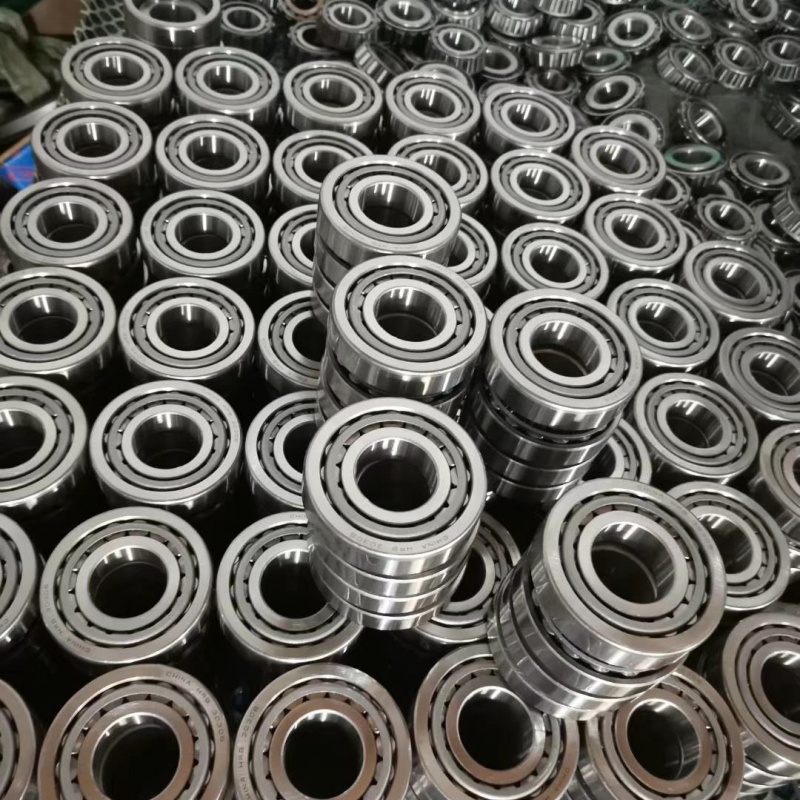
Tapered roller bearings reduce friction and support both radial and thrust loads at the same time. They also handle high shock loads. Their separable design makes installation and maintenance easy. For many industrial and automotive uses, they are the best choice for long life and steady performance.
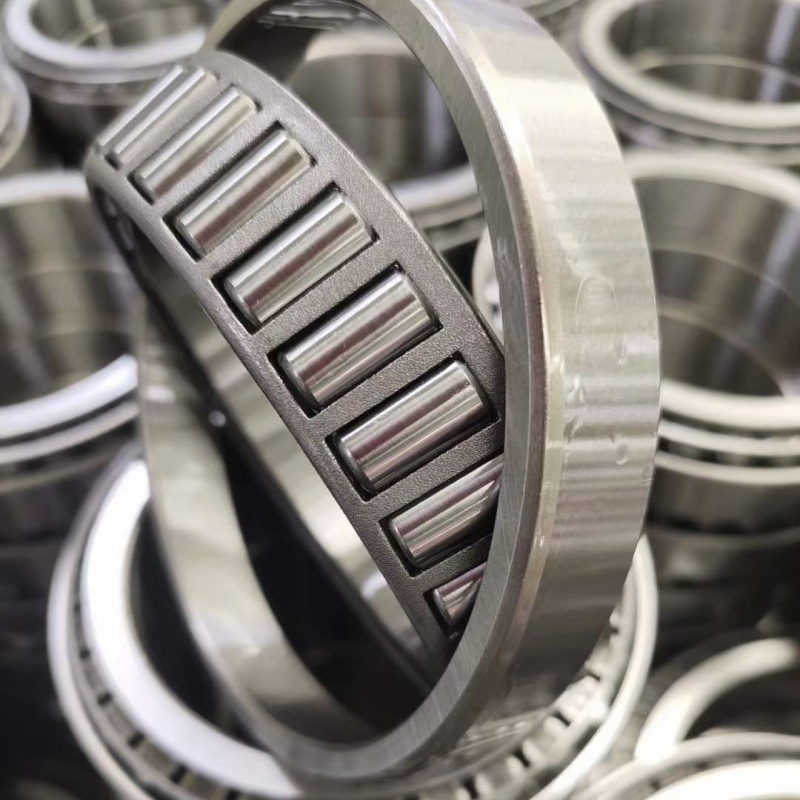
You might think all roller bearings do the same job. But that is not true. Let me walk you through why tapered roller bearings stand out. I will share what I have learned from my own factory and from talking to customers like you.
Which is the most preferred use of taper roller bearings1?
You see a machine fail because the bearing could not handle the force. That is frustrating, right?
The most common use for taper roller bearings is in vehicle wheel hubs2, especially for trucks and heavy vehicles. They also go into gearboxes3, conveyor systems, and rolling mills. Anywhere you have both heavy radial loads4 and thrust loads, these bearings are the top pick.
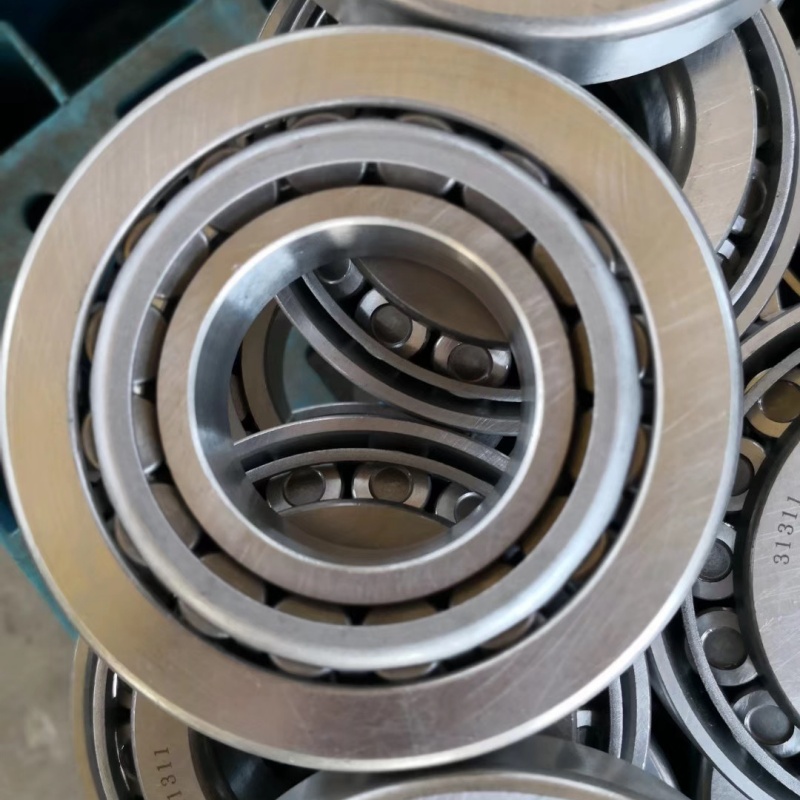
Let me break down why these applications keep coming back to tapered roller bearings. I run a bearing factory in China. We ship to Turkey, Russia, Brazil, India, and many other countries. My team sees orders from customers like Rajesh in India. He buys 3 to 5 containers every year. He tells me his local workshops love tapered bearings for their wheel hubs and gearboxes.
What makes a wheel hub so demanding?
A wheel hub on a truck does three things at once:
- It holds the weight of the vehicle (radial load).
- It takes side forces when turning corners (thrust load).
- It spins at high speeds for hours.
Most bearing types can only handle one or two of these. Tapered roller bearings handle all three. That is why almost every commercial vehicle uses them.
Other common applications you should know
Here is a quick table to show you where tapered roller bearings shine:
| Application | Why Tapered Roller Bearings? | Typical Load Type |
|---|---|---|
| Truck wheel hubs | High radial + thrust load, long life | Combined |
| Gearboxes | Precision, handles high speeds | Radial + thrust |
| Conveyor rollers | Heavy continuous load, shock resistance | Radial |
| Rolling mills | Extreme shock and heat | Heavy radial |
| Mining equipment | Dust, dirt, and heavy vibration | Combined + shock |
From my experience, customers who make construction equipment also order a lot of tapered bearings. They need parts that survive mud, rocks, and uneven ground. A standard bearing fails fast. A tapered bearing keeps going.
What about cars vs. trucks?
For small cars, you will often see deep groove ball bearings. They are cheaper and good enough. But for trucks, buses, and heavy machinery, tapered roller bearings are the clear winner. I tell my buyers this: if your vehicle or machine weighs more than 3 tons, choose tapered bearings for the wheel hubs. You will replace them less often. That means less downtime.
So when a customer asks me, "What is your most popular bearing?" I say tapered roller bearings for heavy-duty wheel hubs. That is where we sell the most.
Which is better spherical roller bearing or taper roller bearing?
You have two choices for a tough job. But you are not sure which one to pick. That confusion can lead to a wrong purchase.
Spherical roller bearings are better for heavy radial loads1 and misalignment. Tapered roller bearings are better for high thrust loads2 and applications where you need precise adjustment of internal clearance. Neither is universally better. The right choice depends on your machine’s needs.
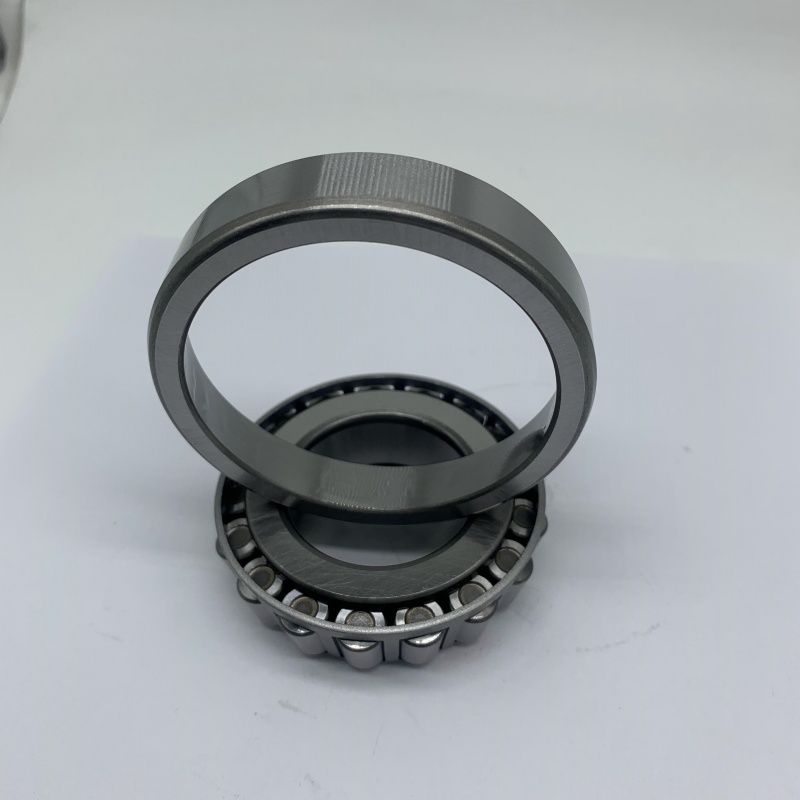
I hear this question a lot from procurement managers. They want a simple answer. But I have learned that simple answers do not always work. Let me give you a clear way to decide.
First, understand the core difference
Spherical roller bearings have two rows of rollers. They can tilt a little. That means if your shaft is not perfectly straight, the bearing still works fine. They are great for heavy radial loads.
Tapered roller bearings have one row of tapered rollers. They cannot tilt much. But they handle thrust loads very well. You can also adjust them. You can make the internal clearance tighter or looser by moving the cone and cup apart.
Here is how to choose
Ask yourself three questions:
1. Does your shaft bend or get out of line?
If yes, go with spherical roller bearings3. For example, long conveyor shafts often bend. Tapered bearings would fail quickly. Spherical bearings keep working.
2. Do you have strong side forces (thrust loads2)?
If yes, go with tapered roller bearings4. For example, a truck turning a corner pushes sideways on the wheel hub. Tapered bearings take that force. Spherical bearings do not like thrust loads.
3. Do you need to adjust the bearing tightness?
If yes, tapered roller bearings are your only choice here. You can set them perfectly for your speed and load. Spherical bearings come as a fixed unit. You cannot adjust them.
A real example from my workshop
Last year, a customer from Indonesia asked for a bearing for his rubber mixing machine. The machine had heavy vibration and the shaft was not perfectly aligned. I suggested spherical roller bearings. He tried them. They worked for two years without a problem.
Another customer from Egypt made agricultural trailers. He needed wheel bearings that could take heavy side loads when turning on uneven fields. I sent him tapered roller bearings. He is still buying from me today.
Quick comparison table
| Feature | Spherical Roller Bearing | Tapered Roller Bearing |
|---|---|---|
| Handles shaft misalignment5 | Excellent | Poor |
| Handles heavy radial loads | Excellent | Good |
| Handles heavy thrust loads | Poor | Excellent |
| Adjustable internal clearance | No | Yes |
| Speed capability | Moderate | High |
| Typical use | Conveyors, fans, paper mills | Wheel hubs, gearboxes, differentials |
So do not ask which is better. Ask which is better for your machine. That is the smart way to buy bearings.
What is the lifespan of a tapered bearing1? Can tapered roller bearings handle thrust loads2?
You have two worries. First, how long will this bearing last? Second, can it really take the side forces? You need honest answers.
A tapered bearing lasts between 30,000 and 100,000 hours under normal conditions. That is 3 to 10 years of continuous use. Yes, tapered roller bearings handle thrust loads very well. Their tapered design turns side forces into a normal force against the roller and raceway. That is actually one of their main strengths.
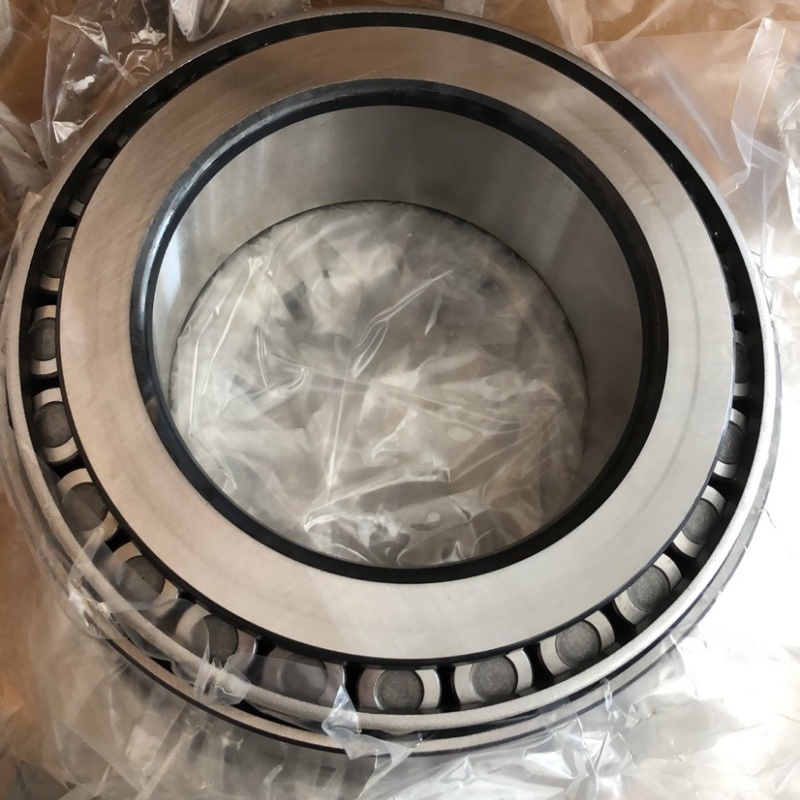
Let me dive deeper into both questions. I will use my factory experience to give you practical answers.
How long do tapered bearings really last?
The number I gave you (30,000 to 100,000 hours) comes from standard calculation methods. But in real life, many things change that number. Here is what actually affects lifespan:
- Load : More load means shorter life. Double the load, and life drops by 80%.
- Lubrication : Bad grease or oil kills bearings fast. Good lubrication3 doubles life.
- Contamination : Dirt and water are your enemies. Even a little dust cuts life in half.
- Installation : Wrong mounting creates extra stress. That leads to early failure.
- Speed : Higher speed means more heat. Too much heat destroys the grease.
I tell my customers this: A bearing does not die of old age. It dies from abuse. Keep it clean, keep it greased, and do not overload it. Then it will last a long time.
Signs your tapered bearing is wearing out
Watch for these things. They tell you to replace the bearing soon:
| Sign | What you see or hear | What to do |
|---|---|---|
| Noise | Grinding or rumbling sound | Check lubrication first |
| Vibration | Machine shakes more than usual | Inspect for wear |
| Heat | Housing feels too hot to touch | Reduce load or speed |
| Play | Shaft moves side to side | Tighten or replace |
From my own shipping records, customers who order spare parts every 12 months usually have heavy-duty applications like stone crushers. Customers who order every 3 to 5 years have lighter uses like agricultural equipment.
Now, about thrust loads
Can tapered roller bearings handle thrust loads? Yes. And here is the simple reason why.
The rollers are shaped like a cone. The inner ring (cone) and outer ring (cup) are also tapered. When a thrust load pushes sideways, the roller wants to wedge itself between the cone and cup. That wedge action creates a strong support. The bearing does not slide. It rolls. So friction stays low.
Compare that to a deep groove ball bearing. A thrust load pushes the balls sideways against the edge of the raceway. That creates high stress and heat. The bearing fails quickly.
How much thrust can they handle?
A good rule of thumb: A tapered roller bearing can handle a thrust load equal to about 30% to 50% of its radial load rating. But this depends on the bearing size and contact angle.
If you need more thrust, use two tapered bearings back to back. That is common in truck wheel hubs. One bearing takes the thrust from one direction. The other takes thrust from the opposite direction.
A final tip from my factory
When you order tapered bearings for thrust loads, tell me the direction of the force. Also tell me if the force comes from both directions. We can recommend the right setup. We can also supply bearings with a steeper contact angle. That angle makes them even better at handling thrust.
So do not worry. Tapered bearings are built for thrust. That is why they are everywhere in vehicles and gearboxes.
Conclusion
Tapered roller bearings give you long life, high thrust capacity, and adjustable clearance. Pick them for wheel hubs, gearboxes, and heavy machinery.
-
Understanding the lifespan of tapered bearings helps in planning maintenance and replacements, ensuring optimal performance. ↩ ↩ ↩
-
Exploring how tapered roller bearings manage thrust loads can enhance your knowledge of their applications and benefits. ↩ ↩ ↩ ↩
-
Good lubrication is crucial for bearing longevity; learn how to maintain it for better performance. ↩ ↩ ↩
-
Learn how tapered roller bearings excel in handling thrust loads and adjustable clearance. ↩ ↩
-
Learn about the effects of shaft misalignment on bearing efficiency and longevity. ↩