
Your machine breaks down again. Heat, dust, or shock loads are killing your bearings too fast.
High-quality bearings for harsh conditions use special materials, advanced seals, and precise design. They resist heat, keep out contamination, and handle sudden heavy impacts without failing early.
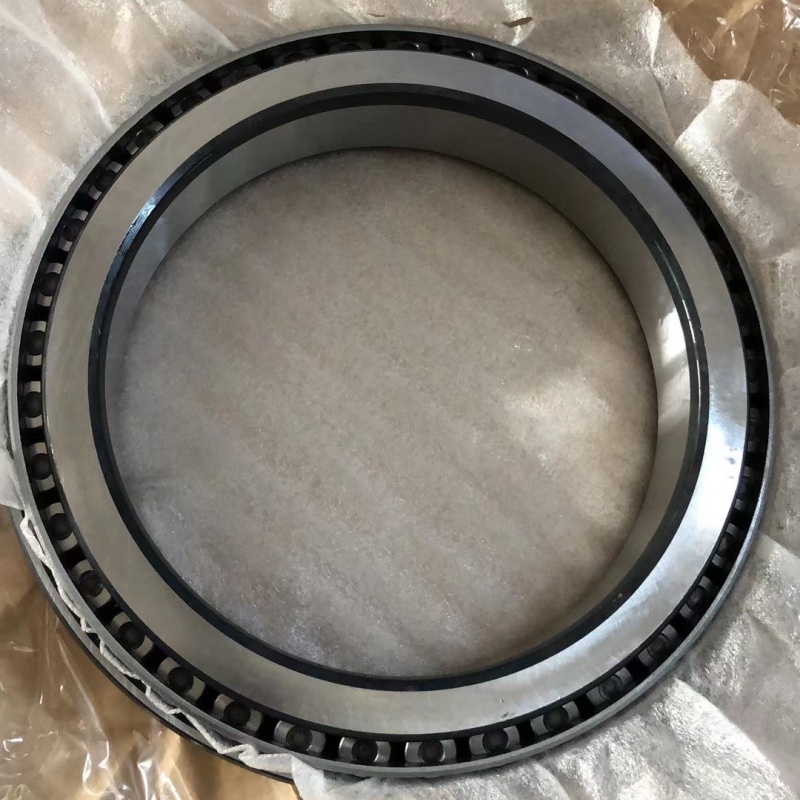
I have talked with many procurement managers like Rajesh from India. They all ask the same question: “Why do standard bearings die so quickly in my machines?” Let me break down the real answers below.
Key Features That Define Performance in Extreme Environments?
Not every bearing can survive where dust flies and temperatures soar. What makes one bearing last ten times longer than another?
The key features are high-grade steel, precision raceway geometry, special heat treatments, effective sealing systems, and optimized cage designs. These work together to keep the bearing running under extreme stress.
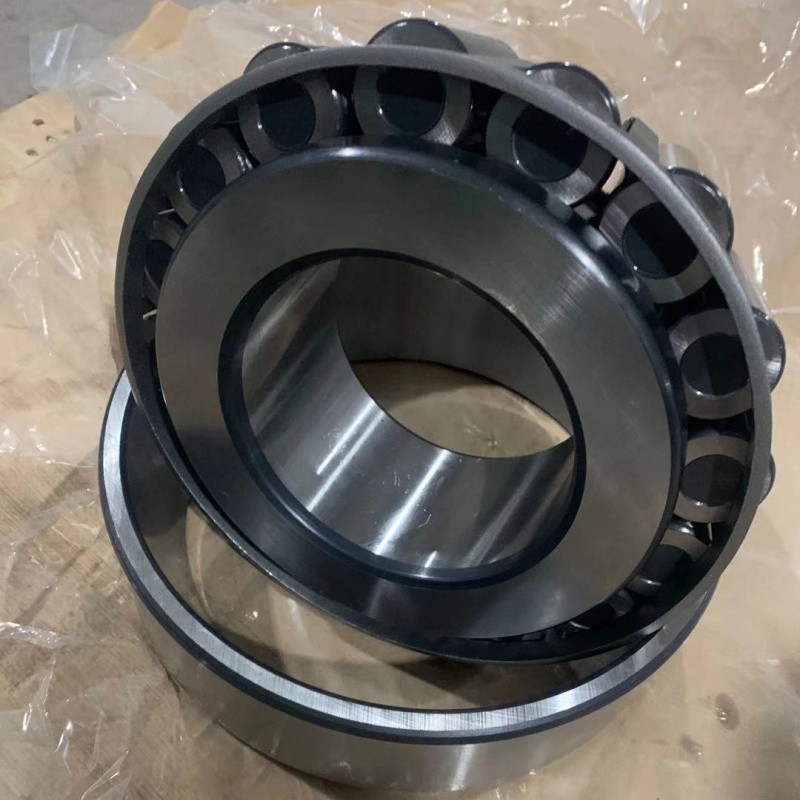
I see many buyers focus only on the brand or the price. They ignore the small details that actually decide if a bearing lives or dies in a harsh job. Let me share what I have learned from my own factory, FYTZ Bearing. We produce bearings for Turkey’s hot cement plants, Russia’s freezing grain elevators, and India’s dusty construction sites. Based on real failures I have seen, here are the features that matter most.
Material quality is the first line of defense
Most standard bearings use ordinary bearing steel (GCr15). That is fine for clean, cool, light-duty work. But in harsh conditions, you need vacuum-degassed steel with low oxygen content. This steel has fewer impurities. It also handles shock loads better. I always tell my customers: “If the steel is weak, nothing else can save the bearing.”
Heat treatment makes or breaks the hardness
The steel needs the right heat treatment. Through-hardening gives uniform hardness from surface to core. For very heavy impacts, case-hardening (carburizing) creates a hard outer layer and a tough inner core. That stops cracks from starting and spreading. We use special furnaces with precise temperature control. This way, every batch meets the required hardness (HRC 58–62 for most rolling elements).
Raceway geometry and surface finish
You might think a smooth surface is just for low noise. But actually, a fine surface finish (below 0.1 µm Ra) reduces friction and heat generation. It also prevents micro-welding between the rolling elements and the raceways. I have measured bearings from low-cost suppliers with rough surfaces. They failed in weeks under heavy loads. Our P5 and P6 precision class bearings get a super finish. That extra step adds cost but pays back in longer life.
Cage design and material
The cage keeps the rolling elements spaced apart. In standard bearings, you see stamped steel cages. They are cheap but weak. For harsh conditions, I recommend machined brass cages or reinforced polyamide cages. Brass handles high heat and shock loads. Polyamide runs quieter and handles some contamination. But polyamide has a temperature limit (around 120°C). For very hot jobs (over 150°C), go with brass or a one-piece steel cage.
Sealing systems that actually work
A bearing without a good seal is like a house without a roof. Dust, water, and grit will get inside. Then the lubricant washes out, and the bearing grinds itself apart. We use contact seals (rubber, like 2RS) for dusty environments. They touch the inner ring and block almost all particles. For high-speed applications, non-contact seals (metal shields, ZZ) work better but allow some fine dust. I often recommend double-lip contact seals with a dust lip and a grease lip. That combination keeps contamination out and grease in.
To make it clear, here is a quick comparison table:
| Feature | Standard Bearing | High-Quality Harsh-Condition Bearing |
|---|---|---|
| Steel grade | Ordinary GCr15 | Vacuum-degassed, low-oxygen GCr15 |
| Heat treatment | Through-hardened only | Through-hardened or carburized |
| Surface finish | Rough (0.2–0.4 µm Ra) | Fine (<0.1 µm Ra) |
| Cage | Stamped steel | Machined brass or reinforced polyamide |
| Seal | Single lip, minimal protection | Double lip contact seal with dust lip |
These features do not come for free. But when a bearing failure costs you hours of downtime and expensive repairs, the upfront investment is tiny. I have seen Rajesh’s customers save more than 70% on annual bearing costs just by switching from cheap standard bearings to our FT series for extreme conditions. That is real money.
Advanced Materials and Coatings for Maximum Durability?
Steel alone is not enough when chemicals or moisture attack. What extra layers can protect your bearings?
Advanced coatings like black oxide, DLC (diamond-like carbon), and zinc phosphate add corrosion resistance and reduce friction. Special materials like silicon nitride ceramics handle extreme heat and electrical currents.
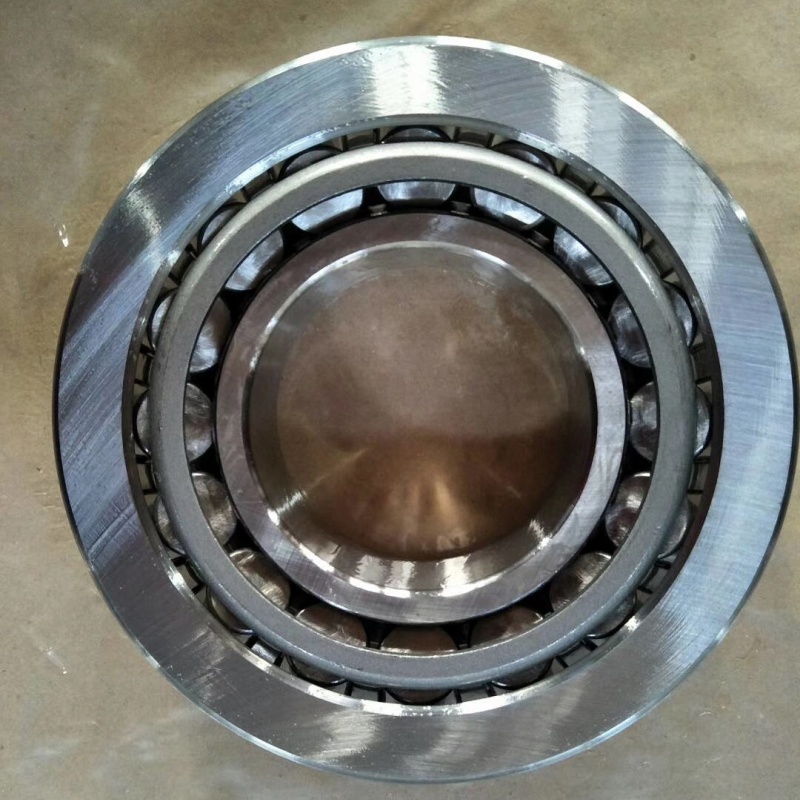
I remember a customer from Indonesia who runs a palm oil mill. His bearings failed every two months. The reason? Acidic juice from the palm fruits ate through the steel. We switched to bearings with a special coating. Now they last over a year. That story shows why materials and coatings matter so much. Let me explain the best options I have tested.
Black oxide coating (Fe3O4)
This is a conversion coating. It turns the outer layer of steel into magnetite. Black oxide does not add thickness. It keeps the bearing’s precision. What does it do? It prevents galling (cold welding) between rolling elements and raceways. It also holds oil on the surface. That helps during startup when lubrication is thin. Black oxide works well in mildly corrosive environments and high temperatures up to 300°C. It is my go-to recommendation for hot, dry applications like kilns or ovens.
DLC (diamond-like carbon) coating
DLC is the premium choice. It is extremely hard (like diamond) and very slippery. The friction coefficient can drop to 0.05 or lower. That is a huge reduction. DLC also resists chemical attack. It is almost inert. But DLC is expensive. I only suggest it for very high-value machines where downtime costs a fortune. Examples are wind turbine gearboxes or aerospace actuators. For most industrial buyers, DLC is overkill.
Zinc phosphate with oil impregnation
This is a simpler and cheaper option. Zinc phosphate creates a porous crystal layer. Then we fill the pores with oil. The bearing self-lubricates for a while if the grease dries out. It also resists rust well. I use this for bearings that work in wet environments but not extreme heat. For example, food processing plants where washdowns happen daily. The coating is not as hard as DLC, but it gets the job done at a fraction of the cost.
Ceramic rolling elements (hybrid bearings)
Here we use steel rings but silicon nitride (Si3N4) balls or rollers. Ceramic is lighter, harder, and does not rust. It also does not conduct electricity. That is critical in electric motors or generators where stray currents can damage standard bearings. The current jumps through the thin oil film and creates tiny pits (fluting). Hybrid bearings stop that problem completely. The downside? Price. A hybrid bearing can cost 5–10 times more than an all-steel bearing. But for VFD-driven motors, it is often the only long-term solution.
Which one should you choose?
Let me give you a simple decision guide:
| Condition | Best Material/Coating | Why |
|---|---|---|
| High temperature (200-300°C) | Black oxide or high-temp steel | Maintains hardness, prevents galling |
| Corrosive chemicals (acids, alkalis) | DLC or ceramic (hybrid) | Inert, no chemical reaction |
| Wet, humid, or washdown | Zinc phosphate + oil | Rust protection, self-lubrication |
| Electric motor with VFD | Ceramic rolling elements | Insulates against stray currents |
| Heavy shock loads + contamination | Carburized steel + black oxide | Tough core, hard surface, anti-galling |
In my own production line, we offer customized coatings for clients. Rajesh recently ordered 500 taper roller bearings with black oxide for a cement plant in Uttar Pradesh. The plant manager told me their previous bearings lasted only 3 months. After 6 months with our coated bearings, they are still running like new. That is the power of picking the right material.
Overcoming Common Harsh Conditions: Heat, Contamination, and Shock Loads?
Your bearing fails from heat, dirt, or a sudden hit. How do you fight each enemy differently?
For heat, use high-temperature grease and stabilized steel. For contamination, install labyrinth seals and regular relubrication. For shock loads, increase internal clearance and choose forged rings.

I have looked at hundreds of failed bearings. Most of them show one clear cause: heat, contamination, or shock loads. Sometimes two or three together. But you can beat each one with the right strategy. Let me break down each condition step by step. I will also tell you what not to do, because I have seen those mistakes too.
Heat: The silent killer
Heat does two bad things. First, it softens the bearing steel. At 150°C, standard bearing steel starts to lose hardness. At 200°C, it can permanently deform under load. Second, heat destroys the grease. Most standard greases use mineral oil with a thickener. Above 120°C, the oil oxidizes and turns into hard sludge. The bearing then runs dry and seizes.
How to beat heat:
- Choose high-temperature stabilized steel. Our FT series bearings are heat-treated to stay hard up to 200°C.
- Use synthetic grease with a high drop point (above 250°C). Examples: polyurea or perfluoropolyether (PFPE) grease.
- Increase the internal radial clearance. Standard bearings use CN (normal) clearance. For high heat, go for C3 or even C4. This makes room for thermal expansion so the bearing does not clamp up.
- Provide external cooling if possible. A simple air flow or water jacket around the housing drops the temperature a lot.
Common mistake: Using standard lithium grease in a hot oven. I saw a bakery in Egypt do this. The grease melted and dripped into the dough. Not good.
Contamination: The grinding paste
Dirt, sand, metal chips, or water. They all act like sandpaper inside the bearing. The rolling elements press the particles into the raceways. This creates dents and wear. Then the surface roughness increases, which generates more heat. It is a death spiral.
How to beat contamination:
- Use a sealing system that matches your environment. For fine dust (cement, carbon black), use double-lip contact seals. For water spray, add a felt seal or a V-ring.
- Purge the bearing with fresh grease regularly. The old grease pushes out the dirt. This works well for pillow block bearings in conveyor systems.
- Install a bearing isolator or labyrinth seal. These non-contact seals use a tortuous path to stop particles. They do not wear out like rubber seals.
- Keep the housing clean. A simple cover or shroud on the machine reduces the amount of dust reaching the bearing.
Common mistake: Overgreasing. Too much grease creates heat from churning. It also blows out the seals. Use a grease gun with a measured shot. For a 6204 bearing, 2–3 grams of grease is enough.
Shock loads: The sudden hammer
A shock load is a very high force for a very short time. Examples: a rock crusher smashing a stone, a press stamping metal, or a forklift hitting a bump. The bearing’s rolling elements get dented. The raceways develop brinelling (small craters). Once those craters form, every rotation creates vibration and noise. Eventually, the bearing cracks.
How to beat shock loads:
- Increase the bearing size if possible. A larger bearing has more steel to absorb the energy.
- Choose a bearing with forged rings instead of machined from tube. Forged steel has better grain flow and toughness.
- Use a carburized raceway. The hard surface resists denting, and the tough core stops cracks from growing.
- Select a higher radial internal clearance (C3 or C4). This allows the rolling elements to shift slightly and share the load better.
- Add a shock-absorbing mounting. A rubber or polyurethane pad under the housing reduces the peak force.
Common mistake: Using a standard deep groove ball bearing in a rock crusher. Ball bearings hate shock loads. A spherical roller bearing or a tapered roller bearing is much better. They have line contact instead of point contact, so the stress spreads out.
Let me give you a real example. A customer in Brazil runs a sugar cane crusher. The machine gets a lot of dust and sudden jams. His standard bearings failed every 2 weeks. We replaced them with our SR series spherical roller bearings. We used C4 clearance, a brass cage, and double-lip seals. We also taught him to relubricate every 8 hours. Now those bearings last 8 months. The cost per hour dropped by 90%.
Here is a quick action table:
| Condition | Solution | Checkpoint |
|---|---|---|
| Heat | Synthetic grease + C3 clearance | Measure housing temp every shift |
| Contamination | Contact seals + purge greasing | Inspect seals for wear weekly |
| Shock loads | Forged rings + carburized steel | Listen for vibration changes |
Remember, most harsh conditions do not come alone. You need a combined strategy. I always ask my clients: “What kills your bearings first?” Then we fix that. Then move to the second problem. You cannot solve everything with one magic bearing. But with the right approach, you can extend life by 5–10 times.
Industry Applications Where Standard Bearings Fail?
You think your industry is too tough for bearings. But standard ones fail in these places all the time.
Standard bearings fail in cement plants, steel mills, mining equipment, food processing, agricultural machinery, and automotive wheel ends on rough roads. Each application has a specific failure mode.
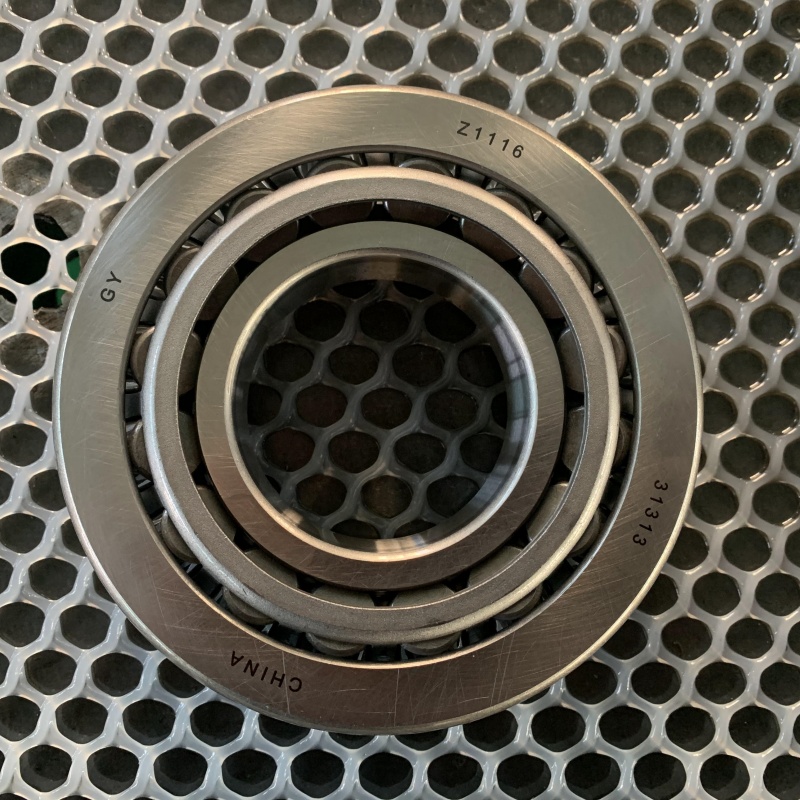
I have supplied bearings to over 20 countries. Every industry has its own “bearing killer.” Let me walk you through the worst offenders. I will tell you why standard bearings fail there and what we at FYTZ Bearing recommend instead. If you work in any of these fields, pay attention.
Cement and mining (dust + shock loads)
A cement plant is a nightmare. There is fine, abrasive dust everywhere. Crushers and mills also create heavy shock loads. Standard deep groove ball bearings get dust inside. The dust mixes with grease and becomes a grinding paste. Within weeks, the raceways wear down.
What fails: Rubber seals are not enough. Fine dust pushes past them. Also, CN clearance bearings clamp up from heat and debris.
Our solution: Spherical roller bearings with C4 clearance and triple labyrinth seals. We also use a special seal design with a dust lip that faces outward. The bearing housing gets a continuous grease purge. For the crusher main shaft, we supply carburized tapered roller bearings with a brass cage.
Steel mills (extreme heat + scale)
Rolling mills run red-hot steel. The bearings sit near furnaces and hot rollers. Temperatures can reach 300°C on the housing surface. Also, small flakes of iron oxide (scale) fall into the bearings. Scale is very hard and sharp.
What fails: Standard steel loses hardness. Grease carbonizes. Seals melt or harden.
Our solution: High-temperature stabilized steel (up to 300°C short term). We use solid oil or graphite-based lubricant instead of grease. For seals, we use metal shields (ZZ) with a heat-resistant gap. We also design the housing with water cooling channels. A steel mill in Turkey used our cylindrical roller bearings. They went from 1-month life to 14-month life.
Food processing (frequent washdowns + chemicals)
Every day, workers hose down the equipment with hot water and sanitizers. The bearings get wet and also exposed to acids (citric, acetic) or alkaline cleaners. Standard bearings rust in hours.
What fails: Rust starts at the seal interface. Water wicks past the seal and corrodes the inner ring. Then the bearing seizes.
Our solution: Stainless steel bearings (AISI 440C or 316) for all parts. We use food-grade grease (NSF H1) and special contact seals with a stainless steel insert. For the housing, we use a smooth, sloped design so water runs off. A fruit juice factory in Vietnam switched to our stainless pillow block bearings. They stopped having weekly replacements.
Agriculture (dirt, moisture, and variable loads)
Tractors, combines, and balers work in mud, dust, and rain. The loads change constantly. Also, farmers often forget to regrease. Standard bearings fail from water ingress and lack of lubrication.
What fails: The seals are too weak. The grease dries out. The bearing corrodes internally.
Our solution: Unitized bearings with a wide inner ring and self-aligning design. We use a triple-lip seal with a steel shield. The bearing comes pre-greased with a high-viscosity grease (ISO VG 220). For the most demanding spots (like disc harrows), we supply bearings with a hardened steel flinger. This throws off mud before it reaches the seal. An importer in Pakistan told me our bearings last through two harvest seasons. Standard ones barely survived one.
Automotive aftermarket (rough roads and heavy loads)
Trucks and buses in countries like India or Brazil run on poorly paved roads. Potholes cause shock loads. Also, overloading is common. Standard wheel bearings develop spalling (flaking) on the raceways.
What fails: Fatigue from repeated shock loads. Also, improper mounting damages the bearing.
Our solution: Tapered roller bearings with case-carburized raceways. We use a higher load rating (30% more than standard) by optimizing the roller profile. We also provide clear mounting instructions (torque values and locking methods). A distributor in Colombia started selling our auto bearings for taxis. His warranty claims dropped by 80%.
Here is a summary table for quick reference:
| Industry | Main Enemy | Standard Bearing Life | FYTZ Solution Life |
|---|---|---|---|
| Cement | Dust + shock | 2–4 weeks | 6–12 months |
| Steel mill | Heat + scale | 1–3 months | 12–18 months |
| Food processing | Water + chemicals | 1–2 weeks | 6–10 months |
| Agriculture | Mud + neglect | 3–4 months | 10–14 months |
| Automotive rough roads | Shock + overload | 20,000 km | 80,000+ km |
If you recognize your industry in this list, you need to stop buying standard bearings. They are false economy. Talk to me at FYTZ Bearing. I will help you select the right product for your real working conditions.
Conclusion
High-quality bearings with advanced materials, proper seals, and correct clearances survive harsh conditions. Standard bearings fail fast. Choose wisely and save money long-term.