
You have five production lines. Each line uses different spherical roller bearings. Your warehouse looks like a bearing museum.
Standardizing spherical roller bearing models means picking one or two series (like 223 or 222) and a few bore sizes. Then you use those same models on every line. This cuts spare parts by 70% and speeds up repairs.
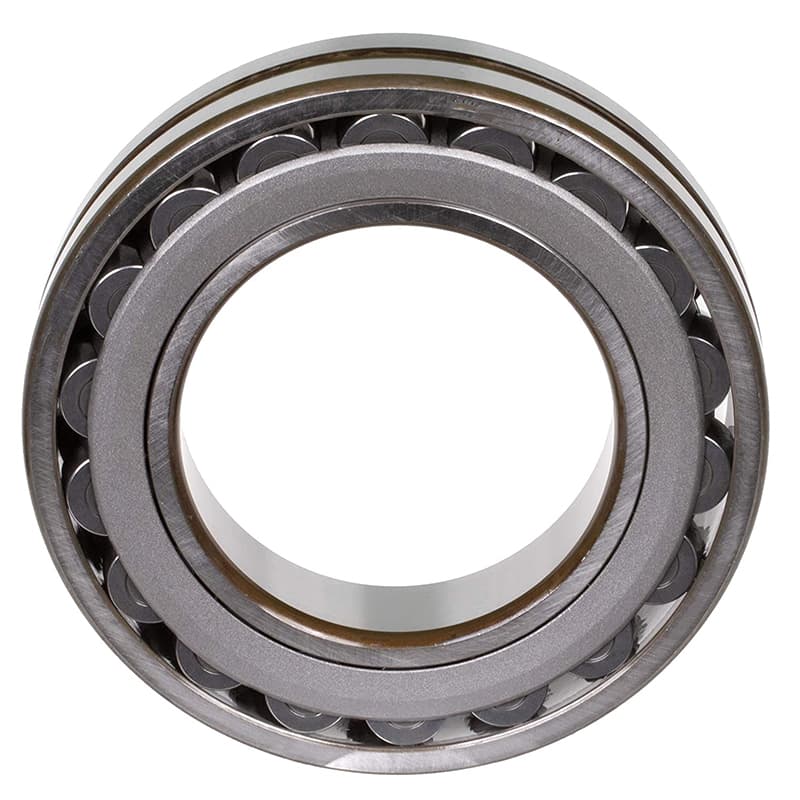
I am Leo from FYTZ Bearing. I have helped factories in Turkey, Russia, and India clean up their bearing mess. Many plant owners tell me: “Leo, I have so many different bearings. I never know what to order.” That is a real headache. Today I will show you a simple way to standardize your spherical roller bearings. You will save money and reduce downtime.
Why Do Multiple Bearing Models Create Chaos Across Your Lines?
Your maintenance team opens the spare parts cabinet. They see 20 different spherical roller bearing boxes. Some are from old machines. Some are from new ones. Nobody knows which fits where.
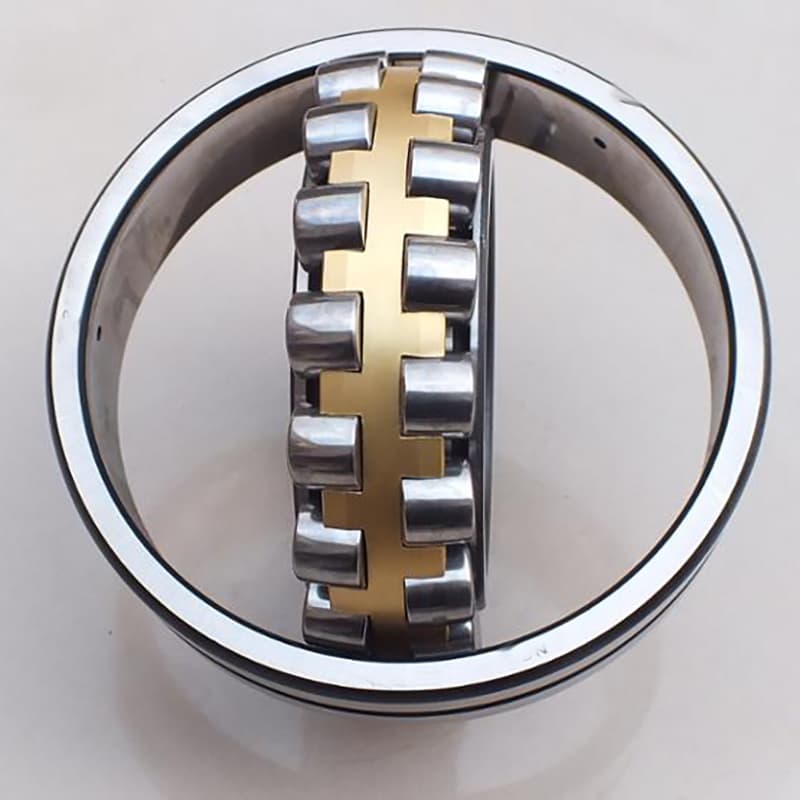
Multiple models cause slow repairs, high inventory costs, and frequent ordering mistakes. Your workers waste time searching. Your money sits on shelves. And emergency orders cost you extra freight.
Three Problems You Face with Too Many Models
I have seen this problem in many factories. Let me break it down with a table.
| Problem | What Happens in Your Plant | Real Cost Example |
|---|---|---|
| Slow repairs | A bearing fails. Your worker tries three wrong models before finding the right one. | 2 hours of downtime instead of 30 minutes |
| High inventory | You keep spares for 15 different bearing codes. Most of them rarely get used. | $10,000 tied up in slow-moving stock |
| Ordering mistakes | Your purchase team orders the wrong bearing number. It arrives and does not fit. | $500 wasted plus two weeks of waiting |
Slow repairs hurt your production. I remember a factory in Russia. They made mining equipment. They had 12 different spherical roller bearing sizes across four lines. One night, a bearing failed on a critical conveyor. The maintenance man went to the warehouse. He pulled a bearing. It was the wrong bore size. He pulled another. Wrong width. He spent 90 minutes finding the right one. The whole plant waited. If they had standardized to just two sizes, he would have fixed it in 20 minutes.
High inventory eats your cash. Let me give you a real example. A customer in India, Rajesh, had 18 different spherical roller bearing models in his warehouse. He kept three spares of each. That was 54 bearings. The total value was around $15,000. After standardization, he cut down to four models. He kept six spares of each. That was 24 bearings worth $6,000. He freed up $9,000. He used that money to buy other fast-moving parts.
Ordering mistakes happen more than you think. When you have many similar numbers, it is easy to make a typo. One digit wrong and you get a bearing with a different bore or width. I have seen buyers order 22320 instead of 22318. Both are spherical roller bearings. But they do not fit the same shaft. Then you must return them or throw them away. That is a waste of time and money.
So the first step is to admit you have a problem. Then you fix it with standardization.
What Is the First Step to Map All Your Spherical Roller Bearings?
You want to standardize. But you do not know where to start. The task feels too big. You have hundreds of bearings across many machines.
The first step is a full bearing audit. Walk every production line. Write down every spherical roller bearing model number, bore size, and location. Use a simple checklist.

A Simple Audit Plan You Can Do in One Week
I have done this audit with many customers. Here is my step-by-step method. Use the table to guide your team.
| Step | Action | Tools Needed | Time Estimate |
|---|---|---|---|
| 1 | List every machine line and piece of equipment | Notepad, pen | 1 hour for planning |
| 2 | For each bearing, read the model number stamped on the ring | Flashlight, rag to clean grease | 1 day for a medium plant |
| 3 | If the number is unreadable, measure the bore, outer diameter, and width | Caliper, ruler | 1 day |
| 4 | Record the location (line number, machine name, shaft position) | Camera phone (take photos) | Same as step 2 |
| 5 | Enter all data into a spreadsheet | Computer, Excel or Google Sheets | 2 hours |
Start with a map of your plant. Draw a simple layout. Label each production line as Line 1, Line 2, and so on. Then mark each machine or conveyor. This helps you see which bearings are where. I helped a factory in Turkey do this. They had 45 spherical roller bearings in total. After mapping, they found that 30 of them were just three sizes. The other 15 were rare sizes. That made the standardization decision easy.
Read the model number first. Most spherical roller bearings have a number like 22312, 22218, or 23024. The first two or three digits tell you the series. The last two digits (multiplied by 5) give you the bore size in mm. For example, 22312 has a bore of 12 x 5 = 60mm. Write down the full number. If the number is worn off, use your caliper. Measure the bore (inner diameter) exactly.
Take photos of each bearing. A picture is worth a thousand words. Take a photo of the bearing in place. Also take a photo of the machine tag. Later, when you look at the spreadsheet, the photo helps you confirm. One of my buyers in Vietnam did this. He had 80 bearings to audit. With photos, he never mixed up locations.
Create a simple spreadsheet. Use columns for: Line number, Machine name, Position (drive side or fan side), Bearing model, Bore size (mm), Outer diameter (mm), Width (mm), and Quantity. Also add a column for notes (like "runs hot"or "near washdown"). This spreadsheet becomes your master list. You will use it to pick your standard models.
After the audit, you will know exactly what you have. Then you can move to the next step.
Which Bearing Series (223, 222, 230) Should You Keep as Your Standard?
You look at your spreadsheet. You see models from series 223, 222, 230, 231, and 232. They all look similar. But they have different load ratings and widths. Which one do you pick?
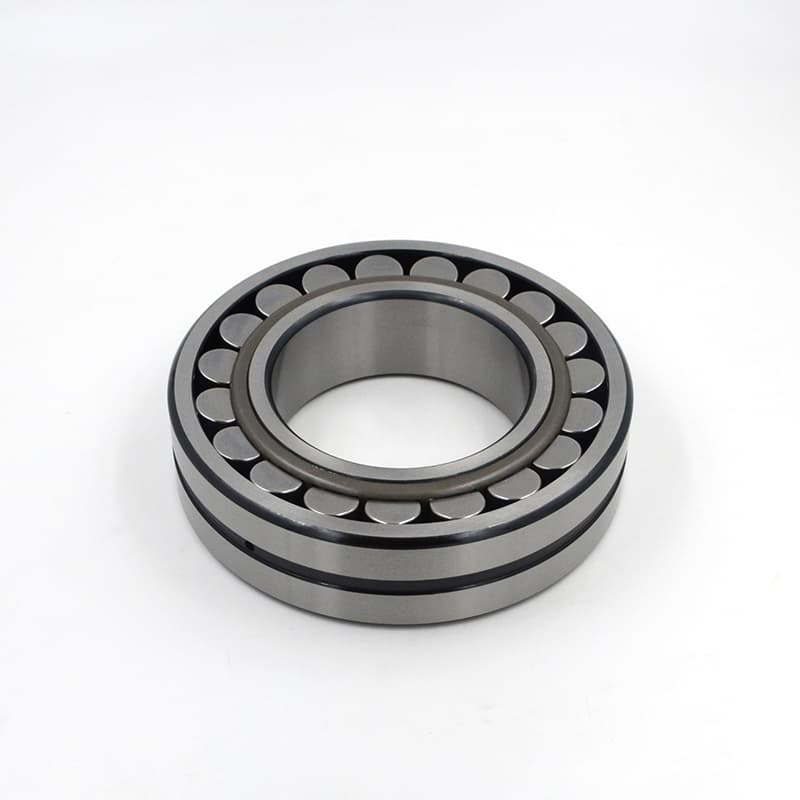
Pick series 223 for heavy shock loads and general use. Pick series 222 for lighter loads and limited space. Pick series 230 for high-speed applications. For most production lines, series 223 is the safest choice.
How to Choose the Right Series for Your Lines
Let me explain the differences. I will use a table to make it clear.
| Bearing Series | Load Capacity | Width | Speed Capability | Best For |
|---|---|---|---|---|
| 222 | Medium | Narrow | Medium | Tight spaces, light to medium loads |
| 223 | High | Wide | Medium to low | Heavy shock loads, conveyors, crushers |
| 230 | Medium | Narrow | High | Fans, blowers, high-speed shafts |
| 231 | Very high | Very wide | Low | Extreme heavy loads, slow rotation |
| 232 | High | Wide | Medium | General industrial, similar to 223 |
Series 223 is the workhorse. This is my top recommendation for most production lines. It has a wide inner ring and long rollers. That gives you high radial load capacity. It can handle some misalignment too. I have supplied 223 series bearings to cement plants, steel mills, and paper machines. They last a long time. A customer in Pakistan used 22316 bearings on all his conveyor head shafts. He had no failures for three years.
Series 222 is for tight spaces. This series has a narrower width. If your machine has limited axial space, use 222. But the load capacity is lower than 223. For example, a 22215 has a width of 31mm. A 22315 has a width of 49mm. That extra width gives more strength. So only choose 222 when you cannot fit a 223. I sold 222 series to a packaging line in Egypt. They had very tight bearing housings. The 222 worked well for their light loads.
Series 230 is for high speed. This series has a smaller roller diameter. That means less centrifugal force. It can run at higher RPM. But it does not take heavy shock loads as well. Use 230 for fans, blowers, or spindles. For typical production line conveyors, you do not need 230. Stick with 223.
What about series 231 and 232? These are extra-heavy series. They have even wider widths and larger rollers. They handle very high loads. But they also cost more. Only keep these if you have old machines that require them. For standardization, try to avoid them. You can often replace a 231 with a larger 223 if you modify the housing slightly.
My advice: Look at your audit spreadsheet. Find which series appears most often. If you see mostly 223, standardize on 223. If you see mostly 222, check if your loads are light. If they are, standardize on 222. But if you have any heavy shock loads, go with 223. It is better to have one strong series that works everywhere.
How Do You Handle Old Machines with Non-Standard Bearing Sizes?
You have old machines from different years. Some use inch sizes. Some use obsolete metric sizes. You cannot find those bearings anymore. You feel stuck.
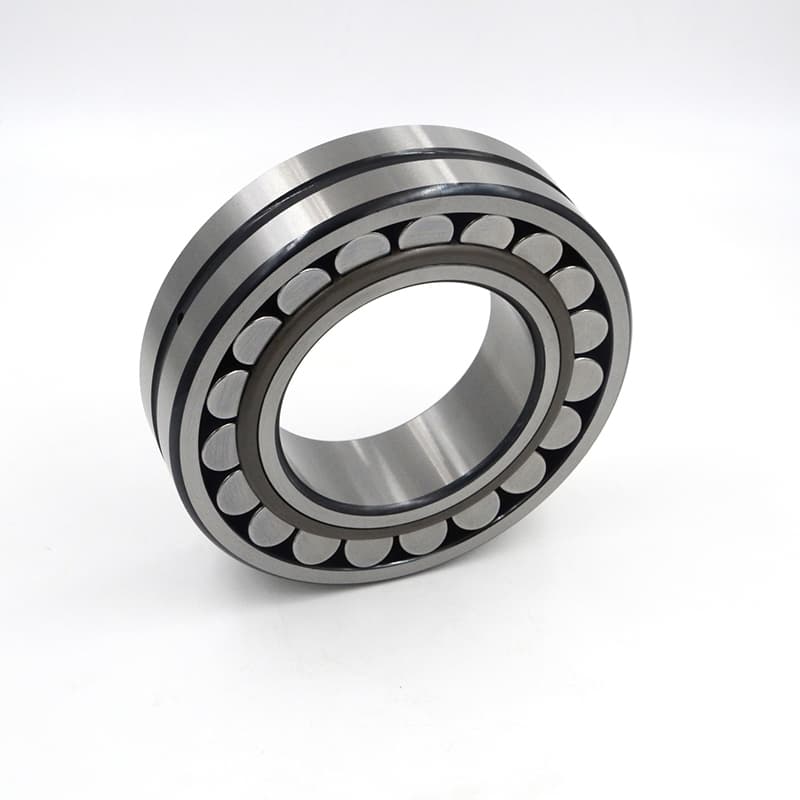
For old machines, use adapter sleeves to convert non-standard shafts to standard bearings. Or redesign the bearing housing during the next major overhaul. Do not keep odd sizes just for one machine.
Three Ways to Deal with Oddball Bearings
I have helped many factories phase out old bearing sizes. Here are three practical methods. Use the table to compare.
| Method | How It Works | Cost | Best For |
|---|---|---|---|
| Adapter sleeve | A tapered sleeve fits over the old shaft. The standard bearing mounts on the sleeve. | Low (sleeve is cheap) | Shafts that are too small for standard bore |
| Housing replacement | Remove the old housing. Weld or bolt on a new housing that fits standard bearings. | Medium | When the old housing is worn out anyway |
| Custom bearing from factory | We make a bearing with a non-standard bore but standard outer dimensions. | High | Critical machines that cannot be modified |
Adapter sleeves are your best friend. Many old machines have shafts that are slightly smaller than standard metric sizes. For example, a shaft might be 55mm. Standard bearings come in 55mm bore. But the shaft is worn down to 54.5mm. You can use an adapter sleeve. The sleeve has a tapered bore. It grips the shaft tightly. Then the standard bearing mounts on the sleeve. I have used this method many times. It is cheap and fast. A customer in Brazil had an old press with inch shafts. We gave him adapter sleeves. He now uses standard 22320 bearings. Problem solved.
Replace the housing when you have time. Do not rush. Wait for a scheduled shutdown. Then cut off the old bearing housing. Weld a new mounting plate. Bolt on a standard pillow block or flange housing. This costs more but gives you a permanent fix. One of my customers in Indonesia did this for five old machines over two years. After that, every machine used the same bearing. His spare parts inventory dropped by 60%.
Order custom bearings as a last resort. As a factory, FYTZ can make spherical roller bearings with non-standard bores. We keep the same outer ring and width. So the bearing fits your old housing. But the inner bore matches your odd shaft. This works well for critical machines that cannot be modified. However, custom bearings cost more and take longer to produce. So only do this for machines that are truly unique and irreplaceable.
A simple rule for phasing out odd sizes. Keep a small stock of odd bearings for your oldest machines. Do not reorder them. Instead, plan to convert those machines to standard sizes over time. Set a target: within 18 months, all your bearings will be from your standard list. I helped a factory in Russia do this. They started with 24 different sizes. After one year, they had only four sizes. Their maintenance costs dropped by 40%.
So do not let old machines hold you back. Use adapter sleeves. Replace housings step by step. You will get there.
Conclusion
Standardize your spherical roller bearings to one or two series. Audit first. Then phase out odd sizes. You will cut downtime and inventory costs.