
Your bucket elevator stops. Grain or cement spills everywhere. The head pulley bearing failed again. This happens every few months.
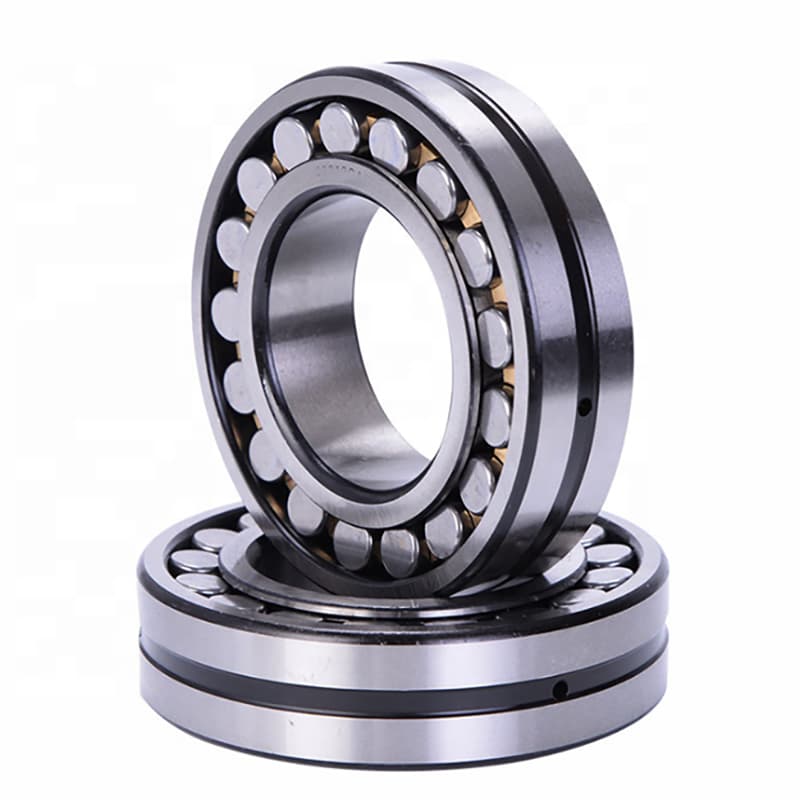
Spherical roller bearings are the best choice for bucket elevator head and boot pulleys. They handle heavy radial loads, tolerate shaft misalignment, and resist shock from falling material. Use C3 or C4 internal clearance for high-temperature or high-speed elevators.
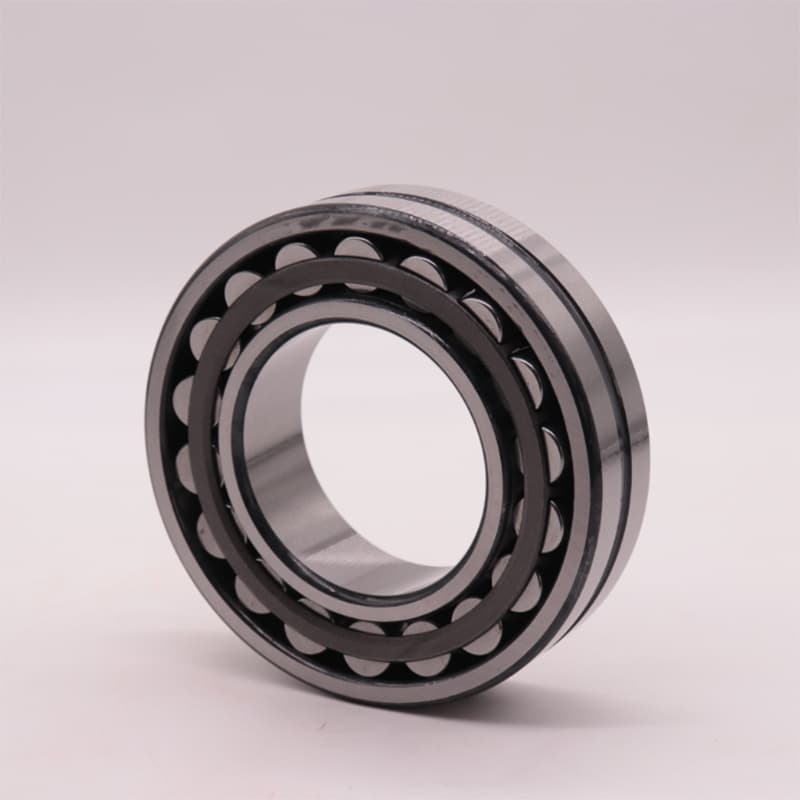
I am Leo from FYTZ Bearing. I have supplied bearings to grain elevators in Russia, cement plants in Egypt, and fertilizer plants in Vietnam. These vertical systems are tough on bearings. Today I will explain why spherical roller bearings work best for bucket elevators. I will also show you how to pick the right clearance, housing, and seals.
Why Do Bucket Elevator Bearings Fail Faster Than Other Conveyor Bearings?
You replace a bearing on your bucket elevator. Two months later, it gets noisy. Three months later, it seizes. You wonder why other conveyor bearings last longer.
Bucket elevator bearings face three special problems: vertical alignment stress, falling debris, and heavy start-stop loads. These three things wear out standard bearings much faster than horizontal conveyors.
Three Unique Killers in Vertical Material Handling
I have visited many bucket elevator installations. Let me break down the problems with a table.
| Killer | Where It Comes From | How It Damages Bearings | Typical Life Reduction |
|---|---|---|---|
| Vertical misalignment | Long shafts sag over time. Head and boot pulleys are not perfectly aligned. | Uneven load on rollers. One side of bearing carries all the weight. | 50% shorter life |
| Falling debris | Material falls from buckets. Dust and particles land on top of the bearing housing. | Contamination gets past seals. Abrasion inside the bearing. | 70% shorter life |
| Start-stop shock | Elevator starts with a full load of material. The chain or belt jerks. | High shock loads crack bearing rings or dent raceways. | 60% shorter life |
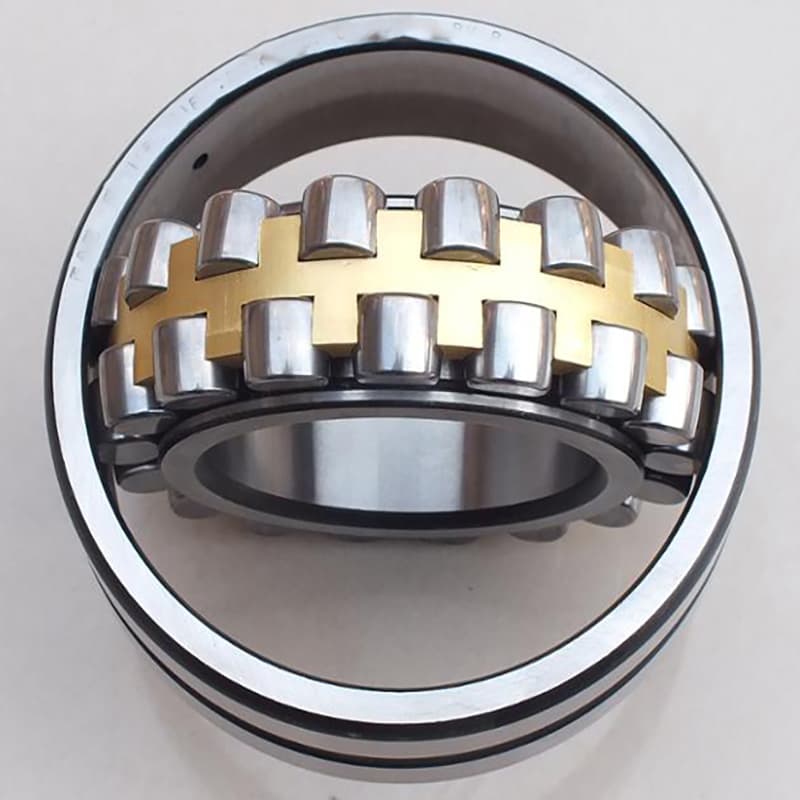
Vertical alignment stress is the first killer. A bucket elevator has a head pulley at the top and a boot pulley at the bottom. They are connected by a long shaft, sometimes 20 meters apart. Over time, the shaft sags. The head pulley tilts slightly. Your bearing is at the end of this shaft. It feels a side load. A normal deep groove ball bearing cannot tilt much. But a spherical roller bearing has a self-aligning feature. It can tilt up to 2 degrees. That is why I always recommend spherical roller bearings for elevators.
Falling debris is the second killer. Picture a bucket elevator. Material like grain, cement, or fertilizer is scooped up. Some of it falls off the buckets. It rains down on the head pulley bearing housing. Dust gets everywhere. Standard seals let fine dust in. Once inside, the dust acts like sand. It grinds the rollers and raceways. I saw this in a cement plant in Bangladesh. Their bearings failed every three months. We changed to spherical roller bearings with triple-lip seals. The new bearings lasted 14 months.
Start-stop shock is the third killer. A bucket elevator does not start smoothly. The motor turns on. The belt or chain has to lift a heavy column of material. That sudden force goes through the shaft and into the bearings. Standard bearings crack under repeated shock. Spherical roller bearings have larger rollers and stronger cages. They handle shock much better. A customer in Indonesia ran a grain elevator. He started and stopped 10 times per day. Standard bearings failed every 2 months. Spherical roller bearings lasted 9 months.
So if you run any vertical material handling, use spherical roller bearings. They are built for this.
What Makes Spherical Roller Bearings the Right Choice for Vertical Lift Applications?
You hear about different bearing types. Some people use tapered roller bearings. Some use cylindrical roller bearings. Why should you pick spherical roller for your elevator?
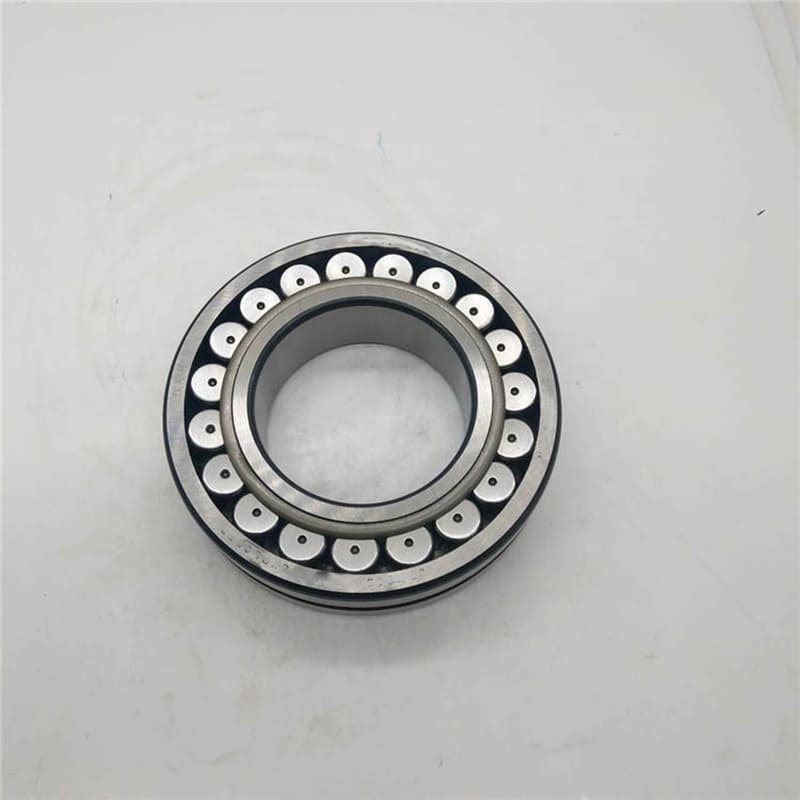
Spherical roller bearings have three special features: self-alignment, high radial load capacity, and shock resistance. No other roller bearing type combines all three. That makes them perfect for bucket elevator shafts.
Comparing Bearing Types for Elevators
Let me compare spherical roller bearings with other common types. Use the table to see the differences.
| Bearing Type | Self-Alignment | Radial Load | Shock Load | Speed Capability | Best for Elevator? |
|---|---|---|---|---|---|
| Deep groove ball bearing | No (very little) | Medium | Poor | High | No – fails fast |
| Cylindrical roller bearing | No | Very high | Medium | Medium | No – needs perfect alignment |
| Tapered roller bearing | No | High (also high axial) | Medium | Medium | No – alignment critical |
| Spherical roller bearing | Yes (up to 2°) | Very high | High | Medium to low | Yes – best choice |
Self-alignment saves you from perfect alignment. In a real elevator, shafts are never perfectly straight. The head pulley might be 0.5 degrees off from the tail pulley. A cylindrical or tapered roller bearing would get edge loading. That means the roller touches the raceway only at one edge. It creates high stress and heat. But a spherical roller bearing has a curved outer raceway. The barrel-shaped rollers can tilt. The load spreads evenly. That is why elevator manufacturers use spherical rollers.
High radial load capacity handles the weight. A bucket elevator carries tons of material. The head pulley takes all that weight. The bearing at the head shaft must support a heavy radial load. Spherical roller bearings have long rollers. They have more contact area than ball bearings. That means they can take heavier loads without deforming. I supplied spherical roller bearings to a limestone elevator in Vietnam. The head pulley load was 15 tons. Our bearings (22324 series) worked perfectly for two years.
Shock resistance comes from the cage design. Spherical roller bearings use pressed steel or brass cages. These cages are strong. They hold the rollers in place during sudden starts. Brass cages are even better for high shock. They cost more but they last longer in start-stop applications. A customer in Russia used our bearings with brass cages on a coal elevator. The elevator started 20 times per shift. The bearings lasted 18 months. Previously, standard bearings with steel cages lasted only 6 months.
What about axial load? Bucket elevators mainly have radial loads. But sometimes the belt or chain pulls sideways. That creates a small axial load. Spherical roller bearings can take some axial load too. It is not their main strength, but it is enough for elevators. So you do not need a separate thrust bearing.
My advice: Always choose spherical roller bearings for head and boot pulleys of bucket elevators. For tail pulleys and light-duty elevators, you might get away with deep groove ball bearings. But for reliability, go spherical.
How Do You Select the Right Internal Clearance (C3 or C4) for Bucket Elevators?
You order a spherical roller bearing. But the catalog shows C0, C3, C4. You do not know which clearance to pick. You guess. The bearing runs hot later.
For most bucket elevators, choose C3 clearance. For elevators with high ambient temperature (above 80°C) or very high speed, choose C4. For normal indoor grain elevators, C3 is safe and standard.
Understanding Internal Clearance in Simple Terms
Let me explain clearance with a simple example. Use the table to compare.
| Clearance Code | Internal Gap (Normal Temperature) | Best For | Risks |
|---|---|---|---|
| C0 (Normal) | Smallest gap | Low speed, cool running, light loads | May seize if shaft expands from heat |
| C3 | Medium gap | Most industrial applications, moderate heat | Acceptable for most elevators |
| C4 | Larger gap | High heat (over 80°C), high shaft expansion | Bearing may be too loose at cold start |
| C5 | Largest gap | Very high heat or very thin shafts | Rarely needed for bucket elevators |
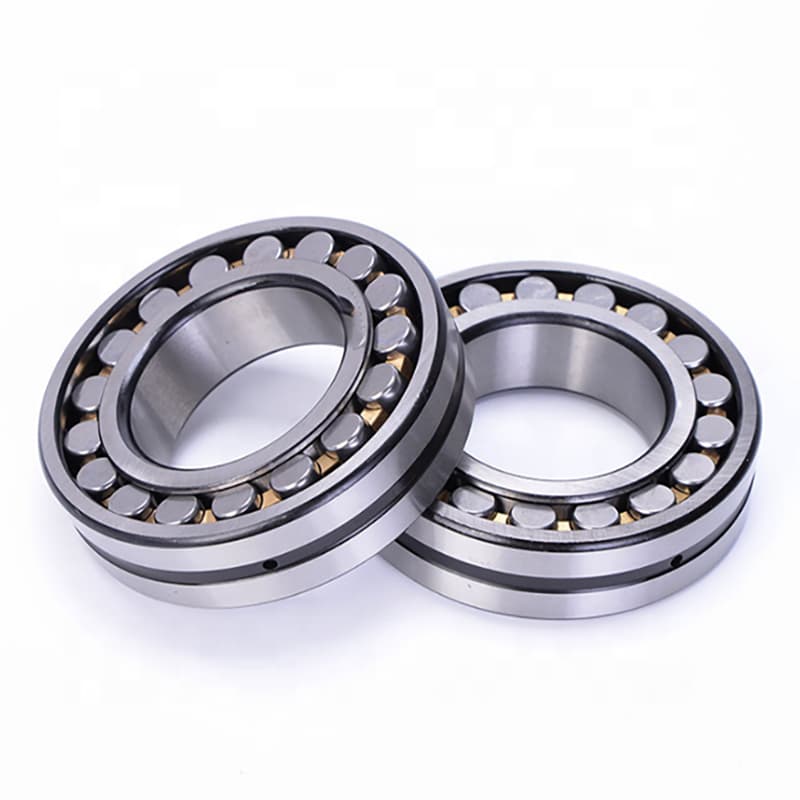
What is internal clearance? Inside a spherical roller bearing, there is a small gap between the rollers and the raceways. When the bearing runs, it heats up. The steel expands. The gap gets smaller. If the gap is too small, the bearing can seize. So you need a bigger gap for hot conditions. That is what C3 and C4 mean. They are extra clearance.
For most bucket elevators, C3 works well. A typical grain elevator runs at ambient temperature. The bearing might get warm, maybe 50°C to 70°C. C3 clearance handles that. I have supplied thousands of C3 spherical roller bearings to elevator manufacturers in Turkey and India. No problems. For example, a 22316 bearing with C3 clearance is standard for head pulleys of medium elevators.
When to use C4. You need C4 if your elevator is outdoors in a hot country. Or if your material is hot, like cement clinker. Also use C4 if the shaft is long and expands a lot. One of my customers in Egypt ran a cement elevator. The material temperature was 120°C. The shaft got very hot. He used C4 clearance bearings. They ran without seizing. Another customer in Russia with a cold environment used C3. Cold shrinks the shaft. C4 would be too loose. So temperature matters.
How to check clearance. Look at the bearing number. After the size, you will see a code. For example, 22316 C3 means C3 clearance. 22316 C4 means C4 clearance. If you see no code, it is C0. Always confirm with your supplier. Do not guess.
A simple rule for elevator buyers. If your elevator runs 24/7 at normal temperatures (0°C to 50°C), use C3. If you have any heat source near the bearing, use C4. If you are unsure, choose C3. It is the safest and most available. I keep C3 in stock for all popular sizes.
Which Housing and Sealing Options Protect Bearings from Falling Dust and Debris?
Your bucket elevator spills material. Dust and small particles fall onto the bearing housing. They get inside. The bearing grinds itself to death.
Use a pillow block housing with a triple-lip rubber seal and an additional flinger (dust shield) on the top side. For very dusty elevators, add a rubber cover over the whole housing.
Four Levels of Protection Against Falling Dust
I have seen many elevators in grain, cement, and fertilizer plants. Here is a protection guide. Use the table to pick the right level.
| Protection Level | What It Includes | Dust Resistance | Cost | Best For |
|---|---|---|---|---|
| Level 1 (Basic) | Standard cast iron housing + single-lip seal | Low | Low | Clean elevators, indoor, no falling dust |
| Level 2 (Good) | Cast iron + triple-lip seal (NBR rubber) | Medium | Medium | Most grain elevators with some dust |
| Level 3 (Better) | Cast iron + triple-lip seal + metal flinger on shaft | High | Medium-high | Cement, fertilizer, dusty environments |
| Level 4 (Best) | Cast iron + triple-lip + flinger + rubber boot cover | Very high | High | Heavy dust, outdoor, washdown areas |
Level 2 with triple-lip seal is the minimum for bucket elevators. A single lip seal is useless against falling dust. Triple-lip has three barriers. The lips face outward. They keep dust out. They also keep grease in. I recommend this for most grain elevators. A customer in Brazil used triple-lip seals on his soybean elevator. Previously, dust got in within one month. With triple-lip, the bearings stayed clean for six months.
Level 3 adds a flinger. A flinger is a metal or rubber disc that spins with the shaft. It is mounted outside the seal. As it spins, it throws dust away from the seal. Think of it like a fan. It works very well for dry dust like cement or lime. I supplied flinger-equipped pillow blocks to a cement plant in Pakistan. The head pulley bearing had failed every 2 months due to dust. After adding flingers, the same bearings lasted 11 months.
Level 4 adds a rubber boot. This is a soft rubber cover that wraps around the whole housing. Only the shaft sticks out. No dust can settle on the seals. This is extreme protection. I have seen it used on fertilizer elevators. Fertilizer dust is corrosive and fine. It gets everywhere. The rubber boot keeps it away. One of my customers in Vietnam used this on a potash elevator. The bearings lasted two years instead of six months.
Housing material also matters. For dusty elevators, use cast iron with a painted or plated surface. But avoid bare cast iron in wet areas. For very corrosive dust (like certain chemicals), use stainless steel housings. I can supply those too.
A practical tip: Mount the bearing with the grease fittings pointing upward or sideways. Do not point them downward. Falling dust can clog the fitting. Also, check and clean the housing top every week. Wipe off accumulated dust. That small action prevents many failures.
So choose Level 2 or 3 for most bucket elevators. If you have extreme dust, go to Level 4. Contact me for specific housing recommendations.
Conclusion
Spherical roller bearings with C3 clearance, triple-lip seals, and flingers are the best choice for bucket elevators. They handle misalignment, shock, and dust.