
Your palm oil press breaks down again. The bearings last only two months. You are tired of replacing them.
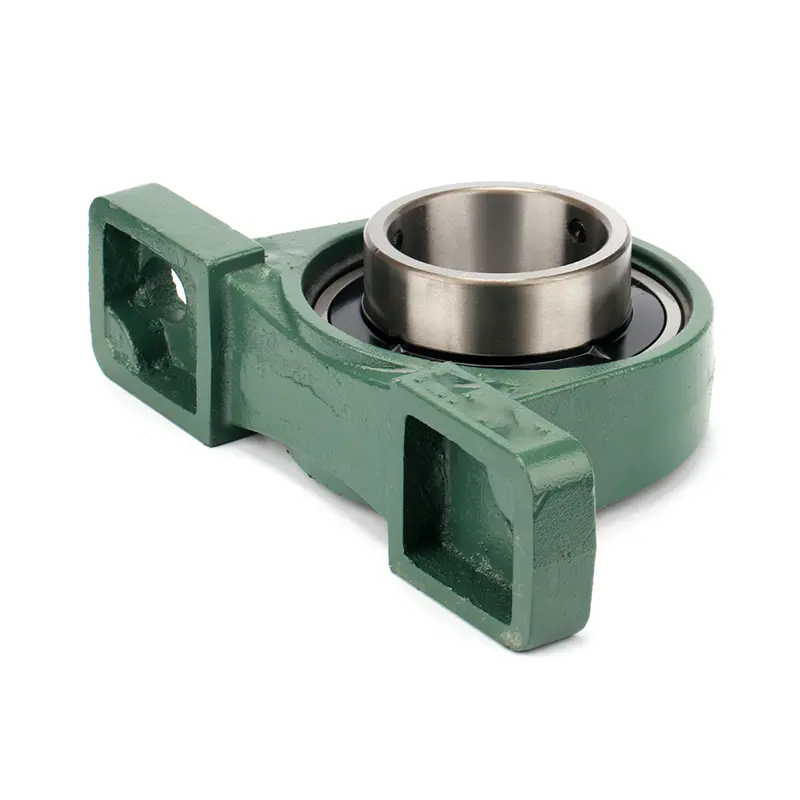
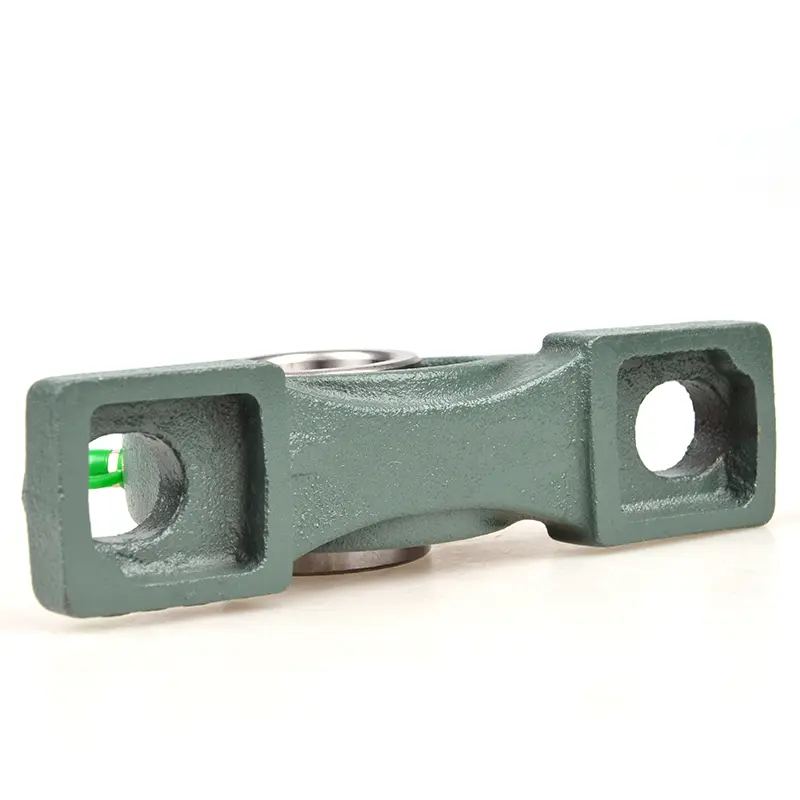
For palm oil and edible oil equipment, use pillow block bearings with stainless steel housings, triple-lip rubber seals, and high-temperature grease. These parts resist corrosion and heat.
I am Leo from FYTZ Bearing. I have sold bearings to palm oil mills in Indonesia, Malaysia, and Nigeria. I also work with edible oil refineries in India and Brazil. Let me tell you why standard bearings fail fast in this industry. Then I will show you what works.
Why Do Palm Oil Mills Destroy Bearings Faster Than Other Industries?
You put a new bearing in a screw press. Three weeks later, it makes grinding noises. Two weeks after that, it seizes. You wonder what went wrong.
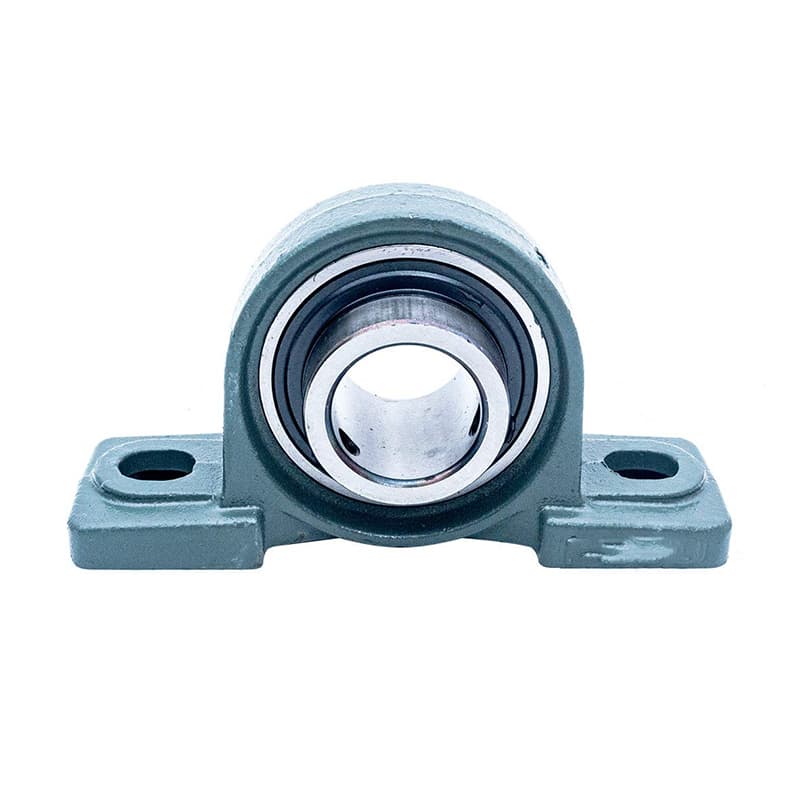
Palm oil mills create three killers: high heat, acidic moisture, and heavy debris. These three things together eat standard bearings much faster than dust or normal wear.
The Three Killers in Every Palm Oil Mill
I have visited many palm oil mills in Indonesia and Malaysia. The conditions are tough. Let me break down each problem with a table.
| Killer | Where It Comes From | How It Damages Bearings | Typical Bearing Life |
|---|---|---|---|
| High heat | Steam from fruit sterilization | Grease breaks down. Metal expands. Seals harden. | 50% shorter life |
| Acidic moisture | Palm fruit juice (pH 4-5) | Rust forms inside. Pitting starts. Races flake. | 80% shorter life |
| Heavy debris | Fiber, sand, shell pieces | Abrasion scratches surfaces. Seals tear open. | 70% shorter life |
High heat is the first killer. Palm oil mills use steam to sterilize the fruit. Temperatures reach 100°C or more. Standard bearing grease melts at 120°C. But in real conditions, the grease gets hot and runs out. The bearing runs dry. Then it fails. I remember a customer in Nigeria. He used cheap bearings with standard grease. They lasted one month. We switched him to high-temperature grease and special seals. His bearings now last eight months.
Acidic moisture is the second killer. Fresh palm fruit has a pH of about 4.5. That is acidic. When the juice gets into a bearing, it starts corrosion. You will see red rust on the housing. Then the bearing races get pits. The balls or rollers do not roll smoothly. They make noise. Finally, they seize. One of my buyers in India runs an edible oil refinery. He told me: "Leo, the acid from sunflower seeds ate our bearings in six weeks."We gave him stainless steel housings. Problem solved.
Heavy debris is the third killer. Palm oil mills are not clean places. Fibers from the fruit fly around. Sand and small stones come with the fruit. These particles get past cheap seals. They go inside the bearing. Then they act like sandpaper. The bearing surfaces get scratches. The clearance increases. The bearing gets loose. Then it fails. A mill in Thailand had this problem. They changed to triple-lip seals. Debris stopped getting in.
These three killers work together. Heat softens the seals. Then moisture and debris get in. The result is fast failure. Standard bearings are not built for this. So you need special pillow block bearings.
What Housing Materials Can Survive Hot and Corrosive Oil Environments?
You see rust on your bearing housings after six months. The paint peels off. The metal looks flaky. You know it will fail soon.
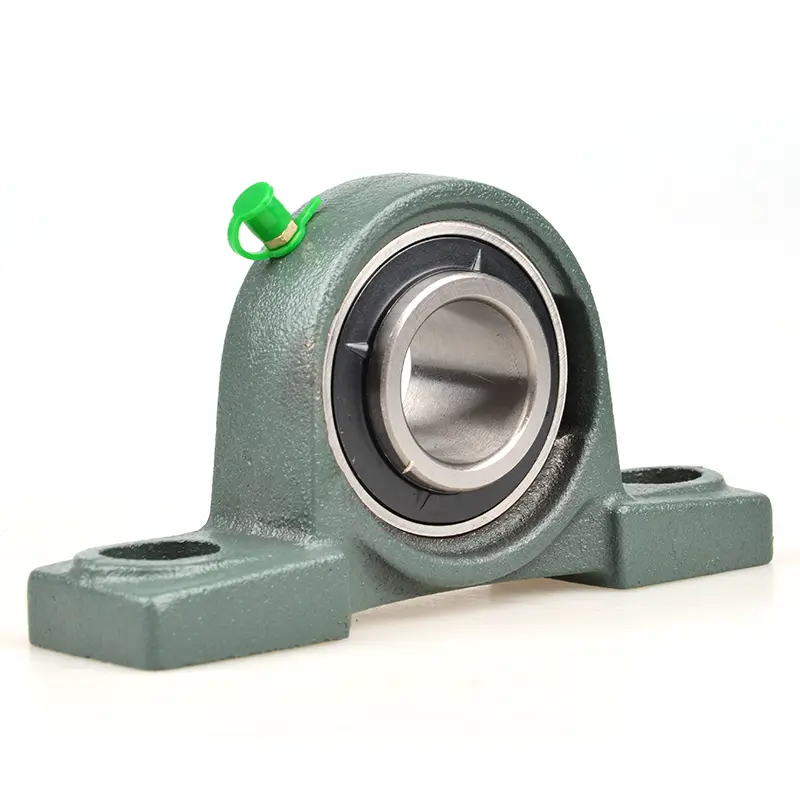
Use stainless steel or nickel-plated cast iron housings. Stainless steel is best for wet and acidic areas. Nickel-plated cast iron works for less severe spots. Never use plain cast iron without coating.
Comparing Housing Materials for Oil Processing
I have supplied bearings to over 20 edible oil plants. Here is what I learned about housing materials. Let me show you a comparison table.
| Housing Material | Corrosion Resistance | Cost | Best Use in Oil Processing |
|---|---|---|---|
| Plain cast iron (no coating) | Very poor | Low | Do not use in any oil mill |
| Painted cast iron | Poor (paint chips) | Low + coating | Dry areas only, not near moisture |
| Nickel-plated cast iron | Good | Medium | Press area with moderate moisture |
| Zinc-plated cast iron | Medium | Medium | Areas with light splashing |
| Stainless steel (304) | Excellent | High | Sterilizers, wet conveyors, acid areas |
| Stainless steel (316) | Best for salt/acid | Very high | Coastal palm oil mills with high humidity |
Stainless steel 304 is my top recommendation. It handles the acidic juice from palm fruit. It does not rust. It stands up to washdowns. I sold stainless steel pillow block bearings to a palm oil mill in Sumatra. The old painted bearings rusted in three months. The stainless steel ones still looked new after one year. Yes, they cost more. But they last five times longer. That means less downtime and fewer purchases.
Nickel-plated cast iron is a good second choice. If your budget is tight, this works. The nickel coating protects the cast iron from moisture. But it can scratch. Once the coating is damaged, rust starts underneath. So use this only in areas with mild exposure. For example, a dry conveyor belt or a bucket elevator. Do not use it near steam or direct washdown. A customer in Brazil used nickel-plated housings on his soybean crusher. They lasted two years. That was good enough for him.
Avoid plain cast iron at all costs. I see many mill owners buy cheap bearings. They think they are saving money. But plain cast iron rusts fast in an oil mill. The rust flakes off. The bearing gets loose. The whole unit falls apart. Then you buy another cheap one. After three or four replacements, you have spent more than a stainless steel bearing. And you lost production time. So do not make this mistake.
What about plastic housings? Some suppliers sell plastic pillow blocks. They resist corrosion well. But they cannot take heavy loads. Palm oil screw presses have high forces. Plastic housings crack. Stick with metal. Stainless steel is the safe choice.
Here is my practical advice. For the wet areas (sterilizers, digesters, press screws), use stainless steel 304. For dry conveyors and elevators, nickel-plated is fine. For any area with direct acid contact, choose stainless steel. And always buy from a trusted factory like FYTZ. We test our housings for salt spray resistance.
Which Sealing Solutions Keep Contaminants Out of Your Edible Oil Equipment?
You see black grease leaking out of the bearing. Brown juice is getting in. The bearing makes a grinding sound. The seals have failed again.
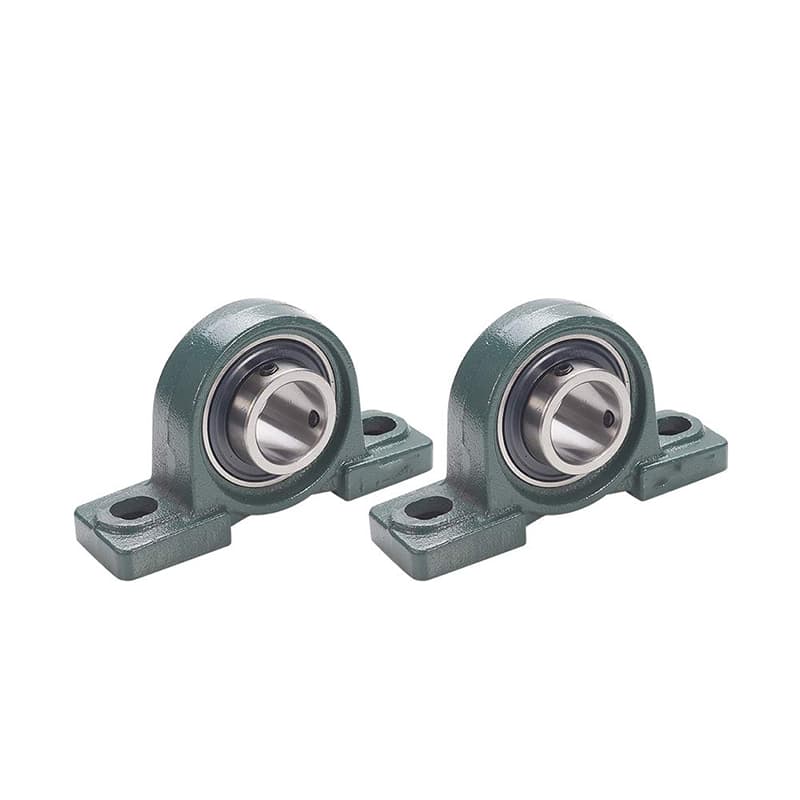
Use triple-lip rubber seals for most edible oil equipment. For very dusty or wet areas, add an external flinger or a rubber cover. Single-lip seals are not enough for oil mills.
Four Seal Types and Where They Work
I have tested many seal designs in real oil mills. Here is a simple guide. Use the table to pick the right one.
| Seal Type | How It Works | Protection Level | Best For |
|---|---|---|---|
| Single-lip seal | One rubber lip touches shaft | Low | Clean, dry indoor conveyors |
| Double-lip seal | Two lips, some grease space | Medium | General factory with some dust |
| Triple-lip seal | Three lips with labyrinth effect | High | Palm oil mills, wet areas, dusty zones |
| Triple-lip + flinger | Extra metal or rubber disc outside | Very high | Screw presses, sterilizers, washdown areas |
Triple-lip seals are the minimum for palm oil. A single lip lets debris in. A triple lip has three barriers. The lips face outward. They keep contaminants out. They also keep grease in. I sent sample bearings to a palm oil mill in Malaysia. They tested single-lip against triple-lip. The single-lip bearings failed in two months. The triple-lip ones lasted nine months. That is a huge difference.
Add a flinger for the worst conditions. A flinger is a disc that spins with the shaft. It throws water and dirt away from the seal. Think of it like an umbrella. You can get rubber flingers or metal ones. I recommend rubber for palm oil. It is more flexible. It seals better against the housing. One of my customers in Indonesia uses triple-lip seals with rubber flingers on their digester shafts. They have zero contamination problems now.
What about contact seals vs. non-contact? Contact seals touch the shaft. They seal better but create a little friction. Non-contact seals have a tiny gap. They have less friction but let very fine dust through. For oil mills, you want contact seals. The extra friction is small. The protection is worth it.
Check the rubber material. Standard seals use nitrile rubber (NBR). That is fine for normal oil and temperatures up to 100°C. But if you have high heat (over 100°C), ask for Viton (FKM) seals. They cost more but handle 200°C. For cold areas or food-grade oil, silicone seals also work. Tell your supplier the temperature. They will choose the right rubber.
Here is a final seal tip. Replace the bearing when you see grease turning brown or black. That means contamination has started. Do not wait until the bearing makes noise. By then, the damage is done. Check seals every three months. If they look cracked or hard, replace the whole bearing.
How Should You Lubricate Pillow Block Bearings in Continuous Oil Processing?
Your oil press runs 24 hours a day. You add grease once a week. But the bearings still overheat. You are not sure if you are using the right grease or the right amount.
Use high-temperature lithium complex grease with EP additives. Re-grease every 200 to 500 hours. Pump slowly until fresh grease comes out of the seal. Do not over-grease.
A Simple Lubrication Plan for 24/7 Mills
I have helped many mills set up their lubrication schedules. Let me give you a clear plan with a table.
| Operating Condition | Grease Type | Re-greasing Interval | Amount per Bearing |
|---|---|---|---|
| Normal temperature (below 80°C), clean | Lithium EP2 | Every 500 hours | 3-5 pumps from grease gun |
| High temperature (80-120°C) | Lithium complex or polyurea | Every 200 hours | 2-3 pumps |
| Wet or acidic environment | Water-resistant lithium complex | Every 300 hours | 4-6 pumps |
| Very high speed (over 1000 RPM) | Low-torque grease | Every 150 hours | 1-2 pumps |
Choose the right grease base. For palm oil mills, I recommend lithium complex grease with EP (extreme pressure) additives. It stands up to high heat. It resists water washout. It does not break down from acid. One brand that works is Mobilgrease XHP 222 or equivalent. Do not use standard general-purpose grease. It will melt and run out. A customer in India used cheap grease. It turned into liquid. The bearing ran dry and seized. That cost him a full day of production.
Do not over-grease. Many people think more grease is better. It is not. Too much grease creates heat. The housing fills up. Pressure builds. The seals push open. Then grease leaks out and dirt gets in. So pump slowly. Stop when you see fresh grease coming out of the seal. That usually takes 3 to 5 pumps for a small bearing. For a large bearing, 8 to 10 pumps [web:167].
Set a schedule, not a reaction. Do not wait for the bearing to get hot or noisy. Put a weekly lubrication task on your maintenance board. For continuous oil processing, every Monday morning, grease all bearings. Write down which ones you did. A mill in Nigeria followed this rule. Their bearing failures dropped by 70% in six months.
What about automatic lubrication? If your budget allows, install single-point lubricators. These are small devices that screw onto the grease fitting. They push a little grease every day. They work well for hard-to-reach bearings. I supply these to some customers. But a manual schedule with a good worker works just as well.
Never mix different greases. Different thickeners do not mix. Lithium and polyurea together form a hard paste. That blocks the grease channel. So pick one grease type. Use it for all your bearings. Label the grease gun. Train your team. Stick to the same brand and type.
Here is a final lubrication tip. For very high heat areas (near steam pipes), consider food-grade grease. Even if you are not making edible oil, food-grade grease handles high heat well. It also resists washdown. Ask me for a recommendation. I can send you a sample.
Conclusion
Palm oil mills need special bearings. Use stainless steel housings, triple-lip seals, and high-temperature grease. Then your equipment keeps running.