
Sand and cement plants destroy bearings fast. I see broken housings and seized bearings every week. It hurts production and your wallet.
The right bearings for these tough jobs are heavy-duty pillow blocks with triple labyrinth seals, ductile iron housings, and proper heat-stabilized grease. No standard bearing will last long here.
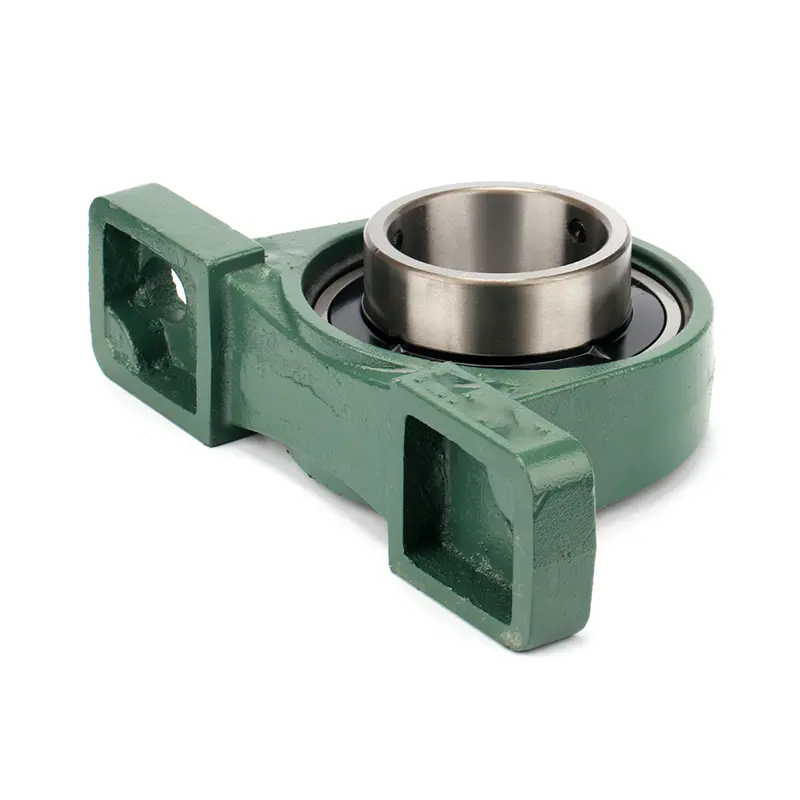
I run a bearing factory called FYTZ Bearing. We ship to Turkey, Russia, Brazil, India, and many other countries. My customers in sand and aggregate processing always ask the same questions. Why do bearings die so fast? How can I make them last longer? I will answer these questions in this guide. And I will show you exactly what to look for when you buy bearings for crushers, screens, and conveyors.
What Are the Three Major Challenges in Harsh Conditions?
Dust, impact, and heat are the three big killers. They work together to destroy your bearings. You cannot stop them completely. But you can choose bearings that fight back.
Dust gets inside the bearing. It mixes with the grease. Then it turns into a grinding paste. The rolling elements wear down fast. The races get pitted. Then the bearing makes noise. Soon after, it seizes.
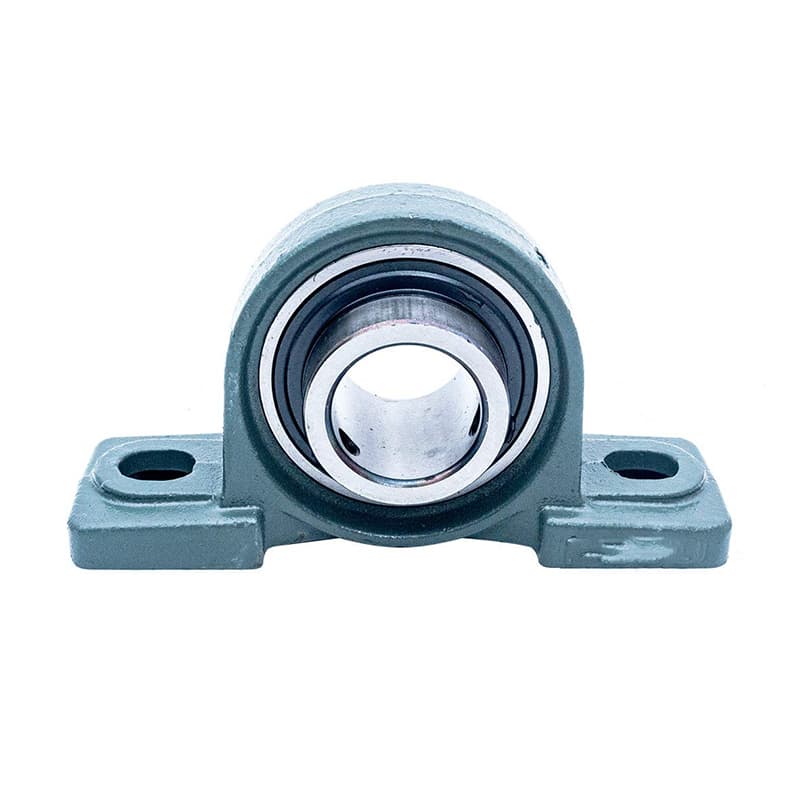
Impact is the second problem. Crushers and screens shake violently. Each shock travels through the housing into the bearing. Standard housings crack under this stress. The rolling elements get dented. Those dents create more vibration. Then the damage gets worse.
Heat is the third challenge. Many sand and cement plants run 24 hours a day. The bearing gets hot from friction and from the surrounding equipment. Normal grease breaks down above 80°C. Once the grease fails, metal touches metal. Then the bearing dies in hours.
Let me give you a real example. A customer from Egypt runs a sand washing plant. He used standard pillow block bearings. The dust was everywhere. The bearings failed every two weeks. He sent me photos. The housings were full of sand. The grease looked like mud. I told him to switch to our heavy-duty bearings with better seals. Now his bearings last six months. That is a huge improvement.
So how do you fight these three challenges? You need three things.
First, a housing that seals well. Not a basic rubber seal. You need a triple labyrinth seal. It creates a long, twisting path. Dust gets trapped before it reaches the bearing.
Second, a ductile iron housing. Cast iron is brittle. It cracks under impact. Ductile iron bends a little before it breaks. That is much better for crushers and screens.
Third, high-temperature grease. Standard grease melts. You need a grease that works up to 150°C or more. Also, you want a bearing with a grease fitting. That lets you add fresh grease often. Fresh grease pushes out the dirty grease.
I made a small table to help you check your bearings.
| Challenge | What fails | What you need |
|---|---|---|
| Dust | Standard seals let dust in | Triple labyrinth seal |
| Impact | Gray cast iron housing cracks | Ductile iron or cast steel housing |
| Heat | Normal grease breaks down | High-temp grease + relubrication fitting |
| Vibration | Rollers get dented | Larger rolling elements (heavy-duty design) |
If your bearings die too fast, look at this table. Find which problem is yours. Then fix it.
How to Choose the Right Bearing Type for Crushers, Vibrating Screens, and Conveyors?
Each machine has a different need. A crusher hits hard. A vibrating screen shakes fast. A conveyor runs steady but long. You need a different bearing for each one.
Let me start with crushers. Jaw crushers and cone crushers see very high shock loads. The bearing takes a heavy blow every time the crusher bites a rock. I recommend heavy-duty spherical roller bearings for crushers. They handle misalignment well. They also have large rollers that absorb shock.
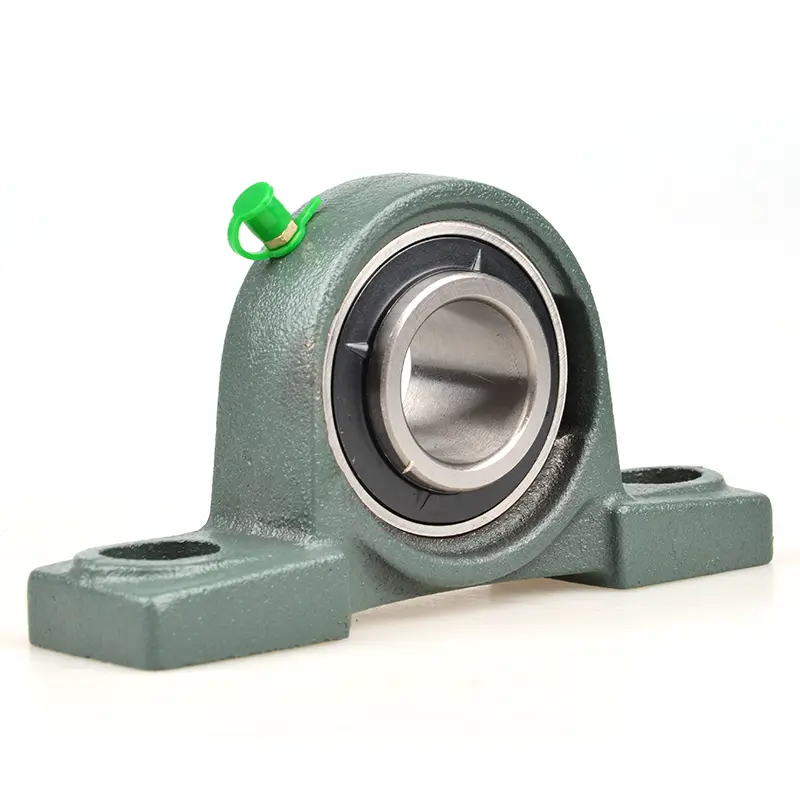
What about vibrating screens? These machines shake at high frequency. The bearing vibrates with the screen. That creates a special problem. The rolling elements can skid instead of roll. Skidding causes flat spots. Then the bearing fails.
For vibrating screens, you need a bearing with a tighter internal clearance. Standard clearance is too loose. Ask for C4 or even C5 clearance. That is a special grade for vibration. Also, the cage (the part that holds the rollers) must be strong. Brass or steel cages work better than plastic ones.
Now for conveyors. Conveyors in sand and cement plants are long. They run all day. The bearing gets hot from constant rotation. But the bigger problem is alignment. A long conveyor bends. The bearings must handle some misalignment.
For conveyors, I like spherical or tapered roller bearings. They allow up to 2 degrees of misalignment. Also, make sure the housing has a grease fitting. You need to lubricate conveyor bearings every week. Many people forget this. Then the bearing runs dry and fails.
I remember a customer from Indonesia. He runs a cement packing line. The conveyors are short and light. He used heavy-duty bearings for everything. That was too much. I told him to use standard bearings for the light conveyors. He saved 40% on bearing costs. So match the bearing to the job, not to your fear.
Here is my simple guide.
- Crushers (jaw, cone, impact) : Heavy-duty spherical roller bearing. Ductile iron housing. C4 clearance. Brass cage.
- Vibrating screens: Heavy-duty bearing with C4 or C5 clearance. Steel or brass cage. Triple labyrinth seal.
- Long conveyors: Spherical or tapered roller bearing. Grease fitting. Ductile housing optional but good.
- Short, light conveyors: Standard pillow block bearing. Basic seal. No need for heavy-duty.
One more thing. Ask your supplier for the bearing’s dynamic load rating. Compare that to your machine’s peak load. For crushers, the peak load can be three times the normal load. So pick a bearing rated for at least double your normal load. That gives you a safety margin.
Why Are Sealing and Lubrication the Keys to Extending Bearing Life?
You can buy the strongest bearing in the world. But if dust gets in or grease runs out, it will still fail. Seals and lubrication are your first line of defense.
Let me talk about seals first. A seal is not just a rubber ring. It is a barrier. In sand and cement plants, dust particles are very small. Some are smaller than 10 microns. That is thinner than a human hair. These tiny particles go through basic seals like water through a net.
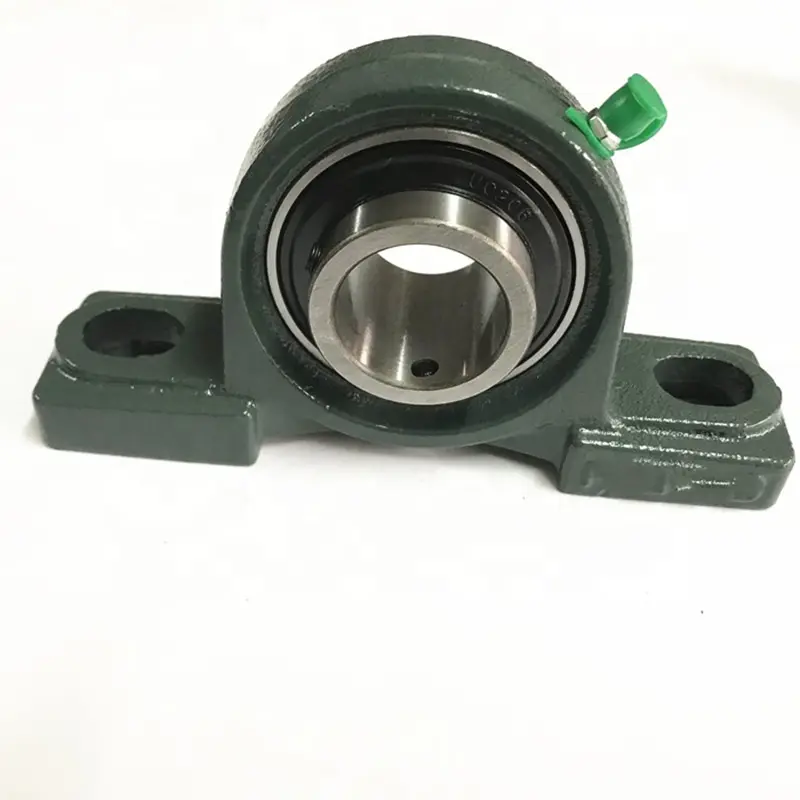
You need a triple labyrinth seal. Here is how it works. The seal has three chambers. Each chamber traps dust. The dust has to turn three corners to reach the bearing. Most dust never makes it. The same seal also keeps grease inside.
Some suppliers sell bearings with rubber contact seals. Those work fine for clean factories. But in sand and cement, the rubber wears down fast. Then you have no seal at all. So always ask for labyrinth seals. And make sure it is triple, not single.
Now lubrication. Grease is the blood of your bearing. Without it, metal touches metal. Then heat builds up. Then the bearing welds itself together. That is a catastrophic failure.
In sand and cement plants, you need to lubricate often. I recommend every week for crushers and screens. Every two weeks for conveyors. But many maintenance workers forget. Or they use the wrong grease.
Here is what you need.
- High-temperature grease with a drop point above 200°C. Standard grease melts at 150°C.
- Heavy-base oil viscosity of ISO VG 220 or higher. Thick oil stays on the metal better.
- EP additives (extreme pressure). These additives protect the metal during shocks.
Do not mix different greases. Different thickeners can react. The grease turns into soap. Then it hardens and blocks the bearing. Always clean out the old grease first.
I also recommend bearings with a grease fitting on the housing. That lets you pump new grease in while the machine runs. Pump until you see clean grease coming out of the seal. That pushes the dirty grease out. This is called purging.
A customer from Russia did this. He runs a cement mill. He used to change bearings every two months. Then he switched to our bearings with triple labyrinth seals and a weekly grease purge. Now his bearings last over a year. He calls me every six months to thank me.
So here is my rule. Spend money on good seals and good grease. These two things cost very little compared to a broken bearing. But they make the biggest difference.
How Do Standard-Duty and Heavy-Duty Bearings Compare in Sand and Cement Plants?
Many buyers ask me this. Can I save money by using standard bearings in a tough plant? The short answer is no. But let me show you the real numbers.
Standard-duty bearings use gray cast iron housings. The walls are thin. Gray iron is hard but brittle. Hit it with a hammer and it cracks. In a crusher or screen, that is exactly what happens. The vibration creates thousands of small hits every minute. Soon a hairline crack appears. Then the crack grows. Then the housing breaks in half.
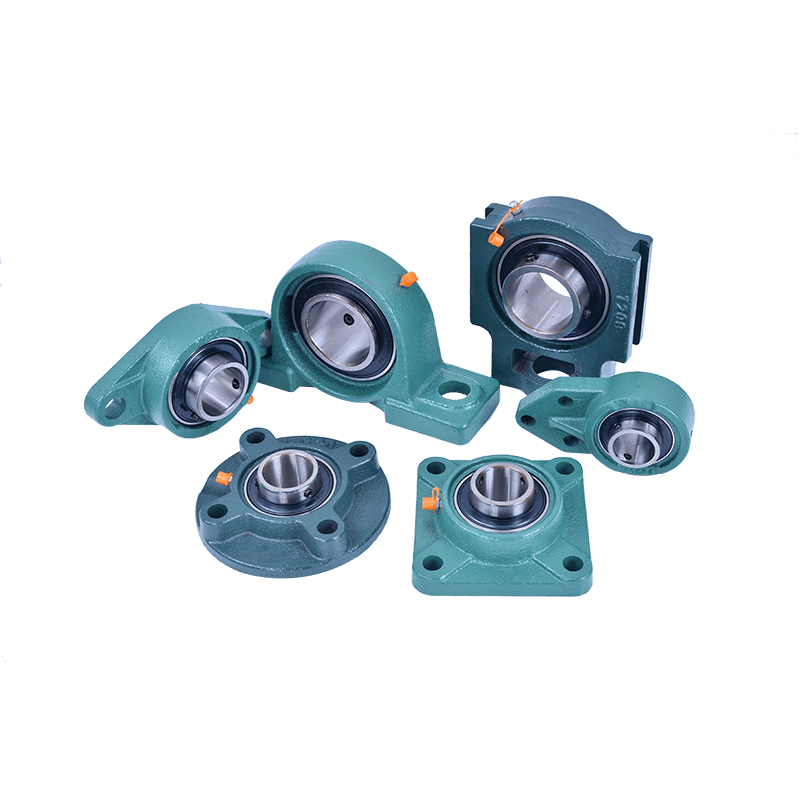
Heavy-duty bearings use ductile iron or cast steel. Ductile iron has a different structure. It bends before it breaks. That is perfect for high-impact machines. The housing absorbs the shock without cracking.
Now look at the rolling elements. Standard bearings use normal-sized balls or rollers. Heavy-duty ones use larger, thicker rollers. A larger roller spreads the load over a bigger area. That means less stress on each roller. So the bearing can take more weight and more shocks.
Let me give you a table based on real tests in our factory and from customer feedback.
| Feature | Standard-Duty | Heavy-Duty |
|---|---|---|
| Housing material | Gray cast iron | Ductile iron or cast steel |
| Housing wall thickness | Thin (10-15 mm typical) | Thick (20-30 mm) |
| Roller size | Standard diameter | 20-30% larger |
| Seal type | Single lip or basic labyrinth | Triple labyrinth |
| Grease fitting | Often none | Yes, standard |
| Relubrication interval | Sealed for life | Weekly to monthly |
| Expected life in crusher | 2-8 weeks | 6-18 months |
| Expected life in screen | 4-12 weeks | 8-24 months |
| Price | $15-40 (example) | $40-100 (example) |
| Total cost per year | Higher due to frequent changes | Lower |
I had a customer from Brazil. He runs a sand crushing line. He tried standard bearings because they were cheaper. He paid $30 each. They failed every 3 weeks. Each failure cost him $200 in labor and $500 in lost production. He changed bearings 17 times in one year. Total cost was over $12,000.
Then he switched to our heavy-duty bearings at $85 each. They lasted 14 months. He bought 3 bearings for the whole year ($255). Labor and downtime dropped to almost zero. He saved $11,745 in one year. That is real money.
So why do people still buy standard bearings for tough plants? Because they only look at the purchase price. They forget the total cost. My advice is simple. For sand, cement, and aggregate processing, always use heavy-duty bearings. The upfront price is higher. But the long-term savings are huge. And your machines keep running. That is what matters.
Conclusion
Use heavy-duty bearings with triple labyrinth seals and ductile iron housings. Lubricate weekly. Match the bearing type to your machine. You will cut downtime and save money.