
Many buyers pick the wrong bearing type. Then their machines break down too fast. I see this every week in my email.
The short answer is simple. Choose standard-duty for steady, light to medium loads. Choose heavy-duty for high loads, strong impacts, or dirty conditions. Your equipment’s real working environment decides everything.
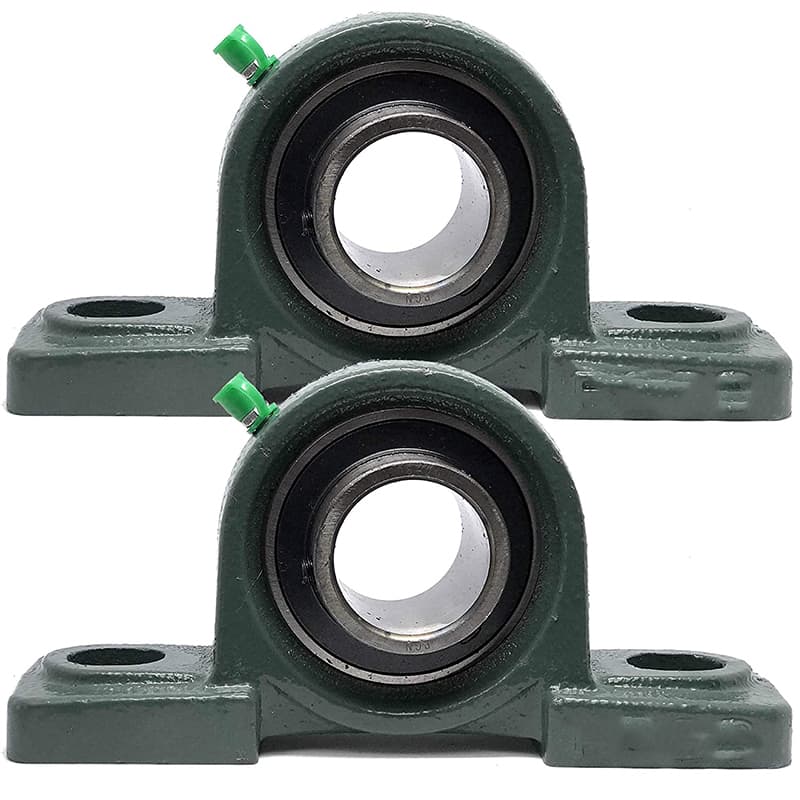
But there is more to it than just “heavy is better”. I learned this the hard way. A few years ago, a buyer from India asked me for heavy-duty bearings for a simple conveyor. He spent extra money for no reason. That is why I write this guide. Let me walk you through the four most important things you need to check before you order.
What Are the Core Differences Between Standard-Duty and Heavy-Duty Pillow Block Bearings?
Most people think heavy-duty means bigger and stronger. That is true, but not complete. The real difference is in design and materials.
Heavy-duty bearings use thicker housings and stronger steel. They also have larger rolling elements. Standard-duty bearings use less material. That makes them cheaper and lighter.
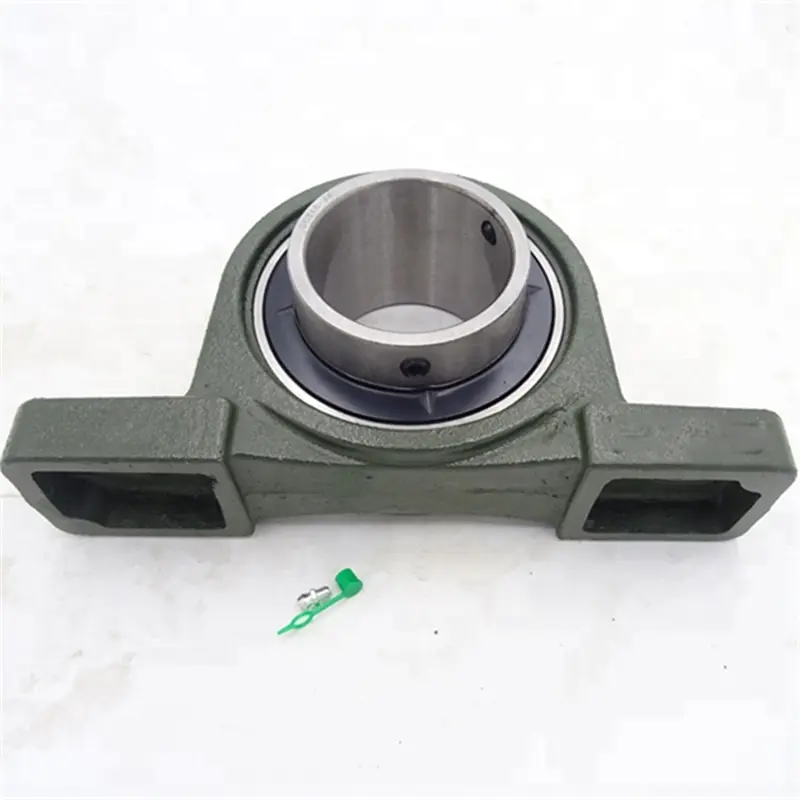
Let me break this down. I run a bearing factory called FYTZ Bearing. We make both types. Every day, I help customers pick the right one. The table below shows the key differences you need to check.
| Feature | Standard-Duty | Heavy-Duty |
|---|---|---|
| Housing material | Gray cast iron (usually) | Ductile iron or cast steel |
| Wall thickness | Thinner | Thicker (often double) |
| Bearing steel | Standard chrome steel | Same or upgraded with heat treatment |
| Roller / ball size | Normal size | Larger diameter |
| Load rating (basic) | Lower | 30% to 50% higher |
| Impact resistance | Low to medium | High |
| Typical price | Lower | Higher (30% to 100% more) |
| Best for | Fans, light conveyors, pumps | Crushers, shakers, heavy conveyors |
So why does this matter to you? Because picking the wrong one costs you money. If you buy heavy-duty for a light job, you waste cash. If you buy standard for a heavy job, your line stops every month. I once had a customer from Pakistan. He used standard bearings on a stone crusher. The bearings failed in two weeks. He lost production for three days. That hurt his business badly.
Heavy-duty bearings also have better seals. Dirt and water stay out. Standard bearings have basic seals. In a clean factory, that is fine. In a dusty mine, it is not.
Another point. Heavy-duty bearings often let you lubricate them again. They have grease fittings. Standard ones might be sealed for life. That means you cannot add grease later. For a 24/7 machine, that is a problem.
So here is my rule. Ask yourself: does your machine see shocks, dust, or long running hours? If yes, think about heavy-duty. If not, standard is your friend.
How Do You Evaluate Load Conditions for Standard or Heavy-Duty Bearings?
Load is the most common reason people call me. But they only look at the average weight. That is a mistake.
The real killer is not the steady load. It is the peak load and vibration. A bearing might see double its normal force for just one second. That one second can break a standard bearing.

Let me explain with a story. A distributor from Turkey called me. He sold standard bearings to a factory that makes bricks. The machine ran fine for two months. Then bearings failed one after another. I asked for photos. The housings were cracked. Why? The machine had a small hammer that hit the conveyor every few seconds. That constant impact killed the bearings.
Heavy-duty bearings are built for that. Their thicker walls spread the impact force. The larger rolling elements also handle the shock better.
So how do you check your own load condition? Use these three steps.
First, measure or estimate the normal load. This is the weight the bearing carries most of the time. For a conveyor, it is the belt plus the material on it.
Second, find the peak load. This is the highest force during starting, stopping, or any impact. A gearbox starting up can double the load for a moment. A falling rock on a crusher can multiply it by five.
Third, calculate how often the peak happens. If it happens once a day, standard might still work. If it happens once a minute, you need heavy-duty.
I also look at the load direction. Pillow block bearings like radial loads (straight down). They do not like axial loads (side push). Heavy-duty bearings usually have better axial capacity too. But do not push them too far. If you have a strong side load, you need a different bearing type.
Here is a quick test you can do. Push your machine by hand when it is off. Does it move easily? Or does it jerk and stop? Jerky movement means high friction and maybe misalignment. That adds hidden load. Heavy-duty bearings can take more misalignment without failing.
In my factory, we test bearings under real loads. Not just numbers on paper. We have a machine that hits the bearing with a weight again and again. Standard ones start to show dents after 10,000 hits. Heavy-duty ones go to 50,000. That is a big difference.
So my advice is simple. Write down your peak load. Then double it. If that number is above the standard bearing’s rating, move up to heavy-duty. And if you are not sure, go heavy. A little extra cost now saves you from a big production stop later.
Which Industries or Conditions Really Need Heavy-Duty Pillow Block Bearings?
Not every industry needs heavy-duty. But some have no choice. I will tell you which ones from my real sales experience.
Heavy-duty bearings are a must in mining, stone crushing, cement, steel mills, and large agricultural machines. Also in heavy conveyors for bulk materials like coal or grain.
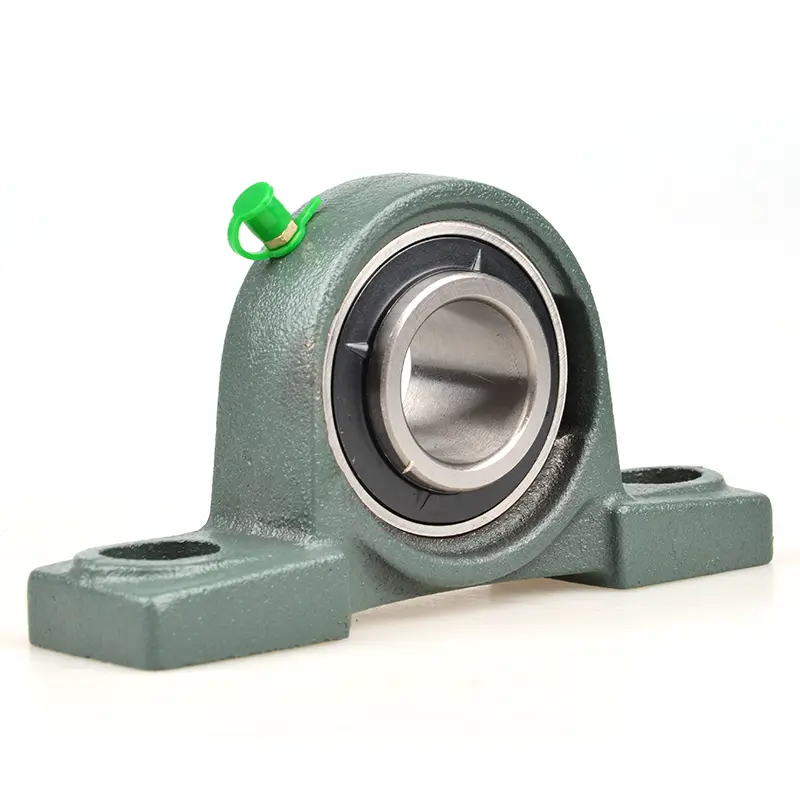
Let me give you examples. Last year, I sold to a customer in Brazil. He runs a sugar cane crushing line. The rollers press the cane with huge force. Standard bearings broke every week. He tried two other suppliers. No luck. Then he called me. I sent him our heavy-duty pillow block bearings. That was eight months ago. He just ordered again. No failures since.
Another example from Russia. A factory makes fertilizer. The material is wet and acidic. Standard bearings rusted fast. The seals could not keep the dust out. Heavy-duty bearings with special seals and thicker housing lasted three times longer. The buyer was happy.
But heavy-duty is not for everyone. I have a customer in Egypt. He makes plastic pipes. His machines run steady and clean. No shocks, no dust. Standard bearings work perfectly for him. He saves 40% on bearing costs. That is smart buying.
So how do you know if your industry needs heavy-duty? Ask these three questions.
First, is there dust, water, or chemicals? Heavy-duty bearings have better sealing and stronger housings. They also resist corrosion better if you choose the right material.
Second, does the machine start and stop a lot? Every start is a small shock. Many starts add up. Heavy-duty bearings handle that well.
Third, is the machine hard to reach for repairs? For example, a conveyor high up in a grain silo. Changing a bearing there is dangerous and expensive. So you want a bearing that lasts for years. Heavy-duty is the smart choice there.
I also see heavy-duty bearings in car manufacturing plants. The body panels go through large presses. Those presses shake the whole floor. Standard bearings would crack in weeks.
What about your business? You sell to industrial repair shops and distributors. You need to advise your customers right. If you sell heavy-duty for a light fan, they will complain about price. If you sell standard for a rock crusher, they will complain about quality. So match the bearing to the real job.
Here is a simple rule from my 15 years in this industry. If the machine makes a loud noise when running, think heavy-duty. If it runs quiet, standard is probably fine.
How Do You Balance Lifespan and Cost Between Standard and Heavy-Duty Bearings?
This is the question everyone asks. Do I pay more now, or pay later with repairs? I will give you a straight answer.
Heavy-duty bearings cost more upfront. Usually 30% to 100% more. But they last two to three times longer in hard conditions. So the math depends on your downtime cost.
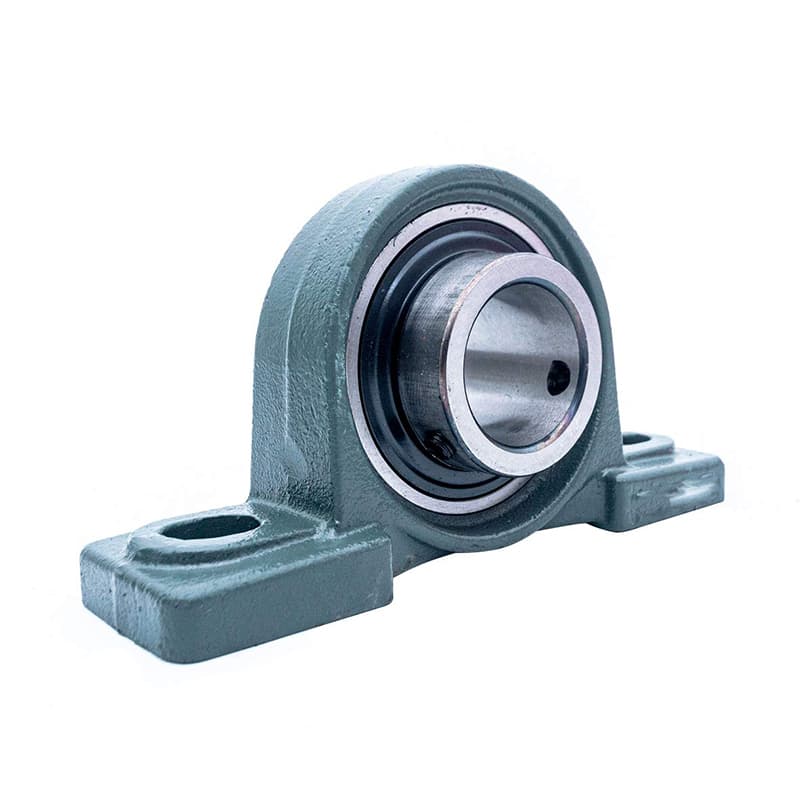
Let me break it down with numbers. Say a standard bearing costs $10. A heavy-duty costs $18. The standard lasts 6 months in your machine. The heavy lasts 18 months. Over three years, you buy six standard bearings ($60) or two heavy bearings ($36). Heavy saves you $24. Plus you avoid three bearing changes. Each change takes two hours of labor. That is more savings.
But if your machine runs clean and light, the standard might last 24 months. Then the math flips. So you need real data from your own machines.
I learned this from a customer in Vietnam. He runs a wood panel factory. The machines are dusty but not heavy. He tried heavy-duty bearings. They lasted longer, but not much longer. The extra cost was not worth it. So he switched back to standard. That was smart. He used the savings to buy spare motors instead.
Now consider hidden costs. Downtime is expensive. One hour of stopped production might cost $500 or more. If a bearing fails in a hard-to-reach place, you need two mechanics and a crane. That could be $2,000. A heavy-duty bearing that never fails is worth that money.
Also think about inventory. If you use standard bearings everywhere, you only stock one type. That is simpler. But if you have a mix, you need to be careful not to put a standard bearing in a heavy-duty spot by mistake. I have seen that happen. A worker grabs the wrong box. Then failure comes fast.
At FYTZ Bearing, we help customers run a simple test. Run one machine with heavy-duty and one with standard. Track both for a year. Write down failures, maintenance time, and total cost. Then decide. Real data is better than guessing.
Another tip. Look at the bearing’s L10 life. That is a standard calculation. Most bearing makers give it to you. But L10 life assumes perfect conditions. Real life is not perfect. So for dirty or shock loads, cut the L10 number by half. Then compare.
If your customer is a distributor like Rajesh from India, you need to stock both types. But advise your buyers clearly. Send them this article if you want. My phone and email are always open for serious buyers. You can reach me at sales@fytzbearing.com or +86 150 2064 2375. We are a real factory in China. We make bearings for Turkey, Russia, Brazil, India, and more.
So here is my final rule on cost. Calculate the total cost of ownership over three years. Include the bearing price, labor to change it, and lost production time. If heavy-duty gives you lower total cost, buy it. If not, stay with standard.
Conclusion
Match the bearing to the real job. Standard for light and clean. Heavy for hard and dirty. Check your loads, cost, and downtime.
