
Many buyers send vague inquiries. Then they get wrong quotes and late deliveries. I see this every day in my email from importers around the world.
A good inquiry sheet must include bearing type, exact dimensions, operating conditions, quality grade, and shipping terms. Missing any of these will cost you time and money.
I run a bearing factory called FYTZ Bearing. We ship to Turkey, Russia, Brazil, India, and many other countries. Every week, I receive inquiries from buyers like Rajesh in India. Some inquiries are clear. Others are a mess. The clear ones get fast answers and better prices. The messy ones go to the bottom of the pile. So let me show you exactly how to prepare an inquiry sheet that gets you the right quote, fast.
How to Specify Bearing Type and Dimensions Accurately?
Most buyers just write “pillow block bearing” and stop. That is not enough. There are hundreds of types. The supplier cannot guess what you need.
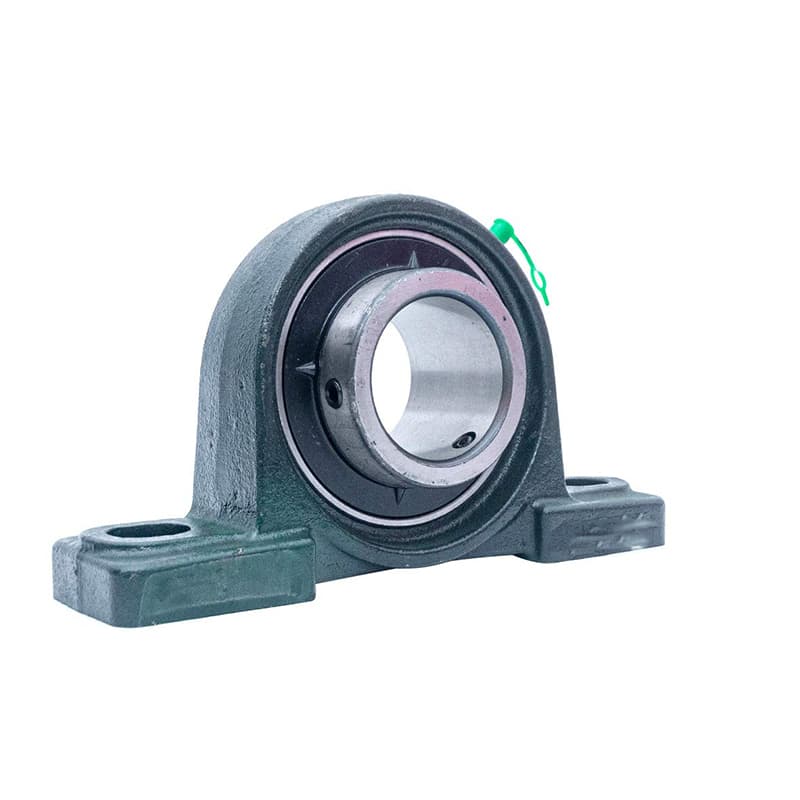
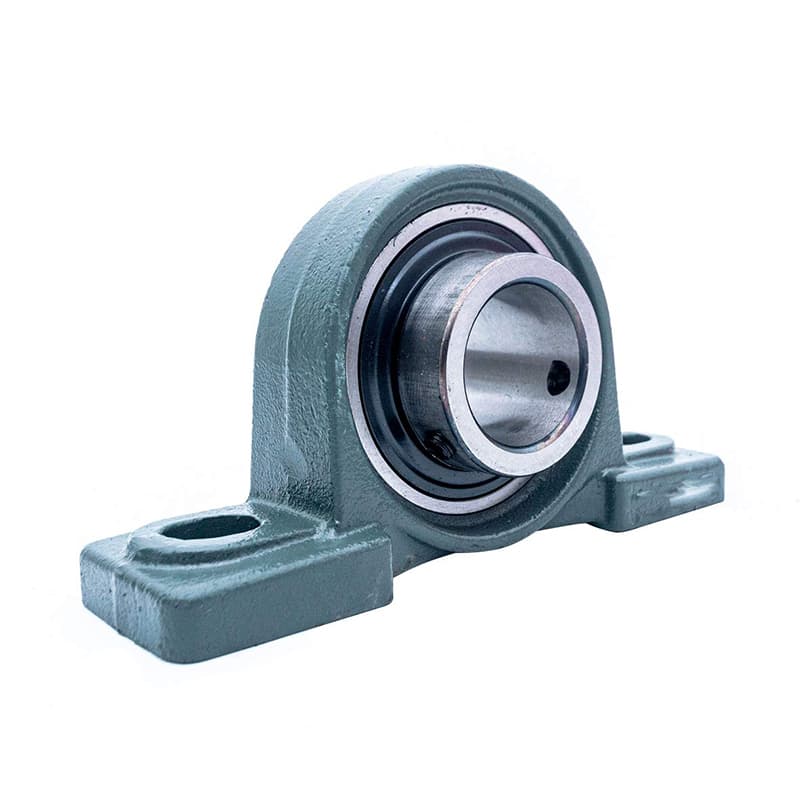
You must give the exact bearing series. For pillow block bearings, the most common series are UCP, UCF, UCFL, and UCT. UCP means a pillow block with a set screw locking. UCF is a flange unit. UCFL is a two-bolt flange. UCT is a take-up unit. Each one fits a different machine.
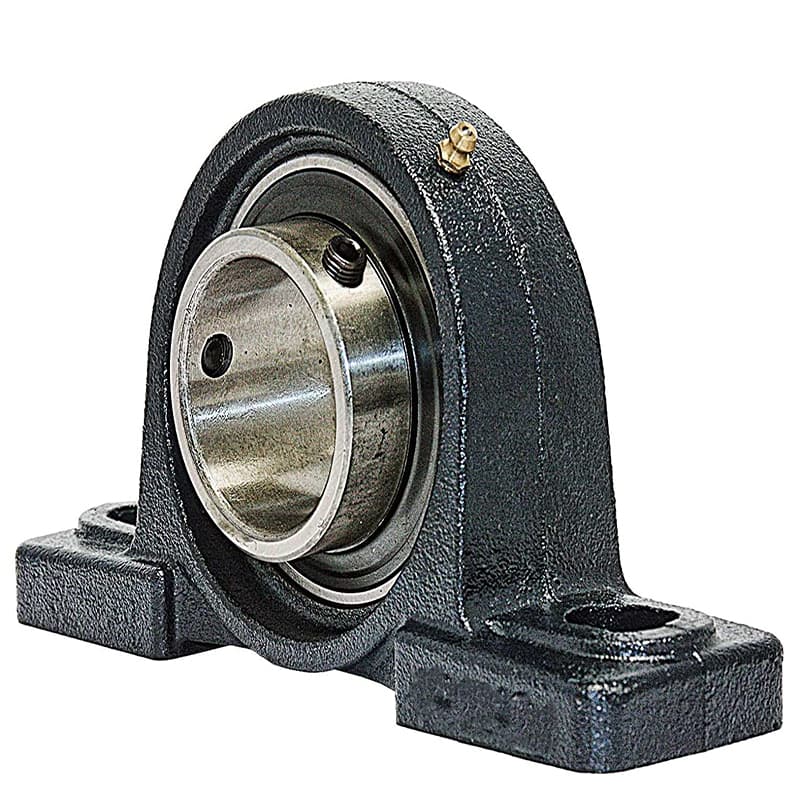
Then you need the shaft size. This is the most important number. A bearing for a 20mm shaft is very different from a 50mm shaft. Write the shaft diameter in millimeters. Do not write inches unless you must. Most Chinese factories use metric.
Next comes the housing number. For UCP series, the housing number matches the shaft size. UCP205 fits a 25mm shaft. UCP208 fits a 40mm shaft. So write both the series and the number. For example: UCP207.
Now the bearing insert number. Inside the housing, there is a bearing insert. The common insert series is UC. UC205 is the insert for UCP205. Some buyers forget this. But a good supplier will match it anyway. Still, it helps to write it.
Here is a table to help you build your spec list.
| Information needed | Example | Why it matters |
|---|---|---|
| Bearing series | UCP, UCF, UCFL, UCT | Defines shape and mounting type |
| Shaft diameter | 25 mm, 40 mm, 50 mm | Determines the bore size |
| Housing number | UCP205, UCP208 | Standard size code |
| Insert number | UC205, UC208 | Matches the internal bearing |
| Locking type | Set screw, eccentric collar, adapter sleeve | Affects mounting method |
| Housing material | Gray cast iron, ductile iron, stainless steel | Affects strength and corrosion resistance |
I once got an inquiry from a buyer in Pakistan. He wrote “need pillow block bearings for 40mm shaft.” That was all. I asked for more details. He did not reply for two weeks. Then he sent a photo of a broken bearing. From the photo, I saw it was a UCP208 with an eccentric collar. But I had already lost two weeks. His factory was down for that whole time.
So do not be that buyer. Write everything in your first email. Also include a clear photo or a drawing if you can. A picture of the old bearing helps more than a thousand words.
One more tip. If you are replacing an old bearing, look for numbers stamped on the housing and the insert. Write those numbers down. They are the fastest way to get an exact match.
Why Must You Provide Operating Conditions Like Load, Speed, and Environment?
Many buyers skip this part. They think the supplier only needs the bearing size. That is wrong. A bearing that works fine on a fan will die in one day on a crusher.
The supplier needs to know your real working conditions. Then they can suggest the right grade, seal, and internal clearance. Without this information, you will get a standard bearing. And standard bearings fail fast in tough jobs.
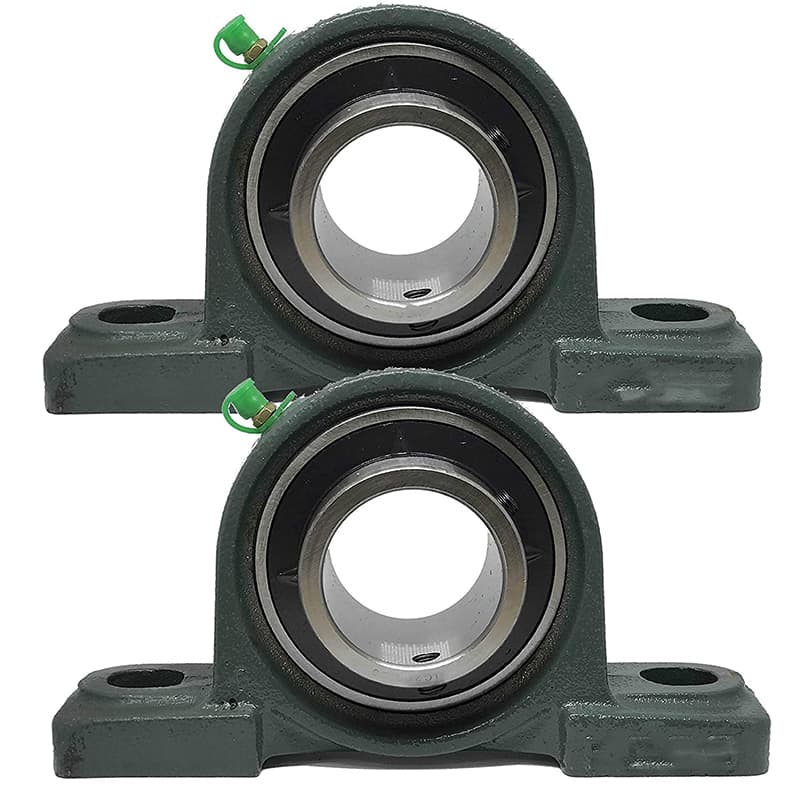
Let me break down what you need to share.
First, load. Tell the supplier the average load and the peak load. Use kilograms or Newtons. Also say the direction. Is the load radial (straight down) or axial (side push)? Most pillow block bearings are good at radial loads. They are weak at axial loads. If you have a strong side load, the supplier might recommend a different bearing type.
Second, speed. Give the rotation speed in RPM. High speed creates heat. Standard bearings can handle up to 3000 RPM for small sizes. But over that, you need special cages and better grease.
Third, working temperature. What is the normal temperature around the bearing? What is the peak temperature? If your machine runs hot, the grease breaks down faster. The bearing clearance also changes. For high heat, you need C3 or C4 clearance. That is a larger internal gap. It lets the bearing expand without jamming.
Fourth, environment. Is there dust, water, chemicals, or sand? This decides the seal type. A dusty place needs a triple labyrinth seal. A wet place needs a rubber contact seal. A chemical plant needs a stainless steel housing or a special coating.
Fifth, vibration and shock. Does your machine shake or hit hard? Crushers and screens have high vibration. That requires a bearing with a stronger cage and larger rolling elements. Write down if the machine has impacts. Even a rough estimate helps.
I remember a buyer from Vietnam. He ordered standard pillow block bearings for a rice mill. The mill ran fine for two months. Then bearings failed. He sent me photos. The housings were full of rice dust. The seals were not strong enough. He never told me about the dust. So I sent standard seals. It was my mistake too. Now I always ask. But you can save time by telling me first.
Here is a simple checklist for your inquiry sheet.
- Average load in kg or N
- Peak load (if higher)
- Speed in RPM
- Normal temperature (°C)
- Peak temperature (°C)
- Dust? Yes / No / How much
- Water or moisture? Yes / No
- Chemicals? Yes / No / Which ones
- Vibration? Low / Medium / High
- Shock loads? Yes / No / How often
If you do not know the exact numbers, give your best guess. Something is better than nothing. A good supplier will ask follow-up questions anyway.
What Quality and Certification Requirements Should You List?
Price is not the only thing. Quality matters more. A cheap bearing that fails fast costs you more in the long run. So you must tell the supplier your quality expectations.
Start with the precision grade. Bearings come in different tolerance classes. The most common are P0 (normal), P6, and P5. P0 is fine for most industrial machines. P6 is better for higher speeds. P5 is for precision tools. For pillow block bearings in sand and cement plants, P0 is usually enough. But for a motor spindle, you need P5 or higher.
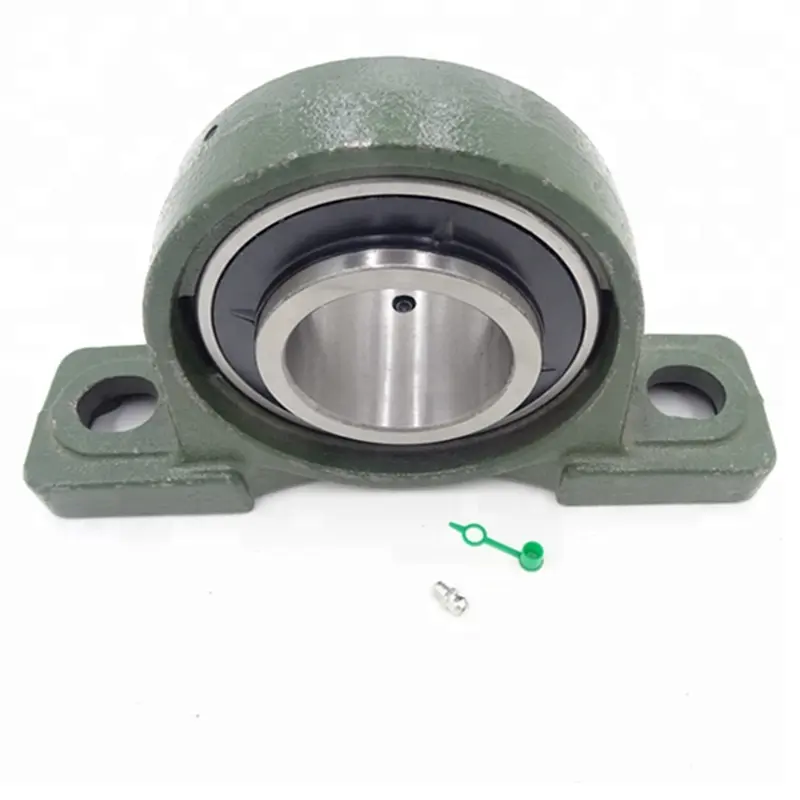
Next, the material standard. What steel do you want? Most bearings use GCr15 (equivalent to 52100 chrome steel). That is fine for normal use. For heavy loads or high heat, you might need a different steel. Also ask for the hardness. It should be 58-62 HRC for the rings and rolling elements.
The cage material matters too. Standard cages are steel or polyamide (plastic). Steel cages are stronger but heavier. Plastic cages are lighter and run quieter. For high vibration, a brass cage is best. It costs more but lasts longer in crushers.
Now talk about certifications. Do you need ISO 9001? That is the basic quality management standard. Most real factories have it. Do you need any special test reports? For example, a material certificate or a dimensional report. Some buyers ask for a noise test (like the V3 or V4 grade for low noise).
I always recommend asking for a test report with your first order. The report should show the bore size, outer diameter, width, radial clearance, and hardness. A good supplier will send this for free. A bad supplier will make excuses.
Here is a table of common quality specs.
| Requirement | What to write in your inquiry | Typical value |
|---|---|---|
| Precision grade | P0, P6, or P5 | P0 for general use |
| Steel type | GCr15 / 52100 or equivalent | GCr15 |
| Hardness | HRC range | 58-62 HRC |
| Cage material | Steel, polyamide, or brass | Steel for standard |
| Radial clearance | C2, C0, C3, C4 | C0 or C3 |
| Noise grade | Z1, Z2, Z3, Z4 (or V1-V4) | Not needed for most |
| Certification | ISO 9001, material cert, test report | ISO 9001 |
I had a customer from South Africa. He ordered two containers of bearings. He did not ask for any quality documents. The bearings arrived. They looked fine. But after three months, many failed. He sent one back to me. We tested it. The hardness was only 48 HRC, not 60. It was fake steel. He had no test report to prove it. So he could not claim anything. That cost him thousands of dollars.
So always ask for a test report. Keep it as proof. Also ask for the factory’s ISO certificate. A real factory will share it without problems.
How to Define Packaging, Shipping, and Payment Terms Correctly?
Many buyers focus only on the product. Then they get surprised by high shipping costs or damaged goods. You must write these terms clearly in your inquiry.
Start with packaging. Bearings are heavy and hard. But they still get damaged if packed badly. The standard export packaging is: plastic bag + kraft paper + individual box + outer carton + pallet with stretch film. For large orders, you can ask for wooden crates. Write in your inquiry: “standard export packaging” or “wooden crate for sea freight.”
Then tell the supplier your shipping terms. Do you want FOB (Free on Board) or CIF (Cost, Insurance, Freight)? FOB means the supplier loads the goods on a ship at a Chinese port. You pay the sea freight and insurance. CIF means the supplier pays for sea freight and insurance to your port. Most buyers from India, Turkey, and Brazil prefer CIF. It is easier for them.
Next, write your preferred port. For FOB, common ports are Shanghai, Ningbo, Guangzhou, and Qingdao. For CIF, write your destination port, like Mumbai, Istanbul, or Santos.
Also ask for the delivery time. How many days after payment can the supplier ship? For stock bearings, it is 7-15 days. For custom orders, 25-45 days.
Now payment terms. The standard for Chinese suppliers is 30% deposit and 70% balance before shipping. Some offer 30% deposit and 70% against copy of Bill of Lading. That is safer for you. Write in your inquiry: “Can you offer 30% deposit and 70% against BL copy?” Some buyers ask for LC (Letter of Credit). But LC is expensive and slow. For first orders, a small deposit via T/T (bank transfer) is normal.
Here is a checklist for your shipping and payment section.
- Packaging: standard export carton / wooden crate / other
- Shipping term: FOB (which port) or CIF (which port)
- Delivery time: days after deposit
- Payment term: T/T 30% deposit, 70% balance
- Do you need a sample before bulk order? Yes / No
I remember a buyer from Egypt. He ordered a sample first. I sent one bearing by courier. He tested it for two weeks. It worked well. Then he placed a big order. We used the same packaging for the bulk order. But he forgot to ask about moisture protection. The container crossed the ocean. When it arrived, some cartons were wet. The bearings had light rust. We solved it with better plastic bags. But if he had written “anti-rust coating required” in his inquiry, we would have done it from the start.
So write everything. Even small details matter. Do not assume the supplier knows your needs. Tell them clearly.
Conclusion
Write down bearing type, dimensions, load, speed, environment, quality grade, packaging, and payment terms. A clear inquiry saves time and gets you the right bearing.
