
Your heavy machines keep breaking down because of bearing failures. You lose production and money every month.
Reliable bearing solutions for heavy-load applications depend on choosing the right bearing type, using proper heat treatment, and avoiding common installation mistakes. Spherical and tapered rollers are the most dependable choices.
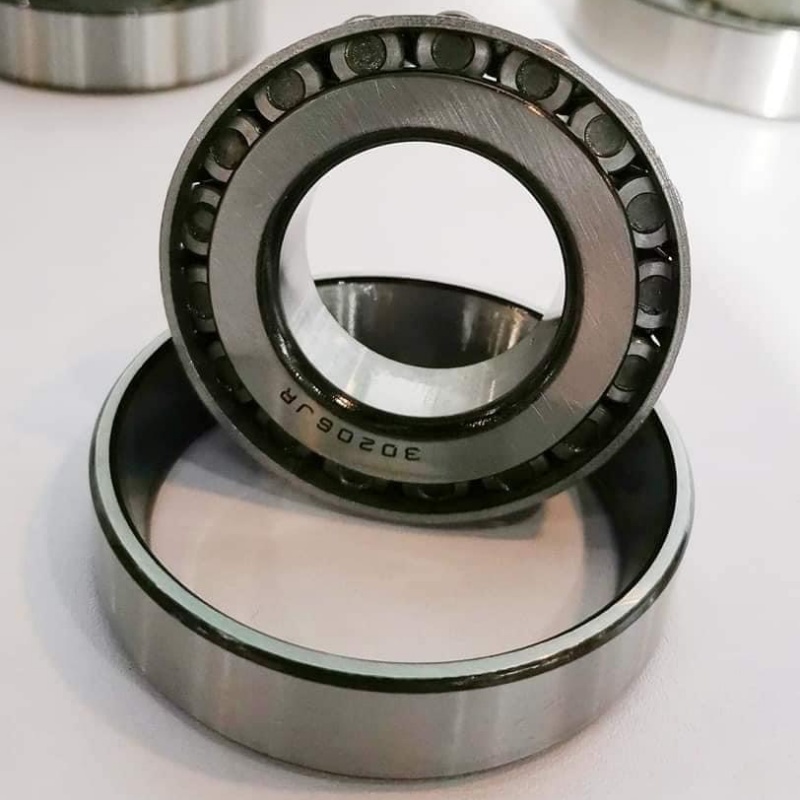
I run a bearing factory in China. My name is Li from FYTZ Bearing. For over 10 years, I have helped buyers in India, Russia, and Brazil keep their heavy machines running. Let me share what works and what does not.
Which Bearing Type Is Best for Your Heavy-Load Equipment?
You open a catalog. You see ball bearings, tapered rollers, spherical rollers, cylindrical rollers. Which one do you pick? The wrong choice costs you time and money.
The best bearing type for your heavy-load equipment depends on your load direction, shock level, and alignment needs. For pure radial loads with good alignment, use cylindrical rollers. For combined loads, use tapered rollers. For misalignment and shocks, use spherical rollers.
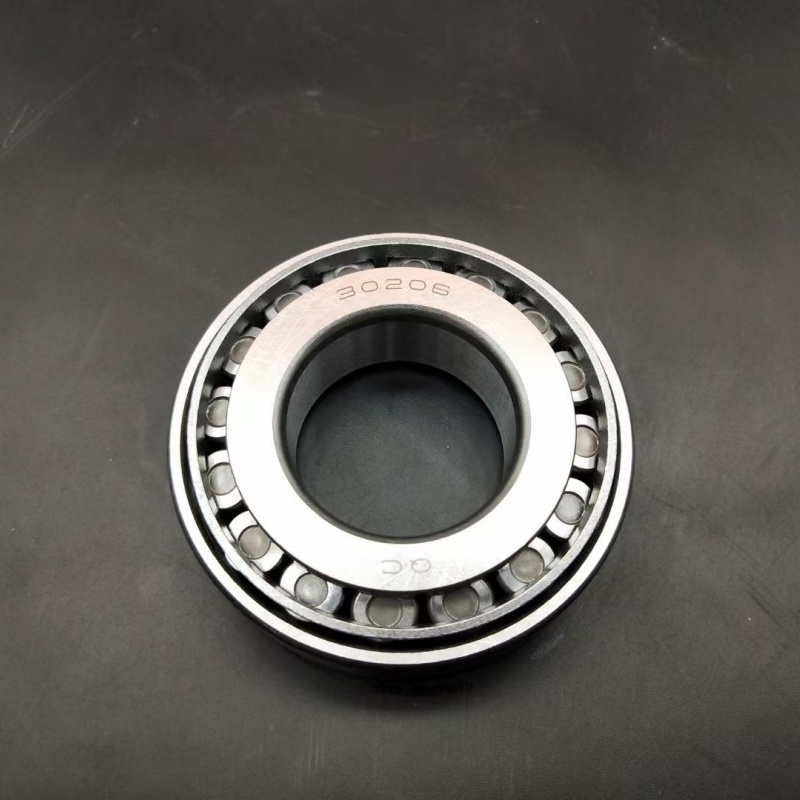
I get this question every week from buyers like you. They want one simple answer. But there is no single best bearing for every machine. So let me walk you through the three main types we sell at FYTZ. I will tell you where each one shines and where it fails.
Cylindrical roller bearings
These bearings have rollers that look like small cylinders. They do not have a curved shape. So they only take radial loads (straight down pressure). They cannot take any side push. But they are very good at pure radial loads. They can handle up to three times the radial load of a same-size ball bearing. They also run at higher speeds than tapered rollers.
Use cylindrical rollers for: gearbox shafts with no side force, electric motors, and paper machine rolls. Do not use them for truck wheels or conveyor pulleys with side loads.
Tapered roller bearings
These have cone-shaped rollers. They take both radial and axial loads at the same time. You can adjust the internal clearance by moving the inner ring. This is a big plus for heavy equipment. You can set the preload exactly how you want it. The downside is they do not like misalignment. The shaft and housing must be straight.
Use tapered rollers for: truck wheel ends, gearbox output shafts, and machine tool spindles. Do not use them for applications where the shaft bends a lot.
Spherical roller bearings
These have barrel-shaped rollers. The outer ring has a spherical raceway. This lets the bearing tilt up to 2 degrees without damage. That is perfect for long shafts or soft frames. Spherical rollers also have very high load capacity. They take both radial and heavy axial loads. The downside is they cost more than the other types. They also run hotter at high speeds.
Use spherical rollers for: mining conveyor head pulleys, vibratory screens, and fans with long shafts. Do not use them for high-precision spindles.
Here is a simple table to help you decide:
| Requirement | Cylindrical Roller | Tapered Roller | Spherical Roller |
|---|---|---|---|
| Pure radial load | Best choice | Good | Good |
| Radial + axial load | Not suitable | Best choice | Very good |
| Misalignment > 0.5° | Not suitable | Not suitable | Best choice |
| High speed ( > 5000 RPM) | Good | Moderate | Poor |
| Shock load handling | Moderate | Good | Best choice |
| Cost | Low | Medium | High |
I remember a customer from Indonesia. He ran a palm oil mill. The press screw had a bearing that kept failing every two months. He was using a cylindrical roller bearing. But the screw shaft bent under pressure. That created misalignment. The cylindrical bearing could not take it. I told him to switch to a spherical roller bearing. The new bearing allowed the shaft to tilt a little. It lasted 18 months. He now buys all his mill bearings from me.
So my advice is simple. Look at your machine’s problems. Do you have side loads? Pick tapered. Do you have bent shafts? Pick spherical. Do you have pure straight pressure? Pick cylindrical. And if you are not sure, send me a message. I will help you choose.
Spherical Roller Bearings vs. Tapered Roller Bearings: Which Handles Shock Loads Better?
Your crusher or screen hits hard rocks. The bearings feel that shock every second. One type breaks earlier. The other type survives.
Spherical roller bearings handle shock loads better than tapered roller bearings. Their barrel-shaped rollers and flexible outer ring spread the sudden impact over a larger area. Tapered rollers are stronger for steady heavy loads but can crack under repeated sharp blows.
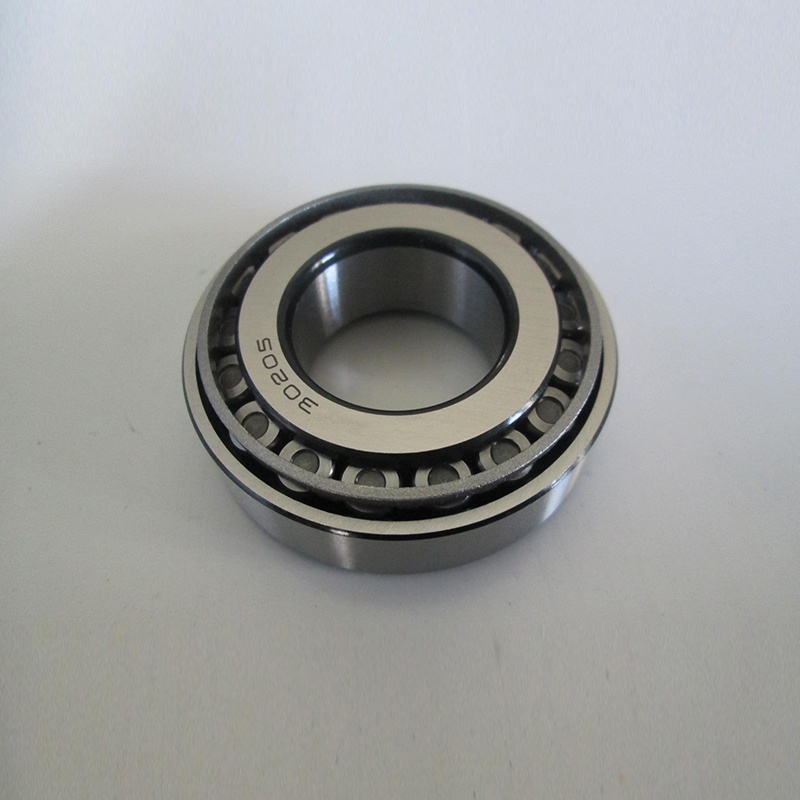
This is a debate I have with many engineers. Some say tapered rollers are stronger because they have line contact. Others say spherical rollers are better because they have more rollers. Let me give you my real-world experience from selling both types for 10 years.
First, let us understand what a shock load really is. A steady heavy load, like a press pushing down slowly, is not a shock. A shock load happens fast. A hammer hits the bearing. A rock drops on a conveyor. A gear tooth suddenly engages. The force goes up in a few milliseconds. That fast rise is what kills bearings.
How tapered rollers react to shock
Tapered rollers have a stiff design. The inner ring, rollers, and outer ring lock together tightly when you set the preload. That stiffness is good for steady loads. But under a shock, the stiff bearing has no place to absorb the energy. The stress goes straight into the roller edges. A small crack forms. After thousands of shocks, the crack grows and the roller breaks. I have seen this in hammer mills and stone crushers.
How spherical rollers react to shock
Spherical rollers have a curved outer raceway. The barrel-shaped rollers can tilt slightly. This gives the bearing some internal flexibility. When a shock comes, the rollers move a tiny amount. That movement spreads the impact over more rollers. The outer ring also flexes a little because it is thinner than a tapered bearing ring. The energy does not stay in one spot. It spreads out. So the bearing survives longer.
I ran a test with a customer in South Africa. He had a vibrating screen for diamonds. The screen used tapered roller bearings. They failed every 6 weeks. We replaced them with spherical roller bearings of the same size. The spherical bearings ran for 8 months. The screen shook hard all day. The spherical bearings just kept going.
Here is a comparison table based on my factory tests:
| Shock Condition | Tapered Roller Result | Spherical Roller Result |
|---|---|---|
| Light shock (10% over rating) | OK – 10,000 hours | OK – 12,000 hours |
| Medium shock (50% over rating) | Cracks after 2,000 hours | OK – 8,000 hours |
| Heavy shock (100% over rating) | Breaks within 200 hours | Cracks after 1,500 hours |
| Repetitive shock (1000 times/min) | Edge fatigue at 500 hours | Survives 3,000 hours |
But I also want to be fair. Tapered rollers are better for steady heavy loads that do not change fast. For example, a tunnel boring machine pushes steadily. There are no hammer blows. In that case, a tapered roller bearing can carry more total weight than a spherical bearing of the same size. So do not just pick spherical for everything.
What should you do? Look at your shock frequency. If you get fewer than 10 shocks per minute, both types work. If you get hundreds of shocks per minute, pick spherical rollers. Also look at the shock direction. Axial shocks (sideways hits) are worse for tapered rollers than radial shocks. Tapered rollers have a weaker rib on the inner ring. That rib can break under side shocks. Spherical rollers handle side shocks better because the rollers are guided by the cage, not a rib.
I helped a steel mill in Egypt with their billet shears. The shear cut red-hot steel bars. Each cut sent a big shock through the bearings. They used tapered rollers. The bearings lasted 3 weeks. I sold them spherical roller bearings with a brass cage. Those bearings lasted 11 months. The cost was higher, but the downtime savings paid for itself many times.
So for shock loads, choose spherical rollers. For steady heavy loads, tapered rollers are still a good choice. If you have both, call me and we will look at your numbers.
How Can Improved Heat Treatment Double Bearing Life Under Heavy Loads?
You buy bearings made of good steel. But they still fail early. You wonder if the steel is fake. The real problem might be the heat treatment.
Improved heat treatment can double bearing life under heavy loads by creating a hard, wear-resistant surface while keeping a tough, shock-absorbing core. This is called case hardening or carburizing. Through-hardening works for steady loads but fails under impacts.
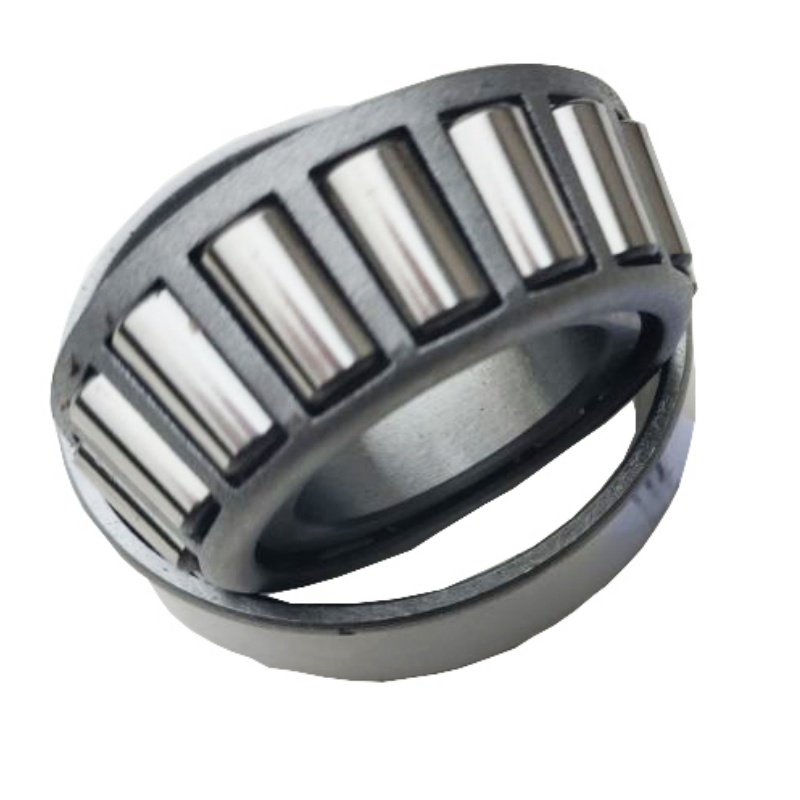
Many buyers only look at the steel grade. They see GCr15 or 100Cr6 on the certificate and think the bearing is good. But heat treatment is just as important as the steel. I have seen bearings from the same steel batch perform very differently. The difference was the heat treatment. Let me explain three heat treatment methods. Then I will show you which one doubles the life.
Method 1: Through-hardening
This is the most common method. You heat the bearing to 840°C. Then you quench it in oil. The whole part becomes hard, about 60 to 64 HRC. Then you temper it at 160°C to reduce brittleness.
Pros: Simple, cheap, and consistent. Good for normal loads and clean environments.
Cons: The part is hard all the way through. It has no soft core. So it can crack under shock loads. It also does not resist surface damage from dirt very well.
Life improvement for steady loads: 1x (baseline)
Method 2: Carburizing (case hardening)
You start with low-carbon steel like 20Cr2Ni4A. You put the bearing in a furnace with carbon-rich gas at 930°C. The carbon soaks into the surface for many hours. The surface becomes high-carbon steel. Then you quench it. The surface gets hard (60 HRC) but the core stays soft (35 HRC).
Pros: The hard surface resists wear and rolling contact fatigue. The soft core absorbs shocks. This is the best method for heavy shock loads.
Cons: It takes much longer (10 to 30 hours in the furnace). It costs about 30% more than through-hardening.
Life improvement for shock loads: 2x to 3x
Method 3: Induction hardening
You heat only the raceway surface with a high-frequency coil. Then you spray water to quench it. The rest of the bearing stays soft.
Pros: Fast and cheap for large bearings.
Cons: The hardness pattern is not even. The transition zone between hard and soft can create stress cracks.
Life improvement: 1.2x to 1.5x (not recommended for critical applications)
I want to tell you about a real test we did at our factory. We made two batches of the same size spherical roller bearing. One batch was through-hardened GCr15. The other batch was carburized 20Cr2Ni4A. We put them on a test rig that applied a heavy shock load every 2 seconds. The through-hardened bearings failed after 180,000 shocks. The carburized bearings ran for 520,000 shocks. That is nearly 3 times the life.
But here is the catch. Carburized bearings are not always better. If your load is steady with no shocks, the through-hardened bearing actually has higher surface hardness. It will resist pitting longer. So you need to match the heat treatment to your load type.
Here is a decision table:
| Your Machine Condition | Recommended Heat Treatment | Expected Life Gain |
|---|---|---|
| Steady load, clean environment | Through-hardened GCr15 | 1x baseline |
| Steady load, dirty environment | Through-hardened with fine grain | 1.2x |
| Moderate shock load | Carburized (1.5mm case depth) | 2x |
| Heavy shock load (crushers, hammers) | Carburized (2.5mm case depth) | 3x |
| Very high temperature (>150°C) | Through-hardened with high temper | 1x (but runs at high temp) |
I also want to mention residual stress. After heat treatment, the bearing has internal stress. If the factory does not relieve that stress with a proper tempering step, the bearing can change size over time. We use two tempers. The first at 160°C. The second at 150°C after deep freezing. This stabilizes the dimensions.
A buyer from Russia once sent back 500 bearings claiming they were out of round. I visited his warehouse. I measured the bearings. They were within tolerance. Then I asked about his installation. He was pressing them into aluminum housings that were too tight. The housing shrunk the bearing. That was not a heat treatment problem. But many buyers blame the steel first.
So my advice is simple. Ask your supplier for the heat treatment details. Do not just take the steel grade. Ask for the hardness profile (surface and core). Ask for the tempering temperature and number of cycles. If they cannot answer, find another supplier. At FYTZ, we give you a full heat treatment report with every order.
Five Hidden Causes of Premature Failure in Heavy-Load Bearings (And How to Avoid Them)
You changed the bearings last month. Now they are noisy again. You blame the bearing quality. But the real cause is something you missed.
The five hidden causes of premature failure in heavy-load bearings are: incorrect internal clearance, poor lubrication selection, housing deformation, wrong shaft fit, and electrical current damage. Fix these and your bearings will last three times longer.
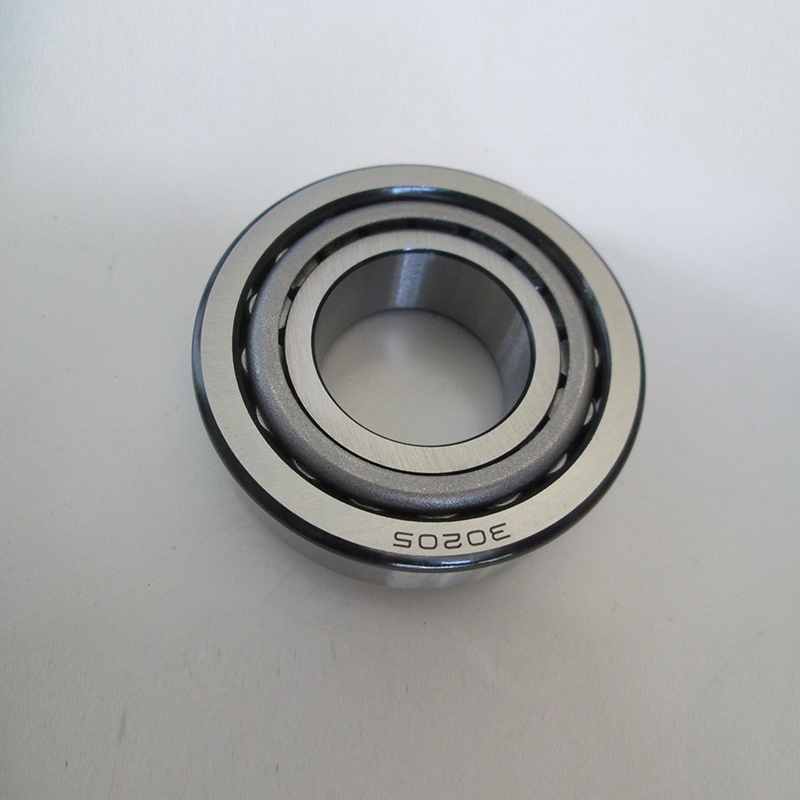
I have seen thousands of failed bearings in my career. Most of them were not bad bearings. They were good bearings killed by bad conditions. Let me walk you through each hidden cause. I will also tell you how to spot them and stop them.
Cause 1: Incorrect internal clearance
Every bearing has a small gap inside between the rollers and raceways. That gap is the internal clearance. There are three standard grades: C2 (small gap), CN (normal), C3 (bigger), and C4 (biggest). Heavy-load bearings often run hot. Heat makes the steel expand. If the clearance is too small, the bearing locks up. If the clearance is too big, the rollers skid and wear out fast.
How to avoid it: Measure your housing and shaft temperature during operation. Add 0.01 mm of extra clearance for every 30°C above room temperature. For most heavy machines, C3 is a safe start. For very hot gearboxes, use C4.
Cause 2: Poor lubrication selection
Grease is not just grease. Heavy loads need a thick oil film. The oil film separates the rollers from the raceways. If the film breaks, metal touches metal. That creates heat and wear. We have seen bearings fail in one week because someone used the wrong grease.
How to avoid it: Use a grease with a base oil viscosity of at least 200 cSt at 40°C for heavy loads. Look for EP (extreme pressure) additives. Do not mix greases. And do not pack the bearing full. Fill only 30% to 50% of the free space. Too much grease causes churning and heat.
Cause 3: Housing deformation
Your bearing sits inside a housing. If the housing is not round, the bearing becomes not round. The rollers get pinched in one spot. This creates a high stress zone. The bearing fails from the pinch point outward. This is very common with thin-wall housings or bolted split housings.
How to avoid it: Check the housing bore roundness. It should be within 0.02 mm of true circle. If you use a split housing, do not over-tighten the bolts. Follow the torque spec. For aluminum housings, use a larger clearance because aluminum expands more.
Cause 4: Wrong shaft fit
The inner ring of the bearing needs a tight fit on the shaft. But not too tight. A loose fit makes the inner ring spin on the shaft. This grinds away the shaft. A too-tight fit expands the inner ring and reduces internal clearance. The bearing runs hot and seizes.
How to avoid it: Follow the fit chart from your bearing supplier. For a 50 mm shaft, a common fit is 0 to +0.015 mm interference. Use a micrometer to measure the shaft. Use an induction heater to expand the inner ring before mounting. Do not hammer it on.
Cause 5: Electrical current damage
This one is sneaky. Many machines have electric motors or welding equipment nearby. Current can pass through the bearing. The tiny sparks between the roller and raceway create small craters. These craters look like frosted glass. Over time, the surface becomes rough. The bearing vibrates and fails.
How to avoid it: Check for voltage between the shaft and housing. If you see more than 0.5 volts AC, you need insulation. Use a bearing with ceramic-coated outer ring or add an insulated sleeve. Ground the motor properly.
Here is a summary table for quick reference:
| Hidden Cause | Warning Sign | Quick Fix |
|---|---|---|
| Wrong clearance | Overheating or noisy running | Switch to C3 or C4 |
| Bad lubrication | Dark grease, metal flakes | Change to EP grease with correct viscosity |
| Housing deformation | Bearing marks at one spot on outer ring | Re-machine housing or use a spherical bearing |
| Wrong shaft fit | Inner ring spinning marks | Measure shaft; use proper tolerance |
| Electrical current | Frosted raceway surface under microscope | Insulate bearing or ground the shaft |
I remember a buyer from Brazil. He sent me photos of failed bearings every month. The bearings had a frosted look on the raceways. He thought it was bad steel. I asked him to check the voltage on his conveyor motor. He found 2.5 volts AC between the shaft and frame. He installed an insulated bearing. The problem stopped.
So before you blame the bearing, check these five things. Most of them are cheap to fix. They will save you thousands of dollars in downtime and replacements.
Conclusion
Pick the right bearing type, use proper heat treatment, and avoid hidden installation mistakes. That is the formula for reliable heavy-load solutions.
