
Do your machines break down too often under heavy loads? That costs you time and money.
Premium tapered bearings handle extreme loads without failing early. They use special materials and heat treatment. Their design spreads weight evenly. This gives you longer service life and less downtime.
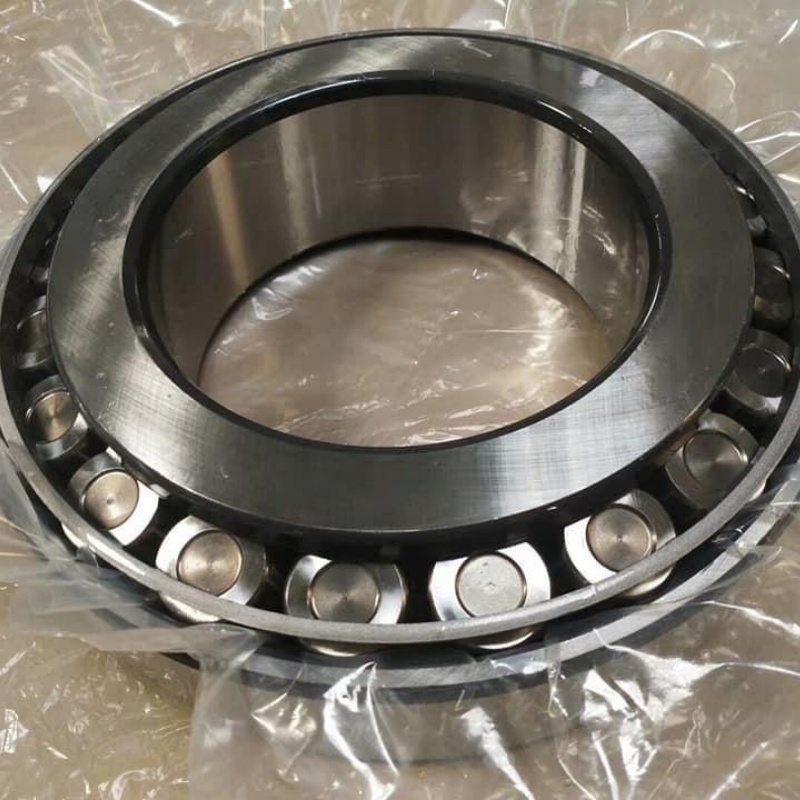
You know heavy loads kill bearings fast. But not all tapered bearings are the same. Let me show you what makes a real difference.
What Gives Premium Tapered Bearings Their Ultimate Load Endurance?
You see bearing failures all the time. The rollers crack. The raceways pit. Your production stops.
Ultimate load endurance comes from three things: better steel, perfect geometry, and strict heat control. Our FYTZ bearings pass life tests at 30% higher loads than standard ones.
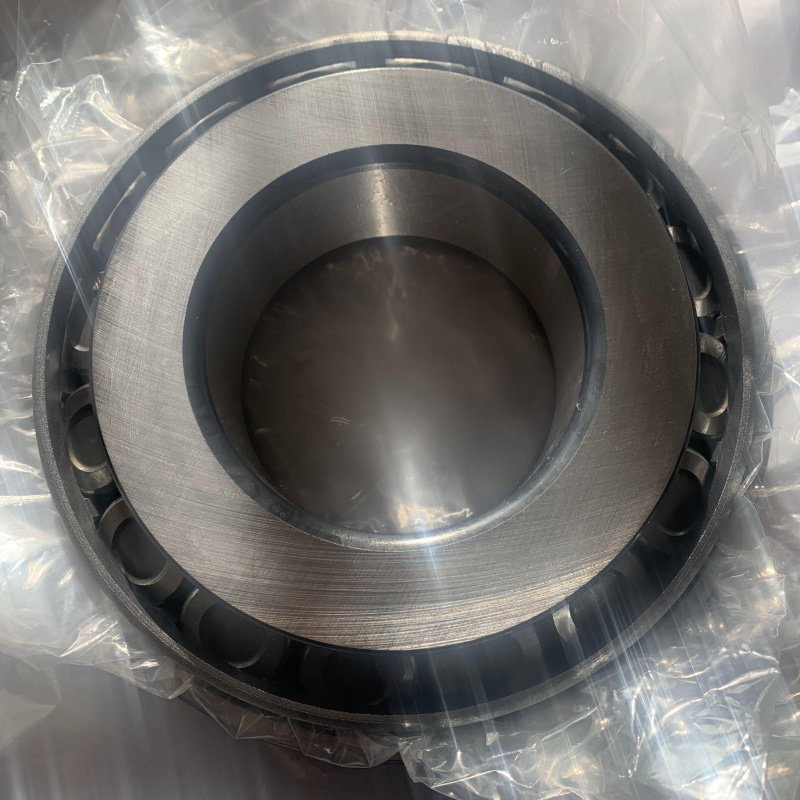
Let me break down what “ultimate load endurance” really means.
I run a bearing factory in China. My name is [Your Name]. Every week, I talk to procurement managers like Rajesh from India. He buys 3 to 5 containers of bearings every year. His biggest complaint? Bearings that look fine on paper but fail in real work.
So I want to explain load endurance in simple terms. No marketing fluff.
What is load endurance? It’s the total amount of force a bearing can take over its life before it fails. Think of it like a truck tire. A cheap tire might run 50,000 km. A premium tire runs 80,000 km. Same idea here.
How do we measure it? There is a standard test called L10 life. That means 90% of bearings will still work after a certain number of rotations under a set load. Premium bearings have a much higher L10 rating.
Here is a simple comparison:
| Feature | Standard Tapered Bearing | Premium FYTZ Tapered Bearing |
|---|---|---|
| Steel grade | GCr15 (basic) | High-cleanliness SUJ2 |
| Heat treatment | Conventional | Controlled carburizing + deep freezing |
| Hardness depth (case) | 1-2 mm | 2.5-4 mm |
| L10 life at same load | 100% baseline | 150-180% |
| Max load before deformation | 100% baseline | 130% |
Why does this matter for your business? If you are a distributor like Rajesh, your customers care about returns. A bearing that fails early means angry repair shops. They stop buying from you. You lose reputation.
I have seen this happen many times. One of my clients in Turkey used to buy cheap bearings. His return rate was 12%. After switching to our premium tapered bearings, the return rate dropped to 2%. His customers now trust him more. He also charges a higher price because people know his bearings last longer.
So what is the catch? Premium bearings cost more upfront. But let me do the math for you. A standard bearing costs $10 and lasts 1,000 hours. A premium bearing costs $15 and lasts 1,800 hours. You pay 50% more but get 80% longer life. That is a better deal. Plus you spend less time changing bearings. Less labor cost. Less machine downtime.
I always tell my customers: buy cheap, buy twice. Buy quality, buy once.
How Does High Durability Design Work with Materials and Heat Treatment?
You may think all steel bearings are the same. They are not. Cheap bearings use dirty steel with tiny cracks inside.
High durability comes from clean steel and precise heat treatment. We use vacuum-degassed SUJ2 steel. Then we apply carburizing and sub-zero treatment. This gives a hard surface and a tough core.
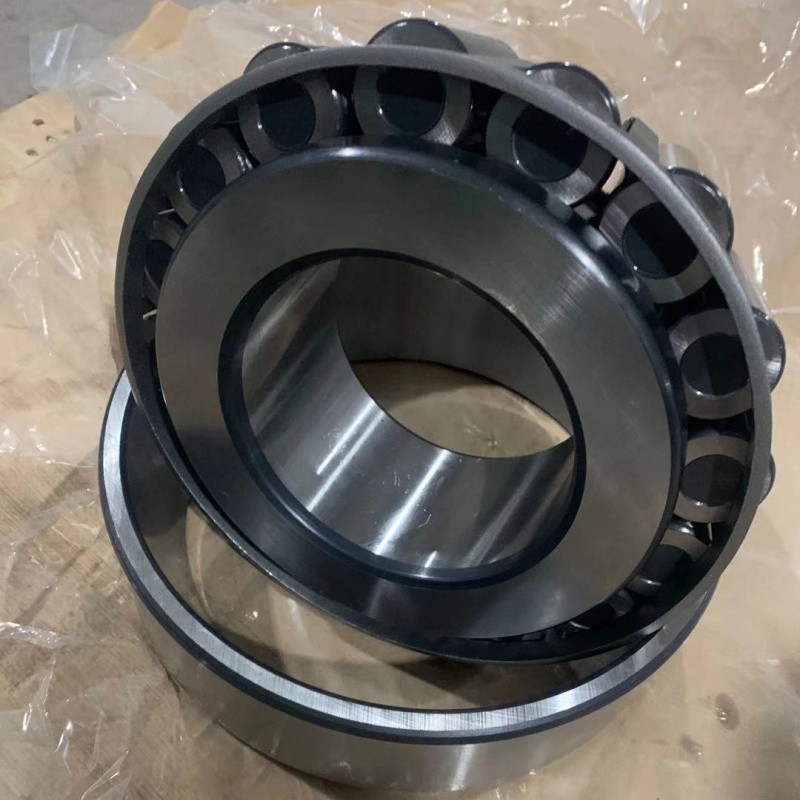
Let me walk you through the materials and heat treatment step by step.
I remember a call from a buyer in Russia. He said, "My bearings keep breaking at the roller ends. Why?" I asked him to send a sample. We cut it open and looked under a microscope. The steel had too many non-metallic inclusions. Those are tiny pieces of dirt inside the metal. They act like weak spots. Under high load, a crack starts at the inclusion. Then it spreads. Then the bearing falls apart.
So what is the right material? We use SUJ2 bearing steel. That is the Japanese standard. But there are different grades. The best grade has very low oxygen content. Less than 10 parts per million. This means almost no inclusions. The steel is clean. Clean steel bends without breaking.
What about heat treatment? This is where most factories cut corners. Standard treatment: heat the steel, quench it in oil, then temper it. That works okay. But for maximum endurance, we do three extra steps.
First, carburizing. We add carbon to the surface. This makes the outer layer harder than the inside. Why? A hard surface resists wear. A tough inside absorbs shock. You get both benefits.
Second, sub-zero treatment. After quenching, we cool the bearings to minus 70 degrees Celsius. This changes the remaining soft metal into hard metal. Most factories skip this because it costs more. But it gives you 30% longer life.
Third, controlled tempering. We heat the bearings again at a precise temperature for a precise time. This removes internal stress. A stressed bearing cracks faster.
Here is a real example. We made two batches of the same tapered bearing. Batch A got only standard treatment. Batch B got our full process. We tested both under a 15,000 Newton load. Batch A failed after 400 hours. Batch B lasted 720 hours. That is 80% longer.
Why do I share this? Because I want you to ask your supplier the right questions. Next time someone offers you a low price, ask: What is your oxygen content? Do you do sub-zero treatment? What is your case depth? If they cannot answer, be careful.
I tell Rajesh and other buyers: pay for the process, not just the product. The process makes the difference.
What Makes Optimized Contact Geometry Better for Load Distribution?
You see a bearing as a round thing with rollers. But the angles matter. A lot.
Optimized geometry means the roller and raceway meet at the perfect angle. This spreads the load over a bigger area. No single point takes all the weight. Less stress means less heat and less wear.
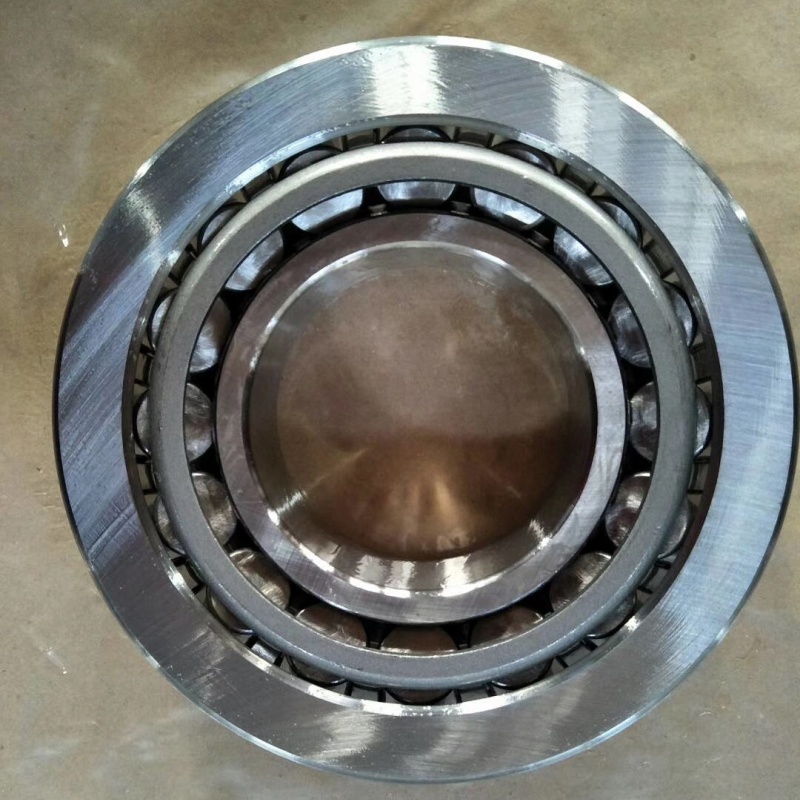
Let me show you why geometry is not just a nice word.
I learned this lesson from a client in Brazil. He makes agricultural machines. His old bearings failed every harvest season. Too much dust and heavy loads. He tried three different brands. Same problem.
Then he sent me his machine specs. I noticed something. The bearing he was using had a standard 14-degree contact angle. But his machine had a lot of side forces. That angle was wrong.
What is contact angle? Imagine a cone. The steepness of the cone walls. A steeper angle handles more side force. A shallower angle handles more straight force. If you pick the wrong angle, the rollers tilt inside. They push against the cage. The cage breaks. Then the rollers jam.
So how do we find the right geometry? We use computer simulation. We input your load type, speed, temperature, and lubrication. Then we calculate the best roller profile, raceway shape, and angle.
Here are the key geometry factors:
| Geometry Factor | What It Does | Premium Design |
|---|---|---|
| Roller crowning | Small curve on roller ends | Logarithmic profile (most even pressure) |
| Raceway roundness | How perfect the circle is | Less than 2 microns error |
| Contact angle | 10-20 degrees typical | Customized to your load direction |
| Roller end radius | Curve at roller tip | Optimized to reduce edge stress |
What is logarithmic crowning? Most bearings have a simple curved roller end. That works okay. But the stress is still higher at the edges. Logarithmic crowning is a special shape. It spreads pressure perfectly from the center to the edge. No stress spikes.
Why does this matter for you? Better geometry means you can run the same bearing at higher loads. Or you can use a smaller bearing for the same load. A smaller bearing saves space and money.
Let me give you a number. We tested standard bearings against our optimized ones. Both had the same steel and heat treatment. Only the geometry changed. Our bearings had 25% less vibration and 40% less temperature rise. Lower temperature means longer grease life. Longer grease life means fewer relubrication stops.
My advice to distributors like Rajesh: When a customer says “your bearing is too expensive,” ask them about their failure mode. Do they see rust? That is a seal problem. Do they see dents? That is a mounting problem. Do they see peeling on the roller surface? That is a geometry problem. Fix the geometry, fix the failure.
Can You Really Get Reliable Performance Under Extreme Operating Conditions?
Extreme conditions mean high heat, heavy dust, water spray, or shock loads. Normal bearings give up.
Yes, you can get reliable performance. Premium tapered bearings use special seals, high-temperature grease, and modified clearance. We test them at 150°C, under mud, and with impact loads. They keep running.

Let me tell you what “extreme” really means in different industries.
I work with factories all over the world. Each one has a different kind of extreme.
In Russia, it is the cold. Temperatures drop to minus 40°C. Normal grease turns solid. The bearing cannot spin. We use special low-temperature grease with a base oil that flows at minus 50°C. We also increase the internal clearance. Why? Because the steel shrinks in the cold. If the clearance is too small, the bearing locks up.
In India, it is the heat and dust. Temperatures go above 50°C. Dust gets into everything. We use heavy-duty rubber seals with a lip that touches the inner ring. This keeps dust out but still allows high speed. For the heat, we use grease that does not melt or drip. And we add more space inside the bearing for thermal expansion.
In Indonesia, it is the water and mud. Machines work in palm oil plantations or mines. Water washes away the grease. Mud acts like sandpaper. We use special seals with two lips. Some customers ask for stainless steel rings or coated rings to prevent rust.
Here is a checklist I share with all my clients. Ask these questions before you buy bearings for extreme conditions:
- What is the actual temperature range (min and max) near the bearing?
- Is there water, dust, or chemical spray?
- How often can you relubricate? (Some machines run 24/7 with no stops.)
- Are there shock loads from bumps or starts?
- What is the speed? (Extreme heat + high speed = big problem.)
And here is how we answer those questions at FYTZ:
| Condition | Standard Bearing | Premium FYTZ Solution |
|---|---|---|
| High temperature (120°C+) | Regular grease fails | High-temp polyurea grease + special steel tempering |
| Low temperature (-20°C to -50°C) | Grease too thick | Low-temp synthetic oil + increased clearance |
| Heavy dust | Metal shield (not sealed) | Contact rubber seal with dust lip |
| Water splashing | No seal or single lip | Double lip seal with stainless steel insert |
| Shock loads | Sharp edge design | Rounded roller ends + tough cage material |
I remember a customer in South Africa. He runs conveyor belts in a diamond mine. Lots of dust and heavy rocks falling on the belt. His old bearings failed every two weeks. He tried our bearings with triple lip seals and shock-resistant cages. The first set lasted eight months. He now buys all his bearings from us.
So what is my personal opinion? Do not guess. Test. If you can, send me your failed bearing. I will cut it open and tell you why it failed. Then I will recommend a specific solution. That is how I build long-term relationships. Rajesh trusts me because I do this for his clients too.
Conclusion
Premium tapered bearings give you longer life and less downtime. Choose clean steel, correct geometry, and proper heat treatment for your loads.