
Your machine runs hot. Bearings fail every few weeks. Or it runs in a freezer. Bearings get stiff and noisy.
Temperature is not a small detail. It changes everything about your bearing.
Short answer: High temperature softens bearing steel and thins grease. Low temperature thickens grease and shrinks internal clearance. You must match bearing material, clearance, and lubricant to your actual operating temperature.
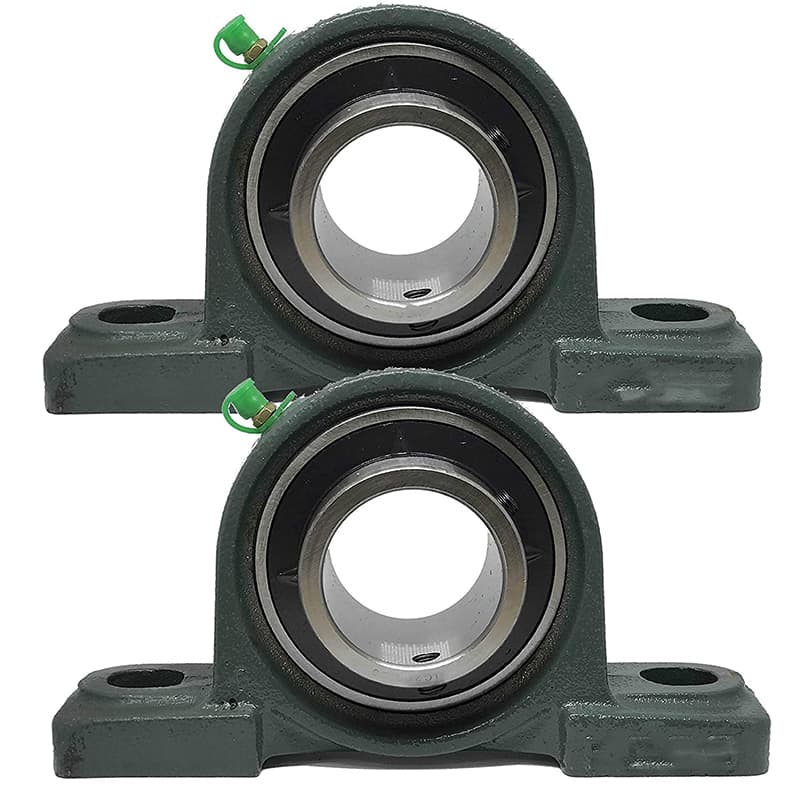
You might pick a bearing by size and load only. But I have seen too many bearings fail because no one checked the temperature. Let me walk you through what really happens when heat or cold gets into your bearing.
Why Temperature Changes the Rules for Bearing Material and Hardness?
You buy a standard bearing. Your machine runs at 120°C. The bearing wears out in one month. The races look dark and flaky. What happened?
Short answer: Standard bearing steel (GCr15) is heat-treated to a certain hardness. Above 120°C, the steel starts to soften. The hardness drops. Softer steel wears faster. For high temperatures, you need special heat-stabilized steel.
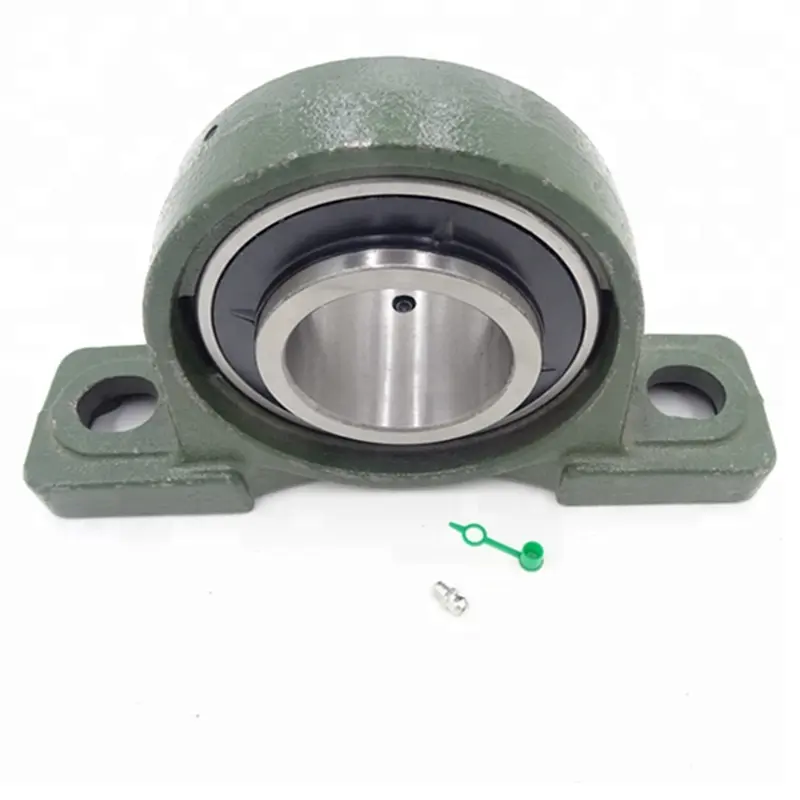
How heat changes steel and what to do about it
I remember a customer in Egypt. He ran asphalt mixing equipment. The bearings sat near a hot drum. The temperature was around 150°C. Standard bearings lasted two weeks. He thought the brand was bad. But the problem was the steel. Let me explain the science.
What happens to bearing steel as temperature rises
- Up to 100°C – Standard GCr15 steel keeps its hardness (around 60-62 HRC). No problem.
- 100°C to 120°C – Very slow softening starts. You might not notice.
- 120°C to 150°C – Hardness drops to 58 HRC. Wear rate doubles.
- 150°C to 200°C – Hardness drops to 55 HRC. The bearing wears 5 times faster.
- Above 200°C – Standard steel loses temper completely. The bearing can crumble.
Heat-stabilized bearing steels
| Steel grade | Max continuous temperature | Hardness at max temp | Best for |
|---|---|---|---|
| Standard GCr15 | 120°C | 58 HRC | Normal applications |
| Stabilized (S1) | 150°C | 58-60 HRC | Dryers, ovens, hot conveyors |
| Stabilized (S2) | 200°C | 58 HRC | Asphalt, kilns, hot fans |
| High-temperature tool steel | 250°C | 55 HRC | Extreme heat applications |
| Stainless steel (440C) | 180°C | 56 HRC | Heat + corrosion |
What about the bearing cage?
The cage (retainer) that holds the balls also changes with temperature. Standard steel cages are fine up to 150°C. Nylon (polyamide) cages work only up to 120°C. Above that, nylon softens and deforms. Brass cages work up to 250°C. For very hot places, use brass or stamped steel cages.
My advice for hot machines
Check the actual bearing temperature with a contact thermometer or thermal camera. If it is above 100°C, ask your supplier for stabilized steel bearings. At FYTZ, we mark these with an "S" suffix. Also use high-temperature grease (I will cover that later). Do not just buy standard bearings and hope they survive.
Hot vs. Cold – How Extreme Temperatures Affect Bearing Internal Clearance?
You put a new bearing on a cold shaft. It fits fine. Then the machine heats up. The bearing seizes. Or the opposite – a bearing that fits fine at room temperature becomes loose in a freezer.
Short answer: Metal expands when hot and shrinks when cold. The bearing inner ring and shaft expand at the same rate. But the outer ring and housing also move. You need more internal clearance (C3 or C4) for high heat. For cold, you need less clearance or a special cold-tolerant design.
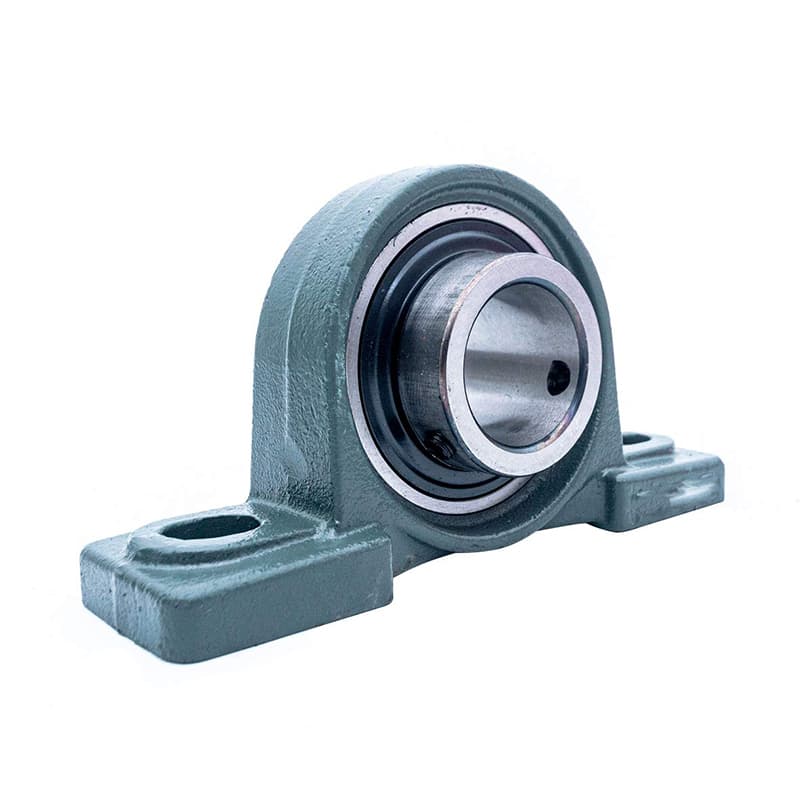
How to calculate the right clearance for your temperature
I learned this from a customer in Russia. He used outdoor fans in winter. Temperature dropped to -30°C. The bearings made a grinding noise at startup. He thought the bearings were bad. But the problem was clearance. The shaft and inner ring shrunk more than the outer ring. The bearing had no internal gap left. Here is the full story.
What is internal clearance?
Internal clearance is the tiny gap between the balls and the races. It is measured in microns (0.001 mm). Standard bearings have CN clearance. For high heat, you need C3 (larger gap) or C4 (even larger). For extreme cold, you might need CN or even C2 (smaller gap).
How temperature changes clearance
| Temperature change | Shaft + inner ring | Outer ring + housing | Net effect on internal clearance |
|---|---|---|---|
| Heat up | Expand | Expand but slower | Clearance decreases |
| Cool down | Shrink | Shrink but slower | Clearance increases |
Recommended clearance classes by temperature
| Operating temperature | Recommended clearance | Reason |
|---|---|---|
| Below -20°C | CN or C2 | Cold shrinks everything. You need a smaller starting gap. |
| -20°C to +80°C | CN | Normal range. Standard works fine. |
| +80°C to +120°C | C3 | Heat reduces clearance. C3 compensates. |
| +120°C to +180°C | C4 | High heat needs much more starting gap. |
| Above 180°C | C4 + special design | Consult bearing engineer. |
A real example
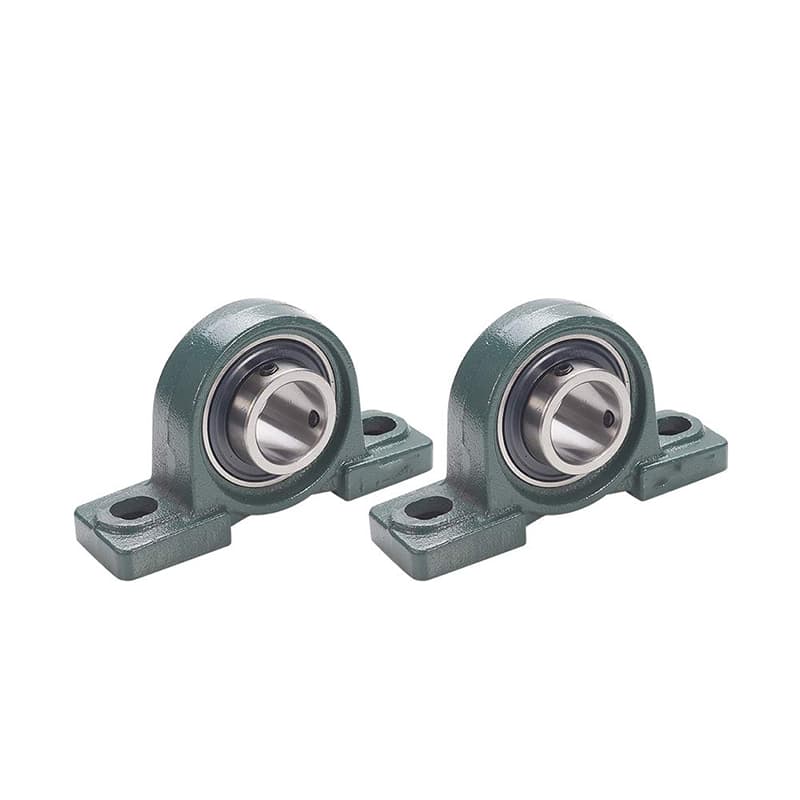
Take a UC208 bearing with CN clearance. The internal clearance is roughly 10 to 20 microns. When the bearing runs at 110°C, the inner ring expands more than the outer ring. The clearance can drop to near zero. The bearing runs hot, makes noise, and seizes. If you use C3 clearance (20 to 35 microns), you still have a safe gap at 110°C.
What about the housing fit?
The housing material also matters. Cast iron expands less than aluminum. If your housing is aluminum, it will expand more and loosen the outer ring fit. That can cause the bearing to spin in the housing. For high heat, use cast iron or steel housings.
My rule for cold applications
For freezers or outdoor winter equipment, use CN clearance. Do not use C3. The extra gap will cause more noise and vibration at low temperatures. Also use a grease that stays soft in cold. I will talk about that in the next section.
High-Temperature Grease vs. Standard Grease – What You Need for Over 100°C?
You use standard grease. The bearing runs at 120°C. After one week, the grease is black and hard. It looks like charcoal.
Short answer: Standard lithium grease melts and oxidizes above 120°C. You need synthetic grease with a high dropping point, like polyurea or PTFE-thickened grease. Also use a grease with a high viscosity base oil.
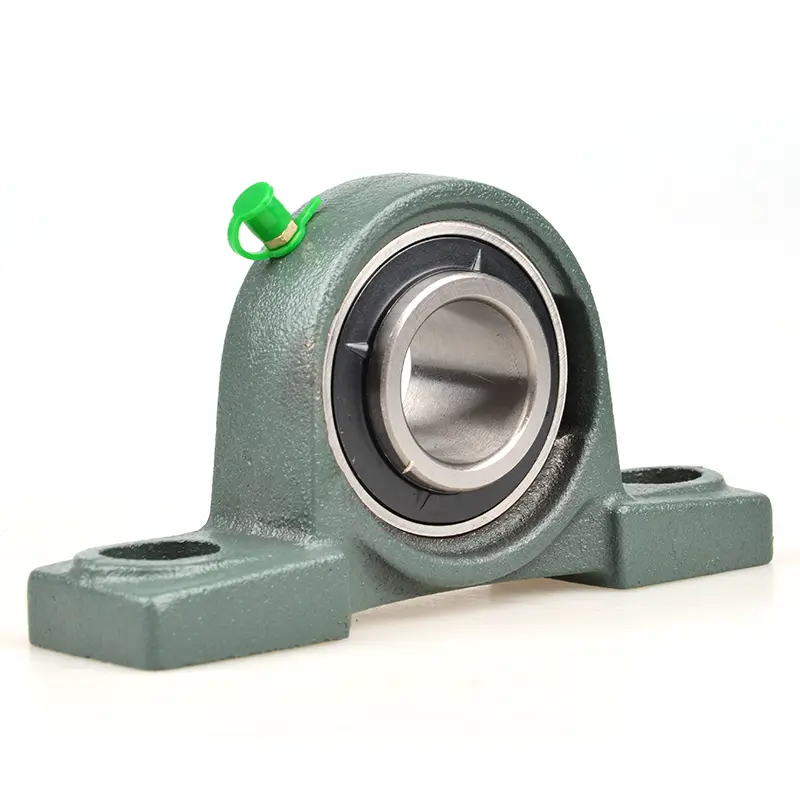
How grease fails in heat and what to choose instead
I remember a customer in India. He ran a kiln drying machine for spices. The bearings were near the hot air duct. Temperature was 130°C. He used standard lithium grease. The grease turned into hard chunks in three weeks. The bearings seized. We switched to a polyurea synthetic grease. The bearings ran for a full year. Let me explain what happens inside.
Three ways heat kills grease
- Oil separation – Grease is oil mixed with a thickener. Heat makes the oil separate and run out. The thickener left behind is hard and useless.
- Oxidation – Hot oil reacts with oxygen. It turns dark and acidic. The acid attacks bearing surfaces.
- Evaporation – Light oil fractions evaporate at high temperature. The grease becomes too thick to flow.
Grease types and their temperature limits
| Grease type | Dropping point | Max continuous temperature | Best for |
|---|---|---|---|
| Lithium (standard) | 180°C | 100°C | Normal, cheap |
| Lithium complex | 260°C | 140°C | Medium heat, good value |
| Polyurea | 240°C | 150°C | High heat, long life |
| Calcium sulfonate | 280°C | 160°C | High heat + water resistance |
| PTFE (Teflon) based | 280°C+ | 200°C | Extreme heat, expensive |
| Bentonite clay | No dropping point | 250°C | Very high heat, no oil separation |
What about the base oil viscosity?
Base oil viscosity matters at high temperature. A thin oil will evaporate fast. You need a thick oil. Look for ISO VG 150 or higher for hot applications. Standard grease uses ISO VG 68 or 100. The label on the grease container will show this number.
How to tell if your grease failed from heat
Take a sample of used grease. If it is black, hard, or crumbly, it has oxidized. If it smells burnt, that is another sign. If the grease is runny like water, the thickener broke down. All these mean you need a better grease.
My high-temperature grease recommendation
For most applications up to 150°C, use polyurea grease. It is widely available. It lasts long. It does not harden. For 150°C to 200°C, use a PTFE or bentonite grease. These are more expensive but necessary. Also use a smaller amount of grease at high temperatures. Overgreasing causes churning and more heat. For a UC208 bearing at 130°C, use 3 grams every 200 hours instead of 5 grams every 500 hours.
Low-Temperature Applications – Special Bearings for Cold Storage and Outdoor Fans?
Your freezer fan makes a grinding noise when it starts. After 10 minutes, the noise goes away. Is the bearing bad?
Short answer: No – the grease is too thick for cold. Standard grease becomes hard below -20°C. The bearing cannot roll smoothly until friction warms it up. You need low-temperature grease and possibly different bearing materials for extreme cold.
How cold changes bearing behavior and what you can do
A customer in Canada called me. His outdoor ventilation fans ran in winter at -35°C. He used standard bearings with standard grease. The fans took 30 minutes to reach full speed. The motors worked harder and drew more current. I sent him bearings with low-temperature synthetic grease. The problem went away. Here is what you need to know.
Three problems with cold
- Grease thickening – At low temperatures, grease becomes thick like honey or even like wax. The bearing has to push through this thick grease. That creates drag and heat.
- Increased rolling resistance – Even with thin lubricant, cold steel is less flexible. The balls need more force to roll.
- Moisture condensation – When cold equipment warms up, water condenses inside the bearing. This can cause rust later.
Grease for low temperatures
| Grease type | Lowest usable temperature | Good for |
|---|---|---|
| Standard lithium | -20°C | Not for cold storage |
| Lithium complex | -30°C | Moderate cold |
| Synthetic (PAO or diester) | -50°C | Freezers, outdoor winter |
| Silicone grease | -70°C | Extreme cold, but low load capacity |
Other low-temperature considerations
- Bearing material – Standard steel works fine at low temperatures. In fact, steel gets harder and stronger in cold. No need for special steel.
- Housing material – Cast iron can become brittle below -40°C. Use ductile iron or stainless steel for very cold environments.
- Seals – Rubber seals get stiff in cold. They may not seal well at startup. Use PTFE lip seals or contact-free metal shields for extreme cold.
- Mounting – Do not hammer bearings onto shafts in cold. The steel is more brittle. Use an induction heater or warm the bearing to room temperature first.
How to choose a bearing for a freezer or outdoor winter fan
- Use CN or C2 clearance (not C3).
- Use a synthetic low-temperature grease (check the spec for -40°C or lower).
- Use a stainless steel housing if condensation is a problem.
- Add a water-resistant coating to the shaft.
- Run the fan for 5 minutes at low speed before full speed. This warms the grease gradually.
My simple rule
If your bearing will operate below -20°C, ask your supplier for a low-temperature grease option. At FYTZ, we offer bearings with Kluber or Mobil synthetic greases rated to -50°C. The extra cost is small compared to the headache of frozen fans.
Conclusion
Match your bearing steel, clearance, and grease to your real temperature. Hot or cold – the right choice keeps you running.