
Your bottling line stops every week. Bearings rust or seize from water and soap.
You lose money on every repair. The right pillow block bearing fixes that.
Short answer: Bottling conveyors need special bearings with stainless steel or composite housings, triple seals, and food-grade grease. These bearings survive daily washdowns, caustic chemicals, and wet conditions without failing.
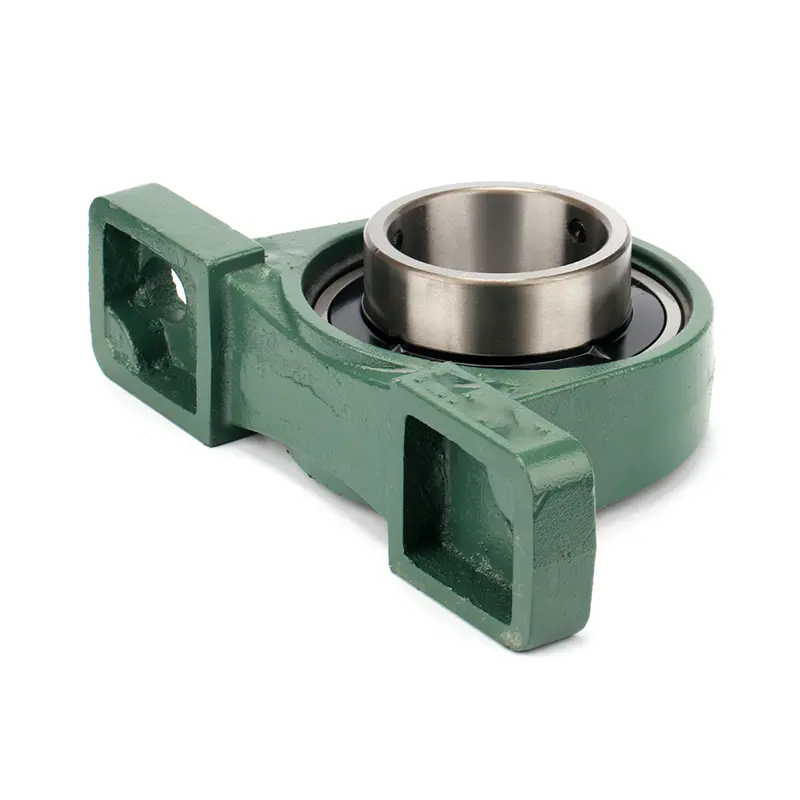
You might think any bearing works for a conveyor. But I have seen too many bottling plants throw away money on cheap bearings. Let me show you what really matters when you choose bearings for wet, soapy lines.
Why Bottling Conveyors Need Special Bearings That Handle Washdowns and Wet Conditions?
Water sprays from every direction. Soap foams up. High-pressure hoses hit the bearings. Normal bearings die fast in that environment.
Short answer: Standard bearings have no protection against water. Water washes away grease. Then rust starts. Then the bearing locks up. Special washdown bearings have seals that keep water out and special grease that stays in place.
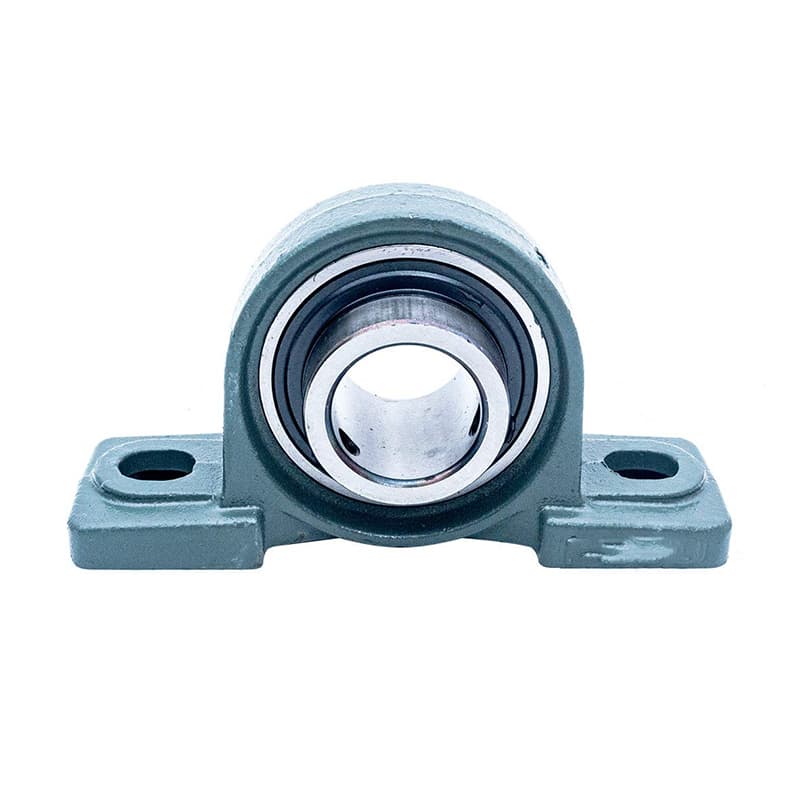
The real damage from daily washdowns
I remember a customer in Brazil. He ran a soda bottling plant. He bought standard pillow block bearings from a local supplier. Each bearing lasted two weeks. He called me frustrated. I asked how they clean the line. He said “every night with hot water and caustic.” That killed his bearings. Here is why.
Three ways water destroys bearings
-
Grease washout – Water pressure pushes grease out of the bearing. High-pressure hoses make it worse. Once the grease leaves, metal rubs on metal. The bearing heats up and seizes.
-
Rust and corrosion – Bottling lines use water with chlorine or sanitizers. Chlorine speeds up rust. Even stainless steel can stain. Regular chrome steel bearings rust in days.
-
Chemical attack – Caustic cleaners (sodium hydroxide) eat away at standard bearing seals. The seals turn hard and crack. Then water and dirt go straight inside.
What a true washdown bearing must have
I have supplied bearings to bottling plants in Egypt and Indonesia. The ones that last have these features:
- Stainless steel housing (304 or 316) – No rust at all. 316 is better for high-chlorine environments.
- Composite (plastic) housing – Lighter and cheaper. No rust. But not for very hot washdowns.
- Triple lip seals with stainless steel flinger – The flinger spins with the shaft. It throws water away before it reaches the seal.
- Food-grade (NSF H1) grease – Safe if it touches bottles. Also resists water washout better than standard grease.
Here is a quick comparison table:
| Bearing type | Life in bottling line with daily washdown | Cost factor |
|---|---|---|
| Standard chrome steel | 1-3 weeks | 1x |
| Chrome steel with better seals | 1-3 months | 1.5x |
| Stainless steel insert + cast iron housing | 6-12 months | 3x |
| Full stainless steel (housing + insert) | 2+ years | 5x |
| Composite housing + stainless insert | 12-18 months | 4x |
My advice: Do not cheap out on bearings for your bottling line. A bearing that costs $10 more can last 10 times longer. That means less downtime and lower labor cost.
How to Stop Bearing Corrosion from Cleaning Chemicals on Your Bottling Line?
You use strong chemicals to keep bottles clean. Those same chemicals eat your bearings. The problem is real and expensive.
Short answer: Switch to bearings with 316 stainless steel housings and fluorocarbon (Viton) seals. Viton resists caustic and acid cleaners. Also apply a food-grade anti-corrosion spray on shafts every month.
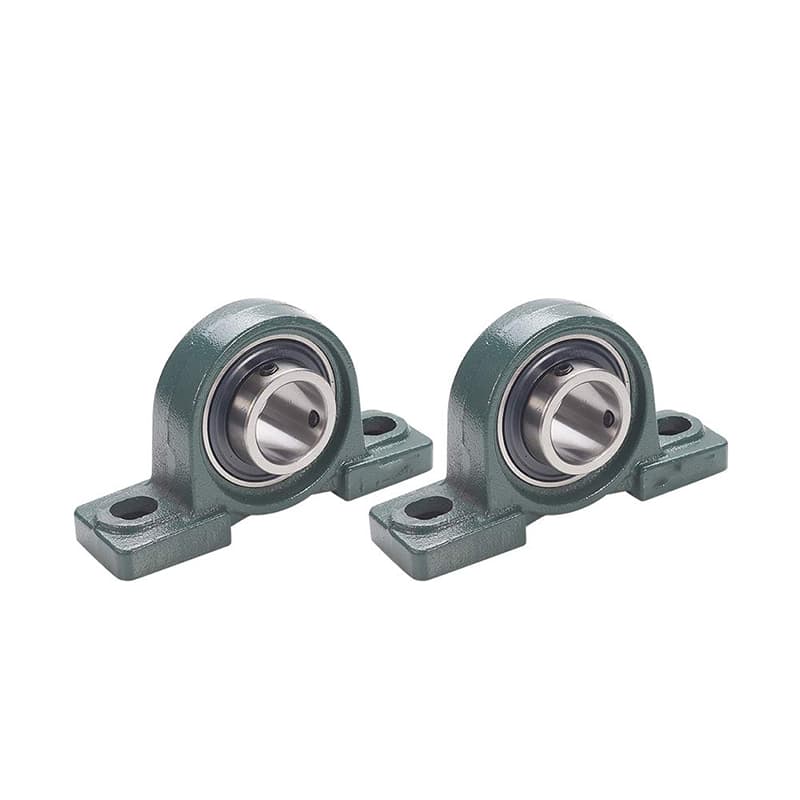
Matching bearing materials to your cleaning chemicals
I work with a customer in Vietnam. They bottle fish sauce. Their cleaning process uses hot caustic and then an acid rinse. That is a nightmare for bearings. We tried three different materials before finding the right one. Let me share what I learned.
Common cleaning chemicals and how they attack bearings
- Sodium hydroxide (caustic) – pH 13 to 14. This eats aluminum and zinc. It also damages standard nitrile rubber seals. The seals swell and crack.
- Phosphoric or citric acid – pH 2 to 3. These attack standard chrome steel directly. Rust forms in hours.
- Chlorinated sanitizers (bleach) – Very aggressive. They cause pitting corrosion on stainless steel too. 304 stainless can pit. 316 stainless is much better.
- Hot water (80°C+) – High temperature speeds up every chemical reaction. Hot water also breaks down standard grease faster.
Material choices for each chemical environment
| Chemical used | Best housing material | Best seal material | Best bearing steel |
|---|---|---|---|
| Mild soap only | Cast iron with epoxy paint | Nitrile rubber | Chrome steel (coated) |
| Caustic washdown | 304 stainless steel | Viton (FKM) | 440C stainless |
| Acid rinse | 316 stainless steel | Viton (FKM) | 440C stainless |
| Chlorine sanitizer | 316 stainless steel | Viton (FKM) or PTFE | 440C or 630 stainless |
| High heat (90°C) | Composite (Torlon) | Silicone or Viton | 440C stainless |
A trick that saves money
If you cannot replace all bearings with stainless steel right away, use a shaft protection ring. That is a thin stainless steel sleeve that covers the shaft where the bearing sits. It costs much less than a new shaft. Also apply a food-grade anti-corrosion spray on the shaft ends every month. I recommend products like CRC Food Grade Silicone or similar.
One more thing: Do not use brass or zinc-plated bolts on the bearing housing. Those metals corrode fast in chemicals. Use stainless steel bolts (A2 or A4 grade). I tell my distributor clients to include stainless bolt kits with every bearing order for bottling lines.
Low-Noise Pillow Block Bearings – A Must for Bottling Transfer Systems?
Bottling lines run near people. Noise is not just annoying. It can hurt worker health and show bearing problems.
Short answer: Low-noise bearings use precision balls, smooth races, and special grease. They run below 65 decibels. That keeps your factory quiet and helps you hear when a bearing starts failing.
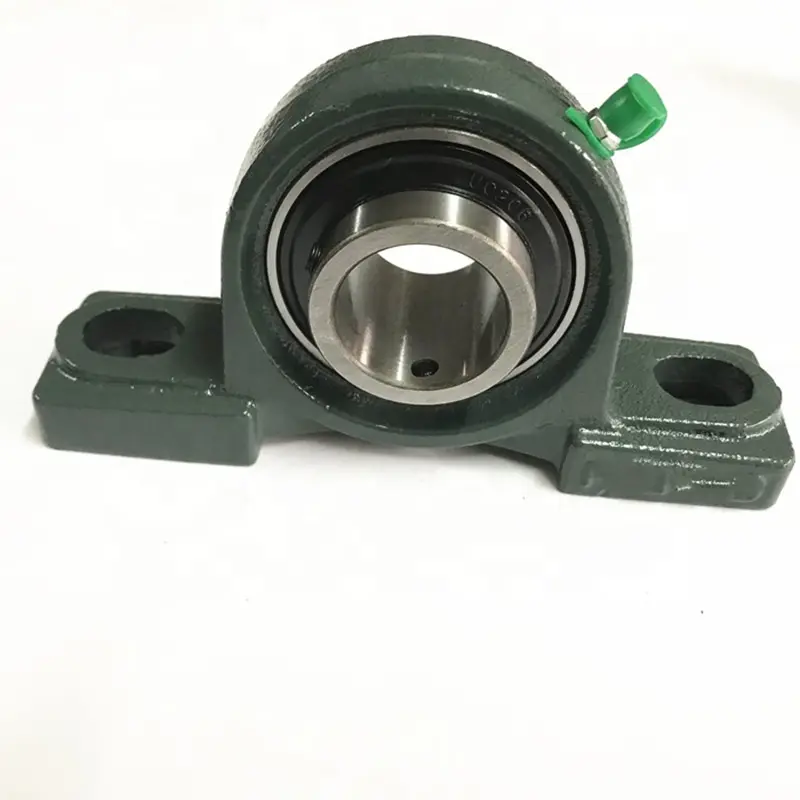
Why noise happens and how to stop it
A customer in Turkey called me. He said his new bottling line sounded like a grinding machine. The line was only three months old. I asked him to record the sound on his phone. I heard a rhythmic knocking. That told me the bearings had dents or dirt inside. He bought cheap bearings from another supplier. I replaced them with our P5 precision bearings. The noise dropped by half. Here is the science.
Three main sources of bearing noise
-
Surface finish – Every bearing has tiny bumps on the balls and races. Standard bearings are okay for most machines. But for quiet operation, you need P5 or P6 precision. These have smoother surfaces. The balls roll with less vibration.
-
Dirt and dust – A single grain of sand inside a bearing makes a scratching sound. In a bottling plant, dust from cardboard boxes or sugar powder gets everywhere. Good seals stop that dirt.
-
Brinelling (dents) – When you hammer a bearing onto a shaft, you dent the races. Those dents make a thump sound every time a ball rolls over them. Use a bearing heater or a proper mounting tool.
Decibel levels for bottling lines
| Bearing quality | Typical noise level (at 1m) | Worker comfort |
|---|---|---|
| Standard (P0) | 70-80 dB | Loud, stressful |
| P5 precision | 60-70 dB | Acceptable |
| P6 with special grease | 55-65 dB | Quiet |
| Failed bearing | 85+ dB | Immediate problem |
How to measure bearing noise without special tools
Use a long screwdriver. Put the metal tip on the bearing housing. Press your ear against the plastic handle. You will hear the bearing sound clearly. A good bearing makes a smooth whirring sound. A bad bearing makes clicks, scrapes, or a rough rumble.
For bottling transfer systems, I always recommend P5 precision bearings with polyurea grease. Polyurea is quiet and lasts long. Also make sure the conveyor frame is stiff. A flimsy frame amplifies noise like a drum. Add rubber vibration pads under the bearing feet. That cuts noise by another 5-10 dB.
Quick-Mount Bearing Features That Cut Downtime on Conveyor Frame Repairs?
A bottling line stops. Workers rush to change a bearing. Every minute of downtime costs money. You need a bearing that goes on fast.
Short answer: Look for bearings with eccentric locking collars or set screws, pre-lubricated with grease fittings. Also choose split housing bearings for the fastest change – you replace only the top half without removing the shaft.
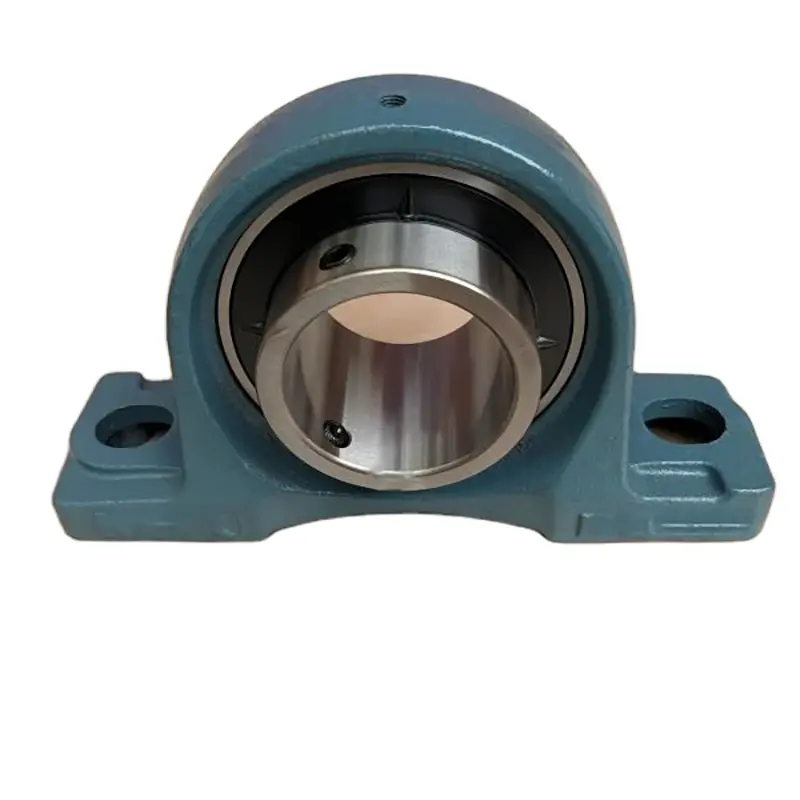
Comparing mounting methods for speed and reliability
I visited a juice bottling plant in Egypt. They had 200 bearings on their conveyor system. A bearing change took two hours because the shaft was stuck. They had to cut the shaft. That is insane. I showed them our quick-mount series with eccentric locking collars. Now a change takes 15 minutes. Let me break down your options.
Mounting method 1: Sets screws
Two screws on the bearing inner ring. You tighten them onto the shaft. Very common. But they loosen over time from vibration. Then the bearing spins and damages the shaft. Good for slow conveyors. Not great for high speed.
Mounting method 2: Eccentric locking collar
You turn a collar that locks onto the shaft. It grips tighter than set screws. It also centers the bearing better. Installation takes 30 seconds more than set screws. But it lasts much longer. I recommend this for most bottling conveyors.
Mounting method 3: Tapered adapter sleeve
A sleeve slides onto the shaft. You tighten a nut to lock everything. Very strong grip. Good for heavy loads. But it takes longer to install and remove. Not the best for quick repairs.
Mounting method 4: Split housing
The bearing housing comes in two halves – top and bottom. You unbolt the top, lift it off, and replace the bearing insert without touching the shaft. This is the fastest repair method. The downside: split housings cost more and are less common.
Here is a speed and reliability comparison:
| Mounting type | Installation time (new) | Replacement time | Risk of shaft damage | Best for |
|---|---|---|---|---|
| Set screws | 5 min | 20 min | Medium | Low speed lines |
| Eccentric collar | 6 min | 15 min | Low | Most bottling lines |
| Tapered sleeve | 10 min | 30 min | Very low | Heavy load areas |
| Split housing | 8 min | 8 min | Very low | Frequent repair zones |
Three other features that save time
-
Pre-lubricated bearings – Some cheap bearings come dry. You must pack grease before use. That adds 5 minutes per bearing. Always buy pre-greased.
-
Relubrication port (grease fitting) – A bearing with a fitting lets you add grease without stopping the line for long. You can even install automatic lubricators.
-
Color-coded housing – Not a joke. Some manufacturers paint different sizes in different colors. Your workers grab the right bearing faster. No more measuring in a hurry.
My personal tip: Keep a spare bearing kit near each conveyor zone. Include the bearing, stainless bolts, and a small tube of grease. Also keep a copy of the bearing size label on the machine frame. That way your team never guesses the right part.
Conclusion
Choose stainless or composite bearings with good seals and quick mounting. Your bottling line runs longer with fewer stops.