
You push your machines hard. They fail too soon. You need bearings that last.
Durable high-capacity bearings handle heavier loads and survive longer than standard bearings. They use thicker rings, larger rolling elements, cleaner steel, and optimized heat treatment. These features give you more strength and longer life.
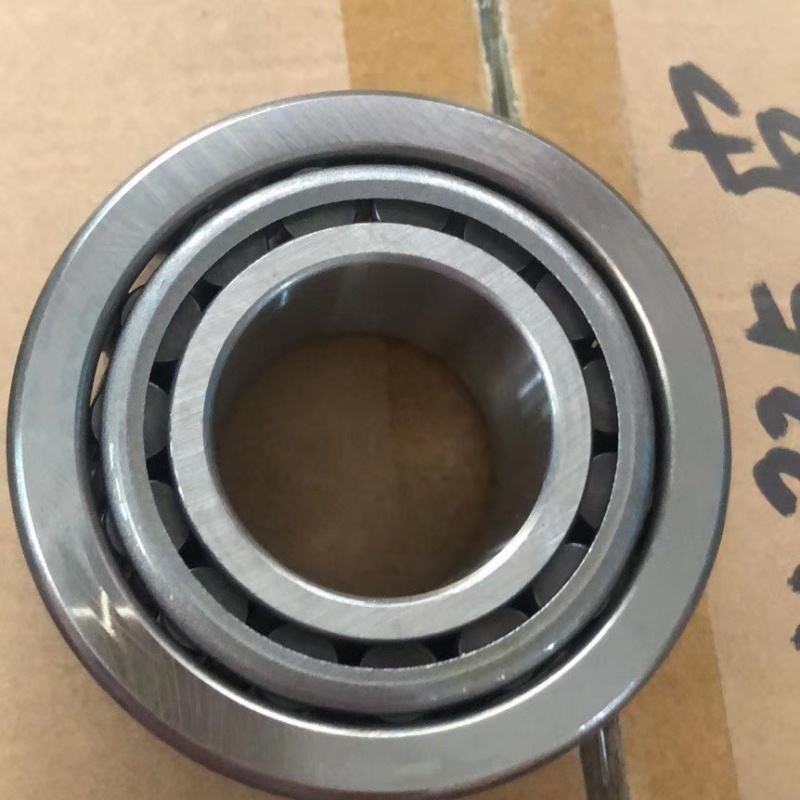
I have supplied bearings to heavy industries for years. Customers always ask me the same question. How do I find a bearing that does not break under heavy loads? In this article, I will answer that. I will explain what high-capacity means. I will also show you how to choose the right bearing for your tough equipment.
What Makes a Bearing "High-Capacity" and How Do You Define Durability?
You see the words "high-capacity" on a bearing box. But what do they really mean? Let me clear that up.
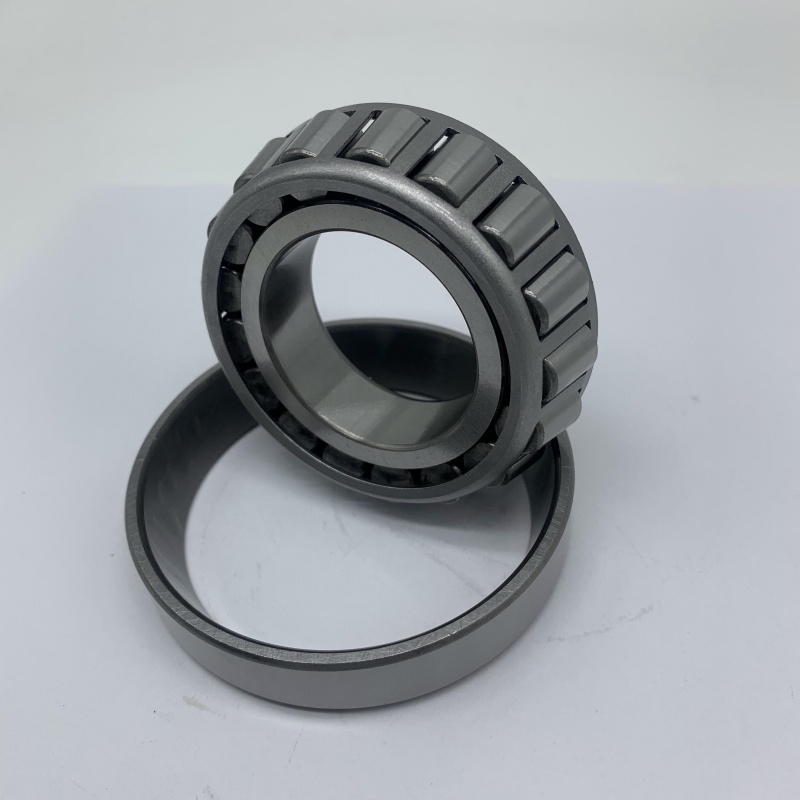
A high-capacity bearing has a higher dynamic load rating (C) than a standard bearing of the same size. Durability means the bearing resists fatigue, wear, and deformation over time. It keeps working under repeated stress without failing early.
Defining High-Capacity
Let me use simple numbers. Every bearing has a dynamic load rating. That number tells you how much weight the bearing can carry while spinning. A higher number means longer life under the same load.
For a standard 6206 deep groove ball bearing, the C rating is about 19.5 kN. For a high-capacity version of the same size, the C rating might be 22 kN or higher. That 13% increase translates into roughly 40% longer life. Why? Because bearing life is calculated by the third power of load. A small increase in load rating gives a big increase in life.
We make high-capacity bearings in several ways. We use larger balls or rollers. We deepen the raceways. We use stronger steel. We optimize the internal geometry. All these changes add up to a bearing that simply takes more punishment.
Defining Durability
Durability is not the same as load capacity. Load capacity is about how much force the bearing can take. Durability is about how long it can take that force.
A durable bearing resists three things.
First, fatigue. Every time a rolling element passes over a spot on the raceway, that spot gets stressed. After millions of cycles, tiny cracks start. These cracks grow. Eventually the surface flakes off. That is spalling. A durable bearing uses clean steel with few inclusions. Clean steel takes more cycles before cracking.
Second, wear. When the rolling element slides against the raceway, tiny bits of metal get removed. Over time, the clearance increases. The bearing gets loose. A durable bearing has a hard, smooth surface. The hardness resists scratching. The smoothness reduces sliding friction.
Third, deformation. Under heavy load, the raceway can dent. The rolling element can flatten. A durable bearing uses through-hardened steel. The hardness goes all the way through. Dents do not form easily.
Here is a table that separates these two concepts:
| Concept | What It Measures | How It Is Improved |
|---|---|---|
| High capacity (C rating) | Maximum load before fatigue life drops | Larger rolling elements, deeper raceways |
| Durability | Resistance to wear, denting, cracking | Cleaner steel, harder surface, heat treatment |
I have a customer in India. He runs a stone crusher. He bought standard bearings with a decent C rating. They failed by denting. The rollers made dents in the raceway. That was a durability problem, not a capacity problem. We gave him bearings with through-hardened steel and a higher hardness (61 HRC instead of 59). The dents stopped. The bearings lasted three times longer.
So high-capacity and durability are two sides of the same coin. You need both.
Under Which Operating Conditions Do High-Capacity Bearings Perform Best?
Not every machine needs a high-capacity bearing. But some machines destroy normal bearings. Let me name those conditions.
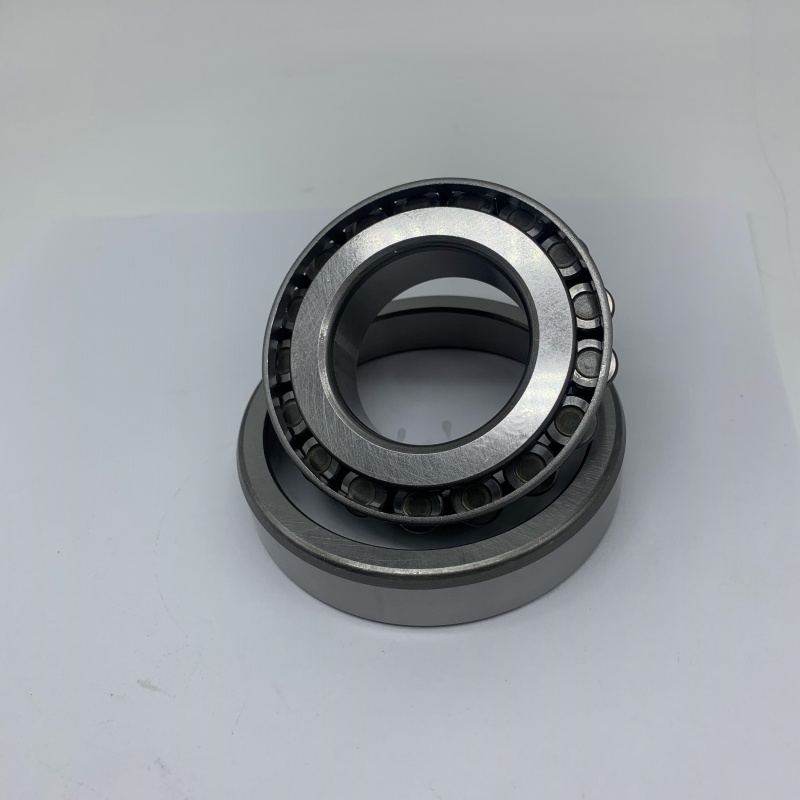
High-capacity bearings perform best under four conditions: heavy static or dynamic loads, shock loads, high vibration, and continuous operation with minimal maintenance access. In these situations, standard bearings fail fast. High-capacity bearings keep running.
Four Tough Conditions
Let me describe each one.
1. Heavy Static or Dynamic Loads
Static load is the weight that sits on the bearing when the machine is off. Dynamic load is the force when the machine is running. Some machines have very high static loads. For example, the support rollers on a cement kiln. The kiln weighs hundreds of tons. The bearing must hold that weight without denting.
In these cases, a standard bearing would flatten. The rolling elements would make permanent dents. A high-capacity bearing uses larger rollers and a steeper contact angle. That spreads the static load over more area.
Dynamic loads are also heavy. A rolling mill bearing pushes against steel slabs. The force can be thousands of tons. A high-capacity bearing with clean steel and good heat treatment resists fatigue cracking under these repeated heavy loads.
2. Shock Loads
Shock loads are sudden spikes of force. Think of a rock falling onto a crusher. Or a bulldozer hitting a rock. The bearing sees a force that is three to five times higher than the normal load for a split second.
Standard bearings dent under shock. The raceway gets little craters. Then each roller hits those craters on every revolution. The craters grow into pits. The bearing fails. High-capacity bearings have thicker rings and deeper case hardening. The extra thickness absorbs the shock. The deep hardness stops denting.
3. High Vibration
Some machines shake. Vibrating screens. Compactors. Hammer mills. The vibration creates small relative movement between the rolling elements and the raceway. That movement wears away the lubricant and then the metal. It is called false brinelling.
High-capacity bearings for vibrating applications have special cages and tighter internal clearances. Some also have a coating on the raceway that holds oil even when there is no full film. This reduces false brinelling.
4. Continuous Operation with Poor Maintenance Access
Some bearings are hard to reach. For example, a bearing inside a conveyor drum. You cannot grease it every month. You cannot easily replace it. The bearing must run for years without attention.
In these cases, high-capacity bearings with long-life grease and solid oil are the answer. They also need clean steel and smooth raceways to minimize wear. Every extra month of life saves you a big maintenance job.
Here is a table matching conditions to needed features:
| Operating Condition | What Fails First in Standard Bearings | High-Capacity Feature That Helps |
|---|---|---|
| Heavy static load | Denting of raceway | Larger rollers, through-hardened steel |
| Heavy dynamic load | Fatigue spalling | Clean steel, fine microstructure |
| Shock loads | Cracking or denting | Thicker rings, deep case hardening |
| High vibration | False brinelling | Special grease, coated raceways |
| Poor maintenance access | Lubrication starvation | Solid oil, long-life grease |
I remember a customer in Indonesia. He runs a palm oil screw press. The press squeezes fruit bunches. The load is not smooth. It pulses and hammers. Standard bearings failed every two months. The raceways were dented and spalled. We recommended a high-capacity bearing with larger rollers and a brass cage. That bearing ran for 14 months.
So if your equipment has any of these conditions, do not use standard bearings. Get high-capacity ones.
What Key Factors Affect Bearing Durability: Material, Design, or Lubrication?
You want a durable bearing. But where should you focus your money? Material? Design? Or lubrication? All three matter. But some matter more.
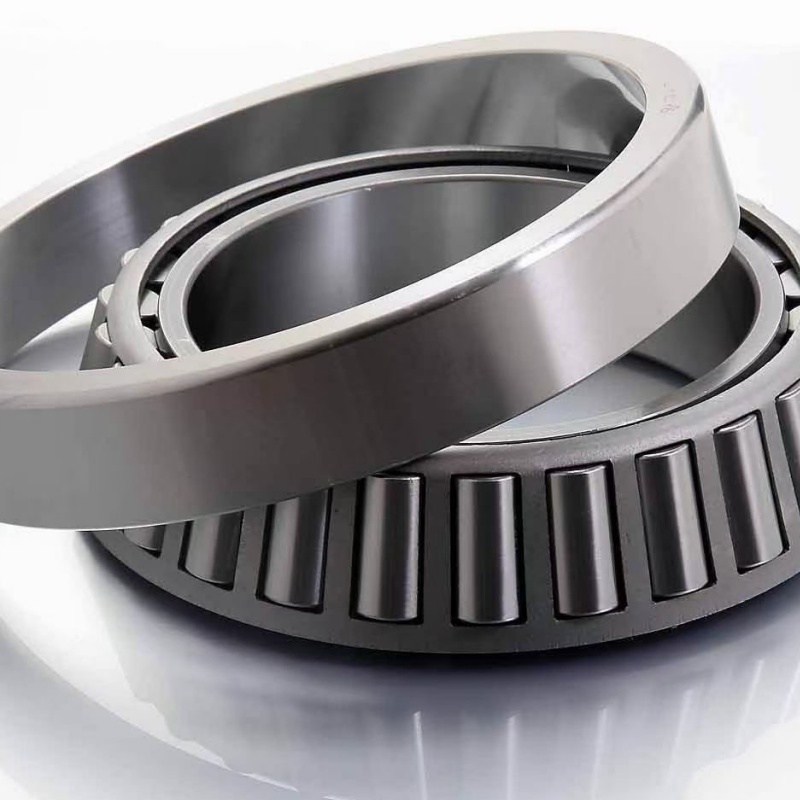
All three factors affect durability. Material accounts for about 40% of bearing life. Design accounts for 30%. Lubrication and maintenance account for 30%. But a weakness in any one factor can kill the bearing fast. You need all three to be good.
Breaking Down the Three Factors
Let me give you a clear picture.
Material (40% of Life)
The steel is the foundation. If the steel is bad, nothing else matters. Good bearing steel has three qualities.
First, high cleanliness. Few non-metallic inclusions. Inclusions are tiny hard particles. They become stress points. Cracks start there. Our steel has oxygen content below 10 ppm. That is very clean.
Second, uniform carbide distribution. Carbides are hard particles that give wear resistance. But if the carbides are too big or clumped together, they act like cracks. Good steel has fine, evenly spread carbides.
Third, proper hardness. 58 to 62 HRC is the range. Too soft, and the bearing dents. Too hard, and it cracks. We hold 59–61 HRC.
I have seen bearings made from recycled steel with high inclusion content. They look fine. But they spall in weeks. Material is not the place to save money.
Design (30% of Life)
Design includes the internal geometry. How many rolling elements? How big are they? What is the contact angle? What is the internal clearance?
A well-designed bearing spreads the load evenly. No hot spots. No edge loading. The rolling elements all share the work.
Our high-capacity designs use larger rollers than standard. They also use a crowned profile. The crown is a slight curve on the roller. It prevents the ends of the roller from digging into the raceway. That reduces edge stress.
Design also includes the cage. A weak cage can break under shock load. Then the rollers pile up. The bearing locks. We use brass cages for heavy-duty applications.
Lubrication (30% of Life)
You can have the best steel and the best design. But without good lubrication, the bearing will fail. Lubrication separates the rolling elements from the raceway. No separation means metal-to-metal contact. That creates heat, wear, and seizure.
Good lubrication means three things. Right type of grease or oil. Right amount. Right relubrication schedule.
For high-capacity bearings, we recommend EP grease (extreme pressure) grease. It has additives that form a protective film under heavy loads. We also recommend relubricating more often than standard bearings. Heavy loads squeeze out the grease faster.
Here is a table showing the impact of each factor:
| Factor | Good Condition | Bad Condition | Effect on Bearing Life |
|---|---|---|---|
| Material | Clean steel, fine carbides | Dirty steel, large inclusions | Life can drop by 70% |
| Design | Larger rollers, crowned profile | Small rollers, straight profile | Life can drop by 50% |
| Lubrication | Clean EP grease, correct amount | Old grease, too little or too much | Life can drop by 80% |
I have a story from a customer in Brazil. He bought our high-capacity bearings. But he used old grease from a drum that had been open for a year. The grease had collected dust. The bearings failed in three months. The raceways were scratched. The dirt acted like sandpaper. We sent him new bearings with fresh grease. He changed his storage practice. The same bearing design then lasted 12 months.
So do not pick one factor over the others. You need all three.
How to Select the Right High-Capacity Bearings for Heavy-Duty Equipment?
You know you need high-capacity bearings. But there are many types. Which one is right for your machine?
To select the right high-capacity bearing, follow these steps: calculate your loads, determine the required L10 life, choose the bearing type (tapered, spherical, or cylindrical), select the right internal clearance, and specify the right lubrication. Match the bearing to your real operating conditions, not a guess.
A Five-Step Selection Process
Let me walk you through what I tell my customers.
Step 1: Calculate Your Actual Loads
Do not guess. Measure or calculate the radial load and axial load. For example, a conveyor drum might have a radial load of 20 kN from the belt tension. It might have an axial load of 5 kN from misalignment.
Write down both numbers. Also note if the load is constant or shocks. For shock loads, multiply the normal load by 2 or 3.
Step 2: Determine the Required L10 Life
L10 life is the number of hours that 90% of a group of bearings will survive. For a mining conveyor, you might need 50,000 hours. For a small fan, 10,000 hours is fine.
Use this formula in your bearing catalog. The manufacturer gives you a calculation method. If you are not sure, tell me your machine type. I can help.
Step 3: Choose the Bearing Type
Here is a simple rule.
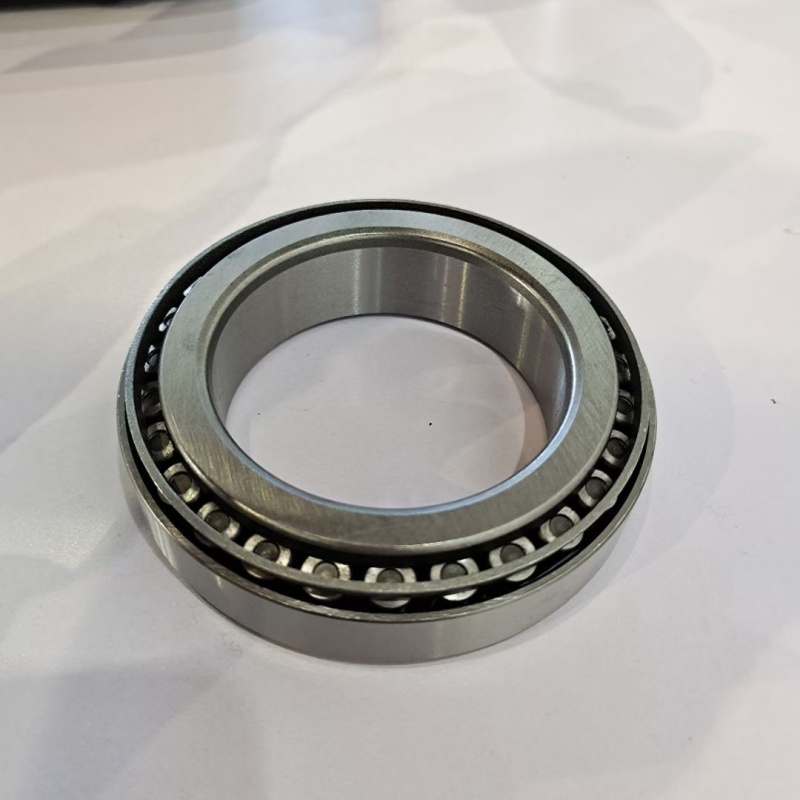
For heavy radial loads with moderate axial loads, use cylindrical roller bearings. For mixed radial and axial loads, use tapered roller bearings or spherical roller bearings. For misalignment, use spherical roller bearings.
Our most popular high-capacity bearings for heavy equipment are tapered and spherical. Tapered bearings give you adjustable clearance. Spherical bearings tolerate shaft bending.
Step 4: Select the Right Internal Clearance
Standard clearance (CN) is for normal temperatures and fits. For hot-running machines or interference fits on the shaft, use C3 or C4. For very high precision, use C2 (smaller clearance).
Most heavy-duty equipment runs hot. So C3 is a common choice. For very high heat (bearing over 120°C), choose C4.
Step 5: Specify Lubrication and Seals
For heavy loads, use EP grease with high base oil viscosity (ISO VG 150 or 220). For high speed, use lower viscosity. For dust and water, use rubber seals (2RS). For high temperature, use polyurea or PTFE grease.
Here is a selection table for common heavy-duty applications:
| Equipment Type | Recommended Bearing | Radial Load | Axial Load | Clearance | Grease Type |
|---|---|---|---|---|---|
| Crusher (shock) | Spherical roller | Very high | Medium | C4 | EP, high viscosity |
| Conveyor drum | Tapered roller (pair) | High | Low | C3 | Lithium EP |
| Gearbox (industrial) | Tapered roller | Medium | High | C3 | Polyurea |
| Vibrating screen | Spherical roller (special) | Medium | Low | C3 | EP with anti-wear |
| Rolling mill | Tapered or cylindrical | Very high | Medium | C4 | Solid oil |
I have a customer in Russia. He asked me for a high-capacity bearing for a snow blower auger. The load was heavy and had shocks from ice chunks. I recommended a spherical roller bearing with C4 clearance and EP grease. He installed it. The previous bearings lasted one winter. Ours lasted three winters.
So follow these steps. If you are still unsure, send me your machine parameters. I will give you a recommendation.
Conclusion
Durable high-capacity bearings need clean steel, smart design, and proper lubrication. Match them to your loads. They will last.
