
You buy bearings. Some work. Some fail. You need a brand you can trust every time.
Trusted industrial bearings with tapered roller design combine high load capacity, long life, and consistent quality. The tapered shape handles both radial and axial forces. That is why engineers and maintenance teams choose them for critical machinery.
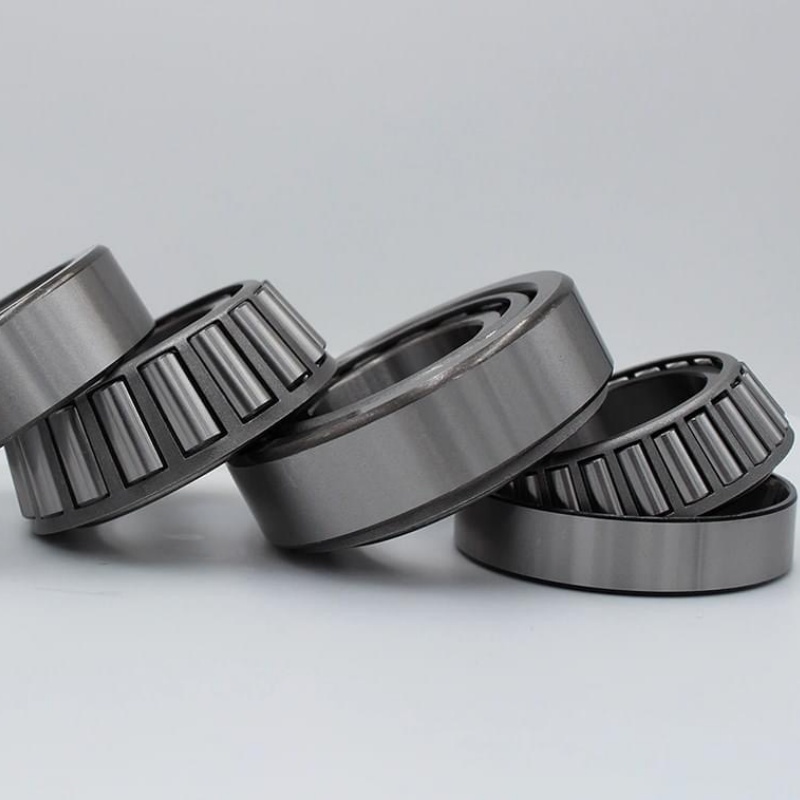
I run a bearing factory in China. I have shipped millions of tapered roller bearings to customers in Turkey, Russia, Brazil, India, and many other countries. Over the years, I have learned one thing. Trust is not given. It is earned. In this article, I will explain why tapered roller design is trusted. I will also show you what we do at FYTZ to earn our customers’ trust.
Why Is the Tapered Roller Design a Trusted Choice in Industrial Bearings?
You see many bearing types. Ball bearings. Cylindrical bearings. Spherical bearings. But for heavy and mixed loads, tapered rollers are the go-to choice.
The tapered roller design is trusted because it offers line contact instead of point contact. That spreads the load over a larger area. It also handles radial and axial loads at the same time. And you can adjust the internal clearance after installation. These three features make it very reliable.
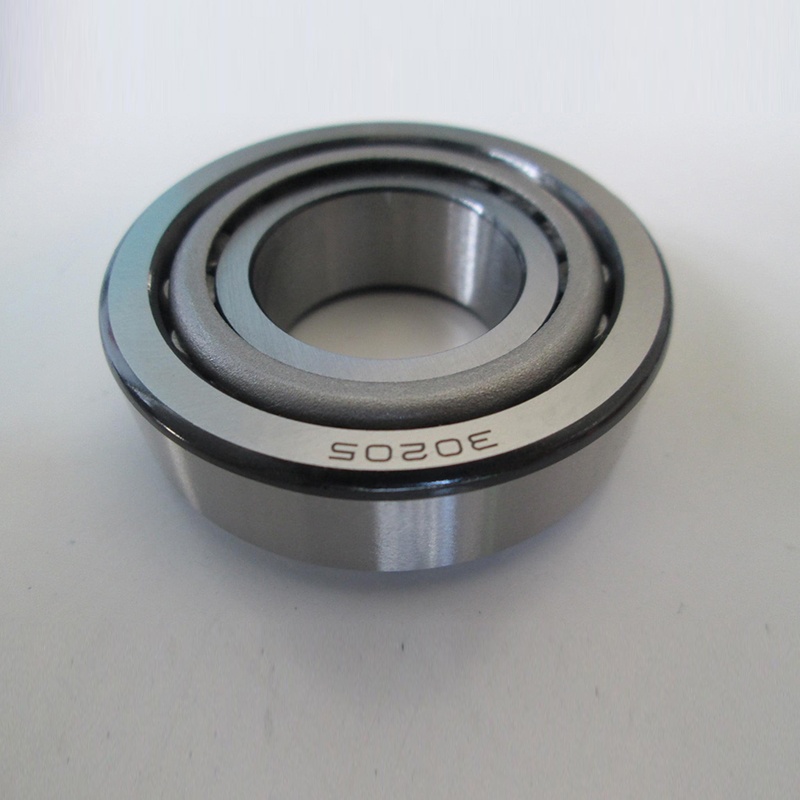
Three Reasons Tapered Rollers Earn Trust
Let me break down why this design is so special.
1. Line Contact for Higher Load Capacity
A ball bearing touches the raceway at a tiny point. That point gets very high pressure. Under heavy load, the ball can dent the raceway. A tapered roller touches along a line. The line has much more area. The pressure per square millimeter is much lower.
Lower pressure means less stress on the steel. Less stress means the bearing resists fatigue longer. That is why tapered bearings last longer in heavy-duty applications like truck wheels and gearboxes.
2. Combined Load Handling
Most machines put two types of force on a bearing. Radial force pushes from the side. Axial force pushes along the shaft. Many bearings handle one type well. Few handle both well.
Tapered bearings have an angled raceway. That angle lets the bearing take both forces at once. A single tapered bearing can do the job of two different bearings. That simplifies your machine design and reduces part count.
3. Adjustable Internal Clearance
This is a big advantage. After you install a tapered bearing, you can adjust the clearance. You tighten the locknut until you get the right end play. Too loose? Tighten a bit more. Too tight? Loosen and reset.
With deep groove ball bearings, you cannot adjust clearance. What you get from the factory is what you have. If the fit is wrong, you need a different bearing. With tapered bearings, you have control. That adjustability gives engineers confidence.
Here is a comparison table of bearing types:
| Bearing Type | Contact Type | Handles Both Loads? | Adjustable Clearance? | Trust Level in Heavy Industry |
|---|---|---|---|---|
| Deep groove ball | Point | Limited | No | Medium |
| Cylindrical roller | Line | Radial only | No | Medium |
| Spherical roller | Line | Yes | No | High |
| Tapered roller | Line | Yes | Yes | Very High |
I have a customer in Brazil. He builds gearboxes. He used to use cylindrical roller bearings for radial load and thrust bearings for axial load. That was two bearings per shaft. He switched to our tapered bearings. Now one bearing does both jobs. His gearboxes are simpler and more reliable.
So the tapered design is trusted because it works. Plain and simple.
What Processes Make Our Tapered Roller Bearings Earn Long-Term Customer Trust?
You can copy a design. You cannot copy quality. Our customers stay with us because we follow strict processes.
Our tapered roller bearings earn trust through four key processes: vacuum degassed steel, controlled heat treatment with double tempering, super-finished raceways with CBN grinding, and 100% vibration testing. Every bearing gets a batch number. You can trace it back to our production line.

Four Processes That Build Trust
Let me take you inside our factory.
1. Clean Steel from Vacuum Degassing
We start with GCr15 bearing steel. But not just any GCr15. We specify vacuum degassed steel. This process removes oxygen and other impurities. The result is very clean steel with low inclusion content.
Why does that matter? Inclusions are tiny hard particles inside the steel. They act like cracks. Under repeated stress, cracks start at inclusions. Clean steel means fewer starting points for fatigue cracks. That gives you longer bearing life.
We test every batch of steel. We keep the oxygen content below 10 ppm. Many standard bearings have 15–20 ppm. That difference is real.
2. Controlled Heat Treatment with Double Tempering
Heat treatment decides the hardness and toughness of the bearing. We use continuous furnaces with temperature control within ±5°C. The rings go through austenitizing, quenching, and then double tempering.
Double tempering is an extra step. Most factories temper once. We temper twice. The second tempering removes more internal stress. It also makes the microstructure more stable. The final hardness is 59–61 HRC. That is the sweet spot for wear resistance and toughness.
We also run a microstructure check on every batch. We want fine, evenly distributed carbides. No large lumps. No soft spots.
3. Super-Finished Raceways with CBN Grinding
Grinding is where the smoothness happens. We use CBN (cubic boron nitride) grinding wheels. These wheels stay sharp much longer than regular wheels. That means consistent surface finish from the first bearing to the last in the batch.
After grinding, we super-finish the raceways. This is a polishing step. The final surface roughness (Ra) is 0.05 microns or less. On a standard bearing, Ra is 0.1 to 0.2 microns. The smoother surface reduces friction and runs quieter.
4. 100% Vibration Testing
This is our final check. Every single bearing goes into a vibration tester. We spin it at a set speed and measure the vibration level. We grade bearings as Z1, Z2, or Z3 (Z3 is quietest). If a bearing fails the noise test, it is rejected.
Many suppliers test only one bearing per batch. That is not enough. One bad bearing in a batch can ruin a customer’s machine. We test every bearing. That is why distributors like Rajesh trust us.
Here is a summary table of our processes:
| Process Step | What We Control | How We Check It | Acceptance Standard |
|---|---|---|---|
| Steel melting | Oxygen content, inclusions | Spectrometer, microscope | O2 <10 ppm |
| Forging | Grain flow, no cracks | Visual, [ultrasonic](https://www Olympus-inspection.com/ultrasonic-testing) | No cracks |
| [Heat treatment](https://www heat-treatment.net/) | [Hardness](https://www bloodgood.com/hardness-testing/), microstructure | Rockwell, microscope | 59–61 HRC, fine carbides |
| [Grinding](https://www groover.com/grinding-process/) | Dimensions, [roundness](https://www mitutoyo.com/roundness-testing/) | Air gauge, roundness tester | ID ±4 μm, roundness <1.5 μm |
| [Super-finishing](https://www surfacefinished.com/superfinishing/) | Surface roughness (Ra) | Profilometer | ≤0.05 μm |
| [Assembly](https://www assemblymag.com/) | Internal clearance | Dial gauge | ±0.01 mm of target |
| Final test | [Noise](https://www noise.org/), [vibration](https://www vibrationdata.com/) | S0910 tester | Z2 or higher |
I have a customer in [Russia](https://www government.gov.ru). He buys bearings for [mining equipment](https://www mining.com/equipment). He told me, "I have tested your bearings against three other brands. Yours have the most consistent dimensions and the lowest vibration." That feedback means our processes are working.
Which Industrial Sectors Rely Most on Tapered Roller Bearings for Continuous Production?
Some industries cannot afford downtime. They run 24/7. They choose tapered roller bearings because they are tough and reliable.
The sectors that rely most on tapered roller bearings are automotive and heavy truck manufacturing, mining and quarrying, steel and aluminum rolling, wind energy, agricultural machinery, and railway equipment. In these fields, bearing failure stops the whole line. Tapered bearings keep them running.
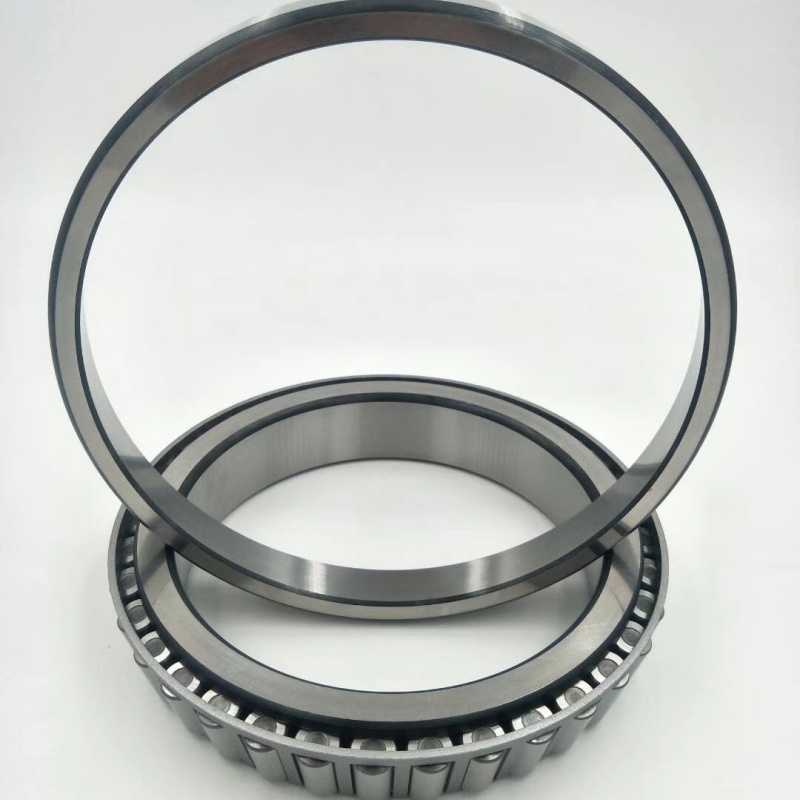
Six High-Reliability Sectors
Let me walk through each one.
1. Automotive and Heavy Truck Manufacturing
Cars and trucks have tapered bearings in wheel hubs, differentials, and transmissions. A wheel hub bearing on a truck can take over 10,000 hours of use. It must survive potholes, cornering forces, and heavy loads.
We supply tapered bearings to auto parts distributors in India, Pakistan, and Brazil. They tell us that our bearings match the performance of top brands. The secret is consistent quality. Every bearing has the same geometry and hardness.
2. Mining and Quarrying
Mines run 24 hours a day, 7 days a week. Downtime is very expensive. A broken bearing on a conveyor or a crusher can cost $10,000 per hour in lost production.
Mining customers choose reinforced tapered bearings. These have thicker rings and larger rollers. They also use brass cages instead of steel. Brass resists shock better. One of our customers in South Africa runs a platinum mine. He switched to our reinforced tapered bearings on his crushers. Bearing life went from 3 months to 14 months.
3. Steel and Aluminum Rolling
Rolling mills have very high loads and high heat. The rolls squeeze metal with thousands of tons of force. The bearings must survive that pressure and the heat from the hot metal.
For steel mills, we supply tapered bearings with heat stabilization and C4 clearance. The steel is tempered at higher temperatures so it does not soften. The large clearance gives room for thermal expansion. A steel mill in Turkey uses our bearings on their hot strip mill. They report fewer bearing changes and less unplanned downtime.
4. Wind Energy
Wind turbines run for 20 years. The main shaft bearing and the gearbox bearings are very hard to replace. A crane and a crew cost tens of thousands of dollars. So reliability is everything.
Wind turbine bearings are large and expensive. They need special steel with very high cleanliness. We supply custom tapered bearings for wind gearboxes. The cages are made of high-strength brass. The raceways are super-finished for low friction. Our customers in Europe and Brazil use these bearings with good results.
5. Agricultural Machinery
Tractors, harvesters, and balers work in dusty, dirty conditions. They face shock loads from rough ground. The bearings must also resist moisture and chemical fertilizers.
Tapered bearings are common in agricultural equipment because they are tough and adjustable. A farmer can tighten a loose wheel bearing with a simple wrench. That is not possible with a sealed ball bearing. We supply tapered bearings for tractor axles and harvester drums to customers in Russia and Vietnam.
6. Railway Equipment
Freight trains carry heavy loads for long distances. The axle bearings must last hundreds of thousands of kilometers. A bearing failure on a train can derail the wagon.
Railway bearings are specially designed with advanced seals and long-life grease. We produce tapered bearings for railway maintenance depots in India and Brazil. They test our bearings for noise, temperature, and wear. We pass all tests.
Here is a table of sector-specific requirements:
| Sector | Main Challenge | Tapered Bearing Feature Needed |
|---|---|---|
| Automotive | High volume, consistent quality | Tight tolerances, P6 grade |
| Mining | Shock loads, dust | Reinforced, brass cage, C4 clearance |
| Steel rolling | High heat, heavy load | Heat stabilization, large rollers |
| Wind energy | 20-year life, low maintenance | Clean steel, super-finish, brass cage |
| Agriculture | Dust, moisture, shock | Good seals, adjustable clearance |
| Railway | Long distance, high reliability | Special seals, long-life grease |
So if you serve any of these sectors, tapered roller bearings are not optional. They are essential.
How Do We Build Bearing Credibility with Quality Control and Traceability?
Trust is built on proof. You need to know that every bearing you buy from us is the same as the sample we showed you.
We build credibility with ISO-compliant quality control, batch traceability, and full inspection reports. Every bearing has a batch number. We keep records of steel certificates, heat treatment charts, and final test results for five years. If you have a problem, we can trace it to the exact production day.
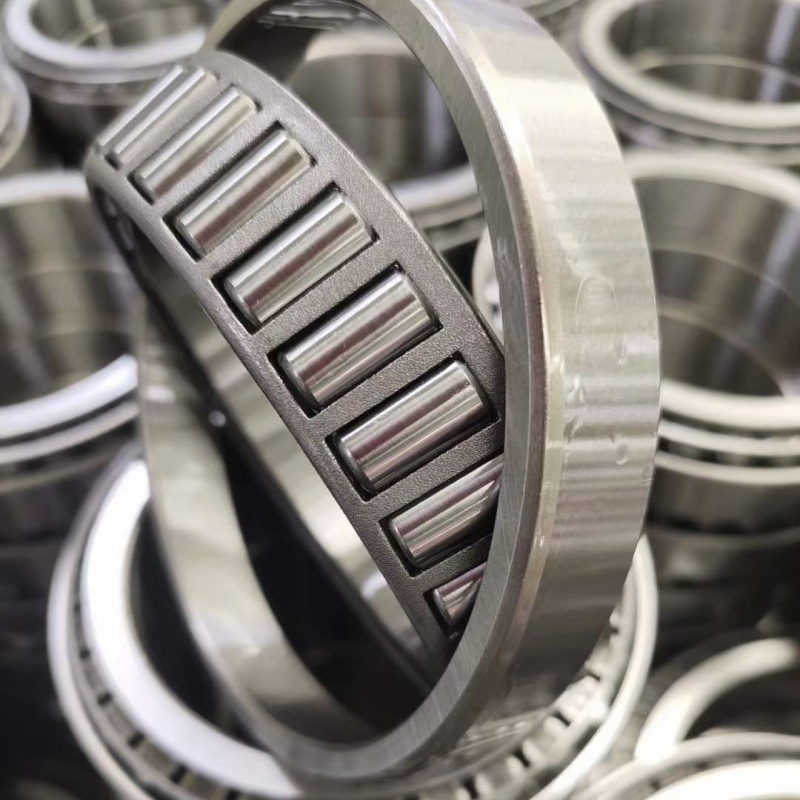
Three Pillars of Our Credibility System
Let me explain how we make sure you can trust us.
1. Incoming Material Inspection
Every steel bar or tube that enters our factory gets inspected. We check the chemical composition with a spectrometer. We check the hardness. We check the microstructure under a microscope.
If the steel does not meet our spec, we reject it. No exceptions. We only buy from certified mills with ISO and IATF certificates. We keep the material certificate for every batch.
2. In-Process Quality Gates
We have inspection points after every major step. After forging, we check for cracks. After turning, we check dimensions. After heat treatment, we check hardness and case depth. After grinding, we check roundness and surface finish.
If a part fails at any gate, it is removed from the line. We do not rework bad parts into good ones. That is a shortcut we never take.
3. Final Testing and Traceability
After assembly, every bearing gets a vibration test. We also check the internal clearance and the running torque. The test results are recorded by batch number.
Each bearing gets a laser-engraved code. That code tells us the production date, the machine that made it, and the inspector who approved it. You can see the batch number on the box. If you ever have an issue, send us that batch number. We will pull the records.
Here is what our traceability system covers:
| Traceability Element | What We Record | How Long We Keep It |
|---|---|---|
| Steel mill certificate | Chemical composition, oxygen content | 5 years |
| Heat treatment chart | Time, temperature, hardness | 5 years |
| Grinding inspection | Roundness, surface finish, dimensions | 5 years |
| Assembly record | Internal clearance, grease type | 5 years |
| Final test | Vibration level, noise grade | 5 years |
| Customer shipment | Batch numbers, quantity, destination | 10 years |
I remember a customer from Egypt. He received a batch of bearings. One bearing was noisy. He sent us the batch number and the bearing. We checked our records. That bearing came from a specific production line. We found that a grinding wheel had worn out faster than expected. We fixed the process. Then we sent him a replacement batch for free. He trusted us more after that.
Without traceability, we could not have solved the problem. With it, we turned a complaint into a stronger relationship.
So when you buy from FYTZ, you are not just buying bearings. You are buying a system of quality. Every bearing is tracked. Every batch is tested. That is how we earn trust.
Conclusion
Trusted tapered roller bearings combine smart design, strict processes, and full traceability. Choose FYTZ for reliability you can count on.