
Your bearing fails. Then you replace it. Then it fails again. The cycle never ends.
Yes, you need bearings that resist heat, dust, water, and chemical attack. Look for bearings with upgraded seals, corrosion-resistant coatings, and special grease. These features keep your machines running when conditions turn bad.
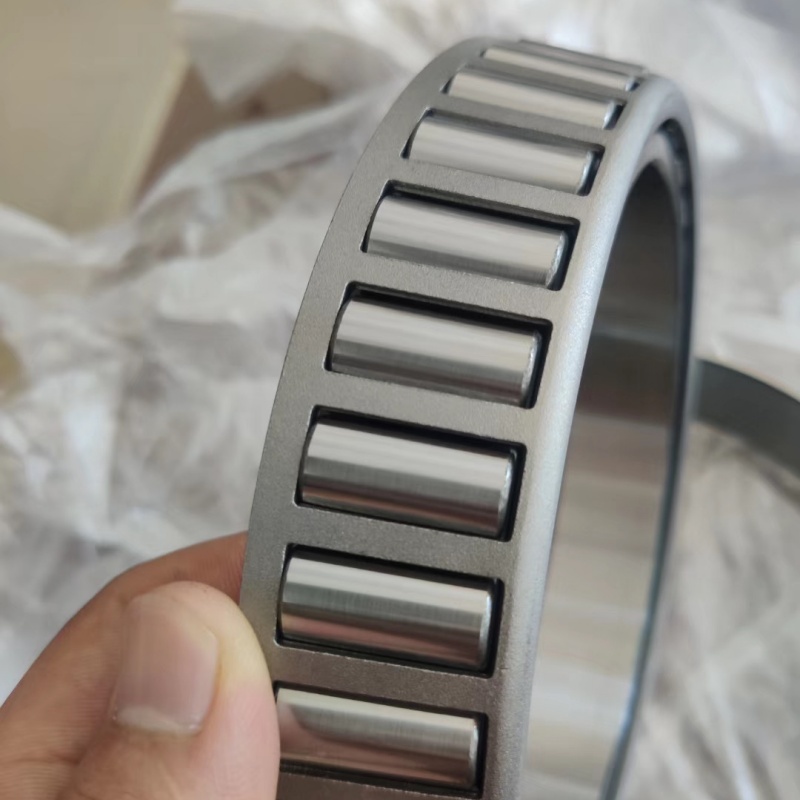
You run equipment in tough places. Maybe a cement plant. Maybe a mine. Maybe a food processing line with high pressure washdowns. I have supplied bearings to all these industries. And I know one thing for sure. Standard bearings die fast in harsh environments. In this article, I will show you the main challenges. Then I will tell you which bearings survive and how we protect them at FYTZ.
What Are the Main Challenges That Harsh Industrial Environments Create for Bearings?
You think heat is the only problem. But there are four killers. And they often attack at the same time.
The four main challenges are contamination (dust, sand, water), extreme temperatures (hot or cold), chemical attack (acids, alkalis, salts), and vibration with shock loads. Each challenge damages bearings in a different way. Together, they cut bearing life by 80% or more.
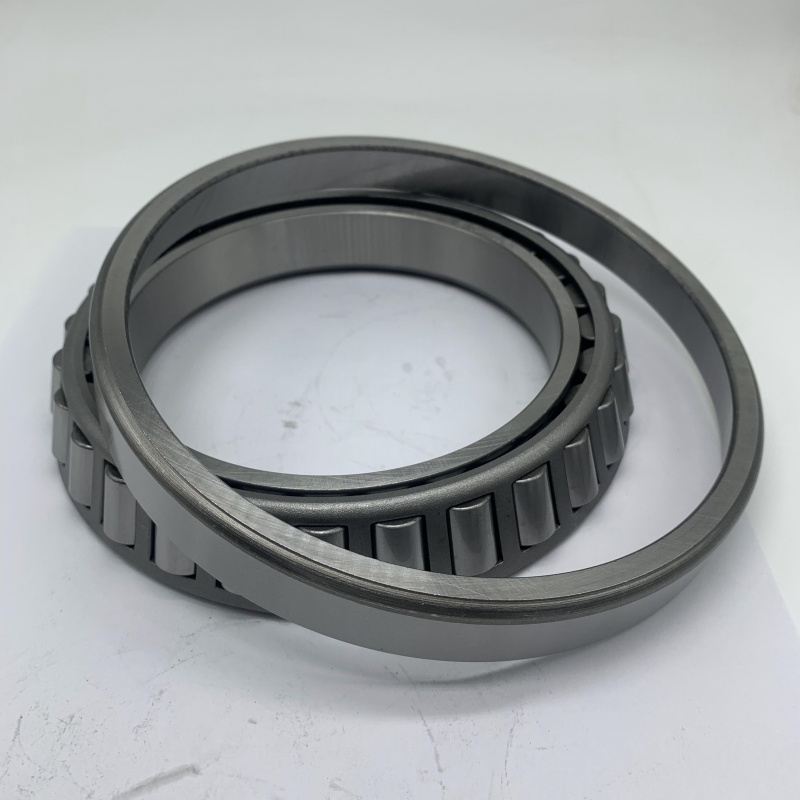
Breaking Down the Four Killers
Let me explain each challenge. I will tell you what it does to a bearing.
1. Contamination (Dust, Sand, Water, Fibers)
This is the number one killer. In a cement plant, fine dust gets everywhere. In a mine, sand and rock dust are constant. In a food plant, high-pressure water spray is normal. All these contaminants enter the bearing through the seals.
Once dust gets inside, it mixes with the grease. The dust particles are hard. They act like grinding powder. The rolling elements push the dust into the raceway. That creates three-body abrasion. The raceway becomes dull and scratched. Then the bearing starts to run rough. Then it gets hot. Then it fails.
Water is even worse. Water washes away the grease. It also causes rust. Rust pits the raceway. Each pit becomes a stress point. Soon the bearing spalls.
2. Extreme Temperatures (High Heat or Deep Cold)
High heat (above 80°C) does two things. First, it softens the bearing steel if the temperature stays high for a long time. Second, it breaks down the grease. The oil separates from the thickener. You are left with a hard, crusty residue. That residue blocks the rolling elements. The bearing seizes.
Deep cold (below -20°C) is also a problem. The grease becomes thick like honey. The bearing has to push through thick grease. That creates extra friction. Also, the steel becomes less tough. A shock load in cold weather can crack the bearing.
3. Chemical Attack (Acids, Alkalis, Salts)
Some environments have corrosive chemicals. For example, fertilizer plants have ammonia. Chemical plants have acids. Marine environments have salt spray. These chemicals attack the bearing steel directly.
The surface of the bearing starts to corrode. Rust or pitting appears. The pits act as stress risers. The bearing fails by corrosion fatigue. Also, the chemical can react with the grease. It turns the grease into a sticky paste. The bearing cannot roll freely.
4. Vibration and Shock Loads
Some machines shake. A vibrating screen in a quarry shakes a lot. That vibration creates false brinelling. The rolling elements rub the raceway at the same spots. They create polished wear marks. Over time, those marks become dents.
Shock loads happen when a machine starts, stops, or hits an obstacle. For example, a crusher that breaks rocks gets a shock each time a rock is fed. That shock can dent the raceway or crack the cage.
Here is a table showing each challenge and the damage it causes:
| Challenge | What Enters the Bearing | Visible Damage | Hidden Damage |
|---|---|---|---|
| Dust / sand | Hard particles | Scratches on raceway | Abrasive wear, increased clearance |
| Water | Moisture | Rust spots | Grease breakdown, corrosion pits |
| High heat | None (heat only) | Blue or brown discoloration | Softened steel, hardened grease |
| Low cold | None (cold only) | No visual change | Thick grease, brittle steel |
| Chemicals | Corrosive liquids or gases | Discoloration, pitting | Grease reaction, stress corrosion cracking |
| Vibration | None (motion only) | Polished marks on raceway | False brinelling, dents |
| Shock load | None (force only) | Dents on raceway | Cracked cage, spalled raceway |
I remember a customer from Egypt. He runs a cement bagging plant. The dust was so thick you could see it in the air. His pillow block bearings lasted two weeks. The grease turned into a black paste. We switched to bearings with triple-lip rubber seals and special dust-resistant grease. The bearings lasted eight months. That is the power of solving the right challenge.
What Kind of Bearings Can Stay Reliable in High Heat, Dust, and Moisture?
You cannot use a standard bearing in a harsh place and hope for the best. You need a bearing built with specific features.
Reliable bearings for harsh environments have contact seals (2RS), high-temperature grease or oil, corrosion-resistant rings and rolling elements, and special internal clearance like C3 or C4. Some also have surface coatings like zinc phosphate or black oxide for extra protection.

Five Must-Have Features for Harsh Environments
Let me give you a checklist. When you buy bearings for tough conditions, look for these five things.
1. Contact Seals (Not Metal Shields)
Metal shields (ZZ) have a small gap. Dust can get through that gap. Water can get through that gap. For harsh environments, you need rubber seals (2RS or 2RSS). Rubber seals touch the inner ring. They create a tight barrier.
The best seals have multiple lips. A single lip is okay. A double lip is better. A triple lip is the best. Each lip wipes away dust or water. At FYTZ, we use a triple-lip design on our harsh-environment bearings. We also add a small amount of magnetic grease in the seal cavity. That grease catches fine dust before it enters the bearing.
2. High-Temperature or Low-Temperature Grease
Standard lithium grease works from -20°C to +120°C. For high heat, you need polyurea or PTFE-based grease. These greases stay stable up to 180°C or even 200°C. For low cold, you need synthetic oil-based grease. It stays fluid down to -50°C.
I always ask my customers about their operating temperature. Then I recommend a specific grease type. Do not guess. Wrong grease kills bearings faster than no grease.
3. Corrosion-Resistant Rings and Rolling Elements
Standard bearings use GCr15 steel. It rusts easily. For wet or chemical environments, you have three options.
One, use stainless steel bearings (440C or 316). They resist rust very well. But they cost more and have lower load capacity.
Two, use standard steel with a corrosion-resistant coating. Black oxide is cheap and gives basic protection. Zinc phosphate is better. Zinc-nickel plating is even better. For marine environments, we use a special DLC (diamond-like carbon) coating.
Three, use standard steel but with a special grease that leaves a protective film. This is the least effective method. I only recommend it for mild conditions.
4. Correct Internal Clearance
Heat expands the bearing rings. If the clearance is too small, the bearing binds. For high-heat environments, use C3 clearance. For very high heat (above 120°C on the bearing), use C4 clearance.
For cold environments, you actually want tighter clearance. The bearing shrinks. A normal clearance (CN) becomes loose in the cold. That is okay. Loose is better than tight. So CN or C2 works for cold.
5. Special Surface Treatments for Raceways
Some bearings get a super-finished raceway. The surface is very smooth. This helps in dusty environments because the dust particles have less surface to grab. Also, some bearings get a phosphate coating on the raceway. That coating holds a thin layer of oil even when the main grease fails.
Here is a selection table for different harsh conditions:
| Environment | Seal Type | Grease Type | Clearance | Surface/Coating |
|---|---|---|---|---|
| High dust (cement, mining) | Triple-lip rubber (2RS) | Lithium EP (thick) | CN or C3 | None or black oxide |
| High moisture (food, marine) | Double-lip + stainless shield | Water-resistant lithium | CN | Zinc-nickel plating |
| High heat (ovens, dryers) | Metal shield (heat resistant) | Polyurea or PTFE | C3 or C4 | Black oxide (heat stable) |
| Low cold (freezers, arctic) | Single-lip rubber (low friction) | Synthetic oil (PAO) | CN or C2 | None (standard steel) |
| Chemicals (fertilizer, acid wash) | Fluorocarbon rubber (FKM) | Perfluorinated (PFPE) | CN | 440C stainless steel |
| Vibration / shock | Brass cage + rubber seal | High-viscosity EP | C3 or C4 | Phosphate coating on raceway |
I have a customer in Russia. He runs outdoor conveyor systems. Winter temperatures drop to -35°C. Summer goes to +35°C. That is a huge range. We gave him bearings with synthetic grease (stays fluid in cold) and C3 clearance (handles summer heat). He has used the same bearings for three years. No failures.
So do not just buy any bearing. Match the features to your environment.
How Do We Protect Bearings Through Seal Design and Lubrication Solutions?
You pick the right bearing. But it still fails. Why? Because the seal leaks or the grease is wrong. At FYTZ, we spend a lot of time on these two areas.
We protect bearings with multi-lip rubber seals, labyrinth seals for extreme dust, and special grease formulas. For lubrication, we offer grease pre-filled bearings, relubrication grooves, and solid oil for applications where relubrication is impossible.
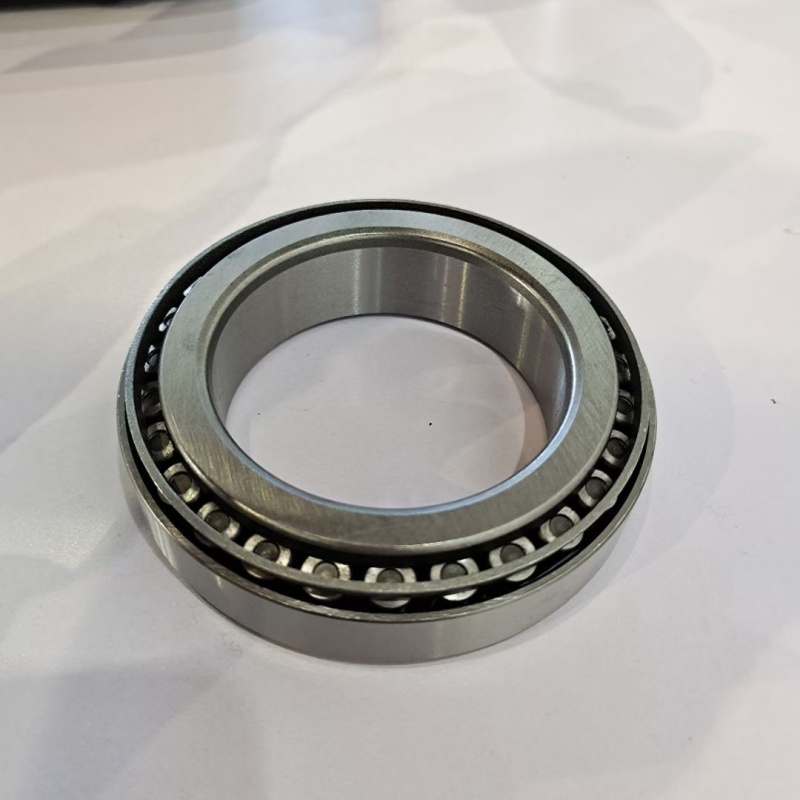
Seal Designs We Use at FYTZ
A seal is a bearing’s first line of defense. No seal is perfect. But some are much better than others.
Standard Contact Seal (2RS)
This is our basic rubber seal. The lip touches the inner ring. It keeps out dust and water spray. It works well for most indoor industrial environments. The friction is moderate. The maximum speed is lower than metal shields. But for harsh environments, speed is not the main concern. Protection is.
Triple-Lip Seal (3RS)
We make a seal with three lips. The first lip wipes away large dirt. The second lip blocks fine dust. The third lip holds a thin film of grease. This is our best seal for heavy dust. We use it in mining and cement plants. The only downside is higher friction. But again, protection comes first.
Labyrinth Seal (Non-Contact)
For very high speed or very high temperature, rubber seals can melt or wear out. We use a labyrinth seal. It has no contact. Instead, it uses a long, winding path. Dirt and water get trapped in the path before they reach the bearing. This is common in large pillow block bearings for conveyors.
Lubrication Solutions We Offer
Grease is the bearing’s blood. Wrong grease kills. No grease kills faster.
Pre-Filled with Factory Grease
Every FYTZ bearing comes pre-filled with high-quality grease. We do not use cheap grease. For standard orders, we use a lithium EP (extreme pressure) grease. It works for most applications. For special orders, we fill with polyurea, synthetic, or PTFE grease based on your temperature and load.
We also control the amount of grease. Too much grease causes churning and heat. Too little causes metal contact. Our filling machine measures exactly 25% to 40% of the free space inside the bearing.
Relubrication Grooves and Holes
Some bearings need fresh grease during operation. For these, we add a groove and lubrication holes on the outer ring. You can attach a grease nipple to the housing. Then you pump fresh grease in. The old grease pushes out through the seals. This works very well for heavy-duty applications like steel mills.
Solid Oil for No-Relubrication Zones
Some bearings are hard to reach. For example, a bearing inside a conveyor drum. You cannot grease it every month. For these cases, we use solid oil. Solid oil is a polymer matrix that holds oil inside it. The oil releases slowly over time. Solid oil lasts for two to five years. It also acts as a seal. Dirt cannot get through the solid oil.
Here is a comparison of our seal and lubrication options:
| Seal Type | Protection Level | Max Speed (relative) | Best For |
|---|---|---|---|
| 2RS (single-lip rubber) | Good | 80% | General industrial, light dust |
| 3RS (triple-lip rubber) | Excellent | 60% | Heavy dust, mining, cement |
| Labyrinth (non-contact) | Very good | 100% | High speed, high heat |
| Metal shield (ZZ) | Poor | 100% | Clean environments only |
| Lubrication Type | Relubrication Needed | Temperature Range | Best For |
|---|---|---|---|
| Lithium EP grease | Yes (every 6-12 months) | -20°C to +120°C | General use |
| Polyurea grease | Yes (every 12-24 months) | -20°C to +150°C | High heat, electric motors |
| Synthetic PAO grease | Yes (every 12 months) | -50°C to +150°C | Low cold, wide temperature range |
| PTFE grease | No (one-time fill) | -30°C to +200°C | Very high heat, ovens |
| Solid oil | No (lasts 2-5 years) | -30°C to +120°C | Hard-to-reach bearings |
I remember a customer in Indonesia. He runs a rice mill. The mill has bearings on the drying drum. The drum gets hot (110°C). Dust is everywhere. He used standard bearings with metal shields. They failed in one month. We gave him bearings with triple-lip rubber seals and polyurea grease. No relubrication needed. The bearings lasted 18 months. He saved a lot of money on downtime.
Which Industries Need Special Bearings That Tolerate Harsh Environments the Most?
You sell bearings to many customers. Some work in clean factories. Some work in places that destroy bearings. Let me name the toughest industries.
The industries that need special harsh-environment bearings are mining and quarrying, cement and concrete production, steel and metal processing, food and beverage (with washdown), chemical and fertilizer plants, and marine and port equipment. In these fields, standard bearings die fast. Special bearings pay for themselves quickly.
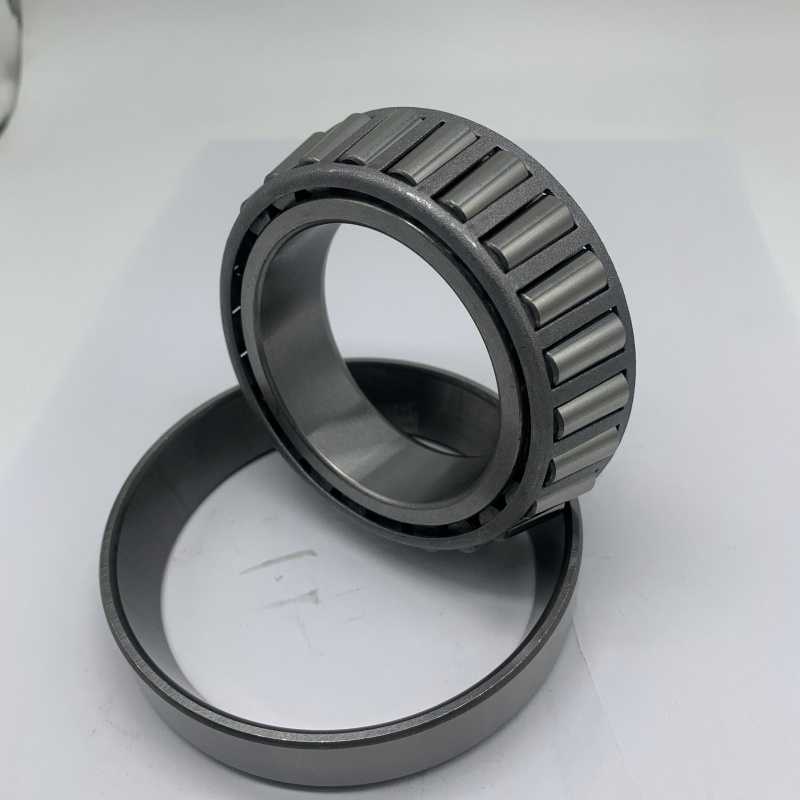
Six Industries with Extreme Conditions
Let me walk through each one. I will tell you what makes them harsh and what bearing features work best.
1. Mining and Quarrying
Dust is the main problem. Also vibration and shock loads. Underground mining has moisture. Open-pit mining has extreme temperature swings.
For mining, we recommend triple-lip sealed bearings with C4 clearance and heavy-duty brass cages. The grease should have EP additives and high viscosity. We also suggest a relubrication schedule of every three months. One of my customers in South Africa uses our bearings on rock crushers. He used to change bearings every 2 months. Now every 10 months.
2. Cement and Concrete Production
Cement dust is very fine. It gets through normal seals. Also, cement plants have high heat from kilns and dryers.
For cement, we use bearings with labyrinth seals and heat-stabilized rings. The grease is polyurea-based for high heat. We also apply a black oxide coating on the outer ring. That coating resists the alkaline dust from cement. The bearings last 2 to 3 times longer than standard.
3. Steel and Metal Processing
High heat is the biggest challenge. Rolling mills run hot. The bearings can see 150°C or more. Also, there are heavy shock loads when metal enters the rolls.
For steel mills, we use C4 clearance and a special heat-stabilizing heat treatment. The steel rings are tempered twice. This keeps hardness up to 180°C. We also use solid oil instead of grease. Solid oil does not melt. We have supplied these bearings to a steel plant in Turkey. They run 24/7. Bearing life is over 12 months.
4. Food and Beverage (Washdown Environments)
Water is the main problem. High-pressure washdown with hot water and sanitizing chemicals. Also, the bearings need to be food-grade safe. The grease must be NSF H1 certified.
For food plants, we use stainless steel bearings or standard bearings with zinc-nickel plating. The seals are double-lip FDA-approved rubber. The grease is food-grade white oil. We also add drain holes on the outer ring. Water that enters can drain out. This is a special design we offer.
5. Chemical and Fertilizer Plants
Corrosive chemicals are the problem. Ammonia, acids, and salts attack the steel. Also, some chemicals react with standard grease.
For chemical plants, we use full stainless steel bearings (440C). The grease is perfluorinated (PFPE). That grease does not react with any chemical. It is expensive. But one failure in a chemical plant can cost much more. We also use FKM (fluorocarbon) seals. They resist chemical attack much better than standard rubber.
6. Marine and Port Equipment
Salt spray is the main problem. It causes rust quickly. Also, marine equipment faces constant moisture and sometimes direct water splashing.
For marine applications, we use stainless steel or standard steel with heavy zinc-nickel plating. The seals are triple-lip with water-resistant rubber. The grease has water-resistant additives. We also add a corrosion inhibitor inside the bearing. This leaves a protective film on all surfaces.
Here is a summary table for quick reference:
| Industry | Main Challenge | Our Recommended Bearing Solution |
|---|---|---|
| Mining & quarrying | Heavy dust, shock | Triple-lip seal, C4, brass cage, EP grease |
| Cement & concrete | Fine alkaline dust, heat | Labyrinth seal, C3, black oxide, polyurea grease |
| Steel & metal | High heat, heavy shock | C4, heat-stabilized, solid oil, double-tempered |
| Food & beverage | Water washdown, chemicals | Stainless or plated, FDA seals, food-grade grease |
| Chemical & fertilizer | Corrosive chemicals | 440C stainless, PFPE grease, FKM seals |
| Marine & port | Salt spray, moisture | Zinc-nickel plating, triple-lip, corrosion inhibitor |
I have a customer in Vietnam. He runs a fishmeal processing plant. That is a very harsh environment. Salt, moisture, and organic acids. He tried standard bearings. They rusted in two weeks. We gave him stainless steel bearings with food-grade grease. They lasted 14 months. He now buys only our marine-grade bearings.
So if your customers work in any of these industries, tell them to stop using standard bearings. The extra cost for special bearings comes back as lower downtime and fewer replacements.
Conclusion
Harsh environments kill standard bearings fast. Choose the right seals, grease, clearance, and coating. That is how you get reliable performance.