
Your machine vibrates. It makes noise. The product quality drops. You do not know why.
Smooth-running bearings reduce vibration and noise. They keep your shafts centered and your loads balanced. That gives you greater operational stability, better product quality, and longer machine life.
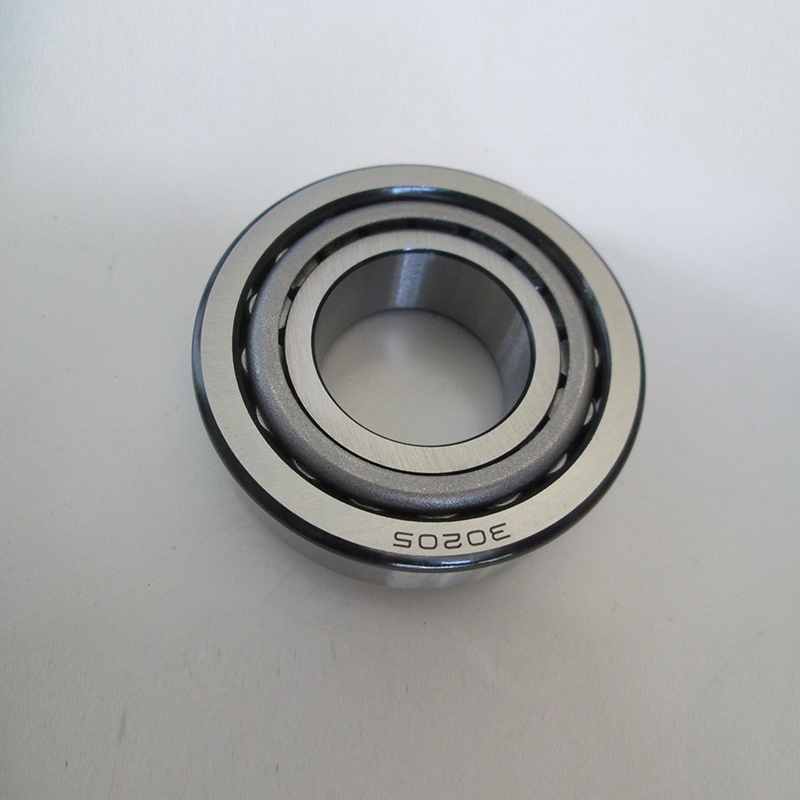
I have seen many factories struggle with unstable machines. The operators think the motor is bad or the alignment is off. But often the problem is the bearings. Rough bearings create vibration. Vibration hurts everything. In this article, I will explain why smooth bearings matter. I will also show you what makes a bearing smooth and how to choose one.
Why Are Smooth-Running Bearings So Important for Equipment Stability?
You put a bearing in a machine. It spins. If it spins roughly, the whole machine shakes. That shaking is not just annoying. It is destructive.
Smooth-running bearings keep the shaft rotation concentric and steady. That means less vibration, less noise, and less wear on other parts. A stable machine runs faster, produces better parts, and breaks down less often.
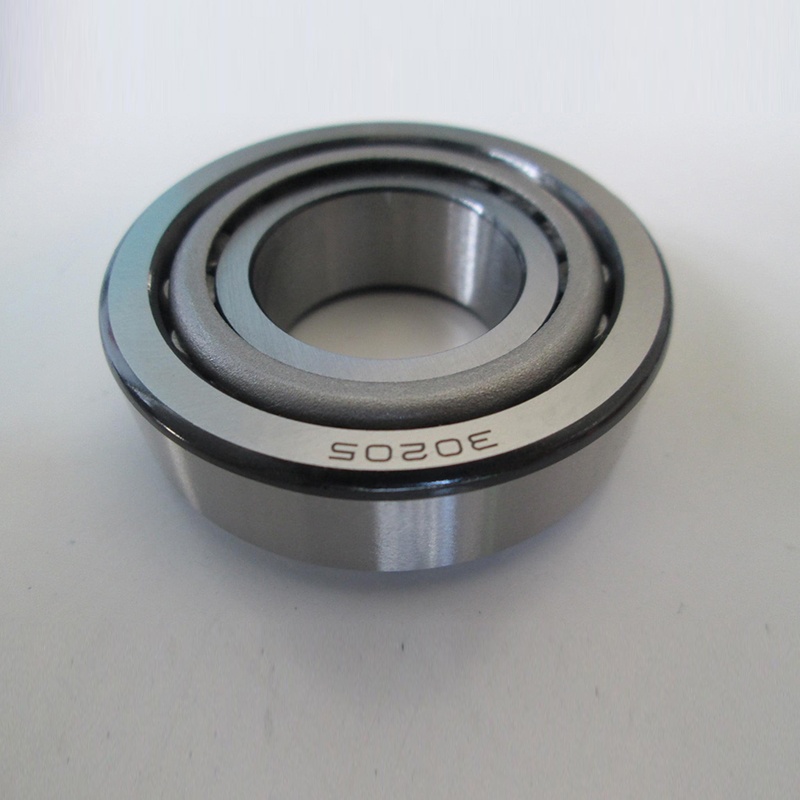
The Link Between Bearing Smoothness and Machine Stability
Let me explain the connection in simple terms.
Every rotating machine has a shaft. The shaft sits on bearings. If the bearings have rough raceways or out-of-round rings, the shaft does not spin perfectly. It wobbles a tiny bit. That wobble is called runout. Runout creates vibration.
Vibration travels from the bearing to the housing. From the housing to the machine frame. From the frame to the product you are making. If you are cutting metal, the tool marks get uneven. If you are filling bottles, the fill level varies. If you are spinning a fan, the air flow becomes noisy.
I have a customer in India. He makes textile spinning machines. His machines produced uneven yarn. He checked everything. Finally he measured the bearing runout. The bearings had a runout of 8 microns. We gave him bearings with 3 micron runout. The yarn became uniform. His customer stopped complaining.
Three Ways Smooth Bearings Improve Stability
1. Consistent Shaft Position
A smooth bearing keeps the shaft in the same position every time it spins. That is important for precision machines like CNC spindles or printing presses. If the shaft moves even 0.01 mm, the print registration is off.
2. Less Heat Generation
Rough bearings create friction. Friction creates heat. Heat changes the size of the shaft and housing. The bearing clearance changes. The machine becomes unstable as it warms up. Smooth bearings generate less heat. The machine runs the same cold or hot.
3. Lower Demands on Other Components
When a bearing vibrates, it shakes the seals, the housing, and the fasteners. Seals wear out faster. Bolts come loose. Grease leaks out. All these secondary failures cost time and money. A smooth bearing reduces stress on everything around it.
Here is a table showing the effects of bearing smoothness on machine stability:
| Bearing Condition | Runout (typical) | Machine Vibration Level | Effect on Product Quality |
|---|---|---|---|
| Poor (low quality) | 10–15 microns | High | Scrap parts, rejects |
| Standard (P0) | 6–10 microns | Medium | Acceptable for general use |
| Good (P6) | 4–6 microns | Low | Good for most industrial machines |
| Excellent (P5) | 2–4 microns | Very low | Precision machining, high quality |
So do not overlook bearing smoothness. It is not a luxury. It is a requirement for stable operation.
What Bearing Design and Manufacturing Factors Determine Smooth Running?
You want a smooth bearing. But how do you know if a bearing is smooth before you install it? Look at three things: geometry, surface finish, and balance.
The main factors are roundness of rings, surface roughness of raceways, ball or roller roundness, cage balance, and precision grade. A bearing that scores well on all five runs smoothly. A weak score on any one factor creates vibration.
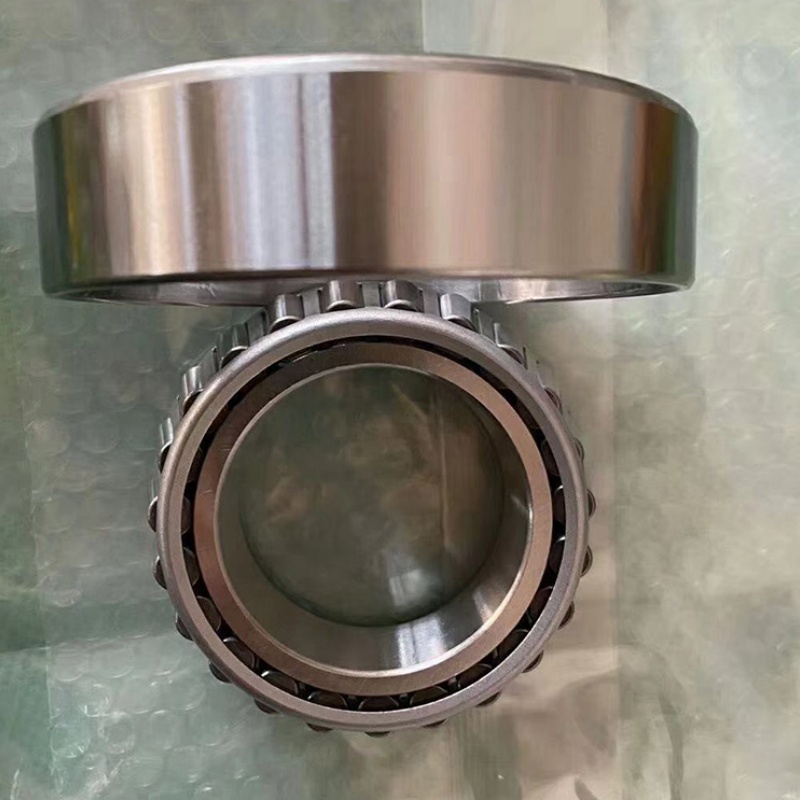
Five Factors That Make a Bearing Smooth
Let me walk you through each factor. I will use examples from our FYTZ factory.
1. Ring Roundness
The inner and outer rings must be almost perfectly round. If a ring is oval by even 2 microns, the shaft will wobble as it spins. We measure roundness with a special machine called a roundness tester. It spins the ring and measures the deviation.
For a P0 bearing, we allow up to 3 microns of roundness error. For a P5 bearing, we allow 1.5 microns. The difference is small but very real. A P5 bearing feels much smoother when you spin it by hand.
2. Surface Roughness of Raceways
The raceway is the track where the balls or rollers run. If that track has scratches or grinding marks, the rolling elements bounce as they pass over them. That bouncing is vibration.
We use super-finishing on our P5 and P6 bearings. The final surface roughness (Ra) is 0.05 microns or less. On a standard bearing, Ra is 0.1 to 0.2 microns. The smoother surface reduces vibration by about 50%.
3. Ball or Roller Roundness and Size Consistency
The rolling elements must be round and all the same size. If one ball is 1 micron bigger than the others, it carries more load. That creates a once-per-revolution vibration. We use grade 10 or grade 5 balls for smooth bearings. Grade 5 balls have a roundness error under 0.5 microns.
4. Cage Balance and Pocket Clearance
The cage holds the rolling elements apart. If the cage is unbalanced, it creates vibration. Also, if the pockets are too loose, the balls move around. That movement creates noise. We design our cages with tight pocket tolerances for smooth-running bearings.
5. Precision Grade (P0, P6, P5)
This combines all the above. A P5 bearing has tighter tolerances on everything. The bore, outer diameter, width, runout, and surface finish are all controlled. That is why P5 bearings cost more. They take more time to make and inspect.
Here is a table summarizing the five factors and how we control them:
| Factor | How We Measure | P0 (Standard) | P6 (Good) | P5 (Excellent) |
|---|---|---|---|---|
| Ring roundness | Roundness tester | ≤3 μm | ≤2 μm | ≤1.5 μm |
| Raceway surface (Ra) | Profilometer | ≤0.15 μm | ≤0.1 μm | ≤0.05 μm |
| Ball roundness | Ball grader | Grade 25 | Grade 10 | Grade 5 |
| Cage pocket clearance | Dial gauge | 0.1–0.2 mm | 0.08–0.15 mm | 0.05–0.1 mm |
| Running accuracy (bore runout) | Dial gauge | ≤10 μm | ≤6 μm | ≤4 μm |
I remember a customer from Brazil. He makes small electric motors for fans. The fans had a humming noise. He measured the bearings. The balls were grade 100 (very rough). We sent him grade 10 balls in the same bearing size. The humming stopped. His customer was happy.
So when you buy bearings for smooth operation, ask for the precision grade and the ball grade. Do not accept vague answers.
What Operational Problems and Hidden Costs Do Unstable Bearings Cause?
You think a noisy bearing is just annoying. But it costs you money in many ways. Let me count the costs.
Unstable bearings cause higher energy use, faster wear of seals and gears, poor product quality, unplanned downtime, and shorter machine life. These hidden costs often add up to 5 to 10 times the price of the bearing itself.
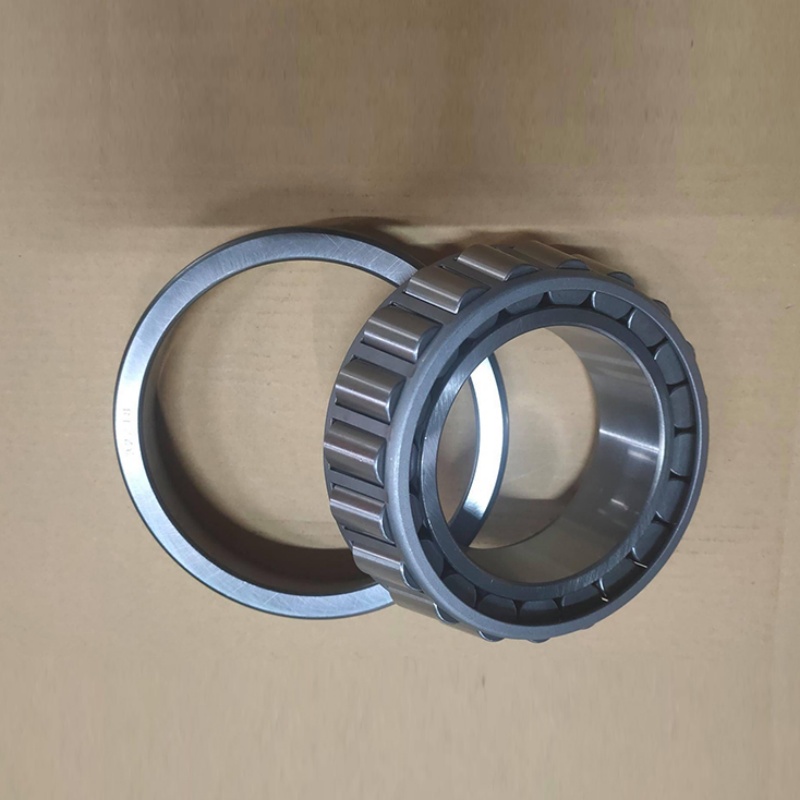
Six Hidden Costs of Unstable Bearings
I have seen these costs hit my customers again and again. Let me list them one by one.
1. Higher Energy Consumption
A rough bearing creates friction. Friction requires extra power to overcome. That extra power comes from your electric bill. For a large motor running 24/7, a 5% increase in friction can cost thousands of dollars per year. A smooth bearing pays for itself in electricity savings alone.
2. Faster Wear on Seals and Housings
Vibration shakes everything. The bearing housing develops small cracks. The seals lose their grip. Grease leaks out. Dirt gets in. Then the whole machine fails. I have seen a 10-dollar bearing cause a 500-dollar housing replacement.
3. Poor Product Quality
For precision industries, vibration directly affects the product. A printing press with vibrating bearings prints blurry images. A grinding machine with unstable bearings leaves wavy surfaces. A filling machine with shaky bearings overfills or underfills bottles. Rejected products are pure waste.
4. Unplanned Downtime
When a bearing fails, the machine stops. You lose production time. You lose sales. You pay overtime to fix it. For a busy factory, one hour of downtime can cost 500 or 1000 dollars. A bearing that fails one month early costs you much more than the bearing price.
5. Shorter Machine Life
Machines that run with vibration for years wear out faster. The shafts get bent. The housings get loose. The alignment is lost. Eventually, the whole machine needs replacement. Smooth bearings protect your capital investment.
6. Noise Complaints and Safety Issues
In some workplaces, noise is a health hazard. High noise levels require hearing protection. Workers complain. In residential areas, noisy machines can break local laws. Smooth bearings keep noise down.
Here is a table showing the real cost impact of bearing instability:
| Problem | Cost per Occurrence (example) | How Often from Unstable Bearings |
|---|---|---|
| Extra energy (1 year) | $800 for 30 kW motor | Every year |
| Seal replacement | $50 + 1 hour labor | Twice as often |
| Housing crack | $300 + 2 hours | Once per 2 years |
| Rejected product batch | $200–$2000 | Several times per year |
| Unplanned downtime (4 hours) | $2000 lost production | Once per year |
| Premature machine replacement | $10,000+ | Once per 5-7 years instead of 10 |
I have a story from a customer in Pakistan. He runs a rice polishing machine. The bearing on the polishing roller was rough. The machine vibrated. The polished rice came out with broken grains. He lost 15% of his product as broken rice. We replaced the bearing with a smooth P5 bearing. The vibration stopped. The broken rice dropped to 3%. That one bearing change saved him thousands of dollars per month.
So do not ignore bearing smoothness. The cost of a good bearing is tiny compared to the cost of instability.
How Can You Achieve Lower Vibration and Noise Through Bearing Selection and Mounting?
You buy a smooth bearing. But if you install it wrong, it will still vibrate. Selection and mounting are two halves of the same job.
You can achieve lower vibration by choosing the right precision grade and internal clearance for your speed and load. You also need correct mounting with the right tools, proper shaft and housing fits, and clean conditions. A good bearing installed badly is as bad as a cheap bearing.
Selection Guidelines for Low Vibration
Let me give you a simple selection process.
Step 1: Pick the Right Precision Grade
For fans and pumps under 3000 rpm, P6 is good enough. For machine tools and high-speed spindles, choose P5. For very high speed or very low noise, choose P4 (we can supply on request). Do not over-buy. P5 on a slow conveyor is wasted money. But P0 on a high-speed grinder is a mistake.
Step 2: Pick the Right Internal Clearance
For most machines, normal clearance (CN) works. For hot-running machines, use C3. For very high speed, use C3. For mounting with an interference fit on the shaft, use C3. The extra clearance prevents the bearing from binding after installation.
Step 3: Pick the Right Cage Material
Steel cages are strong but can make noise at high speed. Brass cages are quieter and smoother. Polyamide (nylon) cages are the quietest for high speed. For very low noise applications like home appliances, we recommend polyamide cages.
Mounting Guidelines for Low Vibration
Now the installation part. This is where many people make mistakes.
1. Use the Right Mounting Tools
Do not hit a bearing with a hammer. That dents the raceways. The dent creates vibration. Use a mechanical or hydraulic press. For small bearings, use a mounting sleeve and a soft hammer. For large bearings, use an induction heater to expand the inner ring.
2. Check Shaft and Housing Roundness
Before you mount the bearing, measure the shaft and housing. They must be round and clean. A shaft with a burr or a dent will transfer its shape to the bearing. The bearing will run out of round. That creates vibration.
3. Apply the Correct Mounting Force
Press only on the ring that is being mounted. If you press on the outer ring while mounting the inner ring, you will dent the raceways. For blind mounting, use a mounting tool that contacts only the correct ring.
4. Use Clean Grease and the Right Amount
Pack the bearing with 30% to 50% of its free space. Too much grease causes churning and heat. Too little causes metal contact. Both create vibration. Use a grease gun with a metered dispenser if possible.
5. Check the Mounted Runout
After mounting, put a dial gauge on the shaft. Spin it slowly. Measure the runout. If it is more than the bearing spec, something is wrong. The shaft may be bent or the housing may be misaligned. Fix it before running the machine.
Here is a checklist for low-vibration mounting:
| Step | Action | Tool Needed | Acceptable Result |
|---|---|---|---|
| 1 | Clean shaft and housing | Lint-free cloth | No dust or burrs |
| 2 | Check shaft roundness | Micrometer | Within bearing bore tolerance |
| 3 | Heat inner ring (if interference fit) | Induction heater | 80–100°C, not hotter |
| 4 | Press bearing onto shaft | Mechanical press | Smooth, no hammering |
| 5 | Fill with grease | Grease meter | 30–50% of free space |
| 6 | Check runout | Dial gauge | Within bearing spec |
I remember a customer from Vietnam. He assembled fans. The fans vibrated badly. He blamed our bearings. I visited his shop. He was mounting the bearings by hammering them onto the shaft. The inner rings were dented. I showed him the dents under a microscope. He stopped hammering and bought a small press. The vibration problem went away.
So remember. A smooth bearing plus careful mounting equals low vibration. A smooth bearing plus bad mounting equals wasted money.
Conclusion
Smooth-running bearings reduce vibration, noise, and hidden costs. Choose the right precision grade. Mount them carefully. Your machines will thank you.
