
Your shredder stops again. Bearings are cracked. Production is down. This costs you real money.
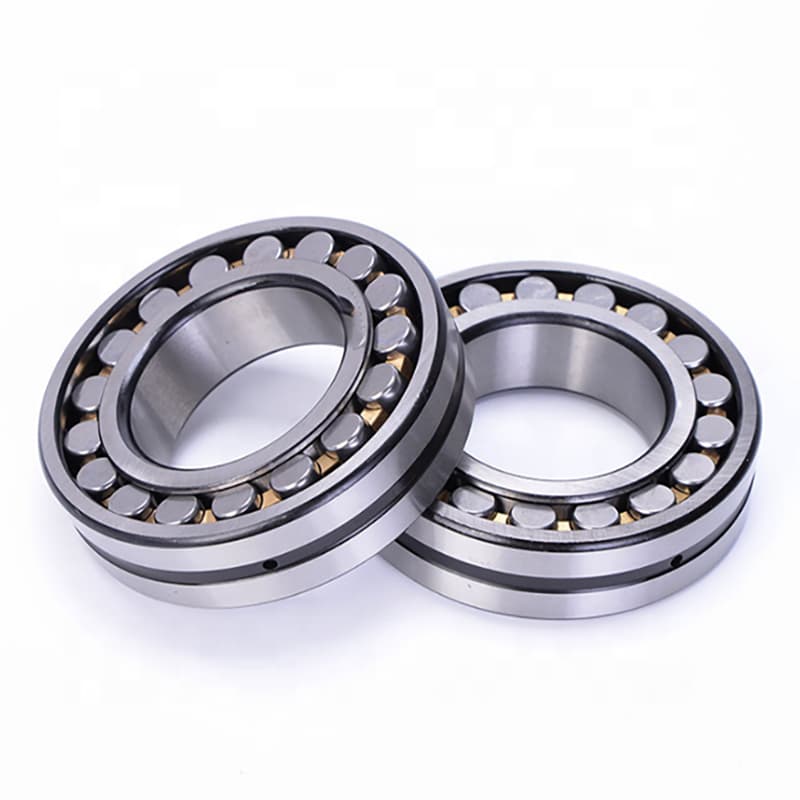
Spherical roller bearings are the best choice for industrial shredders. They handle heavy shocks and shaft misalignment. With the right design, they give you longer runs and fewer unplanned stops.
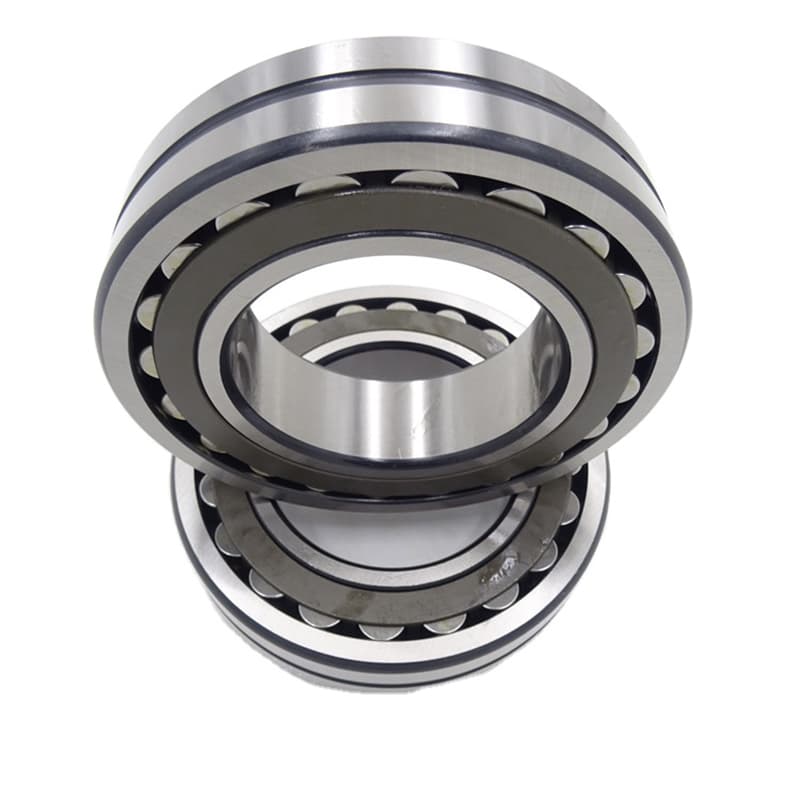
I run a bearing factory in China. We make spherical roller bearings for shredders and size reduction equipment. Over the years, I have talked to many maintenance managers and machine builders. They all ask the same question: “Why do my bearings die so fast?” The answer is not always simple. But I will share what works. Keep reading. You will find practical tips you can use today.
Where Do Spherical Roller Bearings Face the Highest Loads in Shredders?
Your shredder rotor takes a beating. Every time you feed in tough material, the shock goes straight into the bearings.
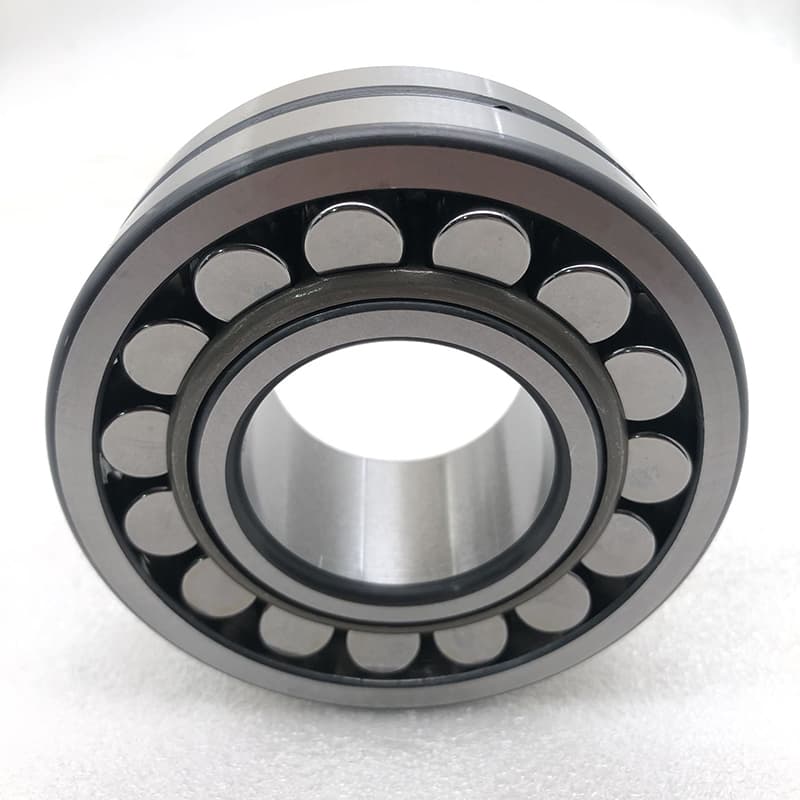
Spherical roller bearings see the highest loads at the rotor shaft ends. That is where the cutting forces and impact loads concentrate. Also, the drive side bearing handles extra torque from the motor.
Breaking down the load zones
Not all parts of a shredder put the same stress on bearings. Let me split it into three main areas.
| Location | Type of Load | Why It Is Critical |
|---|---|---|
| Your Operating Condition | Recommended Bearing Type | Special Features Needed? |
| — | — | — |
| Clean, moderate load, normal temp | Standard through-hardened (58–60 HRC) | No |
| Clean, heavy load, normal temp | Carburized (60–62 HRC) | No |
| Dirty, heavy load, normal temp | Carburized + black oxide or coating | Yes |
| Dirty, shock load, high temp | Carburized + C4 clearance + coating | Yes |
| Steel mill (heat + scale) | Heat-stabilized + TD/DLC coating | Yes |
My real-world observation
Last year, a customer from Indonesia called me. He runs a waste tire shredder. His bearings kept failing every six weeks. We checked his machine. The non-drive end bearing had no self‑alignment ability. He used a cylindrical roller bearing there. Big mistake. That bearing could not follow the rotor’s tiny bending. So the inner ring cracked. We switched to a spherical roller bearing with a brass cage. That was eight months ago. No failure so far.
What you can learn from this
You need to look at both ends of the rotor. The drive end needs extra strong rollers because torque is high. The other end needs excellent misalignment tolerance. Spherical roller bearings give you both. But you must pick the right internal design. For shredders, I always suggest the “E” type with more and longer rollers. That gives you higher load capacity in the same space.
Also, pay attention to shock loads. Standard radial clearance (C0 or C3) may not be enough. For heavy shredding, go with C4 clearance. That lets the bearing handle sudden expansions without jamming. I have seen too many plants use the wrong clearance. Then the bearing heats up and locks. Save yourself that headache.
How Do You Select the Right Spherical Roller Bearings for Size Reduction Equipment?
There are many numbers and codes. It is easy to get lost. But picking the wrong bearing is expensive.
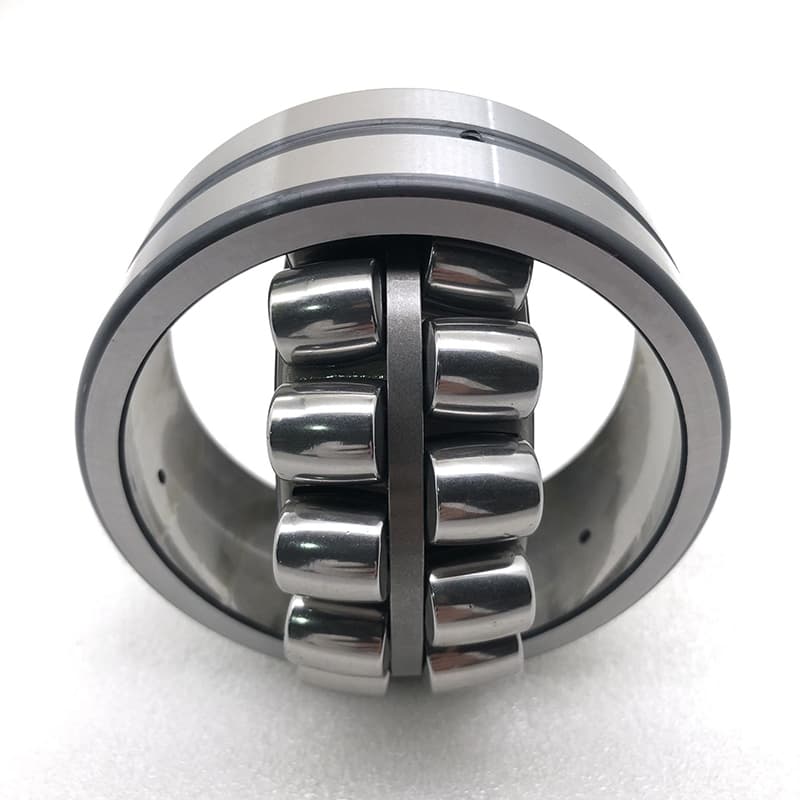
You need to check three things first: the shaft size (bore), the cage material, and the seal type. For shredders, a brass or steel cage is better than polyamide. Also, add a contact seal if dust is a problem.
Step by step – what really matters
Let me walk you through the selection process the way I do with my customers. I will keep it simple.
1. Bore size and load rating
First, measure your shaft. That gives you the bore. But do not stop there. Check the dynamic load rating (C) from the bearing catalog. For a mid‑size shredder (rotor weight 2–3 tons), you want a bearing that can take at least 300–400 kN dynamic load. If you go lower, the bearing will fatigue fast.
I remember a buyer from Egypt. He wanted the cheapest bearing for his metal shredder. He saved 20% on the bearing cost. Then the bearing failed in three months. The downtime cost him 10 times more. Do not repeat that mistake.
2. Cage material – why it matters
The cage keeps rollers apart. In a shredder, temperatures go up and down. There is also dust and vibration.
- Brass cage – Expensive but very strong. Best for high shock and high heat. I recommend this for heavy‑duty shredders.
- Steel cage – Also strong and cheaper than brass. Works well for most industrial shredders.
- Polyamide (plastic) cage – Do not use it. Heat and dust make it brittle. It will break.
My rule: For any shredder that runs more than 8 hours a day, choose a brass or steel cage.
3. Seals – open, shielded, or sealed?
Shredders are dirty. Fine particles get everywhere. An open bearing will die in weeks. A shielded bearing (metal shield) keeps out bigger dirt but not fine dust. A sealed bearing with contact rubber seals (e.g., 2RS or 2CS) is much better.
But there is a catch. Sealed bearings have more friction and run a bit hotter. For very high speed shredders (above 1500 RPM), you may need to use an open bearing with a separate external sealing system. For low‑speed, high‑torque shredders (most common), go with a sealed spherical roller bearing. That is what we make for many customers in India and Turkey.
A quick selection table
| Shredder type | Suggested bore range | Cage | Seal | Radial clearance |
|---|---|---|---|---|
| Plastic / light waste | 80–140 mm | Steel | Shielded (ZZ) | C3 |
| Tire / rubber | 120–180 mm | Brass | Contact seal (2RS) | C4 |
| Metal scrap | 150–220 mm | Brass | Open + external labyrinth | C4 |
| Municipal solid waste | 100–160 mm | Steel | Contact seal (2RS) | C3–C4 |
You see, there is no one‑size‑fits‑all. But if you follow this table, you will be close.
What Are the Proven Maintenance Strategies for Longer Bearing Life?
You bought good bearings. But they still fail early. That often comes down to how you maintain them.
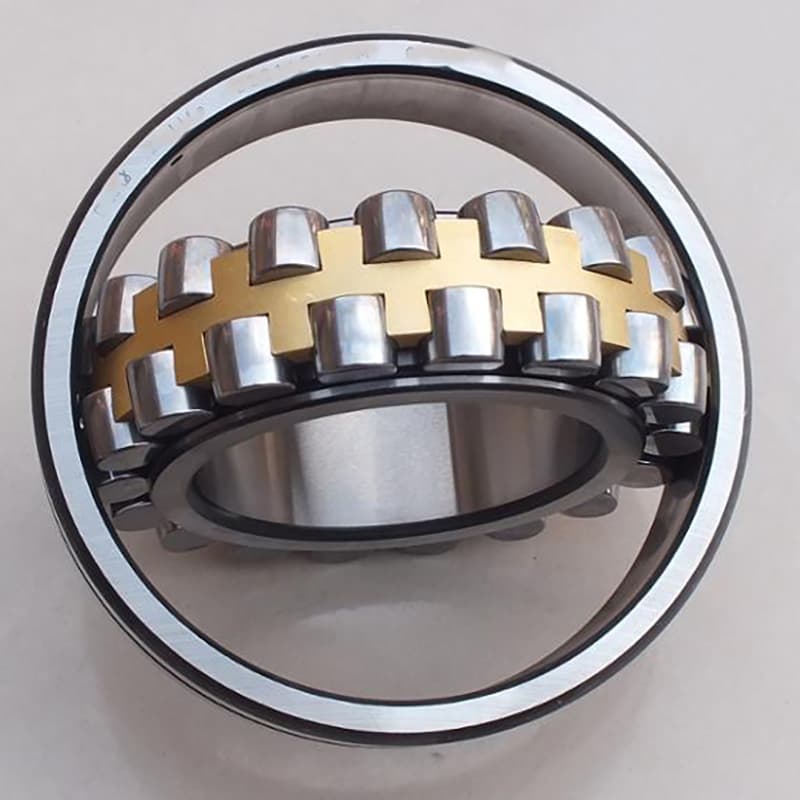
The three most effective maintenance actions are: relubricate on a fixed schedule, check shaft alignment every month, and monitor vibration. Relubricate every 200–400 hours of operation. Use a lithium‑based grease with EP additives.
A maintenance routine that works
I have visited many shredder plants. The ones with low bearing failure rates all do the same things. Let me share their checklist.
1. Lubrication – do not guess
Spherical roller bearings need clean grease. For shredders, use NLGI 2 or 3 grease with extreme pressure (EP) additives. The operating temperature often goes above 80°C. So pick a grease that works up to 150°C.
How much grease? For a bearing with 150 mm bore, put about 40–50 grams of grease every 300 hours. Do not overgrease. That causes overheating. If you hear a churning sound, you have put too much.
Also, make a log. Write down the date, amount, and grease type. I cannot tell you how many times a maintenance guy told me, “I grease it when I remember.” That is a recipe for failure.
2. Alignment – the hidden killer
Shaft misalignment is very common. When the motor and the shredder rotor are not aligned, the bearings take extra side loads. A spherical roller bearing can take some misalignment (up to 1–2 degrees). But not more than that.
Check alignment with a laser tool once a month. It takes 15 minutes. If you see more than 0.5 mm offset at the coupling, fix it.
I once worked with a paper shredder plant in Russia. They lost two bearings in one month. We checked alignment. The motor had shifted by 2 mm. After realignment, the same bearings ran for 14 months.
3. Vibration monitoring – catch problems early
You do not need expensive systems. A simple handheld vibration meter works. Measure velocity (mm/s) on the bearing housing. Normal is below 4.5 mm/s. If it goes above 7 mm/s, plan a stop. If it goes above 11 mm/s, stop immediately.
Vibration tells you about unbalance, looseness, or a failing raceway. I recommend checking vibration every two weeks. Write down the numbers. Then you will see trends.
What about thermography?
A thermal camera is nice but not necessary. You can use an infrared thermometer. Check the bearing housing temperature. It should not be more than 70°C above room temperature. If you see a hotspot, relubricate or check for overload.
Let me give you one last tip. Always keep spare bearings. I know you want to save inventory cost. But a broken bearing can stop your line for days. Having one spare set on the shelf is cheap insurance.
What Are the Common Failure Modes in Shredder Bearings?
Every failed bearing tells a story. If you learn to read the signs, you can stop the next failure before it happens.
The top three failure modes are: fatigue spalling (from overload), contamination wear (from dust), and smearing (from poor lubrication). Each leaves different marks on the bearing surfaces.
How to recognize each failure
Let me describe what you see and what causes it. I have examined hundreds of failed bearings from shredders. The patterns are very clear.
Fatigue spalling
What it looks like: Small flakes or pits on the raceway or rollers. The surface looks dull and rough. In advanced stages, you see large craters.
What causes it: The bearing has run longer than its calculated life under high load. Or the load was much higher than expected.
What you can do: Go to a larger bearing or a higher load rating. Also check if the rotor is balanced. Unbalance adds extra cyclic load.
I remember a case from a recycling plant in Brazil. They used a 22220 bearing. It spalled every 9 months. We moved to a 22224 (same shaft size but wider and stronger). The next bearing lasted 2 years.
Contamination wear
What it looks like: Scratching, grooving, and a dull grey or black color on the raceway. Sometimes you see dents from hard particles.
What causes it: Dirt, sand, or metal dust gets inside. The particles act like sandpaper. This is very common in shredders because the environment is so dusty.
What you can do: Upgrade your seals. Add a labyrinth ring on the shaft. Also, make sure your grease is clean. Do not store grease in open buckets.
I always tell customers: “A sealed bearing costs 30% more than an open one. But it lasts three times longer in a dirty place.” The math is easy.
Smearing (skidding damage)
What it looks like: Shiny, smeared metal on the roller ends or the inner ring ribs. You may see heat discoloration (blue or brown).
What causes it: Low load and high speed. The rollers slide instead of rolling. This also happens when the lubricant film breaks down.
What you can do: Check your operating conditions. If your shredder runs empty often, that is bad. Keep a minimum load on the bearing. Also use a grease with good oil viscosity (at least 150 cSt at 40°C).
A simple failure identification table
| Failure sign | Most likely cause | Immediate action |
|---|---|---|
| Flakes / pits on raceway | Overload fatigue | Go to larger bearing or reduce feed rate |
| Scratching / grey raceway | Dirt contamination | Improve sealing and clean grease |
| Blue / brown color on rings | Overheating from low lube | Check grease supply and clearance |
| Broken cage | Shock or vibration | Use brass cage and check mounting |
| Roller end wear | Misalignment or thrust load | Realign shaft and check axial clearance |
My advice – keep a failure log
Take a photo of every failed bearing. Write down how many hours it ran. Note the operating conditions. Over time, you will see a pattern. That pattern will tell you exactly what to fix. I do this for our factory’s test bearings. It works.
Conclusion
Choose the right spherical roller bearing, maintain it well, and watch for early failure signs. That will keep your shredder running and save you thousands in downtime.