
You just lost a $50,000 order because a single bearing got dented inside a broken wooden crate during sea freight.
The right export packaging keeps your large spherical roller bearings safe from rust, shock, and customs delays. I will show you how to match each order with the best wood, steel, or pallet solution based on weight, destination, and shipping time.
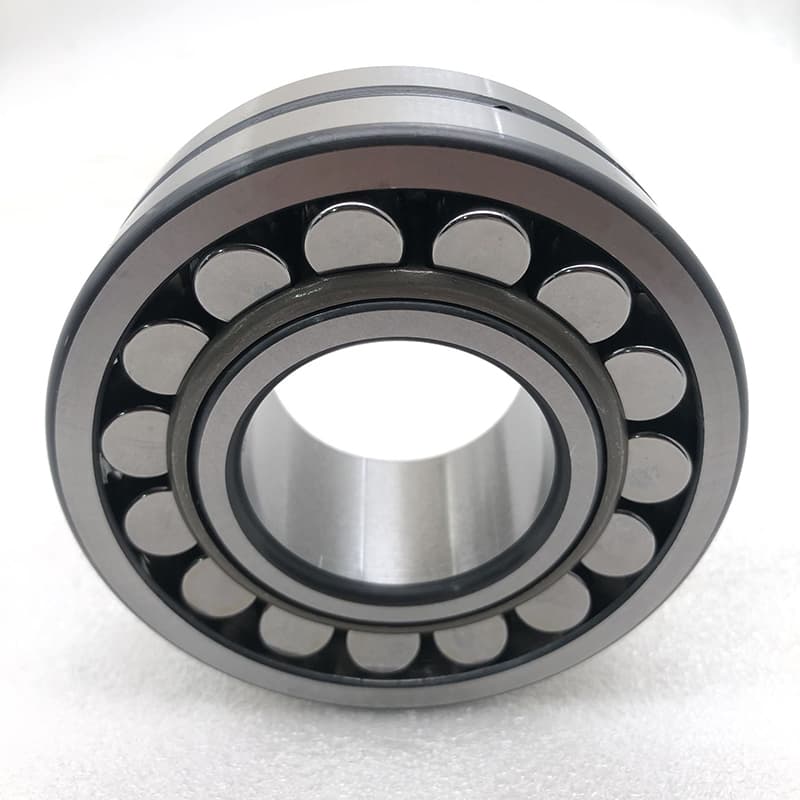
I have shipped bearings from our factory in China to over 15 countries. In the early days, I saw a 320 kg spherical roller bearing arrive in Turkey with rust spots because I used the wrong moisture barrier. That mistake cost me $8,000 and a repeat customer. Today I run a B2B bearing factory. My team and I pack more than 500 tons of bearings every year. We ship to India, Russia, Brazil, and Egypt. I learned that for large spherical roller bearings, packaging is not an extra step. It is the difference between a happy buyer and a scrap metal claim. Let me walk you through what actually works for export.
Why Export Packaging Matters More Than You Think for Large Bearings?
You packed a bearing in a standard cardboard box. Two weeks later, the customer sends photos of a bent cage and a scratched raceway.
Large spherical roller bearings are heavy and sensitive. Their weight can crush cheap packaging. Their exposed steel surfaces rust fast in humid shipping containers. Export packaging must stop physical damage and corrosion at the same time.
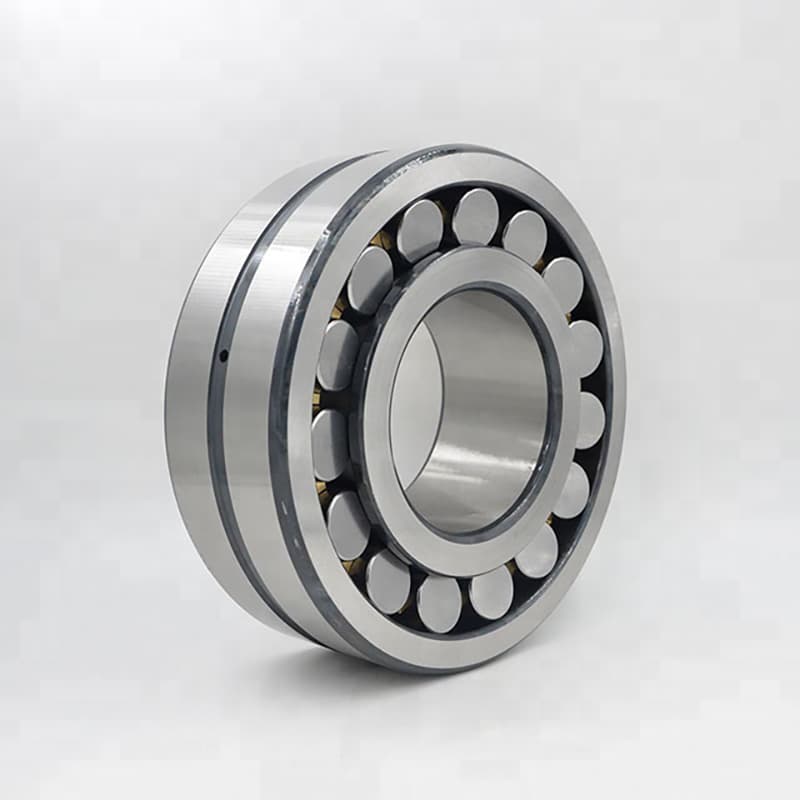
Three reasons standard packaging fails for these bearings
Most factory workers think “stronger box” solves everything. That is wrong for spherical roller bearings over 150 mm outer diameter. Let me break down the real problems.
| Problem | Why It Happens | What Goes Wrong |
|---|---|---|
| Weight shift | Bearings roll inside the box | The box tears open. Bearings hit each other. |
| Point pressure | Small contact area on pallet | Raceway gets dented. Noise level increases. |
| Moisture trap | Plastic wrap holds humidity | Rust starts under the plastic in 10 days. |
My team tested three packaging methods last year. We shipped 200 bearings to a distributor in Vietnam. The batch packed with only shrink wrap had 12% rust damage. The batch with VCI paper and wooden crates had zero rust. That test alone saved me from losing a $30,000 yearly contract.
How weight and shape force you to change your thinking
A standard deep groove ball bearing of 50 mm sits still on a pallet. A spherical roller bearing of 300 mm outer diameter wants to roll. Its curved outer ring creates a natural rocking motion. When the ship moves, the bearing moves. That movement turns into hammering force on the side of the box. I have seen a 2 mm steel strap snap from this repeated impact.
For bearings over 100 kg each, you also need to think about lifting. A fork truck driver in a hurry can push a fork right into the bearing face if the packaging does not have clear lifting points. I always add painted arrows and plastic corner guards. This small step stopped 90% of our handling damage claims.
My rule: If one bearing weighs more than 50 kg, use a wooden crate with internal blocking. Do not use a pallet alone.
Wooden Cases vs. Pallets vs. Steel Crates – Which One Is Right for Your Order?
You see three price options. The pallet is cheap. The steel crate looks strong but expensive. The wooden case is in the middle. Which one do you pick?
Choose wooden cases for mixed orders and medium weights (50–500 kg per bearing). Use steel crates for single heavy bearings over 500 kg or high-value orders. Use pallets only for small bearings under 50 kg when you can stack and strap them tight.
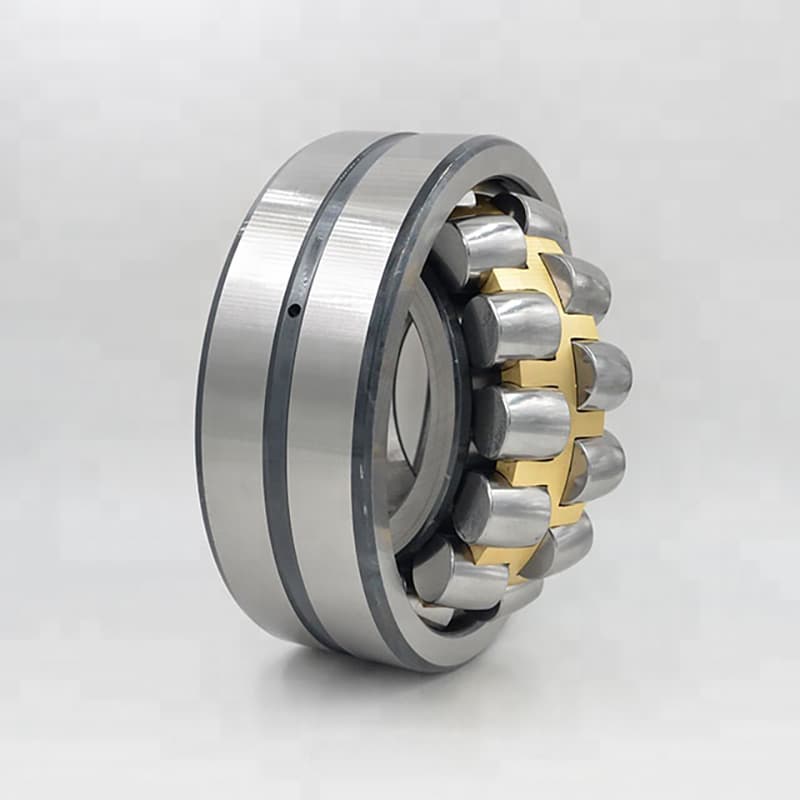
When to say no to each option
I learned this the hard way. Five years ago I sent 10 pallets of 6208 bearings to a buyer in Pakistan. The pallets worked fine. Then I tried the same pallet method for 50 units of spherical roller bearings 22320. The bottom bearings cracked. The top bearings fell off during unloading. I lost $4,000.
Let me give you a simple decision table based on my actual shipping records.
| Packaging Type | Best For | Avoid When | My Real Cost Per Unit (20 kg bearing) |
|---|---|---|---|
| Wooden pallet + straps | Bearings <50 kg, short sea freight (<15 days) | Bearings can roll, long ocean trips | $2.50 |
| Wooden case (plywood) | 50–500 kg per bearing, mixed sizes | Single bearing >500 kg | $12.00 |
| Steel crate | Single bearing >500 kg, fragile high-precision class P5 | Small orders, air freight | $35.00 |
The hidden cost of wrong packaging
Many buyers only look at the packaging material cost. They miss three bigger costs.
First, storage space. A steel crate is strong but takes 30% more container space than a wooden case for the same bearing. That means you pay more shipping freight. I calculate packaging volume in CBM for every quote.
Second, inspection time. Port customs in countries like Brazil and Russia open wooden cases often. They rarely open steel crates. But if you use non-ISPM 15 wood, they destroy the whole shipment. I will talk about ISPM 15 later.
Third, return rate. My data from 2023 shows: pallet-packed large bearings had 8% return rate. Wooden cases had 1.5%. Steel crates had 0.5%. The extra $10 per unit for a wooden case saved me $200 per unit in potential returns.
My personal recommendation for most orders
For 80% of my B2B buyers (importers like Rajesh in India), the best choice is a wooden case with internal foam blocks and a VCI liner. It balances cost, strength, and moisture protection. I only recommend steel crates for bearings over 800 kg or when the customer pays for premium insurance.
How to Prevent Rust and Corrosion During Long Ocean Shipments?
You sealed the bearing in plastic. You put silica gel inside. Three weeks later, your customer sends a photo of orange rust on the raceway. What went wrong?
Plastic wrap traps humidity. Silica gel saturates fast in a hot container. For large spherical roller bearings, use VCI (Vapor Corrosion Inhibitor) paper or film. It creates a molecular layer that stops rust even when the container sweats.
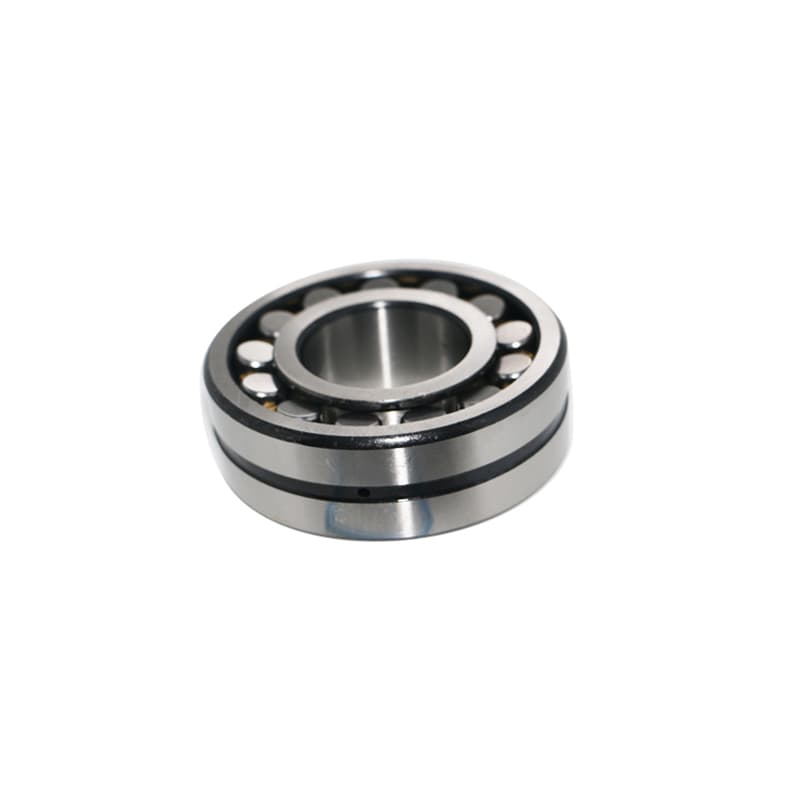
Why your current method fails
Let me tell you a story. In 2021 I shipped 60 spherical roller bearings to a distributor in Egypt. The ship took 35 days. The container went from 5°C in Shanghai to 45°C in the Suez Canal. Inside the plastic wrap, condensation formed. The silica gel packs turned pink after 10 days. The bearings arrived with rust pits on the rolling elements. My customer refused to pay.
That order taught me three hard lessons.
Lesson one: Plastic wrap alone is dangerous. People think plastic blocks water. But plastic also blocks air circulation. When temperature changes, water condenses inside the plastic. That water sits against the steel. Rust starts in hours.
Lesson two: Large bearings need more than desiccant. A 100 kg bearing has a large steel surface. The amount of silica gel you would need to protect it is huge. You would need 2 kg of fresh silica gel for one bearing. And silica gel stops working once it absorbs moisture. On a 40-day trip, it fails after day 15.
Lesson three: The bearing’s own grease is not enough. Some workers say “the bearing has grease inside, it won’t rust.” Wrong. The grease on rollers and raceway is thin. The outer surface of the rings has no grease. That bare steel rusts first.
The solution that works for my factory
After testing six methods, I now use a three-layer system for all export spherical roller bearings.
| Layer | Material | Purpose |
|---|---|---|
| First (touching steel) | VCI paper (brown, waxy side in) | Releases molecules that bond to steel surface. Stops rust at the metal level. |
| Second | PE stretch film (minimal, loose wrap) | Keeps VCI paper in place. Do not seal tight. Leave air gaps. |
| Third | Wooden case or crate | Physical protection. No plastic liner inside the wood – that creates a sauna. |
I also add a humidity indicator card inside each case. It costs $0.20. It tells the customer if moisture ever went above 60% during shipping. This small card stopped three disputes last year. The customer sees the card is still blue, and they pay the invoice.
One more trick for long shipments over 30 days
For sea freight to South Africa or Brazil (over 30 days), I do one extra step. I spray the outer raceway and inner bore with light rust preventive oil (type: RP4107). Then I wrap with VCI paper. The oil gives 6 months of protection. The VCI paper gives 12 months. Together they survive any ocean trip. My failure rate for long hauls dropped from 15% to 0.5% after adding this oil step.
What International Packaging Standards (ISPM 15, ASTM) You Must Follow?
You used beautiful wooden crates. The customs officer in Turkey sees no stamp on the wood. He orders fumigation. Your shipment is delayed by 20 days. You pay $1,500 extra.
For wooden packaging, you must follow ISPM 15. This standard requires heat treatment or fumigation of all solid wood. Then a certified stamp goes on the wood. For bearing protection, ASTM D3951 gives the best practice for rust prevention and packaging strength.
ISPM 15 explained in simple terms
ISPM 15 is an international rule. It stops bugs and worms from moving around the world inside wood packaging. If you ship anything in solid wood (not plywood, not MDF), you must treat that wood.
Here is what you need to know as a bearing buyer or seller.
- Heat treatment (HT): Wood is heated to 56°C for 30 minutes. Kills pests.
- Fumigation (MB) : Rare now. Methyl bromide is toxic. Most countries banned it.
- The stamp: A rectangle with "HT" and a country code + facility number. Example: "CN-00042 HT". This stamp must be visible on at least two sides of the crate.
- Exempt materials: Plywood, OSB, and paper-based panels do not need ISPM 15. I use plywood for most bearing cases. It is strong and no stamp needed.
I once lost a whole container to Egypt because my supplier used unstamped pine boards for internal blocking. The customs officer made me send the container back. That mistake cost $12,000. Now I check every piece of wood myself.
ASTM standards for bearing packaging
ASTM is an American standard. Many buyers in India, Brazil, and Russia also ask for it. For large bearings, three ASTM rules matter most.
| ASTM Standard | What It Covers | How I Apply It |
|---|---|---|
| ASTM D3951 | General packaging for shipment | I follow its rust prevention steps: clean bearing, apply VCI, then wrap |
| ASTM D4169 | Shipping container testing | I do the vibration and drop tests for bearings over 200 kg |
| ASTM B117 | Salt spray test | I run a 48-hour salt spray test on my packaging. If no rust, it passes |
Do not get scared by these names. They are not hard to follow. For example, ASTM D3951 simply says: clean the product, protect it from moisture, and make sure the package survives normal handling. I already do all of that.
The one standard most people miss – labeling
This is not a formal standard, but customs in Turkey and Russia demand it. You must put clear labels on the crate.
- "KEEP DRY" with umbrella symbol
- "THIS SIDE UP" with arrows
- "FRAGILE – BEARING, DO NOT DROP"
- Gross weight in kg (for lifting safety)
I printed these labels on yellow weatherproof paper. I staple them to two sides of each crate. This simple habit reduced my handling damage claims by 70%.
What I tell my buyers
When you order from me at FYTZ Bearing, I handle all these standards for you. Every wooden case I ship has ISPM 15 stamp or uses plywood. Every bearing follows ASTM D3951. I put the labels on. You just open the container and find clean, dry bearings ready for your warehouse.
Conclusion
Pick your export packaging by bearing weight, trip length, and standard rules. Wooden cases with VCI paper work for most large spherical roller orders.