
A broken conveyor stops your whole farm. And that stop costs you money.
Pillow block bearings support the rotating shafts on farm conveyors. They handle heavy loads and keep things moving. Without the right bearing, you get breakdowns, downtime, and lost harvest time.
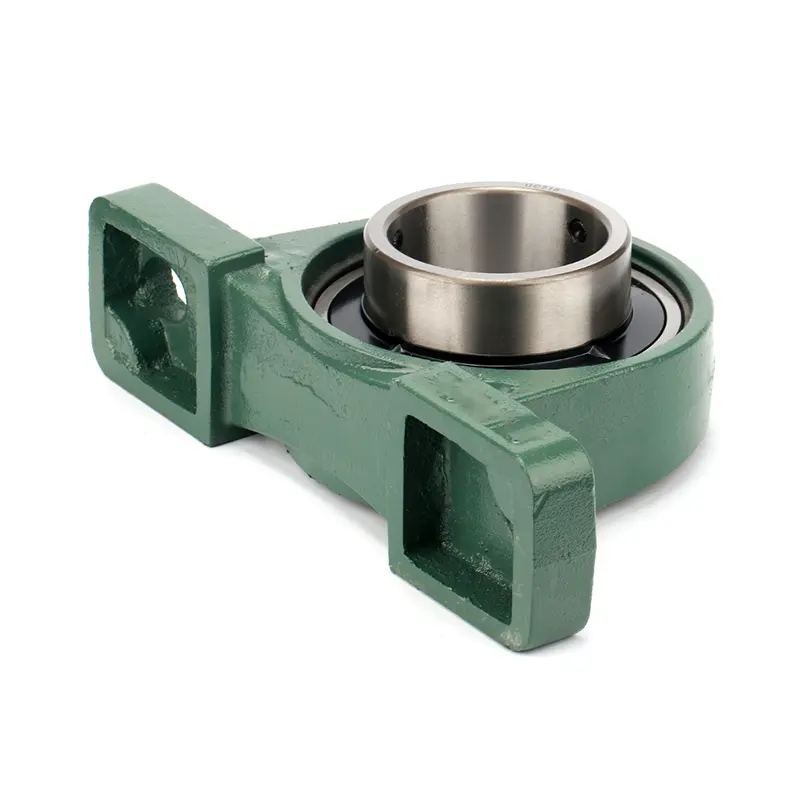
I have seen too many farms in India and Turkey shut down because of a cheap bearing. So let me walk you through what really works. I will share what I have learned from making bearings for over ten years at FYTZ Bearing.
Why Pillow Block Bearings Are Critical for Farm Conveyors?
You put a bearing on a conveyor. Then it fails in the middle of harvest. Why?
Pillow block bearings hold the conveyor shaft in place. They take the radial load from the belt and the material. Without them, the shaft bends and the belt slips.
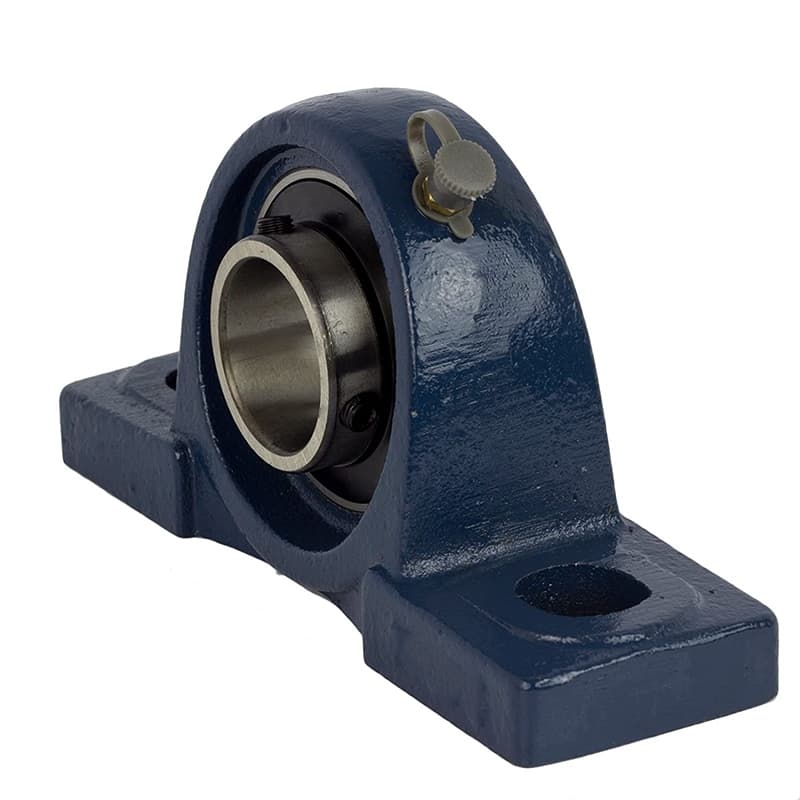
I remember talking to a buyer from Brazil last year. His farm conveyors kept breaking down every two months. He was using standard bearings from a local hardware store. Those bearings were not made for farm work.
Let me explain why farm conveyors are different from factory conveyors.
What makes farm conveyors so hard on bearings?
Farm conveyors run in open fields or dusty barns. They carry sand, soil, grain, and fertilizer. These materials get into the bearing seals. Once the dirt gets inside, the grease fails. Then the bearing heats up and locks.
Here is a simple breakdown of what kills farm conveyor bearings:
| Problem | What happens | Why it hurts |
|---|---|---|
| Dust and dirt | Gets inside the bearing seal | Grease dries out |
| Heavy loads | Conveyor carries tons of grain per hour | Bearing raceways crack |
| Long runs | Conveyors run 12 to 16 hours a day | Heat builds up |
| Poor alignment | Shaft is not straight | Bearing wears on one side |
| Water | Rain or washdown water enters | Rust forms on balls and races |
So what should you look for? Here is my short list:
- Housing material: Cast iron works better than pressed steel. It handles shock loads.
- Seal type: Triple lip seals stop dust. Single lip seals do not.
- Insert bearing: Choose a wide inner ring. It gives more support.
- Lubrication: Look for a grease fitting. You need to add grease easily.
At FYTZ Bearing, we test our pillow block bearings on real farm conveyors. Not just in a lab. We run them with sand and dirt. We see which seals hold up. That is how we know what works for a farm.
Best Bearing Types for Grain Elevators: Durability & Sealing?
Grain elevators move tons of corn and wheat straight up. Dust is everywhere. So are you using the right bearing?
For grain elevators, choose a pillow block bearing with a cast iron housing and a triple lip seal. The seal stops fine grain dust. The cast iron housing absorbs shocks when the bucket digs into the grain.
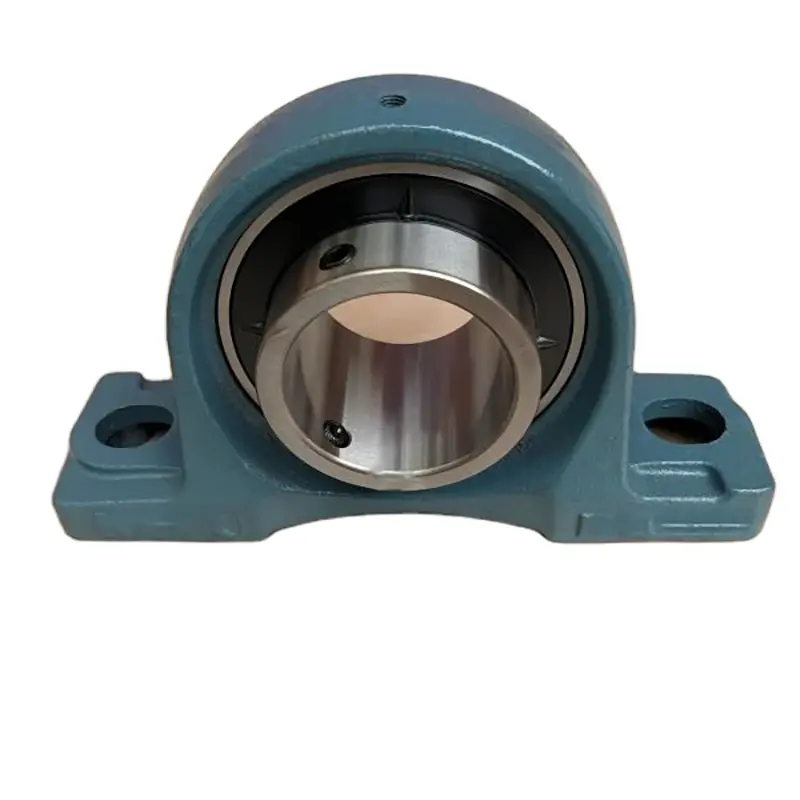
I have worked with many elevator owners in Egypt and Indonesia. Their biggest headache is dust. Grain dust is very fine. It gets through cheap rubber seals like water through a screen.
Why does dust destroy bearings so fast?
When dust enters a bearing, it mixes with the grease. That mixture becomes a grinding paste. Then the balls and raceways wear down. The bearing starts to make noise. Soon after, it locks up.
Here is what happens step by step:
- Dust pushes past the seal.
- Dust sticks to the grease.
- The grease turns dark and thick.
- Balls cannot roll smoothly.
- Heat builds up inside.
- The bearing expands and locks on the shaft.
I tell my customers to look at two things first: the seal and the housing.
Seal types explained simply
Most pillow block bearings use one of these seals:
| Seal type | How it works | Best for |
|---|---|---|
| Single lip | One rubber lip touches the shaft | Clean, indoor conveyors |
| Double lip | Two rubber lips add more protection | Light dust, farm shops |
| Triple lip | Three lips with a labyrinth path | Heavy dust, grain elevators |
| Contact seal | Rubber presses hard on the shaft | Wet and muddy conditions |
For grain elevators, I recommend triple lip seals. They create a maze for the dust. The dust has to turn three corners to get inside. Most dust gives up before it gets through.
Housing material matters more than you think
Many buyers ask me if pressed steel housings are okay. My answer is no for grain elevators. Here is why:
- Pressed steel: Lighter, cheaper, but bends under shock loads. When the elevator bucket hits a hard spot, the housing flexes. Then the bearing loses alignment.
- Cast iron: Heavier, costs a bit more, but stays rigid. It takes the hit without bending. Your shaft stays straight. The bearing lasts longer.
I remember a customer in Turkey. He switched from pressed steel to cast iron housings. His bearing failures dropped by 70% in one year. That is real saving.
At FYTZ Bearing, we make both types. But for grain elevators, I always push customers toward cast iron with triple lip seals. It costs a little more upfront. But you save money on downtime and replacement labor.
Choosing Pillow Block Bearings for Auger Systems Under Heavy Load?
Your auger works hard. It moves wet grain and heavy feed. But can your bearing take that same load?
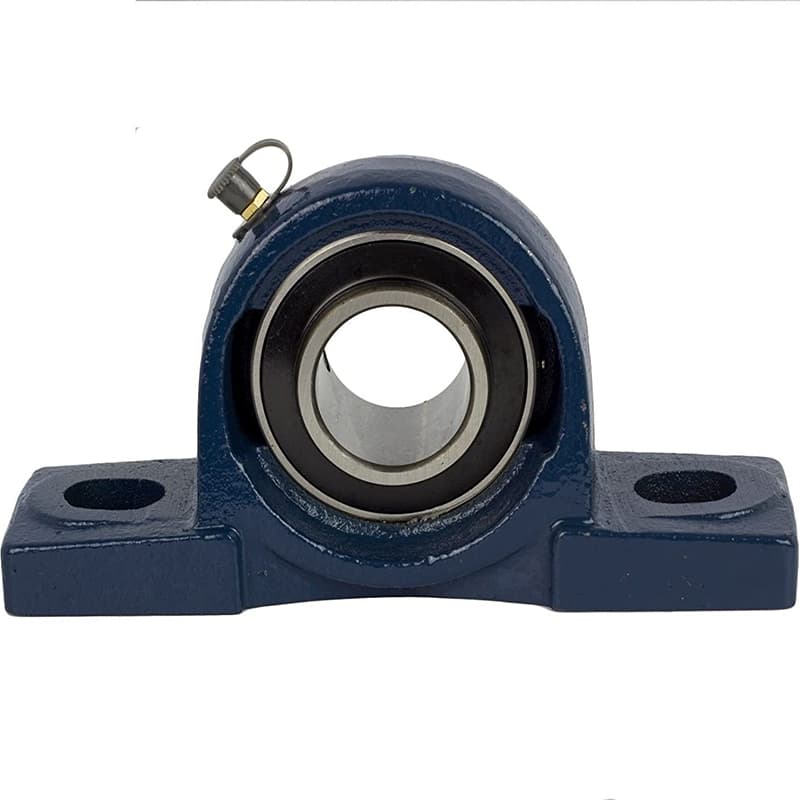
For heavy load augers, choose a pillow block bearing with a spherical outer ring. It self-aligns when the auger shaft bends under weight. Also pick a wider bearing for more surface contact.
Augers are different from conveyors and elevators. An auger shaft is long and thin. When you put a heavy load on it, the shaft bends. Not a lot. But enough to misalign the bearings.
I learned this from a customer in Russia. He was using standard pillow block bearings on his grain augers. The bearings failed every three weeks. He thought the bearings were bad. But the real problem was shaft deflection.
What is shaft deflection and why does it matter?
When an auger moves wet grain or silage, the material pushes against the flighting. That push tries to bend the shaft. The shaft bows in the middle. The bearings at each end get pushed out of line.
A standard bearing does not like this. It needs the shaft to be perfectly straight. If the shaft is not straight, the bearing race gets side-loaded. Then the balls run against the edge of the race. That creates heat and wear.
Here is how different bearings handle shaft deflection:
| Bearing type | How it handles misalignment | Best auger use |
|---|---|---|
| Standard set screw bearing | Poor. No give at all. | Short, light augers only |
| Eccentric locking collar | Okay. A little wiggle room. | Medium augers, dry grain |
| Spherical outer ring with adapter | Excellent. Self-aligns up to 3 degrees. | Long augers, wet heavy loads |
Two more things for heavy auger loads
A wider bearing has more surface area. The load spreads out over more balls and raceway. That lowers the pressure on each part. Think of it like lying on a bed of nails. One nail hurts. One hundred nails feel fine.
For heavy loads, I prefer an adapter sleeve or a tapered bore. These lock tighter than set screws. Set screws can come loose when the shaft flexes. An adapter sleeve grips the whole shaft. It does not let go.
I have a customer in Pakistan who runs long augers for rice handling. He switched to spherical bearings with adapter sleeves. His bearing life went from one month to eight months. That is not luck. That is good engineering.
At FYTZ Bearing, we recommend our UCP series with spherical inserts for heavy augers. We also offer wider versions for extra heavy loads. Tell me your shaft size and load. I will help you pick the right one.
Common Failure Modes in Agricultural Bearings & How to Prevent Them?
Your bearing failed. You replace it. Then it fails again. Why are you stuck in this loop?
The top three bearing failures in agriculture are contamination, poor lubrication, and misalignment. Each failure leaves different signs. You can stop all three with better parts and basic maintenance.
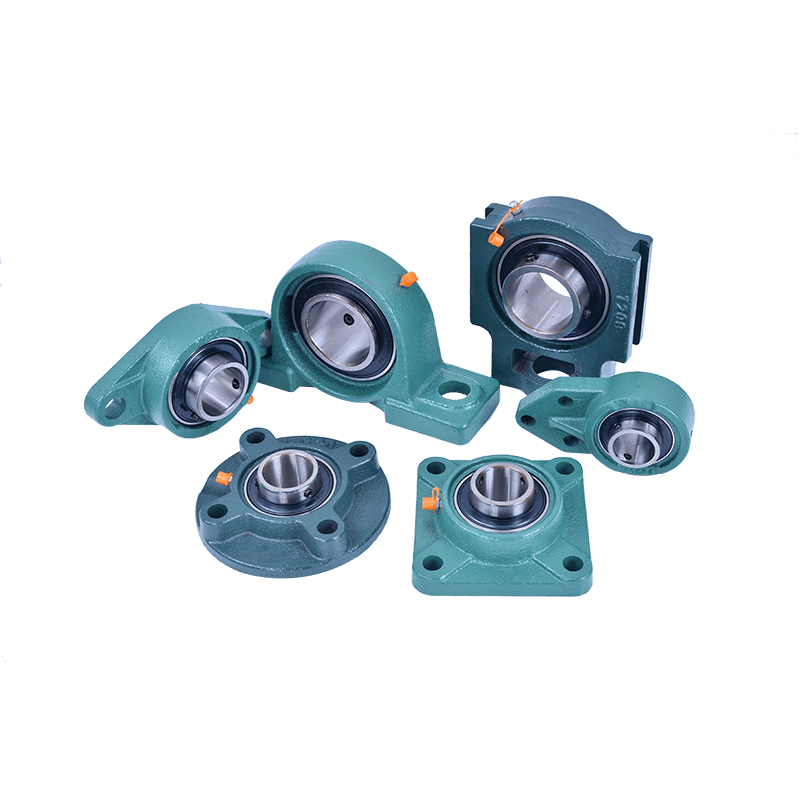
I look at failed bearings every week. Customers send me photos. They ask me why the bearing broke. After ten years of making bearings, I can spot the cause in seconds.
Let me show you how to read a failed bearing. This will save you time and money.
Failure 1: Contamination from dirt or dust
What you see: The grease is black or brown. The balls have pits. The raceway looks sandblasted.
What happened: Dirt got past the seal. It mixed with the grease. Then it acted like sandpaper inside the bearing.
How to prevent it:
- Upgrade to a triple lip seal or a contact seal
- Add a felt washer for extra dust protection
- Re-grease the bearing weekly to push out old dirty grease
Failure 2: Poor lubrication
What you see: The bearing is blue or purple near the center. The grease is hard and crusty. Or the bearing has no grease at all.
What happened: The bearing ran too hot. The grease broke down. Or someone forgot to add grease for months.
How to prevent it:
- Set a greasing schedule. Write it on the machine.
- Use a high-temperature grease made for agriculture
- Install a bearing with a relubrication hole and fitting
Failure 3: Misalignment
What you see: The wear marks are on one side of the raceway only. The other side still looks new. The housing might be cracked on one edge.
What happened: The shaft was not straight with the bearing. The bearing took all the load on one edge.
How to prevent it:
- Use a self-aligning pillow block bearing
- Check shaft alignment when you install the bearing
- Replace bent shafts. Do not try to straighten them.
Simple table for quick diagnosis
| Failure sign | Likely cause | Quick fix |
|---|---|---|
| Black grease | Dirt contamination | New seal + more frequent greasing |
| Blue/purple ring on bearing | Overheating from no grease | Set a weekly greasing reminder |
| Wear on one side only | Misalignment | Switch to self-aligning bearing |
| Rust on balls or races | Water entry | Add a cover or use stainless steel |
| Cracked housing | Shock load or loose bolts | Use cast iron and check bolts monthly |
I tell my customers to walk their farm once a week. Look at each bearing. Listen for noise. Feel for heat. A hot bearing is a dying bearing. Catch it early. Replace it before it breaks.
At FYTZ Bearing, we put our phone number on every box. You can call me at +86 150 2064 2375. Send me a photo of your failed bearing. I will tell you what killed it. That is not marketing talk. That is how I help my customers.
Conclusion
Pick the right pillow block bearing for your farm job. Check seals for dust. Choose cast iron for shock loads. Use self-aligning types for long augers.