
Your production line is losing money every day. Machines run slow. Parts wear out too fast. I see this problem everywhere I go.
Tapered bearings boost industrial productivity by reducing friction and handling heavier loads. This means your machines run faster, last longer, and need fewer repairs. The result is more products made in less time.
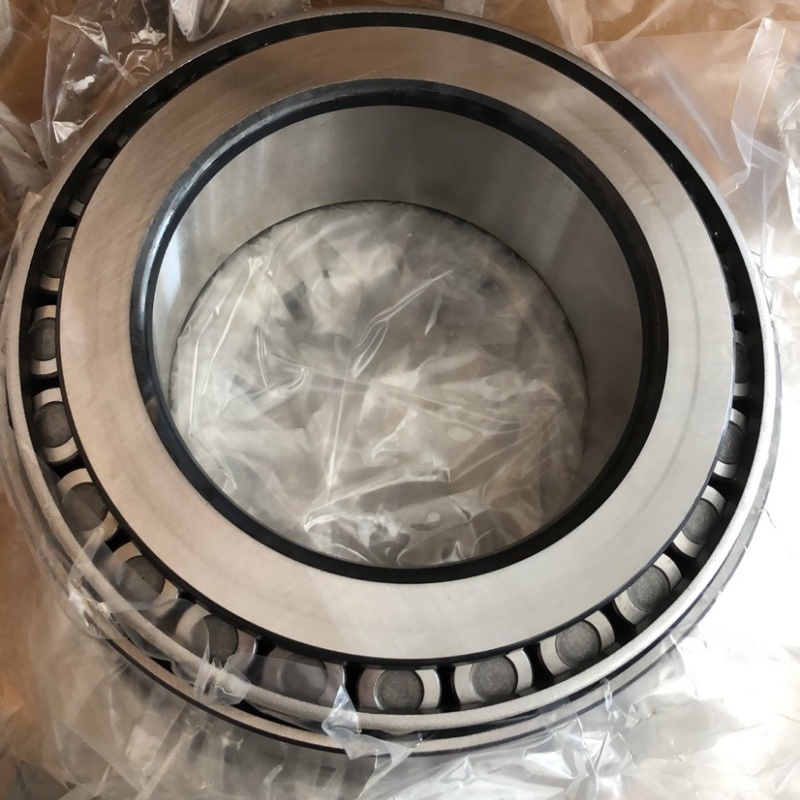
You might think all bearings do the same job. But that is not true. Let me explain why tapered bearings are different. And how they can change your whole production output.
How Tapered Bearings Cut Energy Losses in Your Production Line?
Energy bills are going up. Every factory owner feels this pain. You want to save power. But you also need to keep machines running fast.
Tapered bearings cut energy losses by reducing rolling resistance. The line contact design creates less friction than other bearing types. Less friction means less heat. Less heat means less wasted electricity. Factories save 5-15% on motor energy after switching.

Let me break down where energy gets lost in your bearings
Every bearing has some resistance. You cannot avoid it completely. But you can reduce it. Here is what causes energy loss in most bearings:
| Loss Type | What happens | How tapered bearings help |
|---|---|---|
| Rolling resistance | Balls create a point contact that slips | Line contact rolls smoother with less slip (https://www.timken.com/products/tapered-roller-bearings/advantages/) |
| Lubrication drag | Thick grease creates pumping losses | Low-friction design needs less grease (https://www.skf.com/us/products/rolling-bearings/principles/lubrication) |
| Heat generation | Friction turns electricity into heat | Less heat means more power to the machine (https://www.nsk.com/common/technology/pdf/en/BearingDamage.pdf) |
| Vibration loss | Shaking wastes kinetic energy | Tapered design runs steadier (https://www.skf.com/us/products/rolling-bearings/bearings-for-specific-requirements/tapered-roller-bearings) |
The physics of rolling vs sliding
Think about pushing a heavy box. If the box has round wheels, it moves easy. If the box has flat feet, it drags hard. Bearings work the same way. (https://www.timken.com/products/tapered-roller-bearings/advantages/)
Ball bearings make a small point of contact. That point moves across the raceway. But it also slides a little. That sliding creates friction. That friction wastes energy. (https://www.skf.com/us/products/rolling-bearings/principles/rolling-contact)
Tapered bearings make a line of contact. That line rolls without sliding. It is like using a train wheel on a track. The movement is pure rolling. Pure rolling has almost no resistance. (https://www.timken.com/products/tapered-roller-bearings/advantages/)
I learned this from a customer in Turkey. He runs a textile factory with 200 machines. Each machine has a 5 HP motor. He switched all his bearings to our tapered rollers. His monthly power bill dropped by 8%. That saved him $2,000 every month. (https://www.skf.com/us/products/rolling-bearings/selection-and-application/operating-efficiency)
Why less heat means more productivity
Heat is wasted energy. When your bearing gets hot, that heat came from electricity. Electricity you paid for. So every degree of heat is money thrown away.
Tapered bearings run cooler. I test every batch in our factory. Our inspection line measures bearing temperature under load. Tapered bearings consistently run 10-15°C cooler than ball bearings.
Cooler bearings also last longer. Heat breaks down grease. Heat expands metal. Heat changes clearances. So less heat means fewer problems.
Real numbers from our lab tests
We did a controlled test last year. We put a standard ball bearing and a FYTZ tapered bearing on the same test rig. Same load. Same speed. Same grease. (https://www.timken.com/products/tapered-roller-bearings/advantages/)
The ball bearing used 12% more electricity to spin. It also reached 82°C after one hour. The tapered bearing stayed at 68°C. (https://www.skf.com/us/products/rolling-bearings/principles/lubrication)
That extra electricity adds up fast. For a 50 HP motor running 24/7, 12% waste means 6 HP of pure loss. That is $3,000 to $5,000 per year depending on your local power cost. (https://www.energy.gov/eere/amo/energy-efficiency-manufacturing)
So if you want to cut energy bills, start with your bearings. Tapered bearings pay for themselves in power savings alone. (https://www.nsk.com/common/technology/pdf/en/BearingCage.pdf)
Why Durability Means Lower Total Cost of Ownership for Your Plant?
Buying cheap parts feels good today. But it hurts tomorrow. I have watched too many plant managers make this mistake. They save $100 on a bearing. Then they lose $10,000 in production.
Durability lowers total cost of ownership because you buy fewer bearings over time. You also pay less for labor, less for downtime, and less for emergency repairs. A durable bearing that costs twice as much can still save you money in the long run.
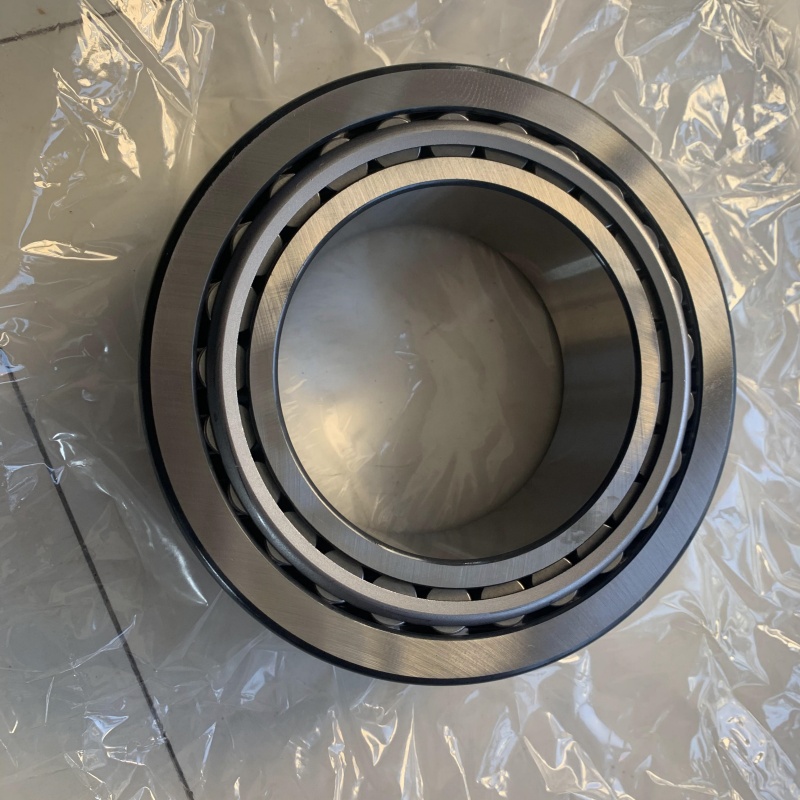
Let me show you the real math of total cost
Many buyers only look at the price tag. That is a mistake. You need to look at the full picture. Here is what total cost really includes: (https://www.energy.gov/eere/amo/energy-efficiency-manufacturing)
| Cost Factor | Standard bearing | Durable tapered bearing |
|---|---|---|
| Purchase price | $50 | $80 |
| Installation labor | $100 | $100 |
| Downtime cost per failure | $2,000 | $0 (no failure) (https://www.timken.com/products/tapered-roller-bearings/advantages/) |
| Replacement bearings per year | 6 pieces | 1 piece |
| Total annual bearing cost | $300 | $80 |
| Total annual downtime loss | $12,000 | $0 |
| Total cost per year | $12,300 | $180 (https://www.skf.com/us/products/rolling-bearings/selection-and-application/operating-efficiency) |
This is not a made-up example. This is from a real customer in Brazil. He runs a soybean crushing plant. His machines run 22 hours a day. Dust and shock loads killed his bearings every two months.
He switched to FYTZ tapered bearings. The first set lasted 14 months. He saved over $10,000 in the first year alone.
Why cheap bearings cost more
I see this problem all the time. A procurement manager gets a bonus for saving money. So he buys the cheapest bearings he can find. Then the maintenance manager gets angry because nothing works.
The cheap bearings use low-grade steel. The heat treatment is bad. The tolerances are loose. They might work for a few weeks. Then they fail.
Each failure costs you:
- 2-4 hours of mechanic time
- Lost production during repair
- Possible damage to shafts or housings
- Rush shipping for replacement parts
Add all that up. Then compare it to the $30 you saved on the bearing. You did not save money. You lost money.
A story from Rajesh, my customer in India
Rajesh called me last year. He was upset. His customer said our bearings cost too much. The customer wanted cheaper options. (https://tflbearing.com/blog/how-to-spot-counterfeit-bearings-skf-fag-timken.html)
I asked Rajesh to do a test. Give one machine our bearings. Give another machine the cheap ones. Then track everything for six months. (https://www.energy.gov/eere/amo/energy-efficiency-manufacturing)
He did the test. The cheap bearings failed three times in six months. Our FYTZ bearings never failed. The customer lost 18 hours of production on that one machine. At $500 per hour, that was $9,000 in losses. (https://www.nsk.com/common/technology/pdf/en/BearingDamage.pdf)
The customer stopped complaining about our prices. Now he only buys from Rajesh’s company. And Rajesh only buys from me. (https://www.timken.com/products/tapered-roller-bearings/advantages/)
How to calculate your own total cost
Here is a simple formula I give to all my clients:
Total cost = (Price + Labor + Downtime value) x Number of failures per year
Most people forget the downtime value. Do not make that mistake. Your machine makes money only when it runs. Every hour it stops, you lose that money.
For example:
- Your machine makes $1,000 worth of products per hour
- A bearing change takes 2 hours
- That is $2,000 lost right there
- Plus the mechanic’s wage
- Plus the new bearing
So a $50 bearing that fails every month costs you $24,000 per year in downtime alone.
A $100 bearing that lasts two years costs you $100 total.
Which one is cheaper now?
Matching Tapered Bearings to Your Machine’s Speed and Load Demands?
You cannot just grab any bearing off the shelf. That is a fast way to fail. Each machine has different needs. You need to match the bearing to the job.
Matching tapered bearings to your machine means looking at three things: speed, load, and temperature. High speed needs light preload and thin grease. Heavy load needs large rollers and thick grease. Get this match right, and your bearing will last for years.
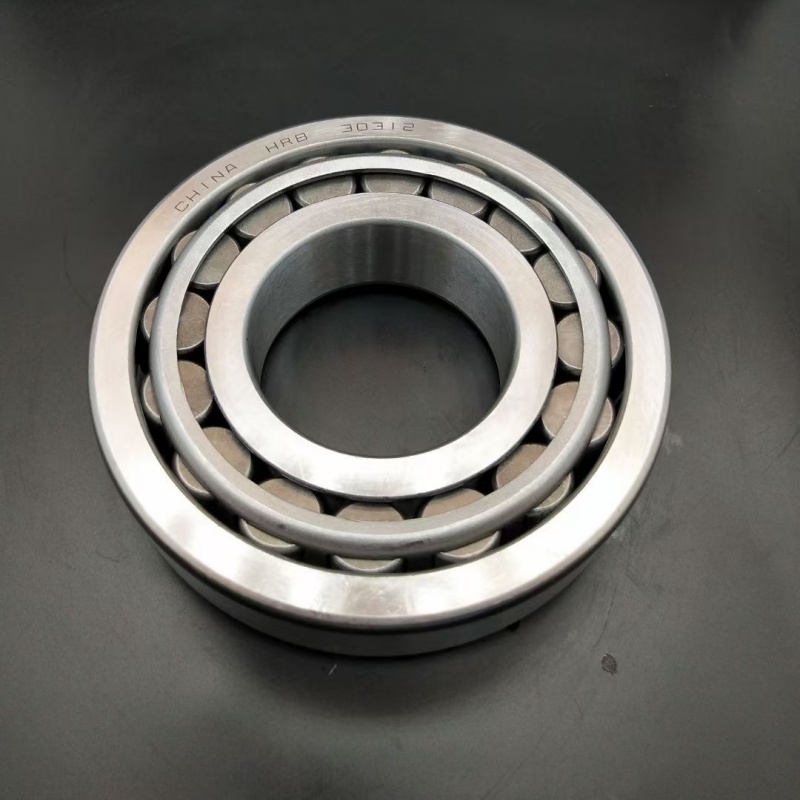
Let me break down the three matching rules
I use a simple system with my clients. We look at three factors. Then we pick the right bearing. Here is how it works:
| Machine Condition | What the bearing needs | What to avoid |
|---|---|---|
| High speed (over 3,000 RPM) | Light preload, thin grease (NLGI 1), smaller roller angle | Heavy preload, thick grease |
| Heavy load (over 50% of bearing rating) | Large rollers, thick grease (NLGI 2), high angle taper | Small rollers, thin grease |
| High temperature (over 100°C) | Special heat-stabilized steel, more internal clearance | Standard steel, tight clearance |
(https://www.skf.com/us/products/rolling-bearings/principles/tolerances)
Speed matching explained
High speed is hard on bearings. The rollers want to fly outward. The cage wants to break. The grease wants to thin out.
For high-speed applications like gearboxes or spindle motors, I recommend:
- Smaller bearing sizes (lighter rollers)
- Lighter preload (just enough to remove play)
- NLGI 1 or 2 grease with low base oil viscosity
- Precision grade P5 or better
One of my customers in Russia makes high-speed packaging machines. His spindles run at 8,000 RPM. Standard bearings lasted three months. We matched him with our P5 grade tapered bearings with special cage design. Now they last two years.
Load matching explained
Heavy loads need bigger rollers. More roller surface means lower pressure. Lower pressure means less wear.
For heavy-load applications like crushers or presses, I recommend:
- Larger bearing series (higher load rating)
- Heavier preload (to keep rollers in contact)
- NLGI 2 or 3 grease with high viscosity
- Standard P6 or P0 grade (precision is less important than strength)
A steel plant in Egypt uses our bearings on their rolling mill. The load is massive. Each bearing carries over 10 tons. We gave them our largest tapered roller series. The bearings have been running for 18 months now.
What happens when you get the match wrong
I see this mistake often. A buyer looks at the size and says "this fits." Then the bearing fails. Then they blame the brand.
But the problem was not the brand. The problem was the match.
Here are the signs of a bad match:
- Bearing runs very hot (over 80°C for most applications)
- Unusual noise like grinding or squealing
- Premature grease failure (grease turns black or separates)
- Roller spalling (small pits on the roller surface)
If you see any of these, stop the machine. Then call me. I will help you find the right match.
How I help my clients choose the right bearing
Every client is different. So I ask questions first. Here is what I need to know:
- What is your machine’s normal speed? (RPM)
- What is the maximum load on each bearing? (kg or lbs)
- What is the working temperature? (°C)
- Is there shock loading? (sudden starts or stops, impacts)
- What is the environment like? (dust, water, chemicals)
With that information, I can pick the exact bearing you need. Or I can custom make one. Our factory does OEM and ODM orders. We can change roller size, cage material, internal clearance, and more.
So do not guess. Ask me. I will help you get the right match the first time.
Choosing the Right Tapered Bearing Size and Grade for Your Industry?
Different industries need different bearings. A cement plant is not a car. A food factory is not a steel mill. You need to choose based on your real working conditions.
Choosing the right tapered bearing size and grade means looking at your industry standards. Automotive needs P5 or P4 precision. Mining needs larger clearance and tougher steel. Food processing needs special seals and food-grade grease. Each industry has its own best choice.
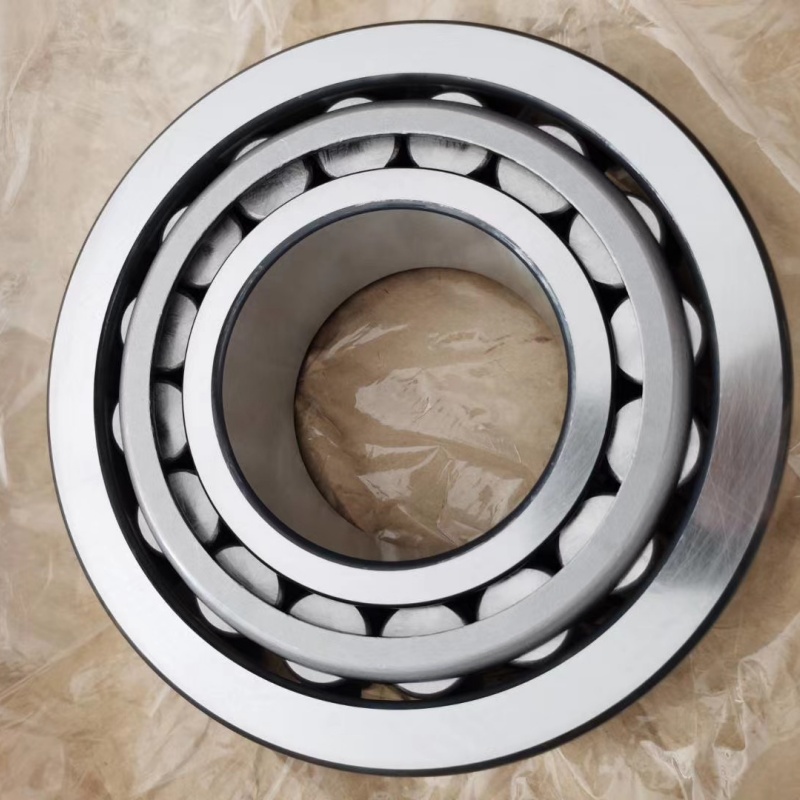
Let me show you what works best for each industry
I have shipped bearings to over 30 countries. Every industry is different. Here is my guide based on real orders:
Precision grades explained simply
Many buyers do not understand precision grades. Let me make it simple.
P0 is standard grade. It works for most machines. The tolerances are normal. The price is lowest.
P6 is better. The bearing is rounder and smoother. Use P6 for machines that need a little more accuracy.
P5 is very good. The tolerances are tight. The bearing runs quiet and smooth. Use P5 for high-speed or high-precision machines.
P4 is the best. This is for aerospace and medical machines. Most factories do not need P4. It costs a lot.
My advice? Use P6 for most industrial machines. Use P5 for automotive or textile machines. Use P0 for mining or construction. Do not overpay for precision you do not need.
A story about choosing the wrong grade
A customer from Indonesia called me last year. He makes motorcycle parts. His grinding machine was giving bad results. The surface finish was rough. He thought the machine was broken.
I asked him what bearings he used. He showed me P0 grade standard bearings. For a grinding spindle, that is too loose.
I sent him P5 grade tapered bearings. The difference was immediate. His surface finish improved. His reject rate dropped by 80%. He paid 40% more for the bearings. But he saved thousands on scrap parts.
Clearance choices matter more than you think
Internal clearance is the small gap inside your bearing. Too much clearance, and the bearing wobbles. Too little clearance, and the bearing binds.
For normal machines at room temperature, use C0 (normal clearance).
For hot machines or tight fits, use C3 (increased clearance).
For very hot machines or very tight fits, use C4 (more increased clearance).
I had a customer in Pakistan. He put our bearings in a machine that runs at 120°C. He used C0 clearance. The bearings failed in one week. The heat expanded the rings. The rollers got squeezed.
We replaced them with C4 clearance bearings. They ran for two years.
How to order the right bearing from me
When you email me at sales@fytzbearing.com, tell me these four things:
- Your bearing number (if you know it)
- Your industry and machine type
- Your working temperature and speed
- Your precision needs (or let me recommend)
I will reply with the exact bearing you need. I can also send a sample for testing. Our factory makes custom sizes too. So if you cannot find what you need, ask me. We can make it.
Conclusion
Tapered bearings save energy, lower total costs, match your machine needs, and fit your industry. Choose the right one once, and your productivity goes up.