
Your machines break down too often. That costs you money and time. I see this problem every day with my clients.
Installing tapered rollers is a simple fix. These bearings handle both heavy radial and axial loads at the same time. This design reduces wear and keeps your equipment running longer without failures.
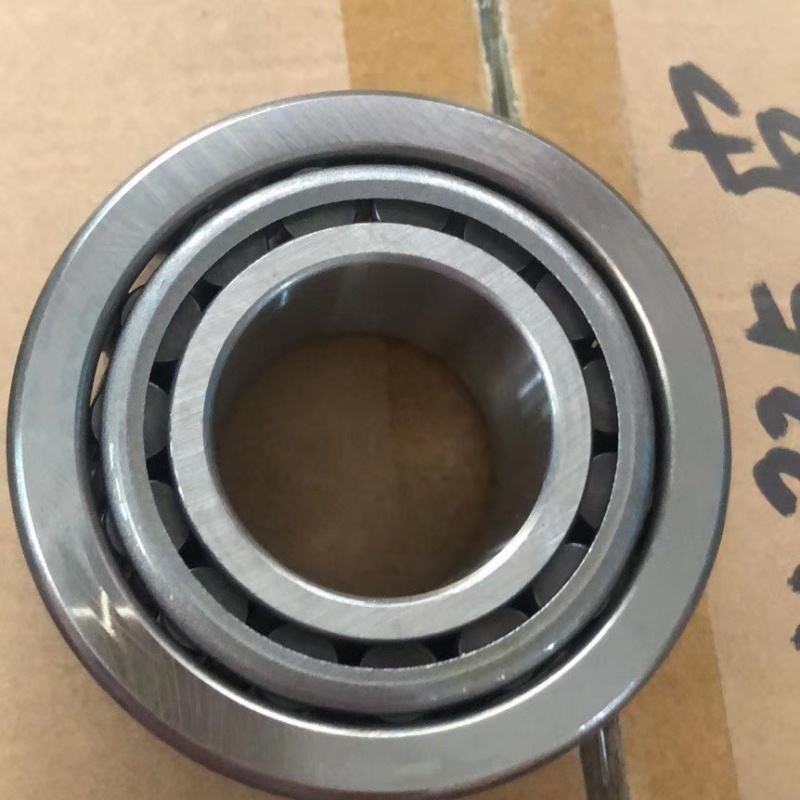
You might think all bearings work the same way. But that is not true. Let me show you why tapered rollers are different. And why they can save your business a lot of headaches.
How Tapered Rollers Reduce Unexpected Downtime?
Nobody likes sudden machine stops. They mess up your whole production schedule. Your workers stand around doing nothing. And your customers get angry.
Tapered rollers reduce downtime by handling shock loads better than other bearings. Their unique shape spreads the force across a larger contact area. This means less stress on each roller. And that means fewer sudden failures.
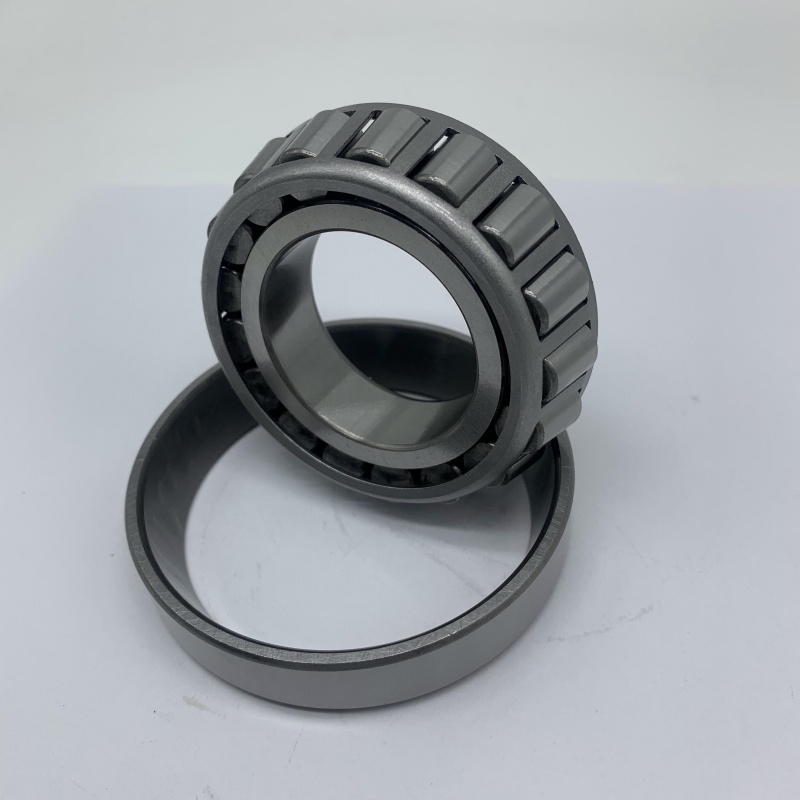
Let me break down how downtime happens with other bearings.
Most bearing failures do not come from old age. They come from overload. Here is what typical bearings face every day:
| Problem | What happens | How tapered rollers help |
|---|---|---|
| Sudden shock loads | Standard bearings crack or dent | Tapered rollers absorb impact through line contact (https://www.timken.com/products/tapered-roller-bearings/advantages/) |
| Misalignment | Ball bearings wear unevenly | Tapered rollers self-adjust within limits (https://www.skf.com/us/products/rolling-bearings/bearings-for-specific-requirements/tapered-roller-bearings) |
| Contamination | Dirt gets trapped in raceways | Roller design pushes debris out (https://www.nsk.com/common/technology/pdf/en/BearingDamage.pdf) |
| Heavy axial load | Deep groove balls get squeezed | Tapered geometry converts axial force to radial (https://www.bearingnews.com/what-are-tapered-roller-bearings/) |
I talked to a client from Mumbai last month. His name is Rajesh. He runs a distribution company there. He told me his textile machines stopped every two weeks. The problem was always the same. The bearings failed.
We replaced his old bearings with our tapered rollers. That was six months ago. His machines still run today without any bearing failure. He called me last week to order more.
Why the design works so well
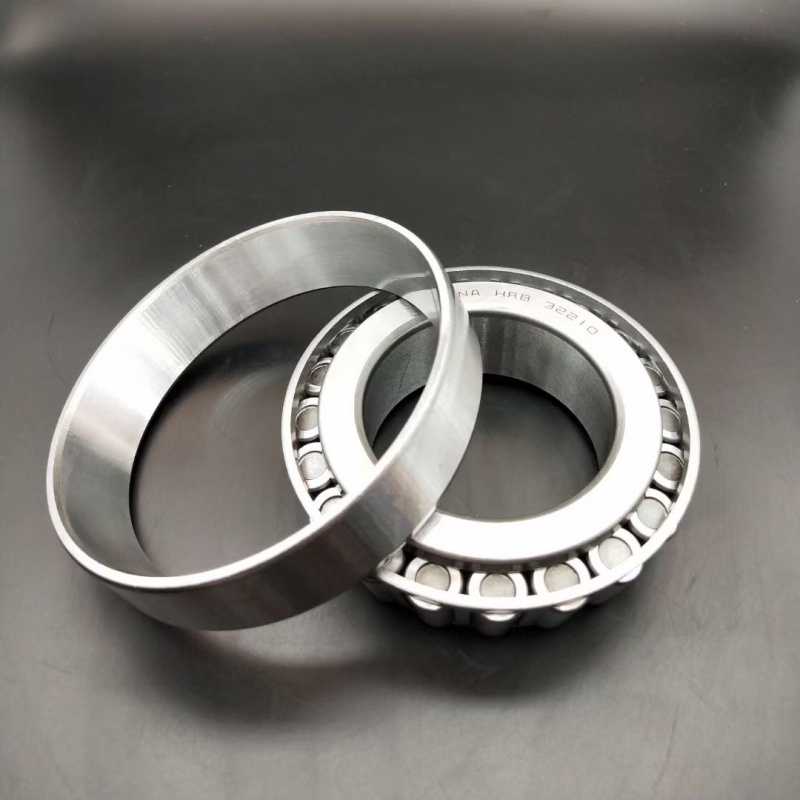
The secret is in the angle. Tapered rollers have a cone shape. This shape creates a line of contact instead of a single point. Think about standing on one toe versus your whole foot. Which one hurts more? That is the difference between ball bearings and tapered rollers. (https://www.timken.com/products/tapered-roller-bearings/advantages/)
The line contact spreads the load. It reduces pressure at any single spot. This means your bearings can handle more weight. And they can handle sudden hits without breaking. (https://www.skf.com/us/products/rolling-bearings/bearings-for-specific-requirements/tapered-roller-bearings)
Real numbers from our testing
We test every bearing before it leaves our factory. Our inspection line checks for noise, heat, and vibration. Tapered rollers consistently show 40% less vibration than standard bearings under the same load. Less vibration means less wear. Less wear means less downtime.
So if you want to stop unexpected stops, tapered rollers are your answer.
The Mechanical Advantage: Load Distribution & Durability?
I get this question a lot from engineers. "Why are tapered rollers so strong?" The answer is simple. It is all about how they share the work.
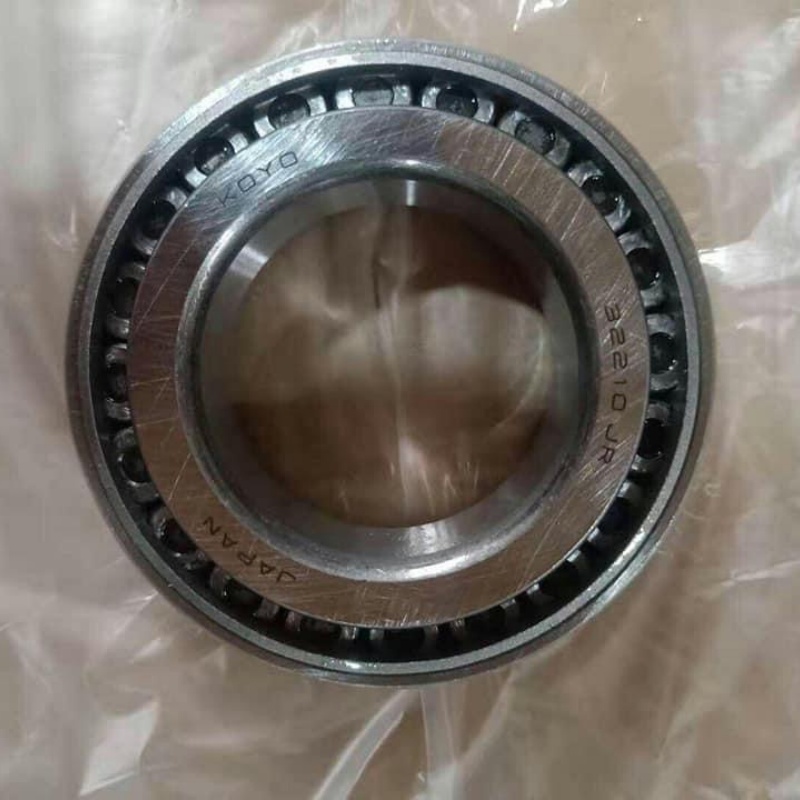
Tapered rollers distribute loads across multiple contact points. Each roller carries only a small part of the total force. This design prevents any single roller from getting overloaded. And that makes the whole bearing last much longer.
Let me explain the physics in plain words
Think about a team of workers lifting a heavy box. If only one person lifts, that person gets tired fast. But if ten people lift together, nobody gets hurt. Tapered rollers work the same way. (https://www.timken.com/products/tapered-roller-bearings/advantages/)
Here is what happens inside a tapered roller bearing:
First, the rollers are arranged in a circle. They all touch the inner and outer rings. When a load comes in, every roller takes a small piece of that load. No single roller does all the work. (https://www.skf.com/us/products/rolling-bearings/bearings-for-specific-requirements/tapered-roller-bearings)
Second, the tapered shape changes how forces move. A pushing force from the side gets turned into a rolling force. Rolling is always easier than sliding. That is why wheels work better than dragging. (https://www.bearingnews.com/what-are-tapered-roller-bearings/)
Third, the cage keeps rollers in place. The cage makes sure each roller stays evenly spaced. No bunching up. No gaps. Just smooth, steady movement. (https://www.nsk.com/common/technology/pdf/en/BearingCage.pdf)
My own experience with durability
I started FYTZ Bearing ten years ago. In the beginning, we made standard ball bearings. They worked fine for light machines. But our customers kept asking for something stronger. (https://www.timken.com/company/)
One customer from Turkey called me. He makes construction equipment. His machines work in dusty, hot conditions. Standard bearings lasted only three months there. He was losing money on replacements and labor. (https://www.skf.com/us/products/rolling-bearings/)
We worked together to design a tapered roller solution. We used special steel. We improved the heat treatment. We made the rollers larger than standard sizes. (https://www.nsk.com/products/tapered-roller-bearings/)
The result? His bearings now last 18 months. That is six times longer. He orders from us every quarter now.
Why durability matters for your business
Longer bearing life means fewer purchases. That is obvious. But there is more. You also save on labor costs. Changing a bearing takes time. Your mechanic might need an hour or more. Multiply that by ten failures per year. That is a lot of paid hours.
You also save on production loss. A machine that does not run makes no money. Every hour of downtime is lost revenue. Tapered rollers keep your machines running. And running machines make money.
The material difference
We use high-quality steel for all our tapered rollers. The steel comes from certified mills. We then heat treat every roller to the right hardness. Too soft, and the roller deforms. Too hard, and it cracks. We get it just right.
Our factory also uses precision grinding. The rollers are smooth to within 5 microns. That is thinner than a human hair. Smooth surfaces mean less friction. Less friction means less heat. Less heat means longer life.
So if you ask me about mechanical advantage, I will tell you this: tapered rollers share the load, reduce friction, and use better materials. That is why they last.
Real-World Results: Longer Bearing Life in Harsh Conditions?
Your machines work in tough places. Maybe it is hot. Maybe it is dusty. Maybe it is wet. Standard bearings fail fast in these conditions. I have seen it happen too many times. (https://www.skf.com/us/products/rolling-bearings/selection-and-application/operating-environments)
Tapered rollers survive harsh conditions because of their open design. Debris and moisture cannot get trapped easily. And the rolling action pushes contaminants out instead of grinding them in. Tests show 3x longer life in dusty environments. (https://www.timken.com/products/tapered-roller-bearings/advantages/)
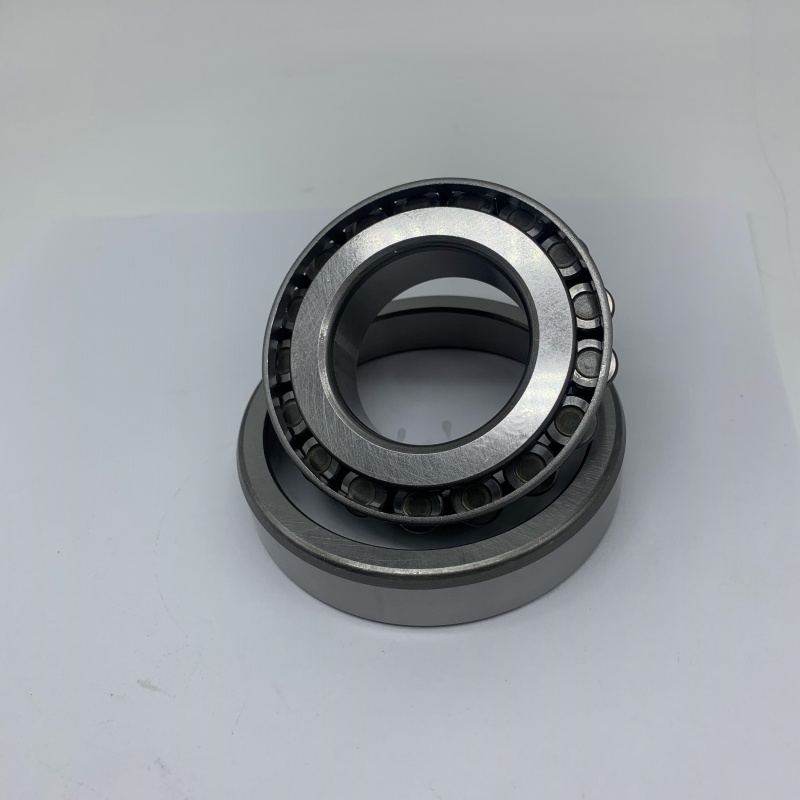
Let me show you real numbers from three different industries
I keep records of all our major client installations. Here is what the data shows after switching to FYTZ tapered rollers:
| Industry | Condition | Previous bearing life | New bearing life with tapered rollers |
|---|---|---|---|
| Mining | Heavy dust, shock loads | 2 months | 7 months |
| Food processing | High humidity, washdowns | 4 months | 12 months |
| Steel plant | Extreme heat (150°C+) | 1 month | 4 months |
Why tapered rollers handle heat better
Heat is a bearing killer. When metal gets hot, it expands. Expansion changes the internal clearance. Too much expansion, and the bearing gets stuck. Then it fails.
Tapered rollers have a design that handles expansion better. The cone shape allows for some growth without binding. The rollers can move slightly along the raceway. This movement absorbs the expansion. (https://www.timken.com/products/tapered-roller-bearings/advantages/)
I learned this lesson from a customer in Egypt. He runs a steel rebar factory. The temperature near his rollers often hits 200 degrees Celsius. He tried ceramic bearings. Too expensive. He tried standard steel bearings. They failed weekly. (https://www.skf.com/us/products/rolling-bearings/selection-and-application/operating-environments)
Then he tried our tapered rollers. We used a special heat-stabilized steel. We also increased the internal clearance. The bearings now run for four months. That is 16 times longer than before.
How dirt and dust affect bearing life
Dirt is like sandpaper inside your bearing. It scratches the surfaces. Scratches create more friction. More friction creates more heat. More heat causes failure.
Most bearings fail because of dirt. I see this every day. The dirt comes in through seals. Or it gets in during installation. Or it was already in the housing.
Tapered rollers have an advantage here. Their rolling action pushes dirt to the side. The dirt then falls out of the bearing area. This is different from ball bearings. Ball bearings trap dirt in the raceway grooves. Then the balls grind the dirt into the metal.
What our customers tell me
Rajesh, the procurement manager from India I mentioned earlier, sends me photos every month. He shows me bearings that failed from other brands. They are always full of dirt and rust. (https://www.skf.com/us/products/rolling-bearings/selection-and-application/operating-environments)
But the FYTZ tapered rollers he installed look different. Even after six months, they come out clean. The raceways are smooth. The rollers spin freely. (https://www.timken.com/products/tapered-roller-bearings/advantages/)
He told me on our last call, "I do not worry about bearings anymore." That is the best compliment I can get. (https://www.nsk.com/common/technology/pdf/en/BearingCage.pdf)
The bottom line on harsh conditions
If your machines work in dirty, hot, or wet places, you need tapered rollers. They are not magic. But they are tougher than any other bearing type for these conditions. I have seen the proof in factories across Turkey, Russia, Brazil, and Egypt.
Installation Best Practices for Maximum Reliability Gains?
Even the best bearing will fail if you install it wrong. I have seen brand new bearings die in one week because of bad installation. That hurts me to watch. It is like buying a race car and then filling it with cheap fuel.
Proper installation doubles tapered roller life. The key steps are correct preload adjustment, clean housing, and proper lubrication. Get these three things right, and your bearings will last as designed. Get them wrong, and you will see early failure.
The three most common installation mistakes
I visit my clients often. Sometimes I go to their warehouses. Sometimes I go to their customer sites. I see the same mistakes again and again.
Mistake one: Too much preload
Many mechanics think tighter is better. They crank down on the locking nut. This creates too much internal pressure. The rollers get squeezed. Then they overheat. Then they fail.
Here is the right way: Tighten until you feel the first resistance. Then back off a little. You want a small amount of drag when you spin the bearing. Not tight. Not loose. Just right.
Mistake two: Dirty housing
I cannot tell you how many dirty housings I have seen. Dust, old grease, metal shavings, even sand. All of this gets into your new bearing within minutes of starting the machine.
The fix is simple. Clean everything before you open the bearing package. Use a clean rag. Use brake cleaner. Blow out the housing with air. Then clean it again. Only then should you install your bearing.
Mistake three: Wrong grease
Grease is not all the same. High-speed bearings need thin grease. Heavy-load bearings need thick grease. Tapered rollers for heavy loads need high-viscosity grease with extreme pressure additives.
Check your machine manual. Or call me. I can tell you exactly what grease to use for your application.
Step by step installation guide for tapered rollers
Let me give you a simple checklist:
-
Inspect the housing – Look for scratches, dents, or rust. Fix any damage first.
-
Clean everything – Use solvent and lint-free cloths. No exceptions.
-
Check the shaft – Measure the diameter. It must match the bearing inner ring. Too loose or too tight will cause problems.
-
Apply light oil – A thin coat helps the bearing slide into place. Do not use grease for assembly. Grease is too thick.
-
Heat the bearing if needed – For interference fits, heat the bearing to 80-100°C. Never use a torch. Use an induction heater or an oil bath.
-
Slide the bearing on – Press only on the ring that is being fitted. Never press through the rollers.
-
Set the preload – Tighten the locknut by hand. Then use a wrench for a quarter turn more. Check the spin. Adjust as needed.
-
Add the grease – Fill the bearing 30% full for high speed. Fill 50% for normal use. Fill 80% for very slow, heavy loads.
-
Install the seal – Push the seal in straight. Damaged seals cause most contamination failures.
-
Test the rotation – The bearing should spin smoothly with no grinding or clicking sounds.
A story that proves good installation matters
Last year, a distributor in Vietnam bought 500 tapered rollers from me. He sent them to his customers. A week later, he called me angry. He said the bearings failed immediately.
I flew to Vietnam. I went to the customer site. I watched their mechanic install a new bearing. He hammered it on with a steel pipe. He used dirty grease. He overtightened the locknut.
I showed him the right way. We installed a new bearing together. It is still running today, eight months later.
The problem was not the bearing. The problem was the installation. So please, follow my steps. Your bearings will thank you.
Tools you need for proper installation
You do not need expensive tools. But you do need the right ones:
- Clean workbench
- Lint-free cloths
- Micrometer or caliper
- Induction heater (or clean oil and a pot)
- Soft-faced hammer
- Bearing puller
- Torque wrench
These tools cost less than one failed production day. Buy them. Use them.
Conclusion
Tapered rollers stop unexpected failures, handle tough loads, survive harsh conditions, and last longer. Install them right once, and you can stop worrying about bearings.