
Your dust collector fan keeps breaking down. The blower makes a grinding noise. You replace the pillow block bearing again.
Ordinary pillow block bearings fail fast in dust collection systems because fine dust gets past the seals. The dust mixes with grease and becomes an abrasive paste. For industrial blowers, choose bearings with contact seals, cast iron housings, and proper locking collars.
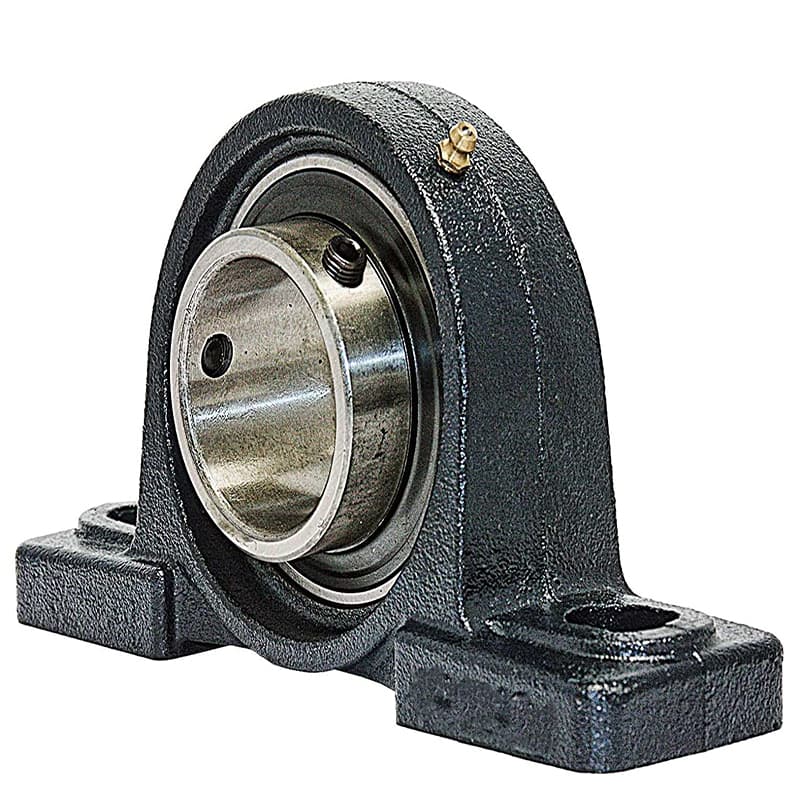
I have supplied pillow block bearings for dust systems in wood shops, cement plants, and grain elevators. Let me share what works. You will stop replacing bearings every few weeks.
Why Do Dust Collection Systems and Industrial Blowers Destroy Ordinary Pillow Block Bearings So Fast?
Dust collection fans move a lot of air. That air is full of fine particles. Those particles find their way into every gap. Ordinary bearings do not stand a chance.
Dust collection systems destroy ordinary bearings1 because the fan creates negative pressure2. That pressure pulls dust into the bearing housing. The fine particles act like sandpaper on the balls and raceways. Within weeks, the bearing loses its clearance and seizes.
[^3]](https://sdycbearing.com/wp-content/uploads/2025/12/Pillow-Block-Bearing-11.jpg)
The Negative Pressure Problem
Here is something many people do not realize. A dust collection fan creates suction. The inlet side of the fan is under negative pressure. That negative pressure pulls air from everywhere – including through the gaps in your bearing housing. Dust rides that air right into the bearing.
I saw this in a woodworking shop in Vietnam. Their dust collector fan used standard pillow block bearings with metal shields. The fan ran for one month. Then the bearings started screaming. We opened one. The grease was black with fine wood dust. The balls had deep scratches. The negative pressure had pulled dust through the shield gap.
A standard housing is not sealed tight. The gap between the shaft and the housing end cap is often 1-2 mm. That is a huge opening for dust. Under negative pressure, dust pours in.
The Abrasive Wear Cycle
Once dust gets inside, the damage starts immediately. Here is the cycle:
Step 1: Dust particles enter the bearing.
Step 2: The particles mix with the grease.
Step 3: The balls roll over the particles.
Step 4: The particles scratch the raceway and balls.
Step 5: The scratches create more loose metal particles.
Step 6: Those metal particles cause even more wear.
This cycle accelerates fast. What starts as fine dust becomes a grinding paste. The bearing clearance increases. The noise gets louder. The bearing runs hot. Then it fails.
I had a customer in India with a cement plant dust collector. His pillow block bearings failed every 6-8 weeks. Each failure cost him a day of production. He thought the bearings were bad quality. But the real problem was dust ingestion.
High Speed Makes It Worse
Industrial blowers run at high speeds3 – often 2,000 to 3,600 rpm. At that speed, any dust inside the bearing does more damage. The balls hit the particles with more force. The wear rate goes up exponentially.
Here is a table showing how dust concentration and speed affect bearing life:
| Dust Level | Fan Speed (rpm) | Expected Life with Standard Bearing | Expected Life with Sealed Bearing |
|---|---|---|---|
| Low (office air) | 1,500 | 5+ years | 5+ years |
| Medium (light dust) | 2,000 | 6-12 months | 2-3 years |
| High (wood shop) | 2,500 | 1-3 months | 8-12 months |
| Very high (cement plant) | 3,000 | 2-6 weeks | 4-6 months |
| Extreme (grain elevator) | 3,600 | 1-3 weeks | 2-4 months |
You see the pattern. Standard bearings fail fast. Better bearings last longer but still need protection.
So the first step is admitting that dust collection systems are a special case. You cannot use cheap bearings.
What Seal Configurations Keep Dust Out of Pillow Block Bearings in High-Particle Environments?
Seals are your first line of defense. But a single seal is often not enough. For dust collection systems, you need multiple barriers.
To keep dust out of pillow block bearings1, use a bearing with contact rubber seals2 (2RS) plus a housing with labyrinth or felt seals4 on both sides. The combination creates a multi-stage barrier. For extreme dust, add an external flinger or purged air connection.
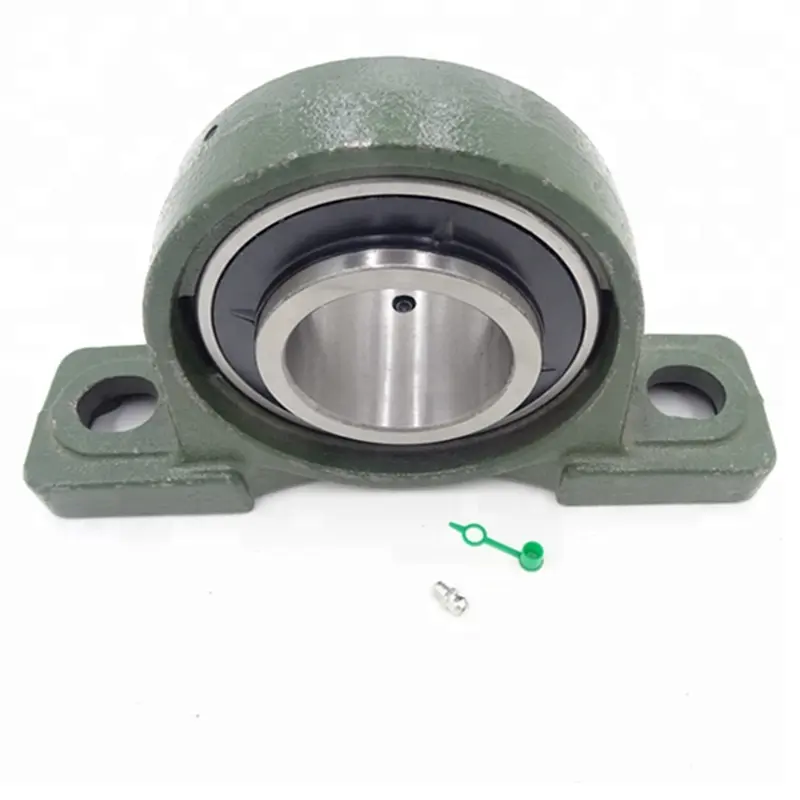
The Bearing Seal – Your Inner Barrier
The bearing insert itself should have contact seals. Look for bearings with the 2RS designation. That means two rubber seals, one on each side of the bearing. The seal lip touches the inner ring. This stops most dust from reaching the rolling elements.
But here is a common mistake. Some pillow block bearings come with ZZ (metal shield) inserts. Do not use those in dust collection. The gap in the metal shield lets dust through. I have seen too many customers make this error.
I recommend bearings with a triple-lip seal3 for very fine dust like cement or carbon black. The extra lip gives more protection.
The Housing Seal – Your Outer Barrier
The pillow block housing has its own seals. These fit into the housing end caps and rub against the shaft. There are several types:
Felt seals are cheap and work for dry dust. Felt absorbs oil, which helps trap dust. But felt wears out over time.
Labyrinth seals have a series of grooves. The dust has to travel through a maze to get in. Most of it falls out before reaching the bearing. Labyrinth seals are very good for fine dust.
Contact rubber seals on the housing work like bearing seals. They touch the shaft. They keep out dust and moisture well. But they create more friction and heat.
Here is a comparison table:
| Seal Type | Dust Protection | Friction | Lifespan | Cost | Best For |
|---|---|---|---|---|---|
| Felt | Medium | Low | 1-2 years | Low | Dry, non-abrasive dust |
| Labyrinth | High | Very low | 5+ years | Medium | Fine dust, high speed |
| Contact rubber | Very high | Medium | 3-5 years | Medium | Wet or sticky dust |
| Double lip labyrinth | Very high | Low | 5+ years | High | Extreme dust, cement |
I had a customer in Egypt with a cement dust collector. He used standard pillow blocks with felt seals4. The felt wore out in 3 months. Dust got in. He switched to housings with labyrinth seals5. The same bearings lasted 18 months. The labyrinth seals did not wear out because there was no contact.
The Flinger – An Extra Layer
Some pillow block housings have a flinger. This is a rotating disc attached to the shaft. It spins and throws dust away from the housing opening. It works well for dry dust.
For really tough conditions, you can use an air purge. You connect a small line of compressed air to the housing. The air flows out through the seals, pushing dust away. This is expensive but very effective.
I installed an air purge system6 on a blower in a grain elevator in Brazil. The dust was explosive fine grain dust. The bearings had lasted 2 months. With air purge, they lasted 3 years. The customer paid for the system in 4 months of saved downtime.
A Practical Recommendation
For most dust collection systems, I recommend:
- Bearing insert: 2RS (contact rubber seals)
- Housing: Cast iron with labyrinth seals on both sides
- Grease: High-viscosity (ISO VG 220) with EP additives
This combination stops 95% of dust. Your bearing life will double or triple.
How to Choose Between Cast Iron and Stainless Steel Housings for Corrosive Dust?
The housing material matters. Some dust is not just dirty – it is corrosive. Fertilizer dust, chemical dust, or salt-laden air will attack the housing.
Choose cast iron1 for dry, non-corrosive dust2 like wood or grain. Choose stainless steel or coated cast iron4 for corrosive dust like fertilizer, chemicals, or outdoor coastal installations. Stainless costs more but prevents rust that can seize the bearing.
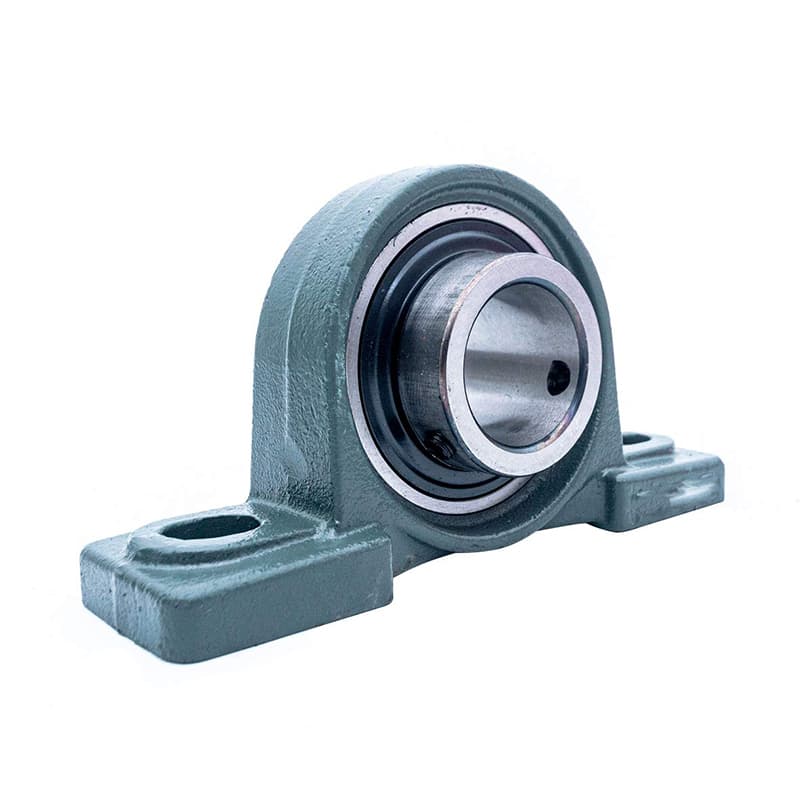
Cast Iron – The Standard Choice
Cast iron is strong, cheap, and good at damping vibration. For most dry dust applications, it works fine. But cast iron rusts. If your dust is hygroscopic (attracts water) or if your blower is outdoors, cast iron will develop rust.
Rust on the housing is not just ugly. It can flake off and fall into the bearing. It can also distort the housing bore. The bearing insert may not fit properly. The locking collar may seize.
I had a customer in Indonesia with a dust collector near the ocean. The salt air rusted the cast iron housings in 6 months. The rust pushed on the bearing insert and made it hard to remove. We switched to stainless steel housings3. The rust stopped.
Stainless Steel – For Corrosive Environments
Stainless steel housings (usually 304 or 316) resist rust. They are the best choice for:
- Outdoor installations near salt water
- Fertilizer plants (ammonia and urea)
- Chemical processing
- Food plants with frequent washdowns
- Any place with high humidity plus corrosive dust
The downside is cost. A stainless pillow block costs 3-5 times more than cast iron. Also, stainless is softer than cast iron. It can scratch more easily. But for corrosion resistance, it is worth it.
Here is a comparison table:
| Property | Cast Iron (Grey) | Ductile Iron | Stainless 304 | Stainless 316 |
|---|---|---|---|---|
| Corrosion resistance | Poor | Poor | Good | Very good |
| Strength | Medium | High | Medium | Medium |
| Vibration damping | Excellent | Good | Poor | Poor |
| Cost | Low | Medium | High | Very high |
| Best for | Dry, indoor | Heavy loads, shocks | Outdoor, mild chemicals | Salt water, strong chemicals |
Coated Cast Iron – A Middle Option
Some manufacturers offer cast iron housings with a coating. Epoxy coating, zinc plating, or nickel plating. These add corrosion resistance at a lower cost than stainless.
I have used epoxy-coated housings in a fertilizer warehouse. The coating lasted 2 years before peeling. Uncoated cast iron would have rusted in 6 months. The coated option cost 50% more than plain cast iron but 60% less than stainless. It was a good balance.
But be careful. Coatings can scratch. Once scratched, rust starts under the coating. For long-term outdoor use, stainless is still better.
How to Decide – A Simple Flow Chart
Ask yourself three questions:
-
Is the dust corrosive? (Fertilizer, chemicals, salt) → Yes: go to stainless or coated. No: cast iron is fine.
-
Is the blower outdoors? → Yes: consider stainless or coated. No: cast iron okay.
-
Is there frequent washdown with water or chemicals? → Yes: stainless required. No: cast iron or coated.
For most indoor dust collection in wood, paper, or grain, cast iron is fine. For cement plants (cement dust is alkaline), cast iron works but expect some surface rust. For fertilizer or chemical plants, spend the money on stainless.
I remember a customer in Pakistan with a chemical dust collector. He used cast iron housings. The acid vapors ate the housings in 4 months. The bearing fell out of the corroded housing. He switched to 316 stainless. No more problems.
How to Extend Pillow Block Bearing Life with Proper Mounting, Alignment, and Maintenance?
Even the best bearing will fail if you mount it wrong. Dust collection blowers vibrate. Misalignment is common. You need to do a few things right.
To extend pillow block bearing1 life, mount the housing on a flat surface, align the shaft within 0.05 mm tolerance, use the correct locking collar tightening torque, and regrease every 3-6 months with high-quality grease. Do not overtighten belts.
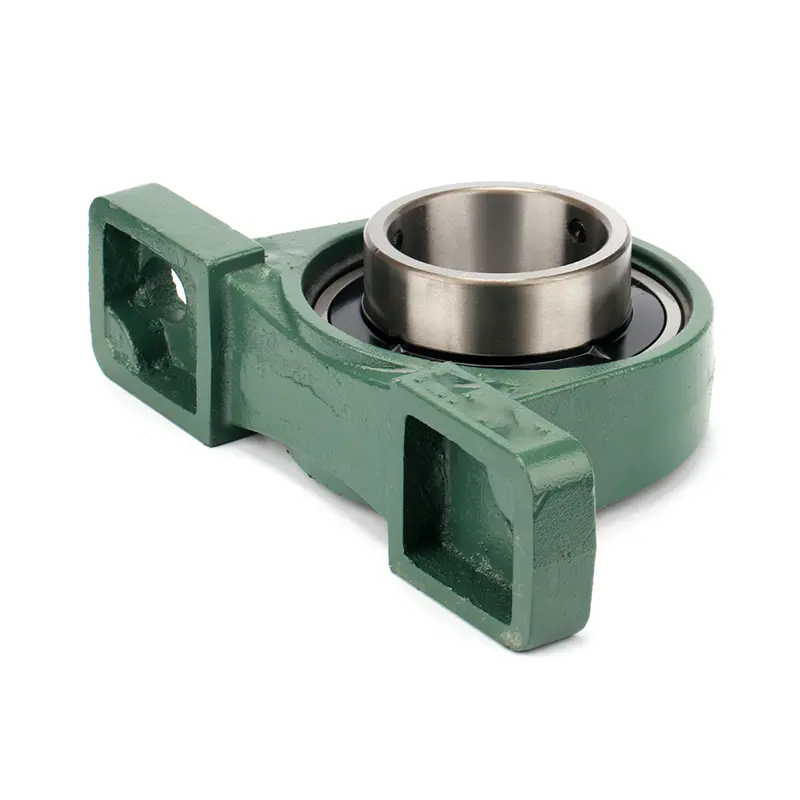
Mounting – The Foundation
The pillow block housing must sit on a flat, rigid surface. If the mounting surface2 is warped, the housing will distort. The bearing bore will go out of round. The balls will get squeezed. The bearing will fail fast.
I saw this in a factory in Turkey. They mounted a pillow block on a bent steel plate. The housing twisted. The bearing ran hot and failed in 2 weeks. We put a flat machined plate under the housing. The next bearing lasted 2 years.
Use a feeler gauge to check for flatness. The gap between the housing base and the mounting surface should be less than 0.05 mm. If it is more, use shims to level it.
Alignment – Shaft to Shaft
In a blower, the motor shaft and the fan shaft must be aligned. Use a laser alignment tool4 or a dial indicator. The angular misalignment should be under 0.05 mm per 100 mm of shaft length. The parallel offset should be under 0.05 mm.
Misalignment creates extra load on the bearing. That load can be as high as the belt tension. The bearing runs hot. The seals wear unevenly. Dust gets in.
I had a customer in Brazil with a dust collector fan. His pillow block bearings failed every 3 months. I checked the alignment. The motor and fan were off by 0.4 mm. We realigned them. The next set of bearings lasted 14 months.
Locking Collar – Do Not Overdo It
Most pillow block bearings use an eccentric locking collar3. You turn the collar to lock the bearing onto the shaft. Many people overtighten it. They hammer it too hard. This distorts the bearing inner ring. The balls get squeezed. The bearing fails.
The correct method: Turn the collar by hand in the direction of shaft rotation. Then tap it lightly with a punch and hammer – just one or two light taps. Then tighten the set screw. That is enough.
I have seen people hammer the collar until the inner ring cracks. Do not be that person.
Belt Tension – A Common Killer
Blowers use belts. People overtighten belts to prevent slipping. Overtight belts put huge radial loads on the bearings. The load can exceed the bearing’s rating.
Use a belt tension gauge5. For most V-belts, the deflection should be about 1/64 of the span length per 1 kg of force. When in doubt, a little loose is better than a little tight.
I remember a customer in Russia with a blower. He kept the belts very tight. His pillow block bearings failed every 6 weeks. I told him to loosen the belts. He did. The same bearings lasted 8 months. The belts did not slip because he used good quality belts.
Regreasing Schedule – Do Not Forget
Even sealed bearings need regreasing in dusty environments. The dust eventually contaminates the grease. You need to push out the old grease.
For dust collector blowers, I recommend:
- Normal dust: regrease every 6 months
- Heavy dust: regrease every 3 months
- Very fine dust (cement, toner): regrease monthly
Use a grease gun with measured shots. For a standard pillow block (bearing size 205-210), 3-5 grams of grease is enough. Pump slowly. Stop when you see clean grease coming out of the seal.
I had a customer in India who never regreased his pillow blocks. The bearings failed every 4 months. He started a regreasing schedule every 3 months. The bearing life went to 14 months.
Here is a maintenance checklist6 for dust collector pillow block bearings:
| Task | Frequency | Tool |
|---|---|---|
| Check for unusual noise | Daily | Ears |
| Check housing temperature (should be under 70°C) | Weekly | Infrared thermometer |
| Check belt tension | Monthly | Belt tension gauge |
| Check alignment | Every 6 months | Laser alignment tool |
| Regrease | 3-6 months | Grease gun |
| Replace seals | Annually or when damaged | Visual inspection |
Follow these steps, and your pillow block bearings will survive the dust.
Conclusion
For dust collection blowers, use 2RS bearing inserts, labyrinth seals, cast iron for dry dust or stainless for corrosive dust. Mount flat, align well, and regrease regularly.
-
Understanding pillow block bearings is crucial for effective maintenance and longevity. ↩ ↩ ↩ ↩
-
A flat mounting surface is essential for bearing performance; learn how to achieve it. ↩ ↩ ↩ ↩
-
Learn about the function of eccentric locking collars to avoid common installation mistakes. ↩ ↩ ↩ ↩
-
Using the right alignment tool can significantly extend bearing life; explore your options. ↩ ↩ ↩ ↩
-
Proper belt tension is vital for bearing health; find out how to measure it accurately. ↩ ↩
-
A comprehensive maintenance checklist ensures all critical tasks are completed for bearing longevity. ↩ ↩
