
You buy a bearing. It fails after three months. The grease is black. The balls are rusty. You wonder what went wrong.
Seal quality matters because the seal is the only thing keeping dirt and moisture out of your bearing. A poor seal lets in contaminants that destroy the grease and rust the steel. A good seal doubles or triples bearing life, especially in dusty or wet conditions.
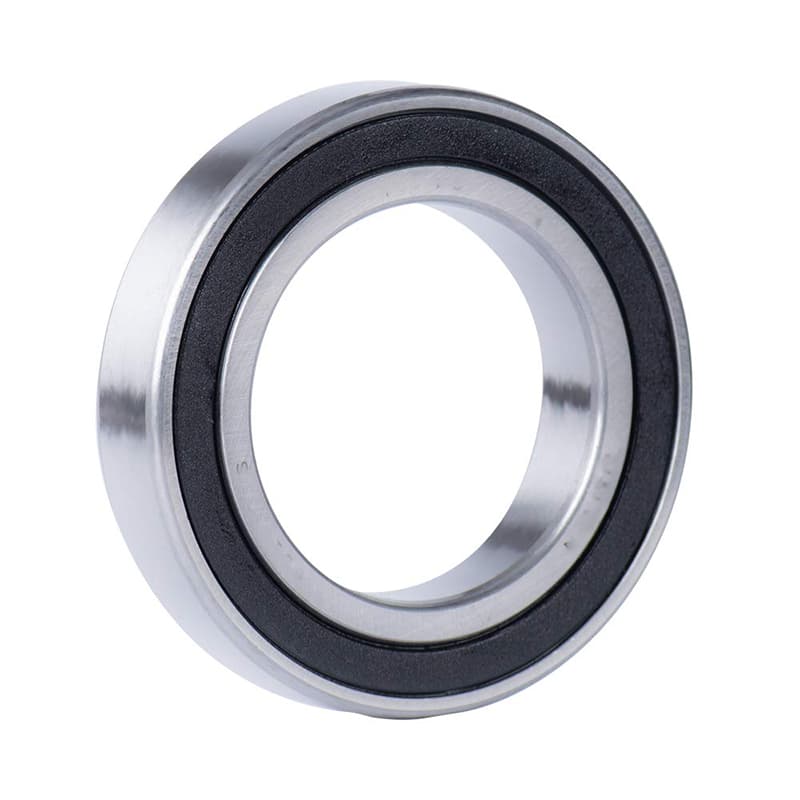
I have seen thousands of failed bearings in my work. Most failures start at the seal. Let me show you why seals are so important and how to pick the right one.
What Happens to a Deep Groove Ball Bearing When the Seal Fails?
A seal failure1 does not happen all at once. It starts with a small leak. Then the damage builds slowly. By the time you hear noise, it is often too late.
When a seal fails, dust and moisture enter the bearing. The dust mixes with the grease and turns into an abrasive paste. The moisture rusts the raceways and balls. The bearing gets noisy, runs hot, and eventually seizes. All of this happens much faster than you expect.
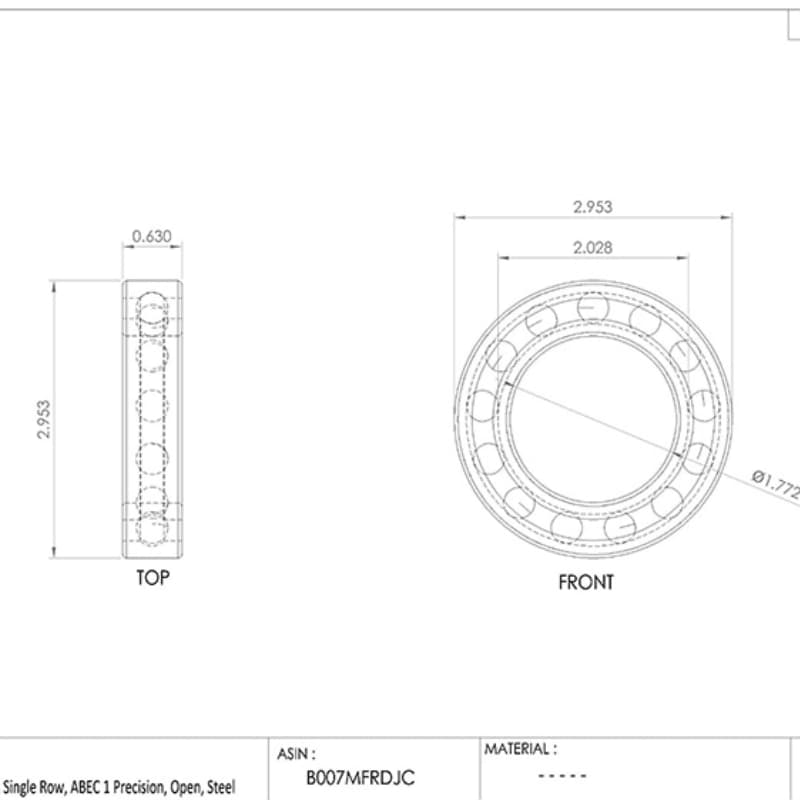
The Four Stages of Seal Failure
I have broken down seal failure into four stages. You can see them happening if you know what to look for.
Stage 1 – The Seal Lip Wears or Cracks. The rubber lip that touches the inner ring gets hard or wears down. This happens from heat, chemicals, or just age. A small gap opens up. At first, only very fine dust gets in.
Stage 2 – Contaminants Enter the Bearing. Dust particles are smaller than you think. A gap of just 0.1 mm lets in thousands of particles per hour. These particles mix into the grease. The grease changes color from light brown to gray or black.
Stage 3 – Abrasive Wear Starts. The hard dust particles roll between the balls and raceways. They act like sandpaper. The surface finish gets rough. The bearing loses its smooth operation. You might hear a grinding noise.
Stage 4 – Total Failure. The raceway develops pits and grooves. The balls become out of round. The clearance increases. The bearing runs hot and loud. Finally, it seizes or breaks apart.
I had a customer in India with a flour mill. His bearings failed every two months. I opened a failed 6204 bearing. The seal lip was hard and cracked. The grease was black with flour dust. The raceway had deep grooves. He switched to a better quality 2RS bearing with a flexible rubber seal. The same bearing lasted 14 months.
What You See When a Seal Fails – A Checklist
Here is what to look for on a failed bearing. Each sign points to a seal problem.
| Sign of Seal Failure | What It Means | How to Confirm |
|---|---|---|
| Grease is black or gray | Fine dust has entered | Open the bearing, wipe grease on white paper |
| Grease is brown or rusty | Moisture has entered | Smell for rust, check for orange stains |
| Seal lip is hard or cracked | Heat or chemical damage | Press the lip with a fingernail – it should be soft |
| Seal lip has a gap | Wear or wrong installation | Look at the lip under bright light |
| Bearing makes grinding noise | Abrasive wear inside | Spin the bearing by hand, feel for roughness |
| Raceway has dull, matte finish | Polishing from dust | Compare to a new bearing’s shiny finish |
I remember a customer in Bangladesh who ran a textile mill. His bearings made a grinding noise after only one month. I checked the seal. The rubber was still soft. But there was a gap because the housing had a sharp edge that cut the seal during installation. We fixed the housing edge. The next set of bearings lasted two years.
The Cost of a Failed Seal
A seal costs almost nothing. A bearing costs a few dollars. But the real cost is downtime. Let me give you an example.
A conveyor motor in a warehouse stops. The bearing seal failed. Dust got in. The bearing seized. The line stops for two hours. Two mechanics work overtime. The lost production is $2,000. The new bearing costs $5. The seal that failed cost maybe $0.10 of the bearing price.
So spending a little more on a bearing with a good seal is one of the smartest investments you can make.
What Are the Differences Between ZZ, 2RS, and Other Seal Types for Long Life?
Not all seals are the same. You have choices. Each type has a different level of protection. Picking the wrong one for your environment will shorten bearing life.
ZZ bearings1 have metal shields with a small gap. They keep out large particles but let in fine dust and moisture. 2RS bearings2 have rubber seals that touch the inner ring. They keep out most contaminants. For long-term use in dirty or wet places, 2RS is far better than ZZ.
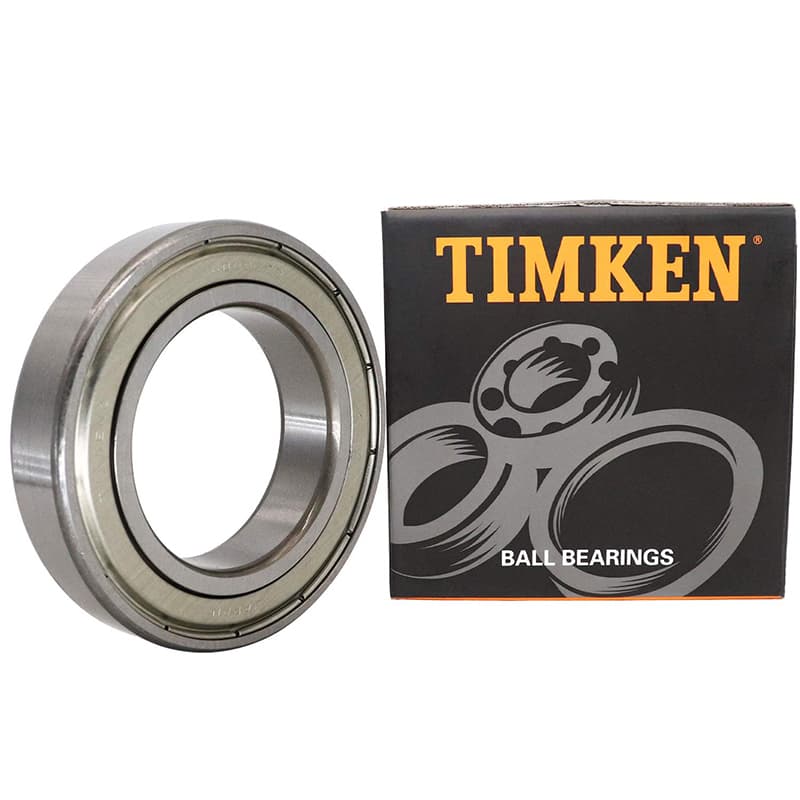
Metal Shields3 (ZZ) – The Gap Problem
ZZ bearings have two metal shields, one on each side. The shield is stamped steel. It snaps into a groove in the outer ring. There is a small gap between the shield and the inner ring. That gap is typically 0.2 to 0.5 mm.
That gap is a problem. Fine dust like cement, flour, or carbon black goes right through. Water vapor also goes through. In a humid environment, moisture enters and rusts the bearing.
When should you use ZZ? Only in clean, dry, indoor environments. For example, a bearing inside a computer fan or a small electric motor in an office. For industrial use, ZZ is usually a bad choice.
I had a customer in Egypt who used ZZ bearings on conveyor rollers in a cement plant. The cement dust is very fine. It got past the metal shields. The grease turned into a hard paste. The bearings failed in two months. He switched to 2RS bearings. They lasted 10 months.
Rubber Contact Seals4 (2RS) – The Best Protection
2RS bearings have two rubber seals. The seal lip touches the inner ring. There is no gap. Dust and moisture cannot enter easily. The rubber also creates a barrier against splashing water.
The downside? More friction. A 2RS bearing runs slightly hotter than a ZZ bearing at high speeds. But for most industrial machines running under 5,000 rpm, the difference is small.
I recommend 2RS as the default for almost all long-term use applications. The extra protection is worth the tiny loss in speed.
Here is a comparison table of common seal types:
| Seal Type | Abbreviation | Gap | Dust Protection5 | Water Protection6 | Speed Limit | Best For |
|---|---|---|---|---|---|---|
| Open | None | Full open | None | None | Highest | Oil bath lubrication |
| Metal shield (one side) | Z | 0.2-0.5 mm | Low | None | High | Clean, dry, low dust |
| Metal shields (both sides) | ZZ | 0.2-0.5 mm | Low | None | High | Clean, dry, low dust |
| Rubber seal (one side) | RS | None (contact) | Good | Moderate | Medium | Moderate dust, occasional moisture |
| Rubber seals (both sides) | 2RS | None (contact) | Very good | Good | Medium | Dusty, wet, outdoor |
| Light contact seal | 2RZ | Very small | Medium | Low | Medium-high | Low dust, higher speed |
| Triple lip seal | Special | None | Excellent | Excellent | Low | Constant water spray, heavy dust |
Special Seals for Extreme Conditions
Some applications need more than standard 2RS. For example, a bearing in a food washdown line gets sprayed with hot water and detergent. A standard 2RS seal may leak over time.
For these cases, you can get bearings with:
- FKM (Viton) seals7 – Resistant to chemicals and high heat
- Triple lip seals8 – Three rubber lips for extra protection
- PTFE (Teflon) seals – Very low friction and chemical resistance
- Contact seals with steel insert – Stronger and keeps shape under pressure
I had a customer in Vietnam with a fish processing line. The bearings got washed with salt water and bleach every day. Standard 2RS bearings lasted 2 months. We switched to bearings with FKM seals and a steel insert. They lasted 10 months. The cost was higher, but the savings in downtime were huge.
A Simple Rule for Long-Term Use
- Clean, dry indoor → ZZ is okay, but 2RS is still better
- Dusty (cement, wood, flour) → 2RS required
- Outdoor or humid → 2RS required
- Water splashes or washdowns → 2RS with FKM seal
- High speed (over 5,000 rpm) → Test 2RS first; if too hot, use ZZ with more frequent replacement
I personally tell my customers: when in doubt, choose 2RS. The small extra cost pays back many times over in longer bearing life.
How Does Seal Material (NBR, FKM, PTFE) Affect Bearing Longevity?
The rubber that makes the seal matters as much as the seal design. Different materials handle heat, chemicals, and wear differently. Choose the wrong material, and your seal will harden, crack, or melt.
Seal material affects bearing longevity because the material must survive the operating temperature1 and chemical environment. NBR (nitrile)2 works for normal conditions up to 100°C. FKM (Viton)3 works for high heat and chemicals up to 200°C. PTFE (Teflon)4 works for extreme chemicals but has higher friction.
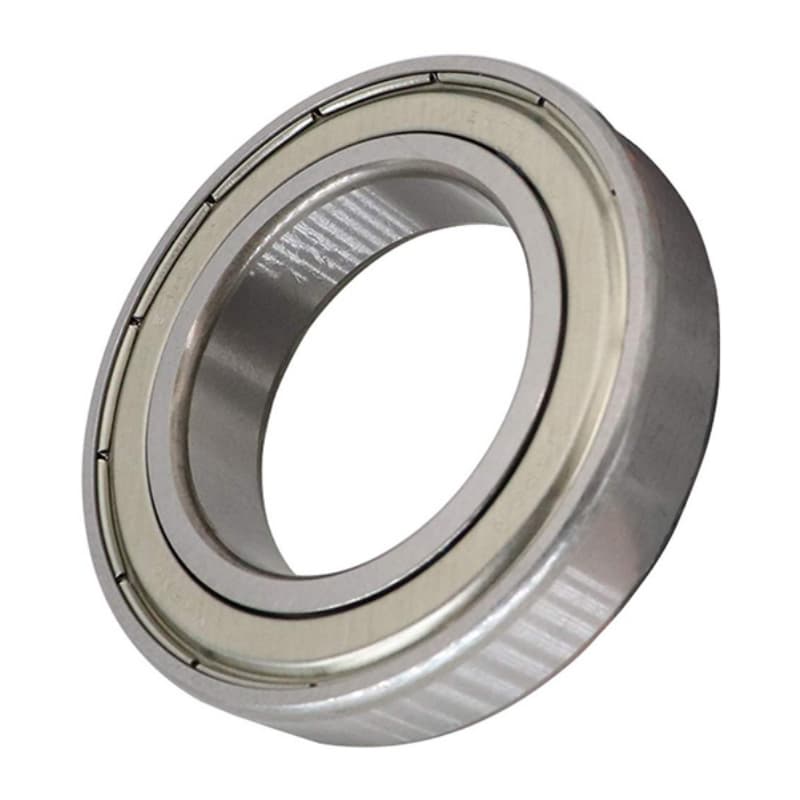
NBR (Nitrile) – The Standard Choice
NBR is the most common seal material. It is cheap and works well for most applications. It handles mineral oils, grease, and water. It works from -30°C to +100°C.
But NBR has limits. It hardens when exposed to high heat for a long time. It swells in some chemicals like brake fluid or phosphate esters. It also degrades in ozone and sunlight.
For a normal conveyor motor in a factory, NBR is fine. For a bearing near a furnace or a chemical tank, you need better.
I saw a customer in Turkey with a bearing on an oven conveyor. The temperature near the bearing was 120°C. NBR seals hardened and cracked after 3 months. We switched to FKM seals. They lasted 18 months.
FKM (Viton) – For Heat and Chemicals
FKM is a fluoroelastomer. It resists high heat (up to 200°C continuous, 230°C intermittent). It also resists many chemicals – acids, oils, fuels, and solvents. FKM does not harden easily.
The downsides? FKM costs 5-10 times more than NBR. It also has higher friction. And FKM can be damaged by some brake fluids and amines.
When should you use FKM?
- Operating temperature over 100°C
- Exposure to diesel, gasoline, or solvents
- Acid or chemical vapors
- Outdoor UV exposure (FKM resists ozone better)
I had a customer in Russia with a bearing in a chemical pump. The pump handled a solvent that attacked NBR. The seals swelled and fell out. We replaced with FKM seals. The problem stopped.
Here is a table comparing seal materials:
| Property | NBR (Nitrile) | FKM (Viton) | PTFE (Teflon) |
|---|---|---|---|
| Max continuous temperature | 100°C | 200°C | 260°C |
| Min temperature | -30°C | -20°C | -70°C |
| Chemical resistance | Good (oils, water) | Excellent (many chemicals) | Excellent (almost all) |
| Abrasion resistance | Good | Good | Poor (soft) |
| Friction | Low | Medium | Very low (with fillers) |
| Cost | Low | High | Very high |
| Best for | General use | High heat, chemicals | Extreme chemicals, low friction |
PTFE (Teflon) – For Extreme Chemicals
PTFE is not a rubber. It is a plastic. It does not melt. It resists almost every chemical – acids, bases, solvents, fuels. It works from -70°C to +260°C.
But PTFE has a big problem. It does not stretch. So PTFE seals are not lip seals. They are usually spring-energized or labyrinth designs. They also have higher leakage than rubber seals because they do not conform as well.
I rarely recommend PTFE for standard bearings. It is expensive and overkill for most jobs. Only use it for bearings in strong acids or high-purity applications.
How to Identify the Seal Material
You cannot always tell by looking. But here are some tips:
- NBR is black and feels soft and rubbery.
- FKM is also black but feels denser and less sticky. A simple test: burn a small piece. NBR burns with a smell of burnt hair. FKM self-extinguishes and smells like burnt plastic.
- PTFE is white or off-white and feels waxy and slippery.
Ask your supplier for the seal material. A good supplier will tell you. At FYTZ, we clearly mark seal material on our datasheets.
The Cost of Wrong Seal Material
A customer in Indonesia used NBR seals on bearings in a palm oil mill. The mill had high heat and acid vapors. The NBR seals hardened in 4 months. He switched to FKM seals. They lasted 2 years. The FKM bearings cost 20% more. But he saved 5 bearing changes over two years. That was a huge net saving.
So do not just take the default. Match the seal material to your environment.
Why Do Even Good Seals Need the Right Grease and Fill Level to Work?
A seal is only half the story. The grease inside the bearing works together with the seal. Put in the wrong grease or the wrong amount, and even a perfect seal will fail.
A good seal needs the right grease1 because the grease helps block contaminants. The grease should fill 25-35% of the free space. Too little grease leaves room for dust to enter. Too much grease creates heat and pressure that pushes the seal open.
[^2] for sealed bearings](https://sdycbearing.com/wp-content/uploads/2025/12/Deep-Groove-Ball-Bearing-52.jpg)
The Grease Acts as a Second Seal
When a bearing spins, the grease moves around inside. It coats the balls and raceways. It also collects near the seal lips. That grease acts as a barrier. Dust that gets past the first lip gets trapped in the grease.
If the grease is too thin or too old, it does not trap dust well. The dust reaches the rolling elements. Then the damage starts.
I had a customer in Brazil with a bearing in a sandblasting machine. The dust was very fine. He used a good 2RS bearing. But the grease was a cheap lithium grease with low viscosity. After 2 months, dust had passed through the seal and mixed into the grease. The bearing failed. We switched to a thicker grease with higher viscosity (ISO VG 220). The same seal now lasted 8 months. The grease was the missing piece.
The Fill Level – Not Too Little, Not Too Much
Many people think more grease is better. It is not. Too much grease causes problems.
Too little grease (under 20% fill) – There is not enough grease to block the seal. Dust can enter more easily. The bearing may run dry early.
Correct fill (25-35%) – The grease coats everything. There is enough to trap dust. The bearing runs at normal temperature.
Too much grease (over 40%) – The bearing churns the excess grease. This creates heat. The heat makes the grease thinner. It may leak past the seal. The pressure can also push the seal open.
Here is a table showing fill level effects:
| Fill Level | Temperature Rise | Dust Blocking | Risk of Leakage | Best For |
|---|---|---|---|---|
| 15-20% | Low | Poor | Low | High speed, clean |
| 25-35% | Low-Medium | Good | Low | Most industrial |
| 35-45% | Medium | Very good | Medium | Slow speed, heavy dust |
| Over 45% | High | Overkill | High | Not recommended |
I tested this in my workshop. I took three identical 6204 2RS bearings. One had 20% grease fill. One had 30%. One had 50%. I ran them at 3,000 rpm. The 50% fill bearing ran 12°C hotter than the 30% fill bearing. After 100 hours, the 50% fill bearing had grease leaking from the seal. The 30% fill bearing was clean and quiet.
What Grease Works Best with Seals?
For long-term sealed bearings, you need a grease that:
- Does not separate (no oil bleeding)
- Does not harden over time
- Works at your operating temperature
- Has good adhesion to stay near the seal lips
I recommend:
- Lithium complex for normal temperatures (up to 120°C)
- Polyurea for high temperatures (up to 150°C) and long life
- Calcium sulfonate for wet or corrosive environments
Also look for a grease with good mechanical stability. The grease should not break down from the churning action. Ask for the ASTM D18313 (roll stability) test result. A good grease loses less than 5% of its consistency after 100 hours.
How Bearing Manufacturers Control Fill Level
Not all factories control fill level carefully. Some just pump grease until it comes out. That leads to overfilling.
At FYTZ, we measure grease fill by weight. We calculate the free space in the bearing. Then we add exactly 25-35% by volume. This gives consistent performance.
When you buy bearings, ask the supplier about their grease fill process. If they cannot tell you, be careful.
The Seal-Grease Combination for Long Life
For long-term use, you want:
- 2RS seals4 (rubber contact)
- FKM material if hot or chemical
- Polyurea grease
- 30% fill level
- NLGI grade 25
I have seen this combination keep a bearing running for 5 years in a moderately clean factory. The same bearing with poor seals and wrong grease lasted 6 months.
So do not ignore the grease. It is the seal’s best friend.
Conclusion
Seal quality makes or breaks bearing life. Pick 2RS, choose the right material (FKM for heat), and match it with the correct grease fill. Your bearings will last years longer.
Tags: #BearingSeals #DeepGrooveBallBearings #2RS #FKMSeals #BearingLubrication
-
Understanding the right grease can significantly enhance the performance and lifespan of your bearings. ↩ ↩ ↩ ↩
-
Exploring fill level insights can help you optimize your bearing setup for better efficiency. ↩ ↩
-
Learning about the ASTM D1831 test can ensure you choose a grease that maintains its performance over time. ↩ ↩ ↩
-
Exploring the benefits of 2RS seals can enhance your understanding of effective sealing solutions. ↩ ↩ ↩
-
Understanding NLGI grades can help you select the right grease consistency for your bearings. ↩ ↩
-
Discover how different seals provide water protection and their significance in various environments. ↩
-
Explore the benefits of FKM seals, especially in high heat and chemical resistance applications. ↩
-
Understand the unique features of Triple lip seals and when to use them for extreme conditions. ↩