
Humid storage ruins pillow block bearings fast. You lose money and trust.
Pillow block bearings rust in high humidity when moisture touches unprotected steel surfaces. You can stop rust by choosing corrosion-resistant materials, adding protective coatings, sealing bearings properly, controlling storage humidity, and using desiccants or VCI products.

You might think rust is just a small problem. But I have seen distributors lose whole containers of bearings because of one rainy season. Let me show you exactly how to avoid that.
Understanding Why Pillow Block Bearings Rust in Humid Storage?
Most people blame the rain. But the real cause is much simpler.
Rust happens when three things meet: iron (steel), oxygen, and water. Humid air gives water. Storage gives time. Bearings give steel. That is the full formula.
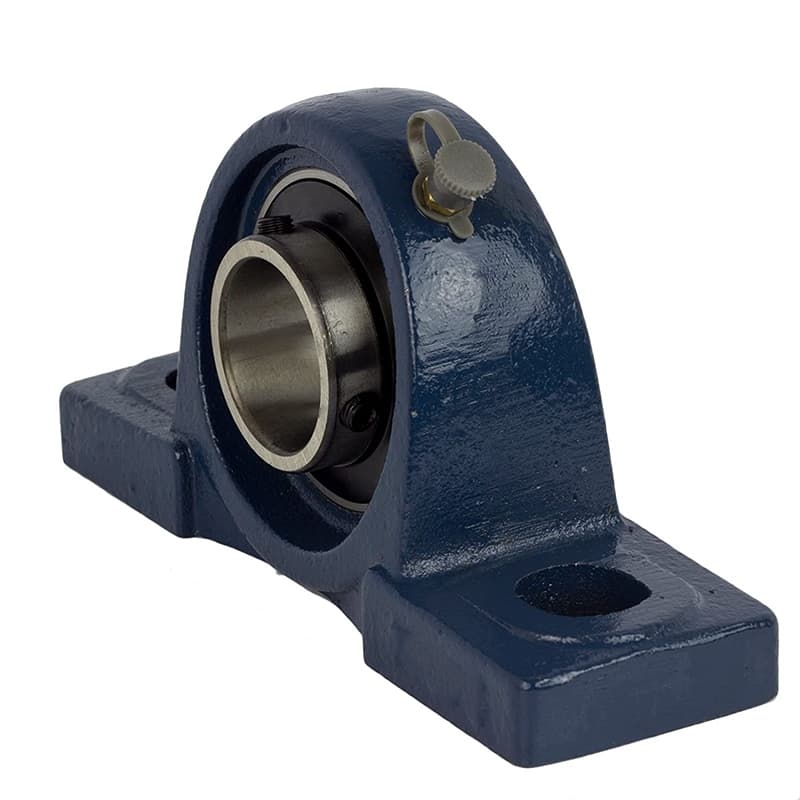
The Three Hidden Enemies Inside Your Warehouse
I have talked to many procurement managers like Rajesh. They often think rust comes from roof leaks or floods. But the truth is more sneaky. Let me break down the real risks.
| Enemy | What It Is | Why It Damages Bearings |
|---|---|---|
| Condensation1 | Water forms when warm air hits cold metal | This happens overnight. You never see it. But water sits on bearing surfaces for hours. |
| Hygroscopic dust2 | Dust that pulls water from air | Dust lands on grease. Grease holds water. Water touches steel. Rust starts. |
| Temperature swings3 | Hot day, cool night | Air breathes in and out of packaging. Moisture builds up inside sealed bags. |
I remember one customer from Indonesia. He stored 500 pillow block bearings in a metal container. Daytime was 35°C. Night dropped to 24°C. After two months, every bearing had orange rust on the raceways. He asked me what went wrong. I told him: "Your container acted like a water pump."
Why Grease Alone Will Not Save You
Many buyers think factory grease protects against rust. That is only half true. Grease works well when the bearing rotates. But in storage, the bearing sits still. Grease can crack. It can drain away from high points. Moisture finds those dry spots.
Here is a simple test. Take a greased bearing. Leave it in a humid room for 30 days. Then open it. You will see rust lines exactly where the grease was thinnest. I have done this test with my own stock. The results never lie.
So do not trust grease as your only shield. You need a full plan.
Choosing Rust-Resistant Materials and Coatings for Bearings
You can buy bearings that fight rust from day one. The choice starts with the steel.
The best way to prevent rust is to pick stainless steel pillow block bearings1. If stainless is too expensive, choose chrome-plated or zinc-nickel coated housings with anti-rust oil on the insert bearing.
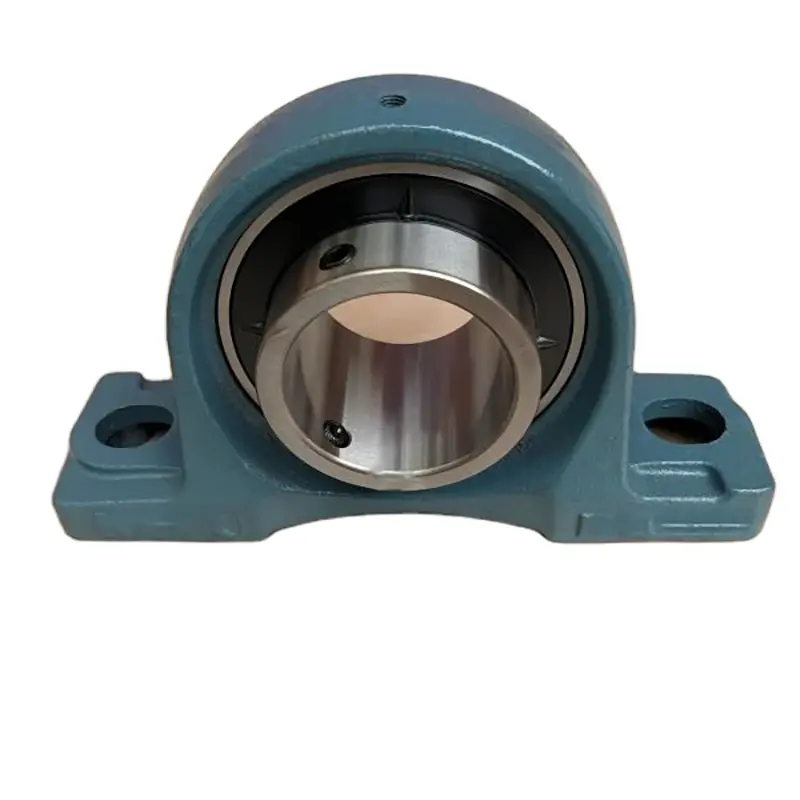
Compare Three Common Material Options
Not all bearings resist rust the same way. I sell all three types at FYTZ Bearing. So I can give you an honest comparison.
| Material / Coating | Rust Resistance | Cost Level | Best For |
|---|---|---|---|
| Standard GCr15 steel + rust preventive oil | Low | $ | Short-term storage (under 3 months) |
| Zinc-nickel plated housing + VCI paper | Medium | $$ | Medium-term storage (3-12 months) in normal humidity |
| 440C stainless steel bearing + polymer housing | High | $$$ | Long-term storage in tropical or coastal areas |
My personal advice for Indian distributors like Rajesh? Go with option two. Stainless is great but expensive. Most of my customers in Mumbai and Chennai buy zinc-nickel plated pillow blocks. They pay 30% more than standard. But they cut rust claims by 80%.
A Mistake I See Often
Some buyers ask for "waterproof bearings." That does not exist. No bearing is 100% waterproof. What you want is "corrosion-resistant." There is a big difference.
Waterproof means sealed so tight that no moisture enters. That is impossible for a rotating part. Corrosion-resistant means the materials can handle moisture for a longer time.
So when you talk to your supplier, ask the right question. Do not say "Is this bearing waterproof?" Say "What is the salt spray test hours for this coating?" A good coating will give you 72 to 240 hours in salt spray. That is a real number you can trust.
Best Practices for Packaging and Sealing Bearings Before Storage
Good packaging is your last line of defense. Once bearings leave my factory, the package is all that protects them.
To prevent rust, seal each bearing in a VCI poly bag1. Then add a desiccant pack2. Then put the bag inside a corrugated box. Do not use regular plastic bags. They trap moisture instead of blocking it.
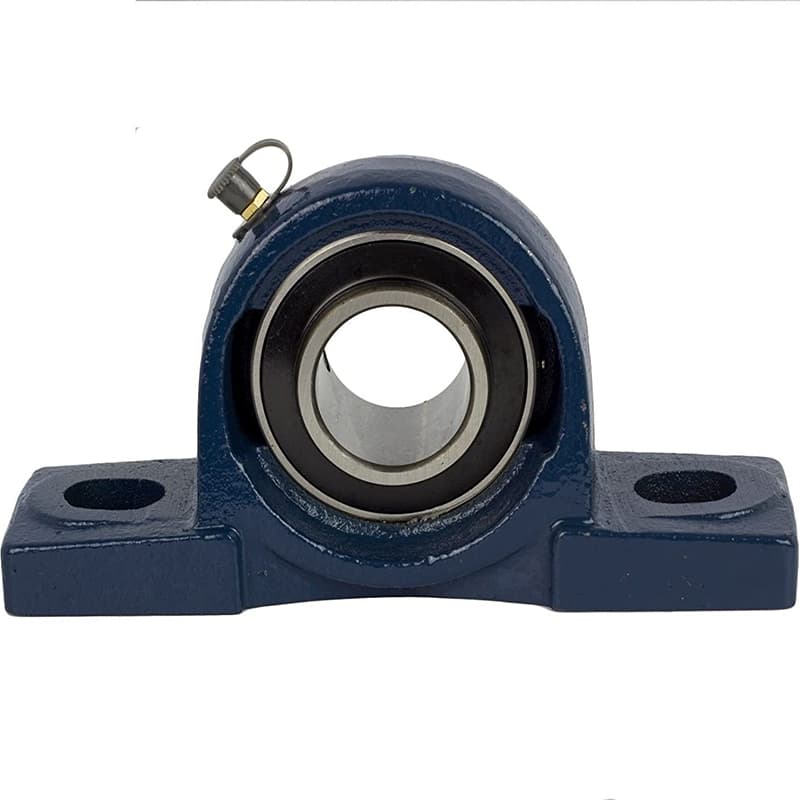
The Right Way to Pack Bearings for Humid Climates
I have seen warehouse workers in Vietnam and Pakistan open a carton, check one bearing, then close the box. That one opening lets in humid air. After three months, all bearings in that box show rust spots.
Here is my step-by-step method. I use this for all my export orders to Brazil and Egypt.
-
Start with clean, dry bearings. My factory runs every bearing through a drying tunnel before packing. You cannot seal in moisture.
-
Use VCI (Vapor Corrosion Inhibitor) film. This material releases molecules that stick to metal surfaces. Those molecules block water from touching the steel. Regular LDPE plastic does nothing.
-
Add a desiccant pack. One 5-gram silica gel pack per bearing is enough. The desiccant absorbs moisture inside the sealed space.
-
Heat seal the VCI bag. Do not just twist and tape. Heat sealing gives a true air-tight barrier.
-
Put the bag inside a carton with foam corners. The foam stops the bearing from moving. Movement can scratch the coating. Scratches become rust starting points.
-
Close the carton with industrial tape. Seal every edge. Then put the carton on a pallet. Never on the floor.
I learned this system after a bad shipment to Russia. The customer received 200 pillow block bearings with light rust. He sent me photos. I was embarrassed. Now every order follows these six steps.
What To Do If You Receive Poor Packaging
Sometimes your supplier ships bearings in cheap bags. You cannot control that. But you can repack them before storage.
Buy a roll of VCI shrink film3 from a local supplier. Wrap each bearing individually. Then store them in a sealed plastic tote box. Add a reusable silica gel canister inside the tote.
This extra work takes time. But it saves money. One ruined container of bearings costs $15,000 or more. A roll of VCI film costs $50.
Controlling Humidity and Temperature in Storage Environments
You can have the best bearings and best packaging. But a bad room will still ruin everything.
Keep your bearing storage room below 50% relative humidity1 and between 15°C and 25°C. Avoid temperature swings2 bigger than 5°C per day. Use a dehumidifier3 or air conditioner to control both.
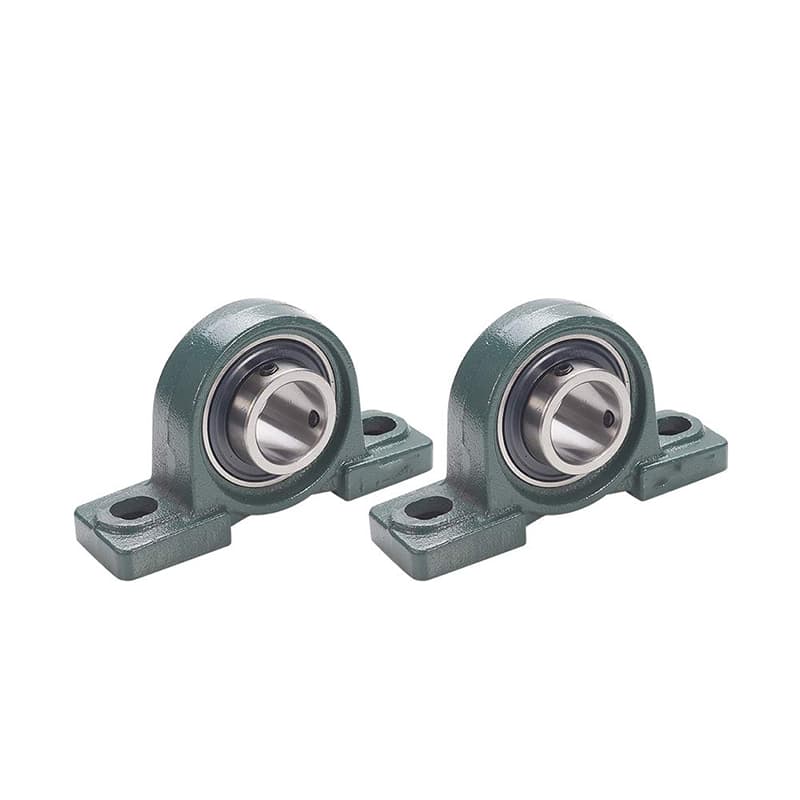
The 50% Rule and Why It Matters
I ask every customer the same question. "What is the humidity in your warehouse?" Most do not know. They guess. Guessing is dangerous.
Here is the science. Steel rusts very slowly below 50% RH. Above 60% RH, rust speeds up. Above 70% RH, rust is almost guaranteed within three months.
I visited a distributor in Bangladesh last year. His warehouse had 85% humidity. He stored pillow block bearings on wooden pallets directly on the concrete floor. The floor was wet from mopping. Every bearing at the bottom of each stack was orange. He lost $8,000 in one month.
I told him to buy two things. First, a $200 dehumidifier from a local store. Second, plastic pallets4 instead of wood. Wood holds moisture. Plastic does not. Six months later, he called me. Zero rust.
Simple Temperature Control Tricks
You do not need an expensive climate-controlled room. Small changes work.
-
Do not store bearings against outside walls. The wall temperature changes with weather. Condensation forms on the cold metal bearings.
-
Leave space between pallets. Air needs to flow. Stacked pallets with no gaps trap humid air.
-
Use a thermometer with a min/max record. Check it every morning. If the temperature changed more than 5°C overnight, you have a condensation risk.
-
Store bearings in the highest part of the warehouse. Hot air rises. But hot air holds more moisture. Actually, I should correct that. The best spot is the middle level. Not the floor (cold and damp). Not the ceiling (hot and humid). The middle is most stable.
One more trick from my own factory. We run a small fan 24/7 in our bearing storage room. Moving air prevents moisture from settling on surfaces. A simple $20 desk fan works fine. Point it at the stack of cartons. The air flow makes a big difference.
Conclusion
Prevent rust on pillow block bearings by controlling materials, packaging, and storage environment. Choose coated steel, seal with VCI, and keep humidity below 50%.
-
Understanding the ideal relative humidity can help you maintain optimal conditions for your stored items. ↩ ↩ ↩ ↩
-
Discover the impact of temperature fluctuations on storage conditions and how to mitigate risks. ↩ ↩ ↩
-
Learn how dehumidifiers can effectively control moisture levels and protect your valuable items from damage. ↩ ↩ ↩
-
Explore the advantages of using plastic pallets to prevent moisture retention and protect your inventory. ↩
