
I saw a customer in Pakistan buy 500 bearings with the wrong bore size. He measured the shaft wrong. All 500 bearings were useless.
To buy the right deep groove ball bearing, measure your shaft diameter for the bore, check your housing for the outer diameter, and confirm the width matches your space. Then use the bearing size code to order correctly.
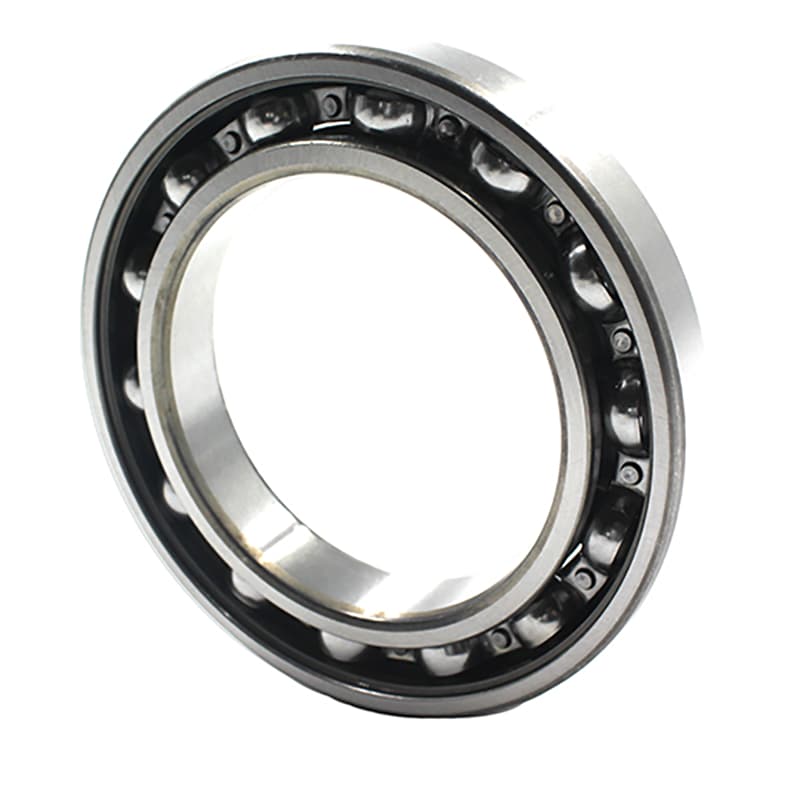
Let me walk you through each dimension. I have helped customers in India, Brazil, and Egypt pick the right sizes. These tips will save you from costly mistakes.
How to Measure Bearing Bore Diameter Correctly Before Buying?
A customer in Indonesia once used a ruler to measure his shaft. He thought it was 25 mm. But it was 25.4 mm (1 inch). The bearing did not fit. He lost two days of production.
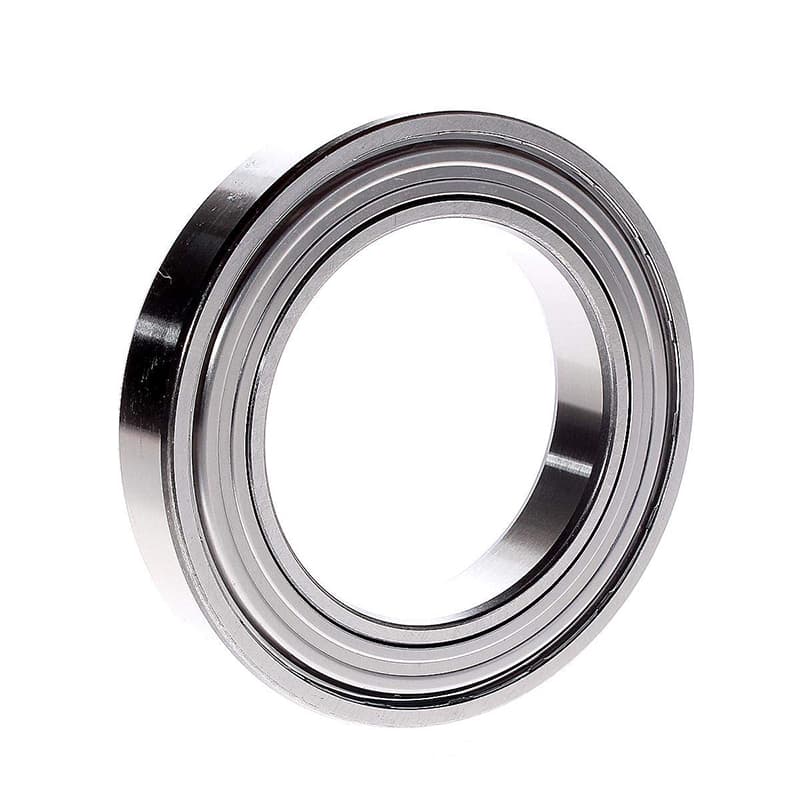
Use a digital caliper1 to measure the shaft diameter. Measure at three points. Take the average. The bore size must match the shaft exactly. A loose fit causes vibration. A tight fit cracks the bearing.
Why accurate bore measurement saves you money
The bore is the hole in the middle of the bearing. It goes onto your shaft. If the bore is too small, the bearing will not slide on. You might try to hammer it. That damages the bearing. If the bore is too big, the shaft spins inside the bearing. That wears out both parts fast.
Most deep groove ball bearings have a metric bore. Sizes go like 10 mm, 12 mm, 15 mm, 17 mm, 20 mm, and so on. But some older machines use inches. A 1 inch shaft is 25.4 mm. That is close to 25 mm but not the same. So you cannot guess.
Here is the right way to measure:
| Step | What to Do | Why It Matters |
|---|---|---|
| 1 | Clean the shaft | Dirt makes the measurement bigger |
| 2 | Use a digital caliper | A ruler is not accurate enough |
| 3 | Measure at three spots | Shafts are not perfectly round |
| 4 | Take the average | That gives you the real size |
| 5 | Check for metric or inch | 25 mm vs 1 inch is a big difference |
What I tell my customers about bore fits
You also need to think about the fit. A bearing bore is not exactly the same as the shaft size. There is a small difference called tolerance2.
For most applications, the shaft should be 0 to 0.02 mm smaller than the bore. That is called a slide fit3. You can push the bearing on by hand.
For heavy loads or high speed, the shaft should be 0 to 0.01 mm bigger than the bore. That is called a press fit. You need a hydraulic press to install it.
Do not guess the fit. Tell your bearing supplier your shaft size and your machine type. We can recommend the right tolerance.
I remember a customer in Egypt. He bought bearings with a 20 mm bore. His shaft was 20.05 mm. That is only 0.05 mm difference. But the bearing cracked when he pressed it on. He should have used a 20.00 mm shaft or bought a bearing with a larger bore tolerance.
One more tip. If you are replacing an old bearing, measure the old bearing bore. Do not measure the shaft. The shaft might be worn down. The old bearing bore is the correct size for your machine.
What Happens When You Choose the Wrong Outer Diameter?
A customer in Vietnam once bought bearings that looked right. The bore matched his shaft. But the outer diameter1 was 2 mm too big. The bearings did not fit into his housing. He had to return all 200 pieces.
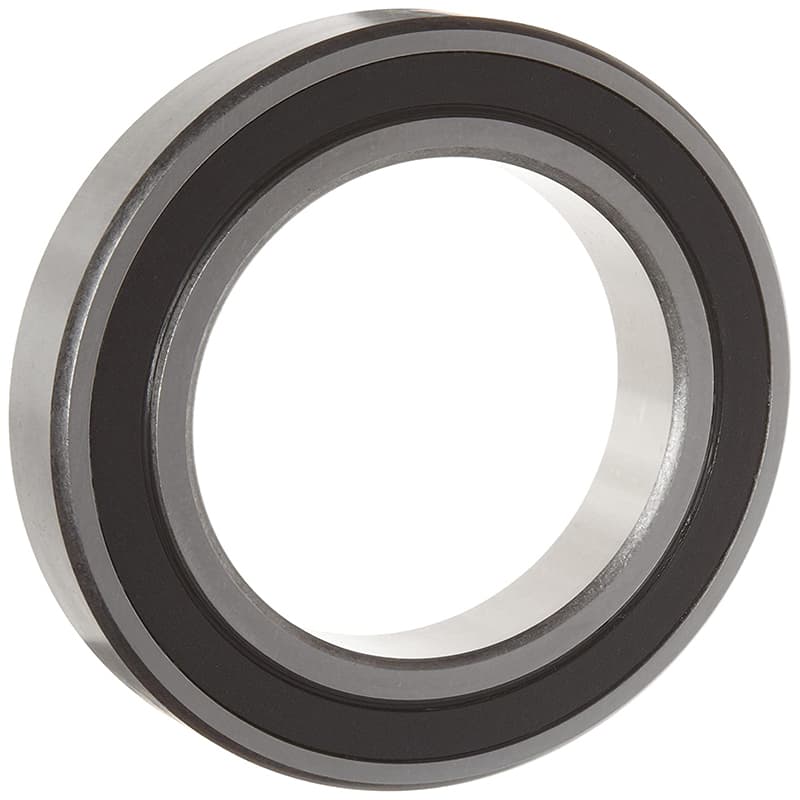
The outer diameter must match your housing bore. If the OD is too small, the housing does not support the bearing. The outer ring spins and wears out fast. If the OD is too big, the bearing will not go into the housing at all.
How outer diameter affects your whole machine
The outer diameter (OD) sits inside your housing. The housing holds the bearing in place. If the OD is correct, the bearing fits snugly. The outer ring does not move. Only the inner ring and balls spin.
If the OD is too small by even 0.05 mm, the outer ring can spin inside the housing. That is called spinning outer ring4. It makes noise. It creates heat. And it wears out the housing. Soon you have to replace the housing too.
If the OD is too big, you cannot assemble the machine. You might try to force it. That can crack the housing or the bearing. So you must get the OD right.
Here is a quick reference for common OD sizes:
| Bearing Series | Common Bore (mm) | Common OD (mm) | Typical Use |
|---|---|---|---|
| 6200 series | 10 to 50 | 30 to 110 | General machinery |
| 6300 series | 10 to 50 | 35 to 130 | Heavier loads |
| 6000 series | 10 to 50 | 26 to 110 | Smaller, lighter |
| 6800 series | 10 to 50 | 19 to 72 | Thin sections |
What to do when you are not sure
First, measure your housing bore. Use the same caliper. Clean the housing first. Measure at three depths. The housing might be tapered or worn.
Second, check the bearing OD tolerance2. A standard bearing has a minus tolerance. That means the OD is slightly smaller than the nominal size. For example, a 6204 bearing has a nominal OD of 47 mm. The real OD is between 46.996 mm and 46.981 mm. That small gap allows the bearing to go into a 47 mm housing hole.
Third, if you are replacing a bearing, read the number on the old bearing seal. The number tells you the series. A 6308 has an OD of 90 mm. A 6208 has an OD of 80 mm. They both have a 40 mm bore. So you can pick the wrong one easily.
I had a customer in Brazil. He needed a 6206 bearing (OD 62 mm). He ordered a 6006 bearing by mistake (OD 55 mm). The bore was the same (30 mm). The bearing went onto the shaft. But it fell right through the housing. He lost a week of production.
So always check the OD. Do not just look at the bore.
Why Bearing Width Matters More Than You Think?
A customer in Russia once ordered bearings with the right bore and OD. But the width was 2 mm too thick. His housing had no extra space. The bearing stuck out. The seal would not close. Dust got inside.
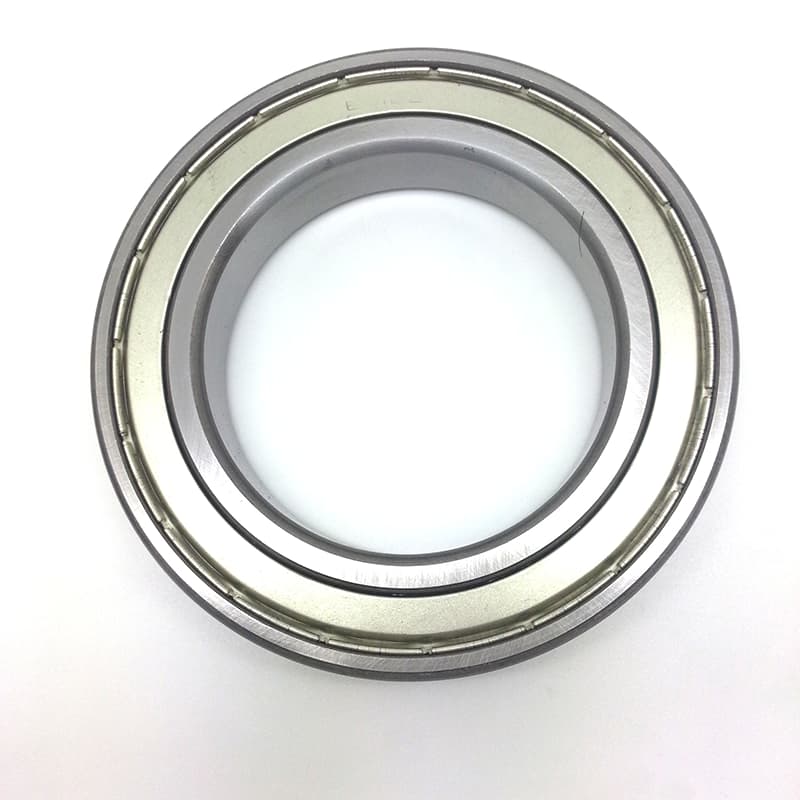
Bearing width1 affects how the bearing sits in your housing. If the width is too big, the housing does not close. If the width is too small, the shaft moves back and forth. Both problems cause early failure.
The hidden role of width in bearing performance
Width is the thickness of the bearing from one side to the other. It might seem simple. But it controls the axial position of the shaft. It also affects how much load the bearing can carry.
A wider bearing has more balls. More balls mean higher load capacity4. But a wider bearing needs more space. So you cannot just pick any width.
Many bearing series have the same bore and OD but different widths. For example:
| Bearing Number | Bore (mm) | OD (mm) | Width (mm) | Load Capacity |
|---|---|---|---|---|
| 6204 | 20 | 47 | 14 | Medium |
| 6304 | 20 | 52 | 15 | Higher |
| 6004 | 20 | 42 | 12 | Lower |
| 16004 | 20 | 42 | 8 | Very low |
See the pattern? The same bore but different widths. If you order a 6304 instead of a 6204, the OD is also different. But sometimes the OD stays the same. For instance, 6205 and 6305 have the same 25 mm bore and 52 mm OD. But 6205 has 15 mm width. 6305 has 17 mm width. That 2 mm difference can ruin your assembly.
How to avoid width mistakes
First, measure the old bearing width. Do not trust the number alone. Bearings wear. The width can change if the bearing was crushed. But the nominal width is stamped on the bearing. Look for the number after the bore and OD code.
Second, check your housing depth2. Use a depth gauge. The bearing must sit flush or slightly below the housing edge. If the bearing is too thick, it pushes out. If it is too thin, you need a spacer.
Third, consider the shaft shoulder3. The shaft has a step that stops the bearing. The distance from that step to the housing end must match the bearing width. If the width is wrong, the bearing will not clamp properly.
I remember a customer in India. He rebuilt a gearbox. He used a 6208 bearing instead of a 6308. The bore and OD were the same (40 mm and 90 mm). But the width was 18 mm instead of 23 mm. The shaft moved 5 mm back and forth. The gears did not align. The gearbox broke in one week.
So always confirm the width. It is not just a small number.
Understanding Bearing Size Codes: What Do 6204 or 6308 Really Mean?
A customer in Bangladesh sent me a message. He needed a bearing. He said "the number is 204". I asked him if it was 6204 or 6304 or 6004. He did not know. He ordered the wrong one.
The bearing size code1 tells you the series, bore size4, and sometimes the width. For example, 6204 means series 62, bore 20 mm (04 x 5 = 20). 6308 means series 63, bore 40 mm (08 x 5 = 40). Learn this code and you will never order wrong.
[^3]](https://sdycbearing.com/wp-content/uploads/2025/12/Deep-Groove-Ball-Bearing-41.jpg)
How to read any deep groove ball bearing number
Most deep groove ball bearings use a simple code. The first two digits are the series. The last two digits are the bore size. You multiply the last two digits by 5 to get the bore in mm.
Here are some examples:
| Bearing Code | Series | Last Two Digits | Bore Calculation | Bore Size (mm) |
|---|---|---|---|---|
| 6204 | 62 | 04 | 04 x 5 = 20 | 20 |
| 6308 | 63 | 08 | 08 x 5 = 40 | 40 |
| 6002 | 60 | 02 | 02 x 5 = 10 | 10 |
| 6810 | 68 | 10 | 10 x 5 = 50 | 50 |
| 6200 | 62 | 00 | 00 x 5 = 10? No, special | 10 (special rule) |
There is one exception. For bore sizes from 10 to 17 mm, the code is different:
| Code | Bore (mm) |
|---|---|
| 00 | 10 |
| 01 | 12 |
| 02 | 15 |
| 03 | 17 |
So a 6200 has 10 mm bore. A 6201 has 12 mm. A 6202 has 15 mm. A 6203 has 17 mm. From 04 upward, multiply by 5.
What the series number tells you
The series number (like 62, 63, 60, 68) tells you the outer diameter and width for a given bore. For the same bore, a higher series means bigger OD and width.
For example, for a 20 mm bore:
| Series | Bearing Number | OD (mm) | Width (mm) |
|---|---|---|---|
| 60 | 6004 | 42 | 12 |
| 62 | 6204 | 47 | 14 |
| 63 | 6304 | 52 | 15 |
| 64 | 6404 | 72 | 19 |
So if you have a 20 mm shaft, you can pick a 6004 (light), 6204 (medium), or 6304 (heavy). The code tells you everything.
How to use the code when ordering
First, read the code on your old bearing. Clean the side of the bearing. Use a flashlight. The code is stamped into the metal. It might be small.
Second, write down the full code. Do not just remember the last two digits. A 6204 and 6304 are very different.
Third, if the code is worn off, measure the bore, OD, and width. Then use a bearing size chart3 to find the code. Or send the three measurements to me. I can tell you the code in one minute.
I had a customer in Turkey. His bearing had no markings left. He measured bore 25 mm, OD 52 mm, width 15 mm. I told him it is a 6205. He ordered 6205 bearings. They fit perfectly.
So learn the code. It takes five minutes. It saves you hours of returns and lost production.
Conclusion
Measure bore, OD, and width carefully. Learn the bearing size code. Then order the right bearing every time.
-
Understanding bearing size codes is crucial for accurate ordering and avoiding costly mistakes. ↩ ↩ ↩ ↩
-
Explore the versatility and applications of deep groove ball bearings in various industries. ↩ ↩ ↩
-
A detailed bearing size chart can help you quickly identify the correct bearing for your needs. ↩ ↩ ↩
-
Learn how to accurately calculate bore size to ensure the right fit for your machinery. ↩ ↩ ↩