
I had a customer in Turkey last year. He built his own CNC machine. The spindle failed after three months. The bearings were the wrong type. That mistake cost him thousands.
For CNC spindle support, you need deep groove ball bearings with high precision class (P5 or P4), proper internal clearance (C2 or C3), the right lubrication method, and correct preload. These four factors decide spindle life and accuracy.
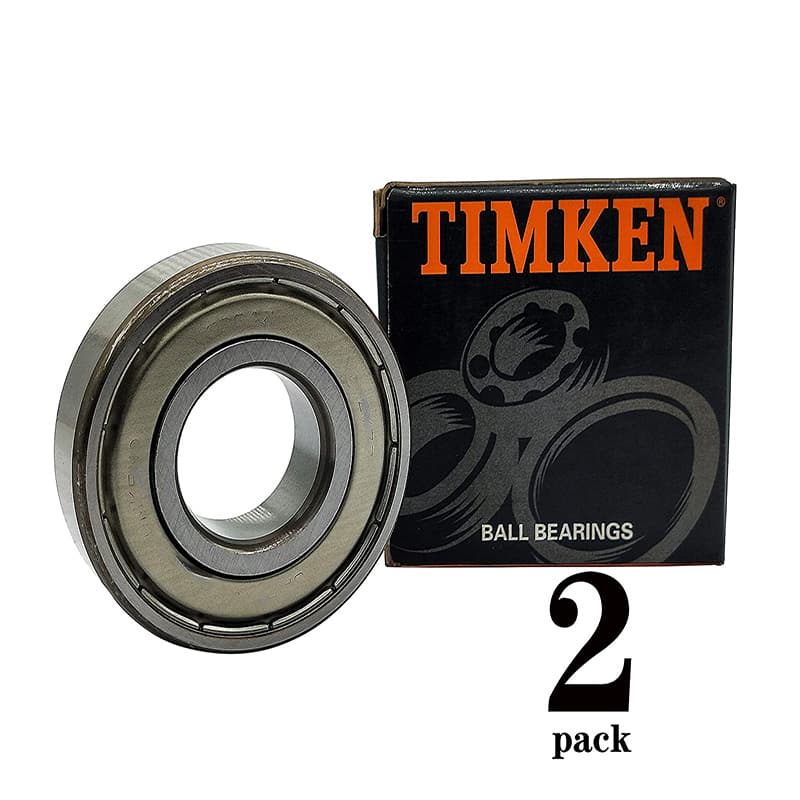
Let me walk you through each factor. I have supplied bearings to CNC builders in Brazil, India, and Russia. These tips come from real problems they faced.
What Precision Class Do You Need for CNC Spindle Bearings?
A customer in Pakistan once bought standard P0 bearings for his spindle. The spindle vibrated badly. The surface finish on his parts looked terrible. He blamed the machine. But the bearings were the real problem.
For CNC spindle support, use at least P5 class bearings1. For high-speed or precision work, go with P4 or even P2. Standard P0 bearings have too much runout2 for spindle applications.
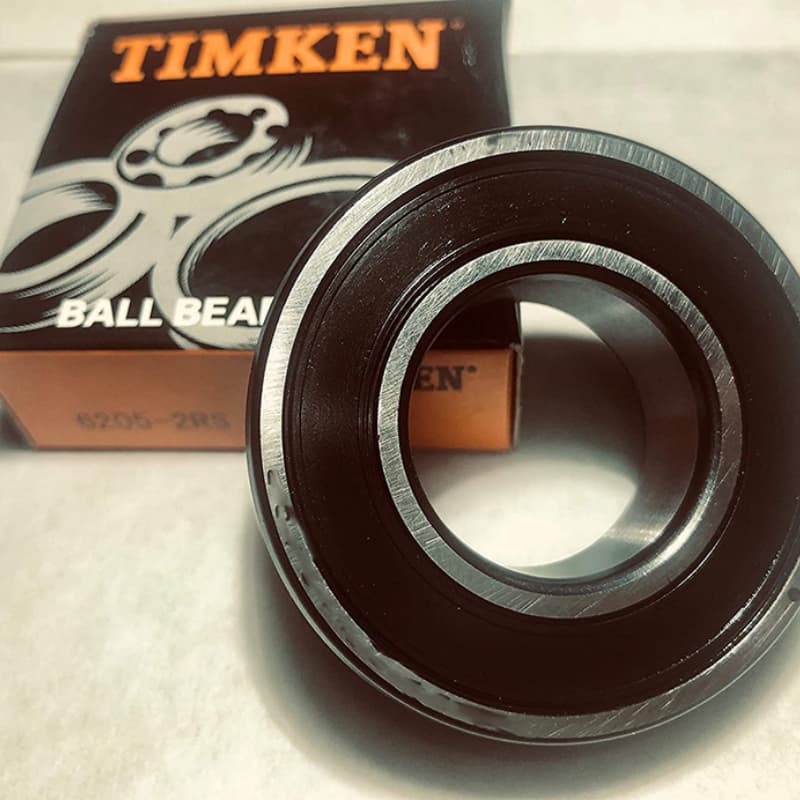
Why precision class3 matters for spindle performance
The precision class tells you how round the bearing is. It also tells you how smooth the raceways are. And it tells you how thick the balls are from one to the next. All these small differences add up.
A standard P0 bearing can have a runout of up to 10 microns. That means the inner ring wobbles a little. On a spindle running at 10,000 RPM, that wobble becomes a big vibration. Your tool tip moves. Your surface finish suffers.
A P5 bearing cuts that runout to about 5 microns. A P4 bearing4 goes down to 2.5 microns. A P2 bearing is even tighter. For most CNC work, P5 is enough. For mold making or fine finishing, you want P4.
Here is a simple table to help you choose:
| Precision Class | Runout (microns) | Best For | Price Level |
|---|---|---|---|
| P0 (Normal) | 10+ | Fans, pumps, conveyors | Low |
| P6 | 8 | General machinery | Medium low |
| P5 | 5 | Standard CNC spindles | Medium |
| P4 | 2.5 | High-speed CNC, grinding spindles | High |
| P2 | 1.5 | Ultra-precision spindles | Very high |
What I tell my customers about buying precision bearings
First, do not overbuy. A P2 bearing costs three times more than a P5 bearing. If you are making simple drill holes, you will not see the difference. Save your money.
Second, check the supplier. Some sellers claim their bearings are P5 but they are not. I have seen fake markings. Buy from a factory like mine that has real inspection lines. We test every batch with a precision measuring machine.
Third, match the precision class of all bearings in the same spindle. Do not mix a P5 with a P4. The tighter bearing will take more load. That causes uneven wear.
One of my clients in Indonesia learned this the hard way. He bought cheap bearings online. They were marked P5 but actually measured P0. His spindle failed in two weeks. Now he only buys from factories he trusts.
How to Choose the Right Internal Clearance for High-Speed Spindles?
A CNC builder in Vietnam called me once. His new spindle got very hot. So hot that he could not touch the housing. He used standard C0 clearance bearings. That was the mistake.
For high-speed CNC spindles, choose C2 (smaller than normal)1 or C3 (larger than normal) clearance depending on your setup. Most high-speed spindles need C2 because heat expansion closes the gap.
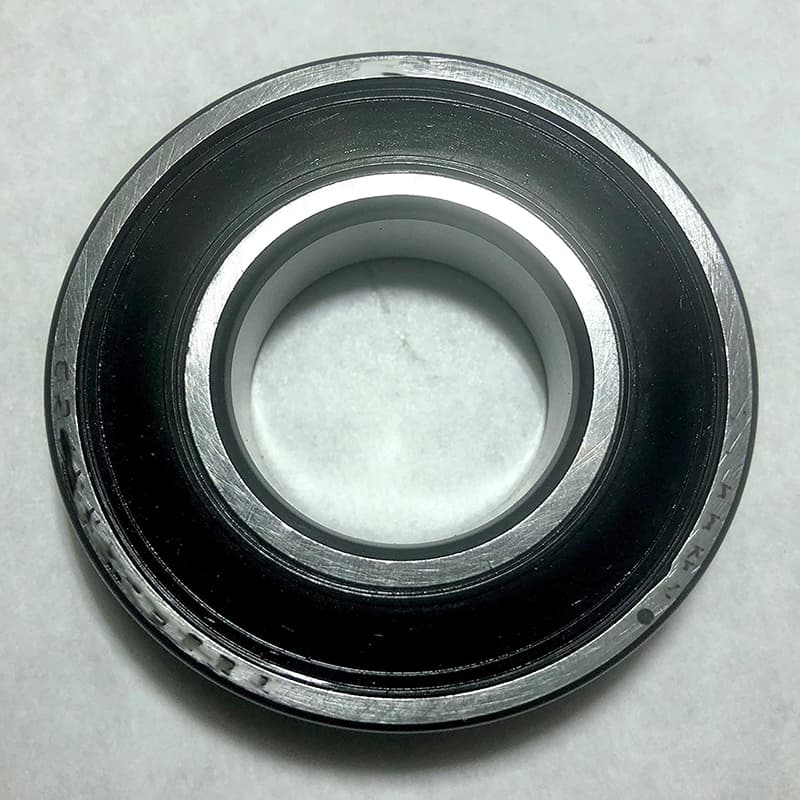
How internal clearance2 affects spindle heat and life
Internal clearance is the small space between the balls and the raceways. When the bearing spins, it gets hot. Heat makes the metal expand. That expansion eats up the clearance.
If you start with too little clearance, the bearing will lock up when it gets hot. That is what happened to my customer in Vietnam. The C0 clearance was fine at room temperature. But at operating temperature, the balls had no room to move. The bearing seized.
If you start with too much clearance, the spindle will feel loose. The balls will slam against the raceways. That makes noise and shortens life. So you need the right balance.
Here is a guide for spindle applications:
| Clearance Code | Gap Size | Best Use |
|---|---|---|
| C2 (small) | Smaller than normal | High-speed spindles with good cooling |
| C0 (normal) | Standard | Low-speed spindles, room temperature |
| C3 (large) | Larger than normal | Spindles with high heat, poor cooling |
| C4 (extra large) | Very large | Not for spindles. Use for heavy interference fits |
My practical advice for picking clearance
First, look at your spindle speed3. Below 5,000 RPM, C0 can work. Between 5,000 and 12,000 RPM, C2 is safer. Above 12,000 RPM, you almost always need C2.
Second, look at your cooling system. If your spindle has oil or water cooling, the housing stays cool. Then C2 is perfect. If you have no cooling, the bearing will get hotter. Then you might need C3.
Third, talk to your bearing supplier4. Tell them your exact speed and temperature. A good supplier will calculate the right clearance for you.
I remember a customer in Brazil. He made wooden furniture with a CNC router. The spindle ran at 18,000 RPM. He used C3 bearings. The spindle was noisy and had poor accuracy. I suggested C2 bearings. The noise dropped by half. His cuts became clean.
One more thing. Do not guess. Measure your spindle housing temperature after one hour of running. If it is above 70°C, your clearance is too small. If it stays cool but the spindle sounds rough, your clearance might be too large.
Grease vs. Oil Lubrication: Which One Works Better for Spindle Bearings?
A customer in Egypt asked me this question last month. He was building a new CNC machine. He did not know what to put in the bearings. Both options work. But one is better for his case.
For most CNC spindles1 under 15,000 RPM, grease lubrication is simpler and cleaner. For spindles above 20,000 RPM or with heavy cutting loads, oil lubrication works better because it removes heat more effectively.
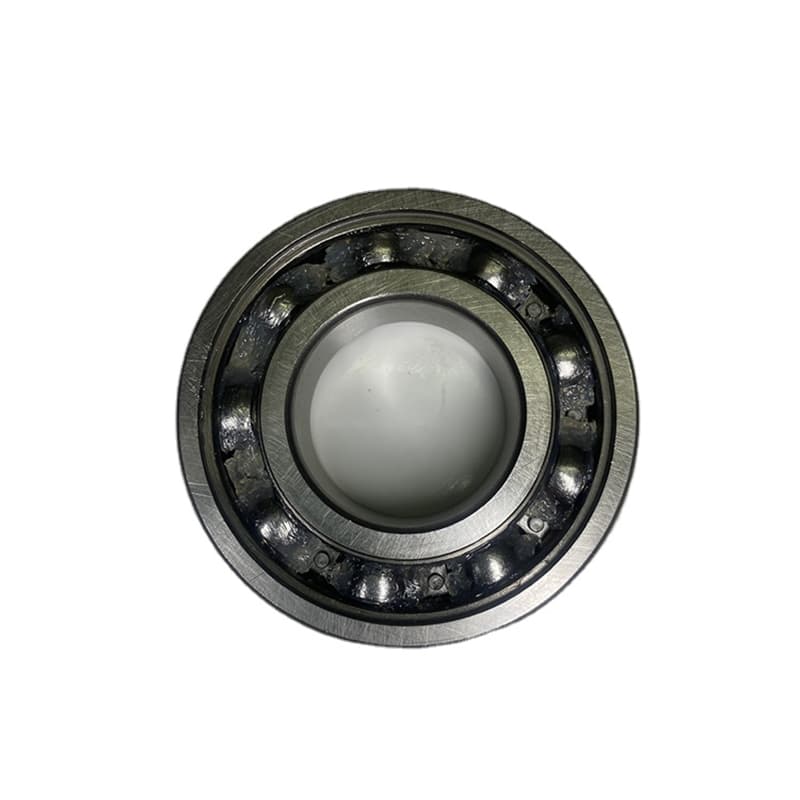
Breaking down the pros and cons of each method
Let me give you a clear comparison. I have used both methods in my customers’ machines.
Grease lubrication2 is what most people know. You put a measured amount of grease inside the bearing. Then you seal it. The grease stays there for months or years. It is clean. No pumps, no filters, no leaks.
But grease has limits. At very high speeds, the grease gets thrown off the balls. It also gets hot. The oil in the grease can separate. Then the bearing runs dry. Also, grease does not carry heat away. The bearing stays hot.
Oil lubrication3 uses a constant flow of oil. The oil goes into the bearing, then drains out. It takes heat with it. That is a big advantage for high-speed spindles. Oil also creates a film that separates the balls from the raceways. That film reduces wear.
But oil is messy. You need a pump, a tank, and a filter. The oil can leak. You have to change it regularly. And oil lubrication costs more to set up.
Here is a table to help you decide:
| Factor | Grease | Oil (Oil-air or Oil-mist) |
|---|---|---|
| Max speed | Up to about 15,000 RPM | Up to 60,000 RPM or more |
| Heat removal | Poor | Excellent |
| Cleanliness | Very clean | Can be messy |
| Maintenance | Low (re-grease every few months) | High (check oil level, change filters) |
| Cost | Low | High |
| Best for | General CNC, wood routers, light cutting | High-speed milling, grinding spindles |
What I recommend to my customers
For 90% of CNC spindles, grease is fine. I sell many P5 bearings with high-quality grease already inside. My customers use them for metal cutting, woodworking, and plastic machining. They run at 8,000 to 12,000 RPM without problems.
But I have a customer in Russia who makes turbine parts. His spindle runs at 40,000 RPM. He uses oil-air lubrication. The oil is sprayed in a fine mist. It cools the bearings perfectly. Grease would burn up in minutes.
Also consider your maintenance team4. Grease is easy. Anyone can re-grease a bearing. Oil systems need trained people. If you are a small shop, stick with grease.
One more tip. Do not over-grease5. Too much grease causes heat. A bearing only needs 30% to 50% of its internal space filled with grease. My factory pre-lubes bearings with the exact amount. If you do it yourself, use a grease gun with a measured dispenser.
Why Preload1 Matters for Spindle Rigidity and Accuracy?
A customer in India once built a spindle with no preload. The bearing2s just sat inside the housing. When he started cutting, the tool pushed the spindle sideways. The part came out wrong. The bearings had too much play.
Preload is a constant force that removes internal play in the bearings. For CNC spindles, you need medium to heavy preload. That gives you rigidity. Without preload, your tool will push the spindle around during cutting.
What happens when you get preload wrong
Preload is a small squeeze on the bearing. It pushes the balls against the raceways. That removes any loose movement. The bearing becomes stiff.
Too little preload means the spindle feels loose. When the cutting tool hits the material, the spindle moves back. That is called deflection4. Your cut depth changes. Your surface finish looks wavy. And the balls can skid instead of rolling. Skidding damages the bearing fast.
Too much preload means the bearing is squeezed too hard. The balls push against the raceways with too much force. That creates heat. A lot of heat. The bearing can overheat and fail in hours. Also, too much preload makes the spindle hard to turn by hand.
The right preload gives you the best of both worlds. The spindle feels solid. The tool does not push back. But the bearing runs cool and smooth.
Here are the common preload levels for deep groove ball bearings:
| Preload Level | Effect on Spindle | Best For |
|---|---|---|
| No preload (loose) | Play, poor accuracy | Never use in spindles |
| Light preload | Low rigidity, low heat | Very low-speed spindles |
| Medium preload | Good rigidity, moderate heat | General CNC, 8,000 to 12,000 RPM |
| Heavy preload | High rigidity, high heat | Heavy cutting, low-speed spindles |
How to set preload in your spindle
Most deep groove ball bearings are not adjustable for preload. You need to buy bearings that come with built-in preload. Or you use a pair of bearings face-to-face or back-to-back.
For CNC spindles, the most common setup is two bearings back-to-back. That means the wide sides of the inner rings face each other. This setup gives good rigidity for both radial and axial forces.
When you order bearings from me, tell me your preload needs. I can supply bearings with light, medium, or heavy preload already set. Then you just install them. No guesswork.
I remember a customer in Bangladesh. He tried to create preload by tightening the locknut too much. He crushed the bearing. The inner ring cracked. He learned that preload is not just tightness. It is a precise force.
So here is my rule. If you are not sure, start with medium preload5. Most CNC spindles work well with medium. If your spindle runs hot, go down to light. If your tool deflects too much, go up to heavy.
One last thing. Check the preload after the spindle reaches working temperature. Heat changes everything. A perfect preload at cold can become too tight at hot. So let the spindle run for 30 minutes. Then feel the housing. If it is too hot to touch, reduce the preload.
Conclusion
Pick P5 or P4 precision, choose C2 or C3 clearance, use grease for most spindles, and set medium preload. That gives you a solid CNC spindle.
-
Understanding preload is crucial for ensuring spindle rigidity and accuracy in CNC machining. ↩ ↩ ↩ ↩
-
Learn about the role of bearings in CNC spindles to enhance performance and longevity. ↩ ↩ ↩ ↩
-
Gain insights into deep groove ball bearings to make informed choices for your spindle setup. ↩ ↩ ↩
-
Minimizing deflection is key to achieving accurate cuts; find effective strategies here. ↩ ↩ ↩ ↩
-
Discover the benefits of medium preload for optimal spindle performance in CNC applications. ↩ ↩