
Bulk material handling equipment like bucket wheels and stacker reclaimers faces extreme conditions. Bearing failures here cause costly downtime and maintenance headaches. The right spherical roller bearings dramatically improve reliability and extend equipment life.
Spherical roller bearings are critical components in bucket wheel and stacker reclaimers. They support heavy radial and axial loads, accommodate misalignment, and ensure smooth rotation of wheels and conveyors in harsh environments like mines and ports.
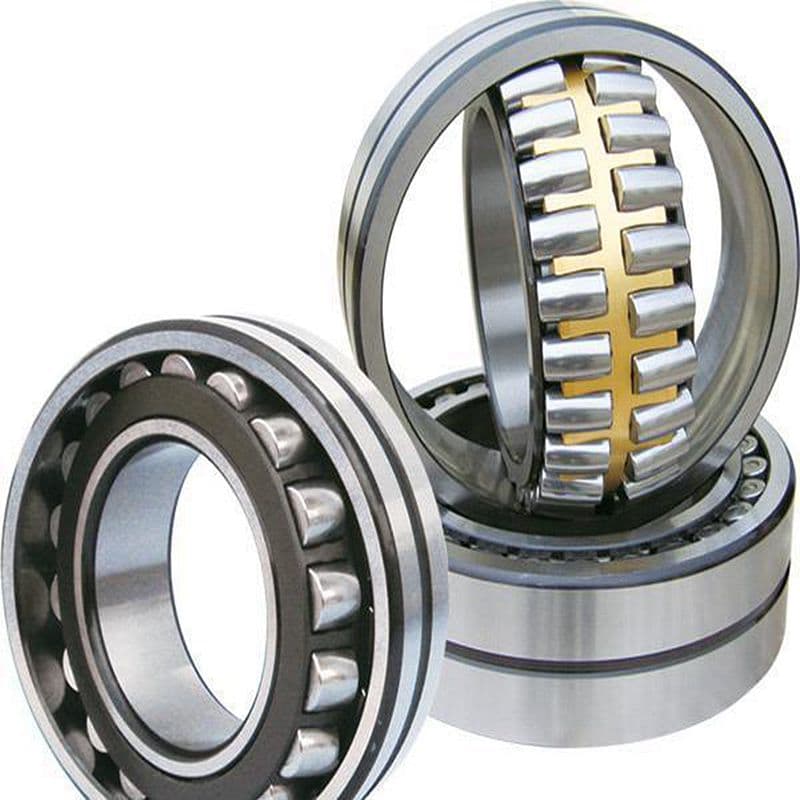
Now that you understand the basic role of these bearings, let’s dive deeper into their specific applications, the parts of stacker reclaimers, and how to choose the right bearings for your equipment.
What are spherical roller bearings1 used for?
Many equipment failures stem from using the wrong bearing type in demanding applications. Misapplication leads to premature wear, unplanned shutdowns, and increased costs. Knowing exactly what spherical roller bearings are designed for helps you make smarter procurement decisions.
Spherical roller bearings are used in heavy industrial applications2 where high load capacity and misalignment tolerance are required. Common uses include gearboxes, conveyor systems, mining equipment, and specifically bucket wheel and stacker reclaimer machinery.
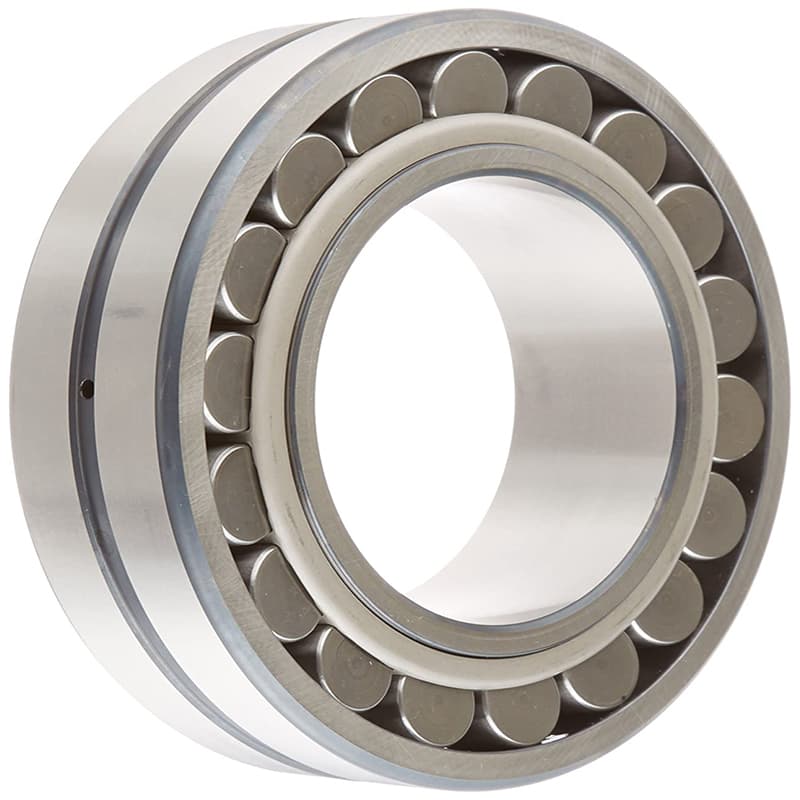
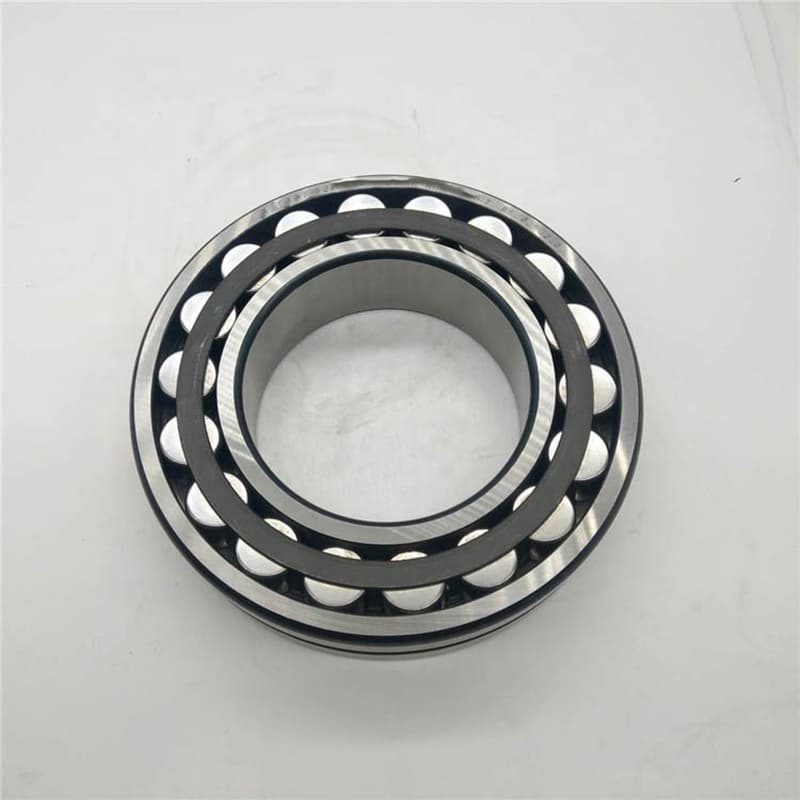
To truly understand where spherical roller bearings shine, we need to look at their design and the forces they handle. These bearings have two rows of rollers that run on a common spherical raceway in the outer ring. This design lets them handle heavy radial loads and significant axial loads in both directions. More importantly, they can self-align. This means if the shaft bends or gets misaligned, the bearing can still work without extra stress.
In my years at FYTZ Bearing, I’ve seen these bearings used in many tough spots. For example, in bucket wheel excavators3, the main wheel shaft takes enormous shock loads. Spherical roller bearings there absorb the impacts and keep the wheel turning. In stacker reclaimers, the boom conveyor pulleys rely on these bearings to handle the weight of bulk material and the constant start-stop cycles.
Let’s break down the key applications with a simple table:
| Application Area | Why Spherical Roller Bearings Are Used |
|---|---|
| Bucket Wheel Drive | Handle shock loads from digging; compensate for shaft deflection. |
| Conveyor Pulleys | Support heavy belt tension and misalignment from structure movement. |
| Gearbox Output Shafts | Manage combined radial and axial loads in confined spaces. |
| Slewing Rings | Sometimes integrated in large-diameter bearings for rotation. |
| Stacker Boom Luffing System | Accommodate angular misalignment during elevation changes. |
Beyond these, I’ve seen them in crushers, vibratory screens, and even wind turbines. The common thread is the need for reliability under unpredictable conditions. At our factory, we often get calls from customers whose bearings failed too soon. Many times, it’s because they used a cylindrical or deep groove bearing in a spot that really needed a spherical design. The self-aligning feature4 alone can double bearing life in misaligned applications.
We also produce customized spherical roller bearings5 for special needs. For example, some stacker reclaimer operators in India requested higher clearance to handle thermal expansion. We adjusted the internal clearance to C3 or C4, which made a big difference. So when you ask "what are they used for," the answer is not just equipment names, but also the specific conditions that demand their unique features.
Another point I often share with procurement managers is the importance of material choice. At FYTZ, we use vacuum-degassed steel for our spherical roller bearings. This reduces inclusions and improves fatigue life. In bucket wheel applications, where impact loads are common, this material choice6 can prevent early cracking. We also offer bearings with brass cages for high shock loads, or steel cages for higher speeds. Understanding the application helps us recommend the right internal design.
I remember a customer in Brazil who operated a stacker reclaimer in a dusty iron ore port. Their original bearings lasted only six months. We supplied spherical roller bearings with enhanced seals and a special coating on the raceways. Those bearings ran for over two years. So the "use" also extends to the environment—dust, moisture, and temperature all play a role.
What are the parts of stacker reclaimer?
Maintaining a complex machine like a stacker reclaimer is hard if you don’t know its parts. Lack of part knowledge leads to wrong spare orders and delayed repairs. Let’s walk through the main components and see where bearings play a role.
A stacker reclaimer consists of a boom with a conveyor, a bucket wheel1 or reclaimer assembly, a slew mechanism2, a traveling carriage3, and a counterweight4. The bucket wheel excavates material, while the boom conveyor5 transports it. All moving parts rely on bearings, especially spherical roller bearings6.
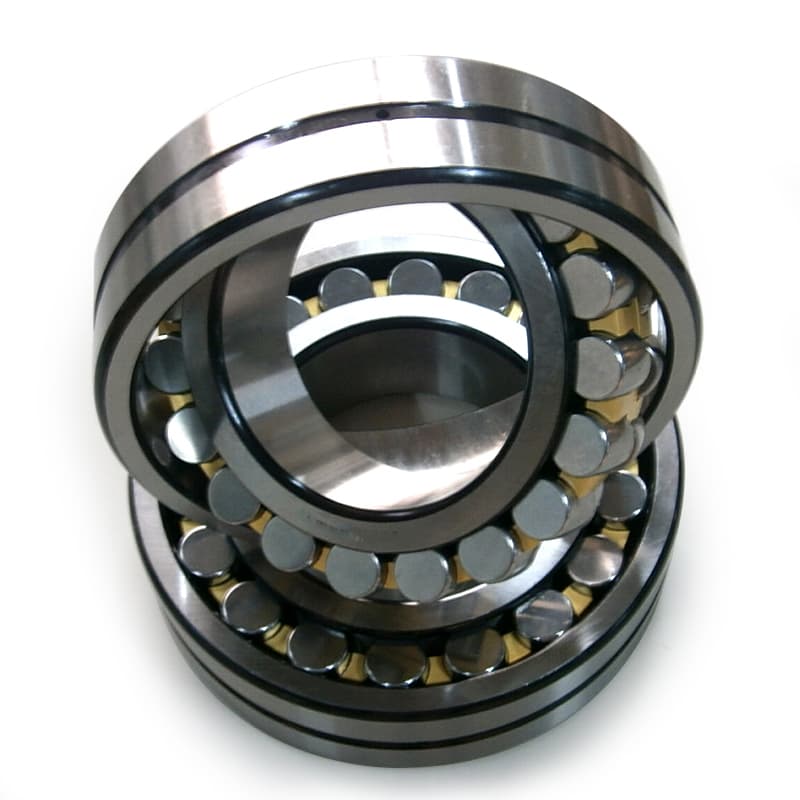
Understanding the parts of a stacker reclaimer is essential for anyone involved in procurement or maintenance. These machines are giants in ports, mines, and steel plants. They stack bulk materials like coal or iron ore into piles and reclaim them when needed. Let me break down the key components based on what I’ve learned from our customers who operate them.
First, the bucket wheel. This is the business end for reclaiming. It’s a large wheel with buckets attached. As it rotates, buckets scoop material and dump it onto a conveyor. The wheel is mounted on a shaft supported by large spherical roller bearings. These bearings take the brunt of digging forces. At FYTZ, we’ve supplied bearings for bucket wheels up to 10 meters in diameter. The loads are immense, and the bearings must be robust. Often, these bearings are split bearings to make installation easier, because removing the whole wheel is a huge job.
Next, the boom. This is the long arm that holds the bucket wheel or the stacking conveyor. The boom itself has a conveyor belt running along it. The conveyor pulley shafts are mounted on bearings. Again, spherical roller bearings are common here because the boom can flex under load, causing misalignment. We often recommend bearings with tapered bore for easy mounting on adapter sleeves. The boom also has idlers that support the belt return side. Those idlers typically use deep groove ball bearings or small spherical roller bearings if the load is high.
The slew mechanism lets the upper structure rotate. It includes a large gear and a slewing ring bearing. This bearing handles axial, radial, and tilting loads. Some designs use multiple spherical roller bearings in a row, but often it’s a specialized slewing bearing. However, spherical roller bearings are used in the drive motors and gearboxes that power the slew. These gearboxes face frequent starts and stops, and the bearings inside must handle shock loads.
The traveling carriage or undercarriage allows the machine to move along rails. It has wheels and rails, and each wheel is supported by bearings. Here, spherical roller bearings are used because the rails may not be perfectly aligned, and the wheels need to handle heavy loads. Some designs use cylindrical roller bearings for the wheels, but spherical ones are more forgiving when the track settles unevenly.
Other parts include the counterweight to balance the boom, conveyor systems7 with idlers and pulleys, and the operator cabin8. Each moving part has bearings. In total, a single stacker reclaimer can use hundreds of bearings, with spherical roller bearings being the most critical for high-load areas.
Here’s a table summarizing the parts and their bearing needs:
| Part | Function | Bearing Type Typically Used |
|---|---|---|
| Bucket Wheel | Excavates material | Large spherical roller bearings |
| Boom Conveyor Pulleys | Drive and redirect belt | Spherical roller bearings |
| Slew Drive | Rotates superstructure | Slewing ring or spherical roller bearings |
| Travel Wheels | Moves machine along rails | Spherical roller bearings or cylindrical |
| Gearboxes | Speed reduction | Spherical roller bearings on output shafts |
| Idlers | Support conveyor belt | Deep groove or tapered roller bearings |
From my experience, when customers order spare parts, they often overlook the bearings inside gearboxes or pulley assemblies. They focus on the obvious parts like buckets or belts. But bearing failure is a common reason for downtime. That’s why I always advise keeping a stock of critical spherical roller bearings. Knowing the parts helps you identify where to put your spare bearing budget.
I recall a customer in Indonesia who had a stacker reclaimer from a European OEM. They kept spare belts and motors, but when a bearing in the bucket wheel failed, they had to wait weeks for a replacement. We now work with them to maintain a list of all bearing positions and keep critical ones in stock. This kind of proactive planning saves months of downtime over the machine’s life.
What is the difference between spherical and roller bearings?
People often confuse spherical roller bearings1 with other roller bearing types. Ordering the wrong bearing can delay projects and cause compatibility issues. Let’s clarify the key differences so you never mix them up again.
Spherical roller bearings have two rows of rollers that run on a spherical raceway, allowing self-alignment. In contrast, cylindrical roller bearings2 have straight rollers for high radial loads but no misalignment tolerance3. Tapered roller bearings handle combined loads but require precise alignment.
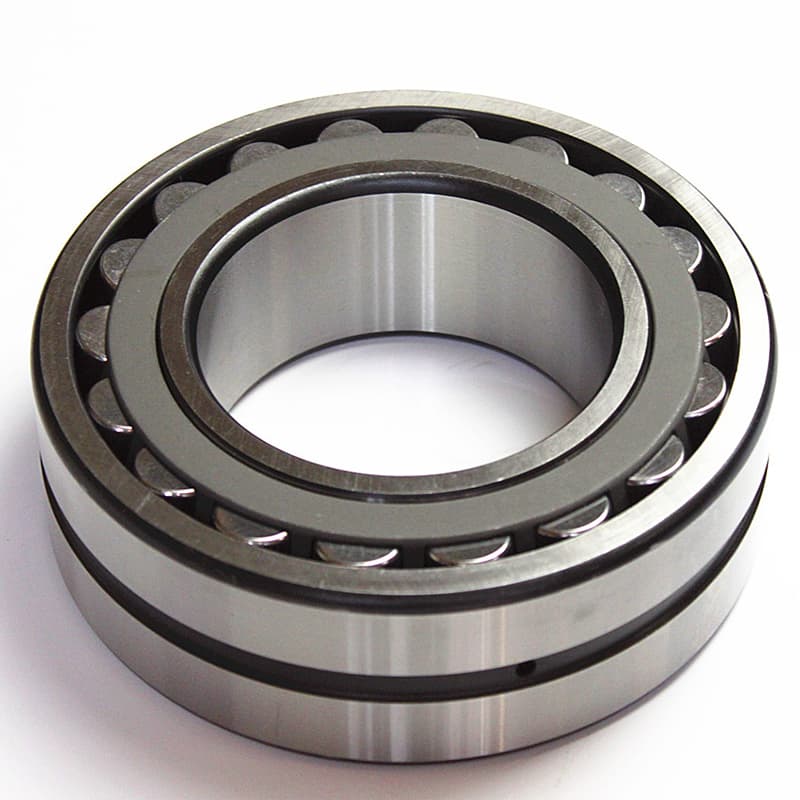
This question comes up a lot with my customers. "Roller bearings" is a broad category. To make smart choices, you need to understand the sub-types. Let’s compare spherical roller bearings with other common roller bearings: cylindrical, tapered, and needle bearings.
Design and Load Capabilities
Spherical roller bearings have barrel-shaped rollers arranged in two rows. The outer ring has a spherical raceway. This design lets the bearing accommodate angular misalignment. They can handle heavy radial loads and moderate axial loads in both directions. The axial load capacity depends on the contact angle; some series have higher angle for more axial capacity.
Cylindrical roller bearings have straight rollers. They are great for pure radial loads and can handle high speeds. But they cannot take axial loads unless they are specifically designed as combined bearings (with flanges). They also have zero misalignment capability. If the shaft bends, these bearings will bind and fail quickly.
Tapered roller bearings have conical rollers and raceways. They are designed to take combined radial and axial loads. They are often used in pairs because they handle axial load in one direction only. They require precise alignment and are sensitive to misalignment.
Needle roller bearings use long, thin rollers. They are compact and good for oscillating motions or limited space, but they have low tolerance for misalignment and shock loads.
Application Differences
In stacker reclaimers, you’ll see spherical roller bearings in the main wheel, conveyor pulleys, and gearboxes. Cylindrical roller bearings might be used in electric motors or high-speed shafts where loads are purely radial. Tapered roller bearings appear in wheel hubs or slew drives where axial loads are directional. Needle bearings are in smaller mechanisms like linkage pins.
Here’s a comparison table:
| Feature | Spherical Roller | Cylindrical Roller | Tapered Roller |
|---|---|---|---|
| Roller Shape | Barrel-shaped | Cylindrical | Conical |
| Rows | Usually two rows | Single or double | Single or double |
| Misalignment Tolerance | High (self-aligning) | None | Very low |
| Radial Load Capacity | Very high | Very high | High |
| Axial Load Capacity | Moderate (both directions) | None (unless special) | High (one direction) |
| Speed Capability | Moderate | High | Moderate |
| Typical Use | Heavy, misaligned applications | High-speed radial loads | Combined loads, wheel hubs |
My Take on Selection
From my experience at the factory, the choice often comes down to the operating conditions. If there’s any chance of shaft deflection or housing distortion, I push for spherical roller bearings. They are forgiving. For example, in a stacker reclaimer boom, the structure flexes as it moves. Cylindrical bearings would fail there. But in a fixed gearbox with perfect alignment, cylindrical bearings can offer higher speed and lower friction.
We also see hybrid solutions. Some customers use spherical roller bearings for the main pulley and cylindrical for the tail pulley. It depends on load analysis4. I always recommend consulting with engineers and providing detailed operating data. At FYTZ, we help customers select the right bearing by asking about loads, speeds, misalignment, and environment. This saves money in the long run.
Another factor is lubrication5. Spherical roller bearings need proper lubrication to perform. Their design allows for good grease flow, but in high-speed applications, oil lubrication might be better. Cylindrical bearings can run at higher speeds with oil mist. Tapered bearings often require careful adjustment of preload. Understanding these nuances helps avoid early failure.
I remember a case in Russia where a customer used tapered roller bearings6 in a conveyor pulley that had slight misalignment. The bearings failed in months. We replaced them with spherical roller bearings, and the problem disappeared. That’s a classic example of how design differences impact real-world performance.
Who manufactures stacker reclaimers?
When you need bearings for a stacker reclaimer, knowing the OEM matters. Different manufacturers have different bearing specs, and using the wrong one risks failure. Let’s look at the major stacker reclaimer manufacturers1 and how to get the right bearings for their machines.
Major stacker reclaimer manufacturers include Thyssenkrupp2, FLSmidth3, Metso Outotec4, Sandvik5, TAKRAF6, and Chinese companies like NHI7 and Zoomlion8. These OEMs specify bearings from trusted brands, but aftermarket replacements from specialists like FYTZ can match or exceed OEM quality.
Knowing who makes the equipment helps you understand the bearing requirements. Stacker reclaimers are huge investments, and OEMs have engineering standards that dictate bearing types, sizes, and clearances. As a bearing supplier, we often get requests like "I need bearings for a Thyssenkrupp stacker reclaimer model XYZ." That’s helpful because we can look up the original specs.
Let’s list some prominent manufacturers:
- Thyssenkrupp (Germany): One of the largest, with a wide range of bulk handling equipment. They often use high-spec bearings with tight tolerances. Their machines are known for longevity, and they usually specify bearings from top European brands. But these can be expensive and have long lead times.
- FLSmidth (Denmark): Supplies to mining and cement industries. Their machines operate in tough conditions, so bearings need extra protection. They might use bearings with special coatings or seals. We’ve supplied replacements for FLSmidth equipment in Egypt and India.
- Metso Outotec (Finland): Known for robust design. They might use specialized bearings with custom features. For example, some of their reclaimers use spherical roller bearings with tapered bores for easy mounting on adapter sleeves.
- Sandvik (Sweden): Another big name, with emphasis on reliability and easy maintenance. Their bearing positions are often standardized, making aftermarket sourcing easier.
- TAKRAF (Germany): Part of Tenova, they build large machines for mining. Their bearings are typically heavy-duty, often in larger sizes. They sometimes use split spherical roller bearings for easier maintenance.
- NHI (China): Northern Heavy Industries, a major Chinese OEM. They often use domestic bearings but are open to alternatives. Many of our Indian customers have NHI machines and prefer our bearings as cost-effective replacements.
- Zoomlion (China): Also produces stackers and reclaimers for global markets. Their equipment often uses standard bearing series, which we can supply directly.
In India, where many of our customers are, we see equipment from all these manufacturers. Indian ports and steel plants have a mix of European and Chinese machines. Each has its own bearing schedule.
Bearing Sourcing Challenges
When you need replacement bearings, you have options:
- Buy from the OEM – expensive and long lead times.
- Buy from the original bearing brand – if you know it, you can source directly from SKF, FAG, etc., but still costly.
- Buy from an aftermarket specialist like FYTZ – we can manufacture bearings that meet or exceed OEM specs at competitive prices.
From my experience, many customers don’t realize that aftermarket bearings9 can be just as good. We’ve supplied bearings for stacker reclaimers made by Thyssenkrupp and FLSmidth to customers in Russia and Brazil. We study the OEM drawings and produce bearings with the right dimensions, tolerances, and materials. Often, we improve on the original by using better steel or heat treatment.
How to Identify the Right Bearing
If you have an old bearing, you can read the part number. If not, you need the equipment model and the bearing position. We maintain cross-reference databases. For example, a customer in Egypt sent us photos and measurements of a failed bearing from a Sandvik reclaimer. We matched it to a standard spherical roller bearing series and supplied a replacement within weeks.
Here’s a table of common OEMs and typical bearing specs:
| OEM | Common Bearing Series | Typical Features |
|---|---|---|
| Thyssenkrupp | 223, 230, 231, 240 | High capacity, often C3 clearance |
| FLSmidth | 222, 232, 239 | May require special coatings for corrosion |
| Metso Outotec | 223, 230, 241 | Often with tapered bore for easy mounting |
| Sandvik | 222, 223, 231 | Precision class P6 sometimes |
| TAKRAF | 230, 231, 240 | Large sizes, often split bearings |
| NHI | 223, 230, 222 | Standard Chinese dimensions, interchangeable |
My Insight on Manufacturer Selection
When we talk to procurement managers like Rajesh, they want reliability and cost savings. I advise them to keep a record of all bearings in their equipment. Note the OEM, bearing numbers, and quantities. Then, when you need spares, you can approach us with that info. We can offer a like-for-like replacement or even upgrade.
Also, consider that some manufacturers design bearings specifically for their machines. But many use standard bearing series, which we can produce. So knowing the manufacturer helps, but it’s not the only factor. At FYTZ, we’ve built a reputation for reverse engineering bearings for various OEM equipment. We take pride in helping customers keep their machines running without breaking the bank.
I recall a project in Pakistan where a customer had a TAKRAF stacker reclaimer. The original bearings were from a European brand with a 12-month lead time. We provided equivalent bearings in 8 weeks, with improved cage design for better shock resistance. The customer was thrilled with the performance and cost savings. That’s the kind of value we bring.
Conclusion
Choosing the right spherical roller bearings for bucket wheel and stacker reclaimers ensures longer equipment life and less downtime. Understanding applications, parts, and manufacturers helps you make informed decisions. At FYTZ, we’re here to support you with quality bearings and expertise.
-
Explore this link to understand the key players in the stacker reclaimer market and their offerings. ↩ ↩ ↩ ↩
-
Learn about Thyssenkrupp’s innovations and reliability in manufacturing stacker reclaimers. ↩ ↩ ↩ ↩
-
Discover FLSmidth’s specialized solutions for stacker reclaimers in challenging environments. ↩ ↩ ↩ ↩
-
Find out how Metso Outotec designs robust stacker reclaimers for various industries. ↩ ↩ ↩ ↩
-
Explore Sandvik’s commitment to reliability and maintenance in their stacker reclaimer designs. ↩ ↩ ↩ ↩
-
Learn about TAKRAF’s large machines and their impact on mining operations. ↩ ↩ ↩ ↩
-
Discover the benefits of using NHI stacker reclaimers and their cost-effective solutions. ↩ ↩
-
Explore Zoomlion’s global presence and standardization in stacker reclaimer manufacturing. ↩ ↩
-
Understand how aftermarket bearings can provide quality and cost savings for your equipment. ↩
