
Is your rotary screening equipment constantly breaking down? Bearing failures cause long and expensive downtime. I have seen it happen too many times. The right bearing can solve this problem.
Spherical roller bearings are the best choice for rotary screens and trommels. They handle heavy loads and misalignment well. They also resist vibration and contamination, which are common in these machines. This makes your equipment more reliable.
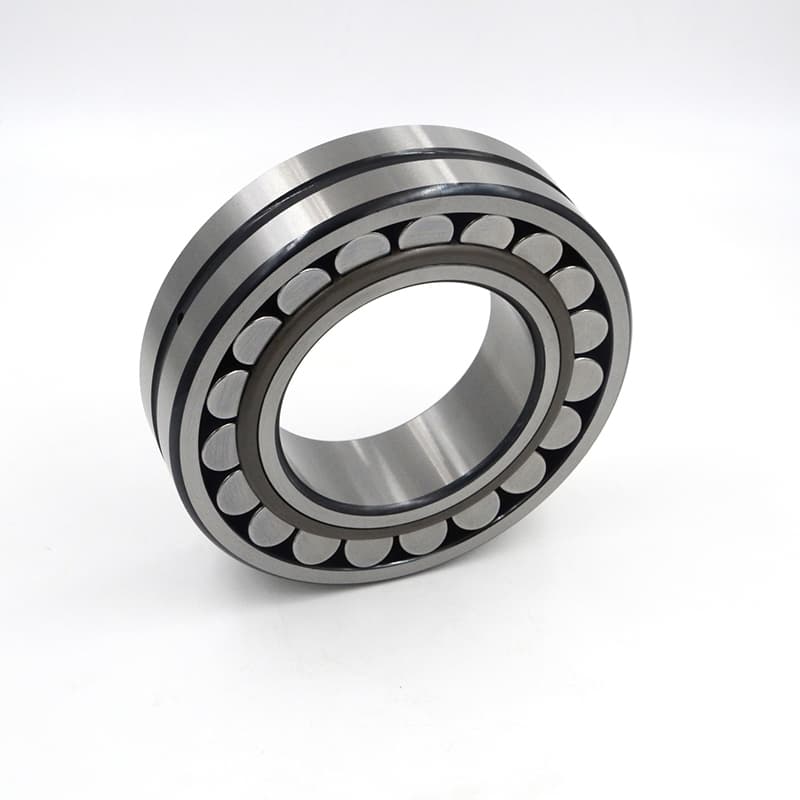
You might think all bearings are the same. But in tough jobs like mining and waste recycling, standard bearings fail fast. I want to share what I have learned from working with customers around the world. We will look at the key advantages, the right specifications, common problems, and how to install them correctly. This will help you get the most from your equipment.
What Are the Key Advantages of Spherical Roller Bearings in Screening Applications?
Have you ever wondered why some screening machines run for years without issues? Others stop every few months for repairs. The difference often comes down to the bearings.
Spherical roller bearings1 offer three main benefits: they carry high loads, they align themselves, and they last longer in dirty conditions. These features directly solve the problems seen in rotary screens and trommels.
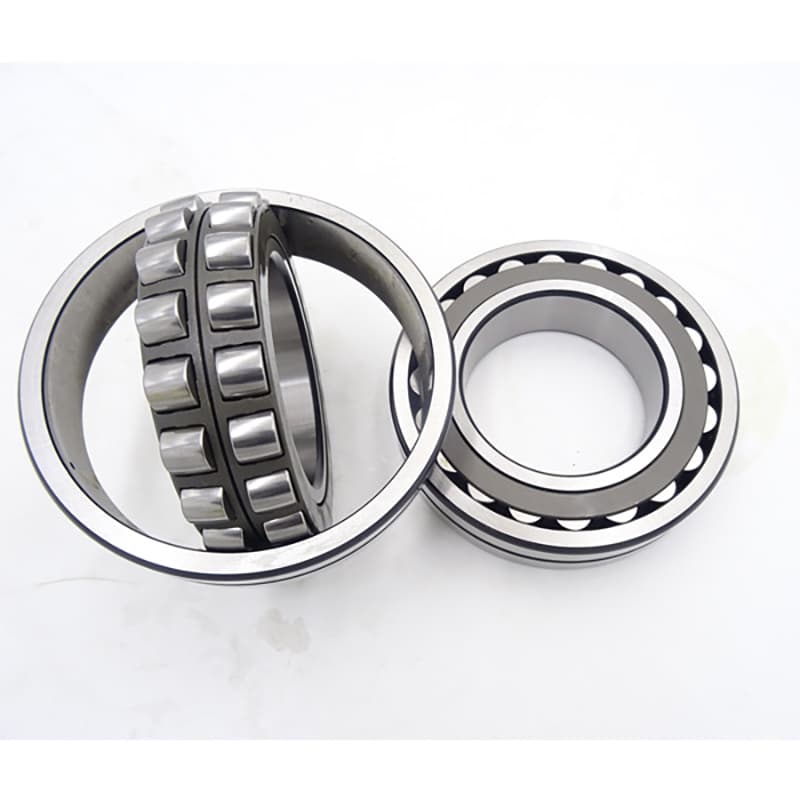
Load Capacity and Shock Resistance2
Rotary screens and trommels handle heavy materials like rocks, ore, and waste. The weight puts a lot of stress on the bearings. Spherical roller bearings have two rows of rollers. These rollers are thick and strong. They can take both radial loads (the weight pushing down) and axial loads (the thrust from the material moving). In my experience talking to maintenance teams in India and Brazil, they tell me that equipment using spherical roller bearings handles sudden shocks better. When a big rock hits the screen, the bearing absorbs the impact without breaking.
Self-Aligning Ability3
Equipment frames can bend or shift over time. The shafts may not stay perfectly straight. This causes misalignment. With standard bearings, misalignment creates high stress and quick failure. Spherical roller bearings have a special design. The outer ring has a spherical raceway. This lets the inner ring and rollers tilt a little. So the bearing can adjust to shaft bending or mounting errors. I remember a customer in Turkey who had problems with shaft deflection. We suggested spherical roller bearings. His machine ran smoothly after that.
Resistance to Contamination and Vibration4
Screening creates dust and fine particles. These particles can get into bearings and grind them down. Vibration also causes false brinelling, where the rollers make dents in the raceways. Spherical roller bearings can have strong seals and special cages that handle vibration. The design also allows for thicker lubricant films that push contaminants away. Many of our customers in South Africa use these bearings in trommels for diamond mining. The environment is dusty, yet the bearings perform well.
Here is a quick look at how spherical roller bearings compare to other types in screening applications:
| Feature | Spherical Roller Bearing | Cylindrical Roller Bearing | Deep Groove Ball Bearing |
|---|---|---|---|
| Load Capacity | Very high for both radial and axial loads | High radial only, low axial | Moderate |
| Misalignment Tolerance | Excellent (up to 2 degrees) | Poor | Poor |
| Vibration Resistance5 | Good, with special cage designs | Moderate | Low |
| Contamination Tolerance6 | Good with seals | Low | Low |
| Typical Life in Trommels | Longest | Short | Very short |
From this table, you can see why spherical roller bearings are the top choice. They match the harsh conditions better than other types.
What Technical Specifications and Design Features Matter for Heavy-Duty Trommels?
Choosing a bearing is not just about the type. The details matter a lot. Do you know which specifications really count for a trommel?
For heavy-duty trommels, you need to look at the bearing size1, the cage design2, the internal clearance3, and the precision class4. These features decide if the bearing will survive or fail.
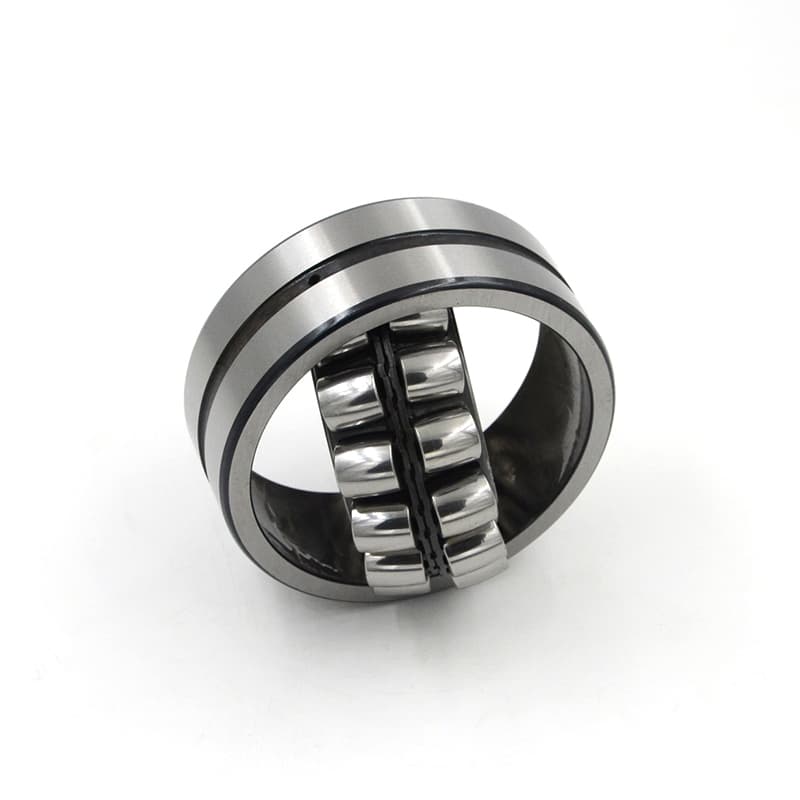
Size and Load Ratings
The first step is picking the right size. You need to calculate the loads correctly. Trommels have heavy rotating drums. The bearing must support the drum weight plus the material inside. We use the dynamic load rating5 (C) and static load rating (C0) from catalogs. I always tell my customers: do not guess. Measure the forces or ask the machine builder. For example, a large trommel in an Indonesian mine might need a bearing with a bore diameter over 300 mm. We at FYTZ provide bearings up to that size with high load ratings.
Cage Design
The cage holds the rollers in place. In vibrating equipment, the cage takes a lot of stress. Standard steel cages can crack. Brass cages are stronger. They handle shock and vibration better. Some applications use special polyamide cages, but they may not withstand high heat. For trommels, I recommend machined brass cages. They cost more, but they last much longer. I have seen too many failures from stamped steel cages breaking apart.
Internal Clearance
Internal clearance is the space between rollers and raceways. In normal conditions, standard clearance (CN) works. But trommels get hot. The shaft expands. If the clearance is too small, the bearing gets squeezed and overheats. For rotary screens, we usually need C3 or C4 clearance. This gives extra space for thermal expansion. A customer in Russia had problems with bearings seizing in winter. They thought it was cold, but actually the clearance was too tight when the machine warmed up. We switched to C4, and the problem stopped.
Precision Class
Most industrial applications use normal tolerance (P0). But for high-speed or precise machines, you may need P5 or P6. Trommels usually rotate slowly, so normal class is fine. However, if the machine has strict vibration limits, better precision helps. We offer P5 and P6 grades for those cases.
Here is a summary of specifications for a typical heavy-duty trommel:
| Specification | Typical Requirement | Why It Matters |
|---|---|---|
| Dynamic Load Rating (C) | High, based on drum weight + material | Prevents rolling contact fatigue |
| Cage Material | Machined brass or high-strength steel | Resists shock and vibration |
| Internal Clearance | C3 or C4 | Allows for thermal expansion |
| Precision Class | P0 (Normal) for most, P5/P6 for low vibration | Maintains smooth operation |
| Lubrication | Grease with high base oil viscosity | Forms a thick film against contamination |
| Seals | Optional double lip seals | Keeps dust out |
When you order bearings, check these points. They make the difference between a bearing that lasts one year and one that lasts five.
What Are Common Failure Modes and Prevention Strategies in Rotary Equipment?
Have you ever taken a failed bearing apart and wondered why it broke? Most failures follow the same patterns. Knowing them helps you stop them.
Common failures in rotary screens include contamination, fatigue, brinelling, and smearing. Each has a different cause and a different fix.
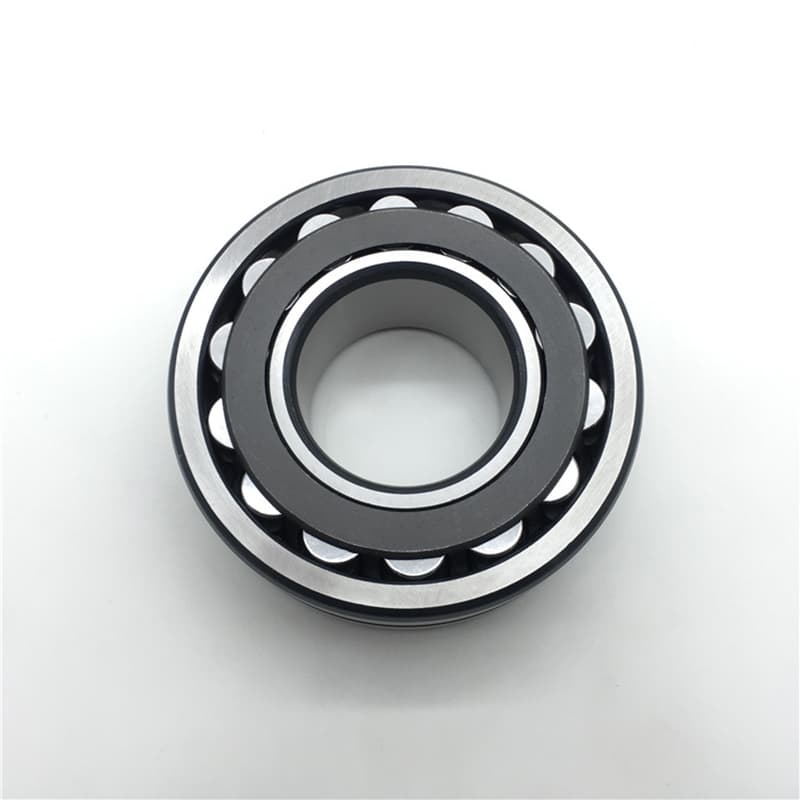
Contamination and Abrasive Wear1
Dust and dirt are the number one killers of bearings in screening. Particles get into the bearing. They act like sandpaper. The surfaces wear down. You see pitting and dull areas. To prevent this, use good seals. Also, regrease regularly. Fresh grease pushes out old, dirty grease. I recommend a regreasing schedule based on hours of operation. For example, in a cement plant in Egypt, we set up an automatic lubrication system. Bearing life doubled.
Fatigue and Spalling2
Even in clean conditions, bearings eventually fail from fatigue. The metal gets stressed millions of times. Small cracks form under the surface. Then pieces flake off. This is called spalling. It looks like small craters on the raceway. Fatigue happens faster if the load is too high. So make sure you pick the right bearing size. Also, proper lubrication helps by reducing stress.
True Brinelling and False Brinelling3
Brinelling is when the rollers make dents in the raceways. True brinelling happens from heavy static loads. For example, if you hit the bearing with a hammer during installation. False brinelling happens from vibration when the machine is not running. The rollers vibrate and wear small depressions. To avoid false brinelling, rotate the machine periodically when idle. Or use a vibration damper. For true brinelling, be careful during assembly. Never hammer a bearing directly.
Smearing and Skidding4
Smearing happens when rollers slide instead of roll. The metal transfers from one surface to another. It looks like a shiny, smeared area. This can occur during start-up if the load is too light. Trommels usually have heavy loads, so smearing is less common. But if you have a light-load condition, check the lubrication. Use an oil with anti-wear additives.
Here is a table of failure modes and what you can do:
| Failure Mode | Visual Sign | Root Cause | Prevention Strategy5 |
|---|---|---|---|
| Abrasive Wear | Dull, matte surfaces, scratches | Dirt ingress | Improve seals, regrease often |
| Spalling | Flaking on raceways or rollers | High stress, fatigue | Reduce load, use higher capacity bearing |
| True Brinelling | Dents matching roller spacing | Impact during mounting | Use proper tools, never hammer |
| False Brinelling | Shallow depressions, reddish wear debris | Vibration at standstill | Rotate shaft periodically, dampen vibration |
| Smearing | Smudged, torn metal on surfaces | Light load, sliding | Adjust load, use proper lubricant |
By checking your bearings regularly, you can spot these signs early. Then you can fix the root cause before the bearing fails completely.
How to Install Spherical Roller Bearings for Optimal Performance?
Even the best bearing will fail if you install it wrong. Do you know the right way to fit a spherical roller bearing1 on a shaft?
Installation requires clean conditions, the right tools, and careful checks. You must also set the correct internal clearance and align the housing properly.
[^2] to install a spherical roller bearing](https://sdycbearing.com/wp-content/uploads/2025/12/Spherical-Roller-Bearings-50-1.jpg)
Preparation and Cleanliness
First, clean everything. The shaft, the housing, and the bearing itself. Any dirt left behind will cause damage. I always tell my team: a clean workspace is half the job. Use lint-free cloths. Do not use compressed air to spin the bearing. It can run without lubricant and get scratched.
Mounting Methods
For small and medium bearings, you can use mechanical tools. But for large bearings, use an induction heater. Heat expands the inner ring. Then it slides onto the shaft easily. Never use a torch. It heats unevenly and damages the steel. At our factory in China, we use induction heaters for all bearings above 100 mm bore. It is safe and fast.
For spherical roller bearings on tapered sleeves, you need to control the fit. Tighten the sleeve until the radial clearance reduces to the recommended value. You measure the clearance with a feeler gauge. This step is critical. Too loose, and the bearing spins on the shaft. Too tight, and the internal clearance disappears.
Alignment Checks
After mounting, check the alignment. Misalignment speeds up wear. Use a dial indicator or a laser tool. The goal is to get the shaft and housing within the bearing’s self-aligning range. But do not rely on the bearing to fix big errors. The frame should be straight.
Lubrication
Finally, lubricate correctly. Use the right grease or oil. Fill the bearing completely, but do not overfill the housing. For grease-lubricated bearings, fill about 30% of the free space. Too much grease causes high temperature. For oil lubrication3, maintain the correct oil level.
Here is a quick installation checklist:
| Step | Action | Tool/Method |
|---|---|---|
| 1 | Clean shaft and housing | Lint-free cloth, solvent |
| 2 | Inspect bearing for damage | Visual check |
| 3 | Heat bearing (if interference fit) | Induction heater |
| 4 | Mount bearing on shaft | Sleeve or hydraulic nut |
| 5 | Check reduced clearance (for taper bore) | Feeler gauge |
| 6 | Align shaft and housing | Dial indicator or laser |
| 7 | Lubricate | Grease gun or oil fill |
| 8 | Run-in at low speed | Check temperature and noise |
Following these steps will give your bearing the best start. I have seen installations done poorly, and the bearings failed in weeks. Proper installation makes them last for years.
Conclusion
Choosing the right spherical roller bearing and installing it well keeps your rotary screens running. It saves you money and downtime.
-
Explore this link to learn essential techniques for installing spherical roller bearings effectively, ensuring optimal performance. ↩ ↩ ↩ ↩
-
Discover how induction heaters facilitate safe and efficient bearing installation, preventing damage and ensuring longevity. ↩ ↩ ↩
-
Find out the best lubrication practices for spherical roller bearings to enhance their performance and lifespan. ↩ ↩ ↩ ↩
-
Learn about the causes of smearing and skidding to better manage lubrication and load conditions in your equipment. ↩ ↩ ↩
-
This resource will provide you with comprehensive prevention strategies to avoid common bearing failures. ↩ ↩ ↩
-
Explore the importance of contamination tolerance in bearings to ensure optimal performance in dusty conditions. ↩