
Every factory manager knows the pain of a sudden machine stop. Production halts, deadlines slip, and repair costs pile up. Often, the culprit is a failed bearing. But most of these failures are avoidable.
Choosing the right spherical roller bearing for your specific application can cut unplanned downtime significantly. It starts with understanding how bearings fail, then matching the bearing design to your operating conditions, and finally ensuring proper installation and lubrication.
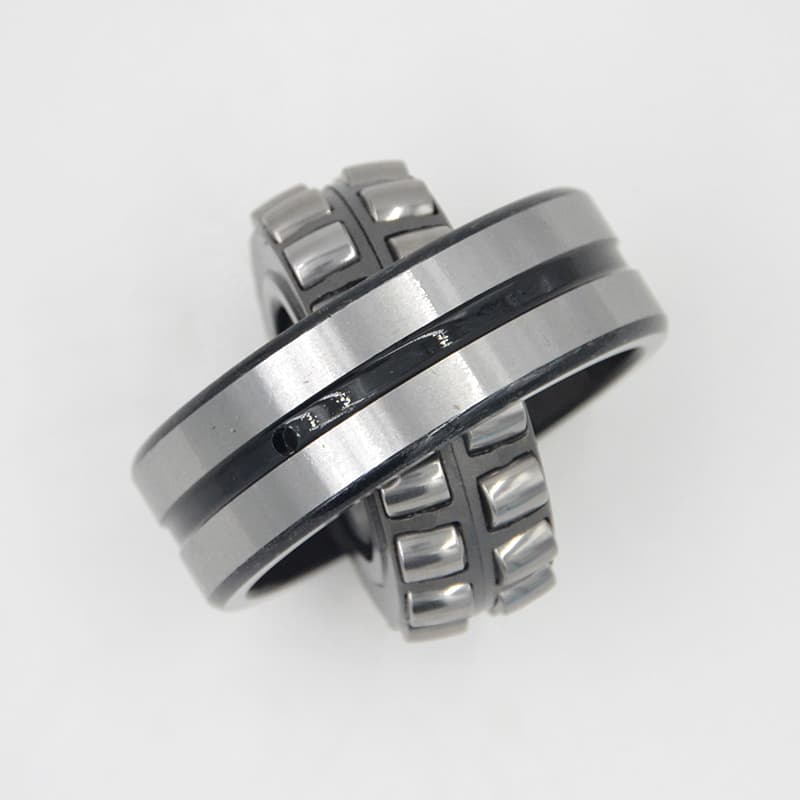
In my years at FYTZ Bearing, I have visited countless factories and spoken with maintenance teams. I have seen the same mistakes repeated. Bearings fail early not because they are low quality, but because they are the wrong fit for the job. Let me walk you through the three key areas where better selection makes the biggest difference.
Understanding Failure Modes: How Incorrect Bearing Selection Leads to Unplanned Downtime
A bearing in a machine looks fine on the outside. But inside, damage builds up slowly. One day, it fails completely. The machine stops, and everyone wonders why.
Incorrect bearing selection1 is the root cause of most premature failures2. When you choose a bearing without fully understanding the loads, speeds, and environmental conditions, you invite failure modes like fatigue, wear, and overheating. Each of these leads directly to unplanned downtime.
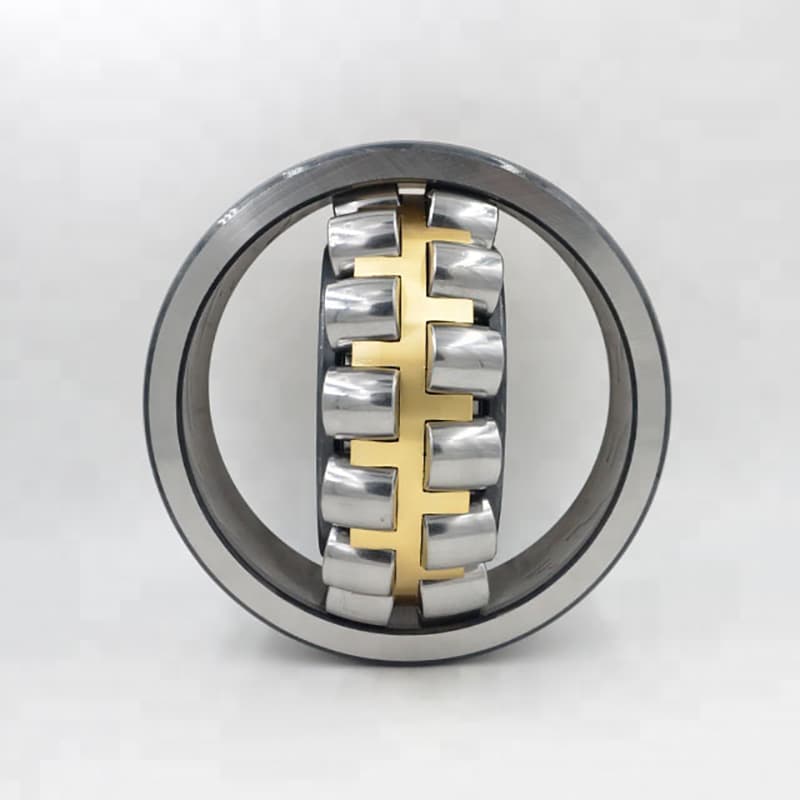
Common Failure Modes and How Selection Plays a Role
To select better, you must first know what can go wrong. Below is a breakdown of the most frequent failure modes in spherical roller bearings. Each one ties back to a specific oversight in the selection process.
| Failure Mode | Description | Why Incorrect Selection Causes It | How to Prevent with Better Selection |
|---|---|---|---|
| Fatigue Spalling3 | Flaking of material from raceways or rollers. | Bearing is too small for the load. Dynamic load rating (C) is insufficient. | Calculate actual loads and choose a bearing with adequate dynamic capacity. Consider higher series like 222 instead of 213. |
| Wear | Loss of material from surfaces, often due to contamination or poor lubrication. | Wrong internal clearance (C2 instead of C3) leads to tight fit and metal-to-metal contact. Ineffective seals allow dirt ingress. | Select bearings with proper clearance for interference fits. Choose enhanced seals (RS or 2RS) for dirty environments. |
| Plastic Deformation | Indentations in raceways from heavy static loads or shock loads. | Static load rating (C0) is too low for peak loads. | Verify peak loads and select a bearing with sufficient static capacity. Consider using a stronger cage material to handle shock. |
| Overheating4 | Discoloration, softening, and premature failure due to high temperature. | Incorrect lubricant choice or excessive internal clearance leading to skidding. | Match lubricant viscosity to operating temperature and speed. Specify appropriate internal clearance (C3, C4) for thermal expansion. |
| Fretting Corrosion5 | Surface damage from small vibrations between bearing and shaft/housing. | Loose fit on shaft allows micromotion. | Ensure correct shaft tolerances. Use bearings with increased interference fit capability. |
| Cage Fracture6 | Breakage of the cage that holds rollers. | Cage material not suited for high acceleration or vibration. | For high-vibration applications, select machined brass cages instead of stamped steel. |
I remember a customer in India who had repeated failures in their vibrating screens. They used standard steel-caged bearings, and the cages would crack within months. We switched them to bearings with brass cages and increased clearance. The bearings now last over two years. That is the power of matching selection to the real working conditions.
When you look at a failed bearing, do not just replace it. Ask why it failed. Was it fatigue? Look at the load calculations. Was it wear? Check the seals and clearance. Each failure mode tells you what went wrong in the selection process.
Optimizing for Harsh Environments: Seals, Internal Clearance, and Cage Design
A cement plant in Egypt called us once. Their bearings kept failing after only a few weeks. The environment was full of dust and moisture. The bearings they used were standard open types with no protection.
For harsh environments, you must optimize three key features: seals1, internal clearance2, and cage design3. These elements determine whether a bearing survives or fails quickly.
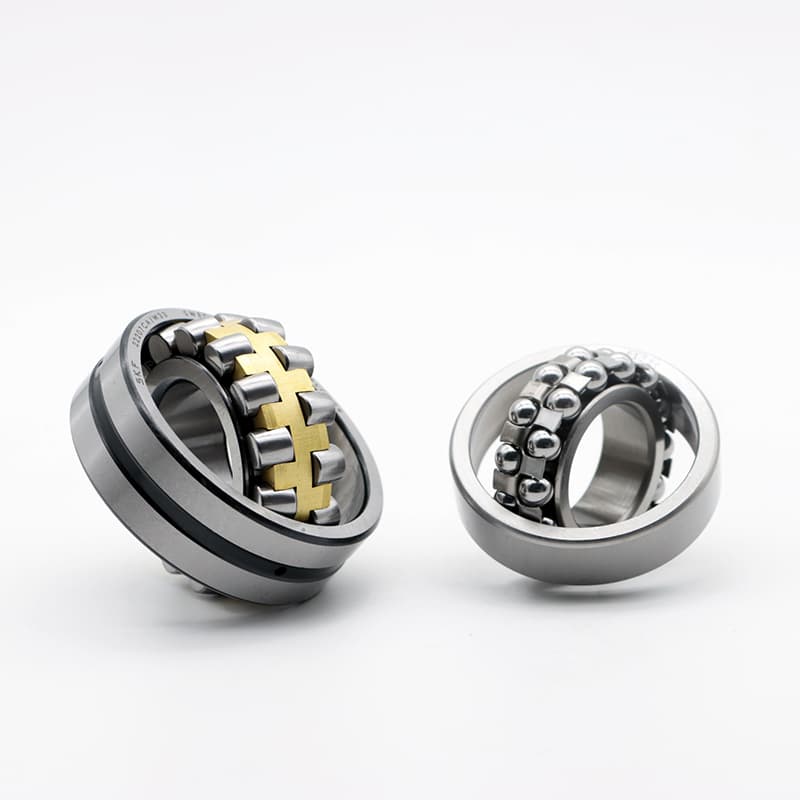
Seals: The First Line of Defense
Seals keep contaminants out and lubricant in. In dirty environments, this is critical. There are two main seal types:
- Non-contact seals4 (e.g., Z, ZZ): Offer low friction but little protection against fine dust. They work in relatively clean conditions.
- Contact seals (e.g., RS, 2RS): A rubber lip touches the inner ring. They provide excellent protection but generate more friction and heat.
For truly harsh environments, like crushers or mixers, I always recommend double contact seals. Yes, they have slightly higher friction, but the extended bearing life far outweighs the small energy loss.
Internal Clearance: Room to Grow
Internal clearance is the internal looseness inside the bearing before mounting. When you press a bearing onto a shaft, the inner ring expands and reduces clearance. If the bearing runs hot, the shaft expands further. Without enough initial clearance, the bearing becomes preloaded and overheats.
Standard clearance (CN) is fine for many applications. But for harsh environments with higher temperatures or interference fits, you need C3 or even C4 clearance.
I had a paper mill customer in Indonesia. Their dryer rolls ran hot. They used CN clearance bearings, and the bearings seized repeatedly. We supplied C4 clearance bearings, and the problem vanished. The extra clearance allowed for thermal expansion without binding.
Cage Design: Holding It Together
The cage keeps the rollers evenly spaced. In harsh conditions with vibration, shock, or high speeds, the cage takes a beating.
- Stamped steel cages: Economical and good for normal conditions. But they are flexible and can break under heavy vibration.
- Machined brass cages5: Stronger, more precise, and resist shock. They are ideal for vibratory screens, gearboxes, and heavy industrial applications.
- Polymer cages: Lightweight and corrosion-resistant. They work well in clean, high-speed applications but may not tolerate high temperatures.
When a customer in South Africa complained about frequent bearing failures in their mining conveyors, we found the steel cages were failing. We upgraded to brass cages. The bearings now handle the shock loads without issue.
Choosing the right combination of seals, clearance, and cage is not complicated. But it requires you to look beyond the part number and think about the real working environment.
Installation & Maintenance Synergy: Why Correct Mounting and Lubrication1 Matter
Even the best selected bearing will fail early if it is installed poorly or neglected. I have seen million-dollar machines stopped by a simple mounting mistake.
Correct mounting2 and proper lubrication are not optional. They are part of the selection process. When you choose a bearing, you must also plan how it will be installed and maintained.
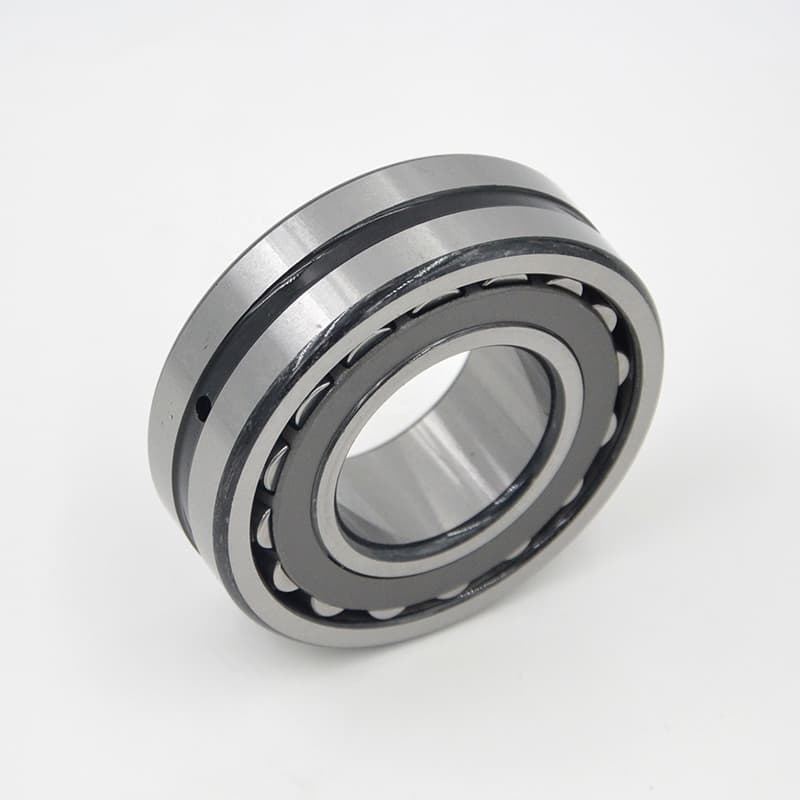
Mounting: The Right Tools and Techniques
Spherical roller bearings3 are robust, but they are also sensitive to mounting errors. Here are common mistakes and how to avoid them:
| Mounting Error | Consequence | Correct Practice |
|---|---|---|
| Hammering on outer ring | Brinelling of raceways, damage to rollers | Use an induction heater or oil bath to heat the bearing evenly. Never apply force through the rolling elements. |
| Incorrect fit (too loose or too tight) | Creep on shaft or inner ring fracture | Follow manufacturer’s tolerance recommendations. Measure shaft and housing diameters. |
| Misalignment of bearing seats | Uneven load distribution, premature fatigue | Check alignment with dial indicators. Use self-aligning feature only for minor misalignment, not as a crutch. |
| Contamination during mounting | Abrasive wear, reduced life | Work in a clean area. Unpack bearing just before mounting. Use clean tools. |
I recall a distributor in Turkey who had a customer with repeated failures in their textile machinery. The bearings were failing after only three months. We visited the site and watched their maintenance team install a new bearing. They were hammering it onto the shaft with a steel tube. We explained the correct method and supplied an induction heater. The bearings now last over two years.
Lubrication: The Lifeblood of the Bearing
Lubrication is more than just adding grease. It is about choosing the right type, quantity, and interval.
- Grease vs. Oil: Grease is simpler for most applications. Oil is better for high speeds or when heat needs to be carried away.
- Viscosity: The oil in the grease must form a film thick enough to separate the rollers and raceways. For spherical roller bearings, a minimum viscosity ratio (kappa) of 1 to 2 is recommended. Use online calculators or manufacturer tables to select the right base oil viscosity.
- Relubrication interval4: In harsh environments, you must regrease frequently. Contamination and heat break down the grease. A general rule: for dirty, hot conditions, regrease every 3 to 6 months. But check the manufacturer’s recommendations.
One of our customers in Vietnam runs a rice mill. The bearings in the polishers get dusty and run hot. They were regreasing once a year, and bearings failed often. We advised them to regrease every two months with a high-temperature, water-resistant grease. The bearing life tripled.
Remember: installation and lubrication are not afterthoughts. When you select a bearing, you also select a mounting method and a lubrication plan. Neglect either, and you will still face unplanned shutdowns.
Conclusion
Reduce unplanned shutdowns by choosing spherical roller bearings based on failure modes, optimizing for your environment, and ensuring correct installation and lubrication. It is a simple formula that works.
-
Exploring lubrication methods can enhance bearing efficiency and longevity, ensuring smoother operations. ↩ ↩ ↩
-
Understanding correct mounting techniques can prevent costly machinery failures and extend bearing life. ↩ ↩ ↩
-
Learn about the benefits of spherical roller bearings to make informed choices for your machinery. ↩ ↩ ↩
-
Finding the right relubrication interval is crucial for maintaining bearing performance and preventing failures. ↩ ↩ ↩
-
Explore the advantages of brass cages in bearings, especially in high-vibration and shock-load environments. ↩ ↩
-
Learning about cage fracture can guide you in selecting the right materials for high-vibration applications, ensuring reliability. ↩