
Is your industrial mixer constantly breaking down? Downtime eats your profits and frustrates your team. Choosing the right bearing is the first step to reliable operations.
Spherical roller bearings are the top choice for heavy-duty mixers and agitators because they handle heavy loads, shock, and misalignment better than any other bearing type. Their unique design ensures long service life even in dirty, vibrating environments.
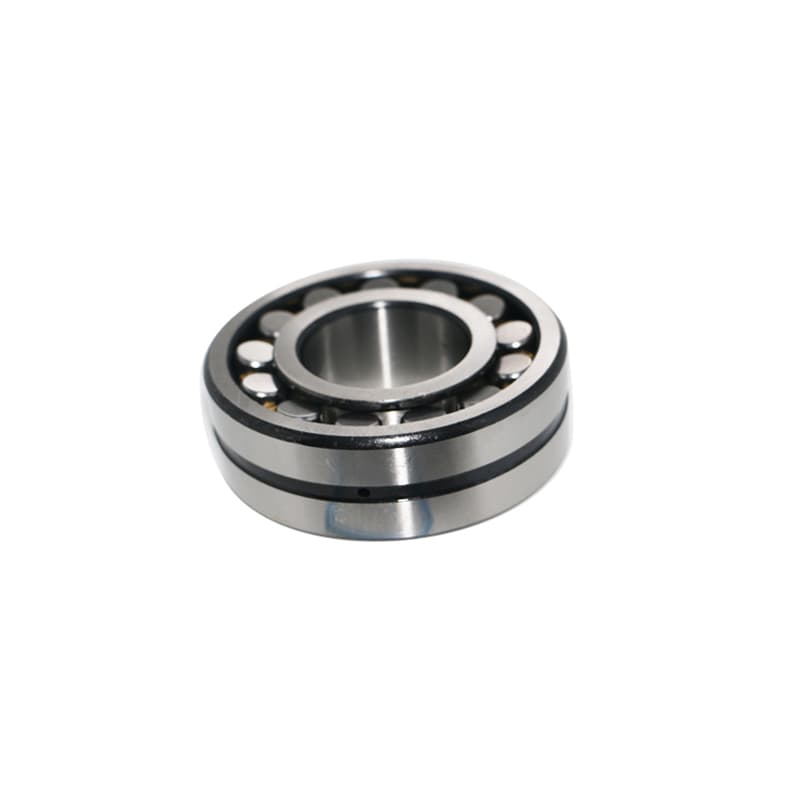
So, what makes them so tough? Let’s walk through the design and performance features that keep your equipment running.
Why Spherical Roller Bearings Are Ideal for Heavy-Duty Mixing Applications
Are your mixer bearings failing too soon? Frequent replacements cost you time and money. You need a bearing that can stand up to the punishment.
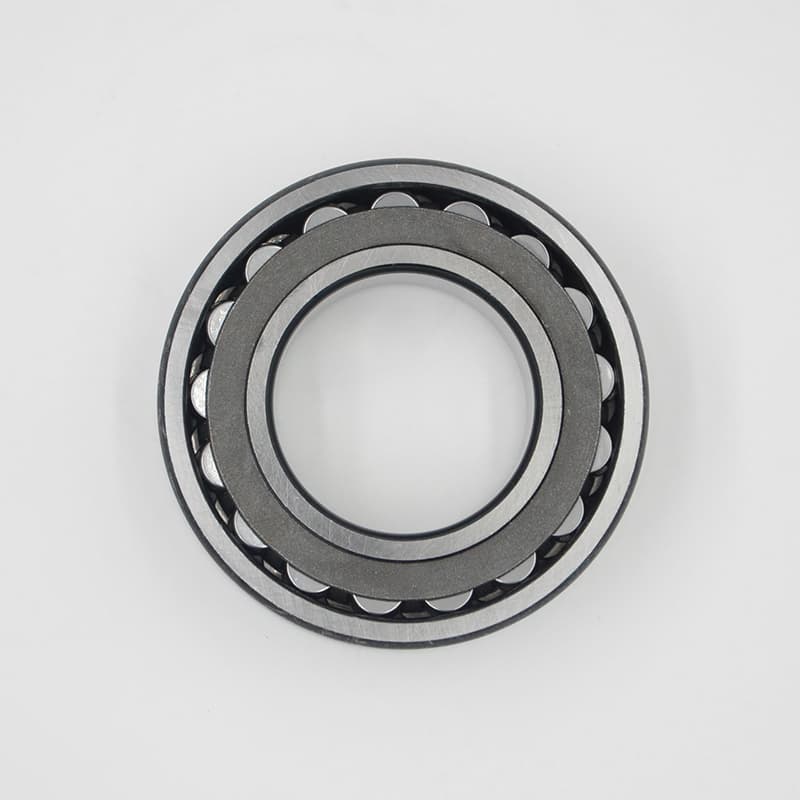
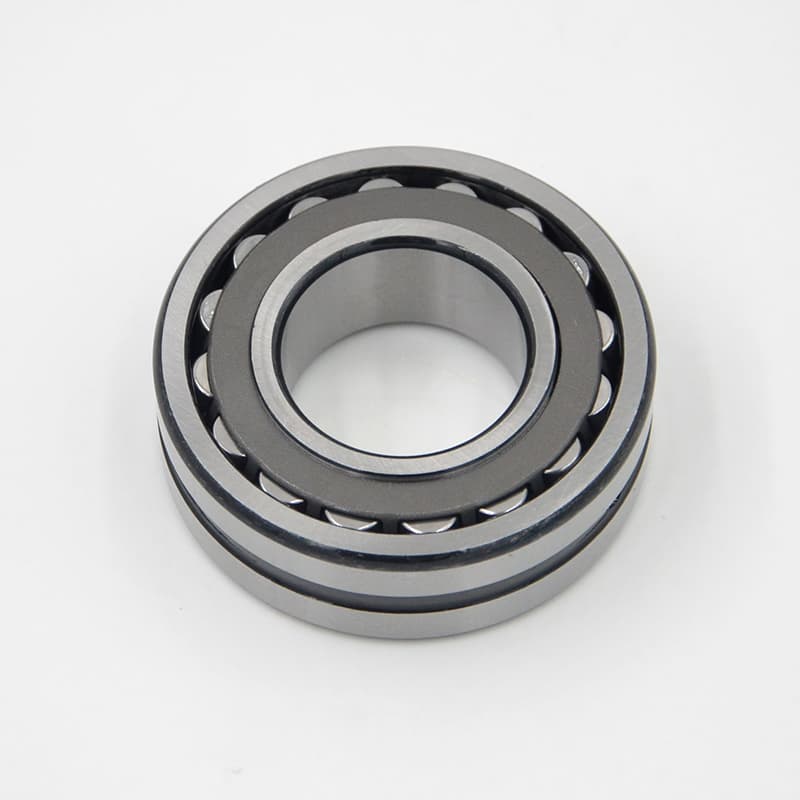
Spherical roller bearings1 are ideal because they have two rows of rollers that self-align. This means they can handle shaft deflection and heavy radial and axial loads that are common in mixing applications.
Understanding the Core Strengths
When I talk to customers like Rajesh in India, they often ask why spherical roller bearings work better than other types in their mixers. Let me break it down.
Mixers and agitators often have long shafts. These shafts can bend under heavy loads or from thermal expansion. In a typical ball bearing, this misalignment creates stress points. The bearing wears out fast. Spherical roller bearings have a spherical raceway on the outer ring. This lets the inner ring and rollers tilt slightly. The bearing corrects itself. It does not fight the misalignment. This reduces friction and heat.
Mixing heavy materials like concrete, chemicals, or food paste creates massive forces. There are both radial loads (pushing down) and axial loads (pushing sideways). Spherical roller bearings are built for this. They have two rows of thick, barrel-shaped rollers. This gives them a high load rating in a compact size. They can take the pounding day after day.
Shock and Vibration Resistance4
Industrial mixers vibrate. Sometimes, a lump of material hits the blade. That sends a shock through the shaft. Spherical roller bearings absorb these shocks better than many other designs. The rollers are designed to distribute the stress.
At FYTZ, we have seen mixers in Turkish marble processing plants run for years on our spherical roller bearings. The customer there told me they previously used cylindrical roller bearings. Those bearings failed every six months. After switching to our spherical design, they got over two years of continuous work. That is the real-world difference.
Here is a simple comparison of bearing types in mixers:
| Bearing Type | Misalignment Tolerance | Load Capacity | Shock Resistance | Typical Life in Heavy Mixer |
|---|---|---|---|---|
| Spherical Roller | Excellent | Very High | Excellent | Long |
| Cylindrical Roller | Poor | High (Radial only) | Good | Medium |
| Deep Groove Ball | Poor | Medium | Poor | Short |
| Taper Roller | Good | High | Good | Medium |
The table shows why we recommend spherical roller bearings for almost all heavy-duty mixing jobs.
Key Design Features That Ensure Reliability in Industrial Agitators
What makes one spherical roller bearing1 last longer than another? Small design details decide if your agitator runs for five years or fails in five months.
Reliability comes from specific design features like optimized internal geometry, premium steel, precision cages, and superior sealing. These features work together to prevent the most common failure modes.
Inside the Bearing: What Really Matters
I have walked through our factory lines many times. I have seen how small changes in design create big differences in the field. Here are the details we focus on.
Roller Profile and Geometry
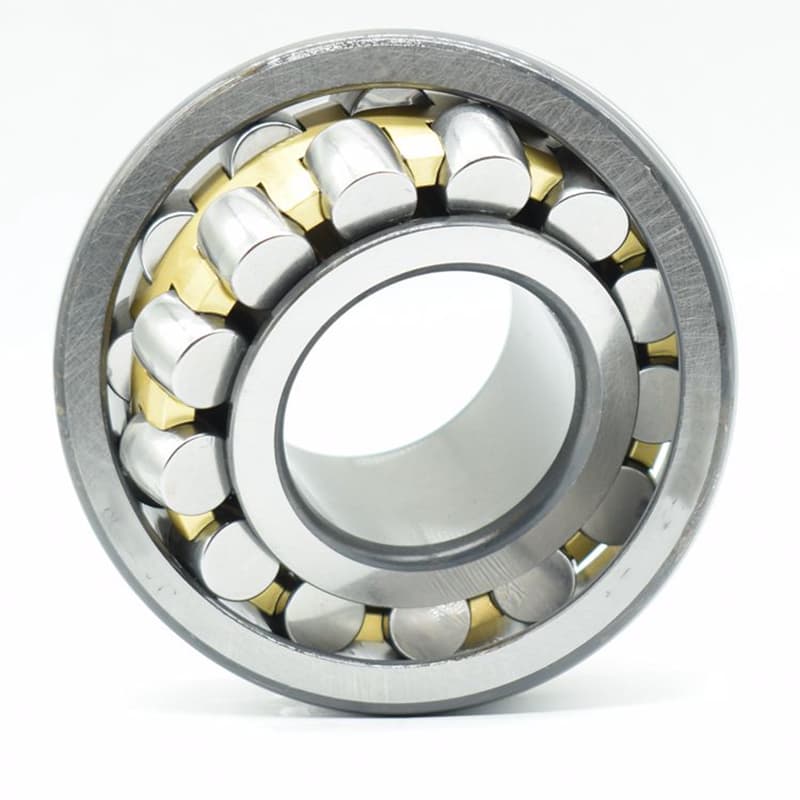
It is not just a simple cylinder. The rollers have a special curved profile. This is called a logarithmic profile. It distributes the stress evenly along the roller length. If the profile is wrong, stress builds at the ends of the roller. This causes edge loading. The bearing cracks. We use advanced grinding machines to get this profile exactly right.
Cage Design and Material
The cage holds the rollers in place. In a mixer, the cage takes a lot of acceleration and deceleration forces. A weak cage breaks. We use machined brass cages for the toughest jobs. Brass is strong and also acts as a lubricant if there is slight metal-to-metal contact. For some applications, stamped steel cages work well and reduce cost. We choose based on the customer’s specific needs.
Internal Clearance
This is a big one. Bearings need space inside to expand when they get hot. In a mixer, the shaft gets hot. The bearing gets hot. If the internal clearance2 (called C3, C4, etc.) is too small, the bearing preloads itself. It grabs the rollers and overheats. We usually recommend C4 clearance for mixers that run hot or have long shafts. This extra space allows for thermal expansion.
Precision Grades (P5/P6)
Standard bearings work for many jobs. But for mixers that need high precision or run at higher speeds, we offer P5 or P6 class bearings. These have tighter tolerances. The runout is less. The vibration is lower. I remember a customer in Brazil who makes pharmaceutical mixers. They needed very low noise and smooth operation. Our P5 spherical roller bearings solved their problem.
Here is a breakdown of design features and their benefits:
| Design Feature | What It Does | Benefit for Agitator |
|---|---|---|
| Optimized Roller Profile | Spreads load evenly | Prevents edge stress, extends life |
| Machined Brass Cage | Guides rollers smoothly | Handles high acceleration, resists wear |
| C4 Internal Clearance | Allows for heat expansion | Prevents seizure in hot conditions |
| P5/P6 Precision | Reduces runout and vibration | Ensures smooth, quiet operation |
| High-Grade Steel | Resists fatigue and wear | Withstands continuous heavy loads |
We test every batch in our inspection line. We check these features before any bearing leaves our factory. This is how we ensure reliability for our customers.
Enhanced Performance Benefits: Longevity and Maintenance Efficiency
Do you want to cut your maintenance costs? Longer bearing life means less downtime and fewer spare parts in your inventory.
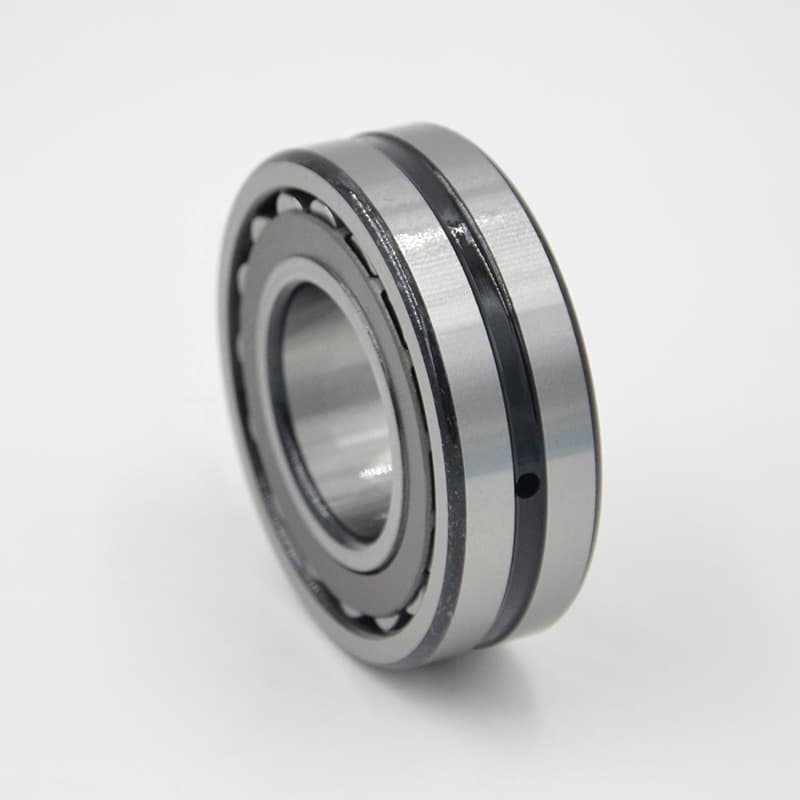
Spherical roller bearings1 deliver longer life and lower maintenance needs by reducing friction, running cooler, and tolerating contamination better. This directly improves your bottom line.
How Performance Translates to Savings
Let me explain how these performance benefits show up in your daily operations. I often share these points with procurement managers like Rajesh.
Extended Lubrication Intervals2
In many mixers, regreasing is a dirty job. It is easy to forget or do it wrong. Spherical roller bearings, with their optimized internal design, often need less frequent lubrication. The grease stays inside longer. It does not get churned out. This means you can run longer between maintenance stops. Some of our customers in the food industry have extended their regreasing cycles by 30% or more.
Friction creates heat. Heat kills bearings. It breaks down the oil film. It expands the metal. Our design focuses on smooth rolling action and efficient heat dissipation. Bearings run cooler. Cooler bearings mean the oil lasts longer. The material does not soften. The risk of seizure drops. We have measured temperature drops of 5 to 10 degrees Celsius on some mixer applications after switching to our bearings.
Robustness Against Contamination4
Mixers are rarely clean. Dust, water, and process materials can get into the bearing. Spherical roller bearings handle this better. Their internal geometry allows some contamination to pass through without immediately damaging the rolling surfaces. We can also add special seals or shields to the bearing. This keeps the dirt out and the grease in.
Simplified Inventory
Because one spherical roller bearing can handle both radial and axial loads, you might not need separate bearings for each load direction. This simplifies your spare parts stock. Instead of stocking two or three different bearings for one mixer, you might only need one.
Here is an example from a client in Indonesia. They run palm oil agitation tanks. The environment is hot and humid. They were replacing bearings every four months. They switched to our spherical roller bearings with a special coating and C4 clearance. Now, they get over a year of service. Their maintenance team spends less time on repairs. The production line runs smoother. That is the real benefit.
Critical Selection Criteria for Mixer and Agitator Bearings
How do you pick the exact bearing for your machine? One wrong number on the spec sheet can lead to failure.
You must consider load type and size1, speed, operating temperature2, lubrication method, and mounting arrangement. Matching the bearing’s specifications to your actual working conditions is the key to success.
A Practical Guide to Choosing
When I help a customer select a bearing, we go through a checklist. I recommend you do the same.
Step 1: Calculate the Loads
First, figure out the forces. What is the weight of the mixer and the material? This gives you the radial load. Next, look at the thrust. Is the mixer vertical or horizontal? Does the blade push down or pull up? This is the axial load. Spherical roller bearings can handle both. You need to calculate the equivalent dynamic load3 (P). Use the formula P = XFr + YFa. The X and Y factors come from the bearing catalog. If you are not sure, send us your numbers. We can help.
Step 2: Determine the Speed
How fast does the shaft turn? Spherical roller bearings have a speed rating. Going too fast causes heat. The cage might not handle it. We need to know the RPM. For higher speeds, we might recommend a lighter cage design or a higher precision class.
Step 3: Check the Temperature
What is the normal operating temperature? What is the maximum? High temperature changes the internal clearance. It also affects the lubricant. For temperatures above 100°C, we need special heat-stabilized bearings. We also need to pick the right grease.
Step 4: Choose the Right Fit and Clearance
This is about how tight the bearing sits on the shaft and in the housing. A loose fit lets the bearing spin and wear the shaft. A too-tight fit takes away all internal clearance. For mixers, we often use a tight fit on the rotating shaft and a looser fit in the housing. We also choose the radial clearance class (like C3 or C4) based on the temperature and fit.
Step 5: Consider Sealing and Lubrication
Will the bearing be open, sealed, or shielded? If the mixer environment is dirty, a sealed bearing might be best. But sealed bearings have a speed limit. For oil lubrication, we need to consider oil level and viscosity. For grease, we need to plan regreasing channels.
Here is a quick selection checklist table:
| Selection Factor | What to Check | Typical Recommendation for Mixers |
|---|---|---|
| Load Ratio | Fa/Fr ratio | Select bearing with sufficient axial capacity |
| Speed | RPM | Verify against limiting speed; consider P5 for higher speeds |
| Temperature | Max temp | Choose correct clearance (C3/C4) and heat treatment |
| Shaft Fit | Rotating or stationary | k5 or m6 for rotating shaft |
| Housing Fit | Stationary or rotating | H7 or M7 for stationary housing |
| Lubrication | Grease or oil | Grease with high dropping point; provision for regreasing |
| Special Needs | Washdown, chemical exposure | Consider coated bearings or stainless steel variants |
We at FYTZ offer OEM/ODM customization4. If your mixer has a special requirement, we can design the bearing to match. We have done this for customers in Russia and Egypt. They gave us their operating conditions, and we provided the perfect bearing.
Conclusion
Choosing spherical roller bearings for your mixers and agitators is a smart move for reliability and cost savings. Focus on design features and proper selection to get the longest life.
-
Understanding load types and sizes is essential for selecting the right bearing; this link provides valuable insights. ↩ ↩ ↩ ↩
-
Learn why operating temperature is crucial for bearing performance and how to choose the right type. ↩ ↩ ↩ ↩
-
This resource will guide you through the calculation process, ensuring you select the right bearing for your application. ↩ ↩ ↩
-
Explore how OEM/ODM customization can meet your specific bearing needs and improve machine performance. ↩ ↩ ↩