
Choosing the wrong shaft and housing fit for spherical roller bearings is a common mistake. It leads to early failure, unplanned downtime, and high repair costs. Let me show you how to get it right every time.
To match spherical roller bearings with shaft and housing dimensions, you must consider the type of load (rotating or stationary), the operating conditions, and the desired fit class. Use ISO 286 tolerances to select the appropriate shaft and housing tolerances. For rotating inner ring loads, choose an interference fit. For stationary loads, a clearance fit works.
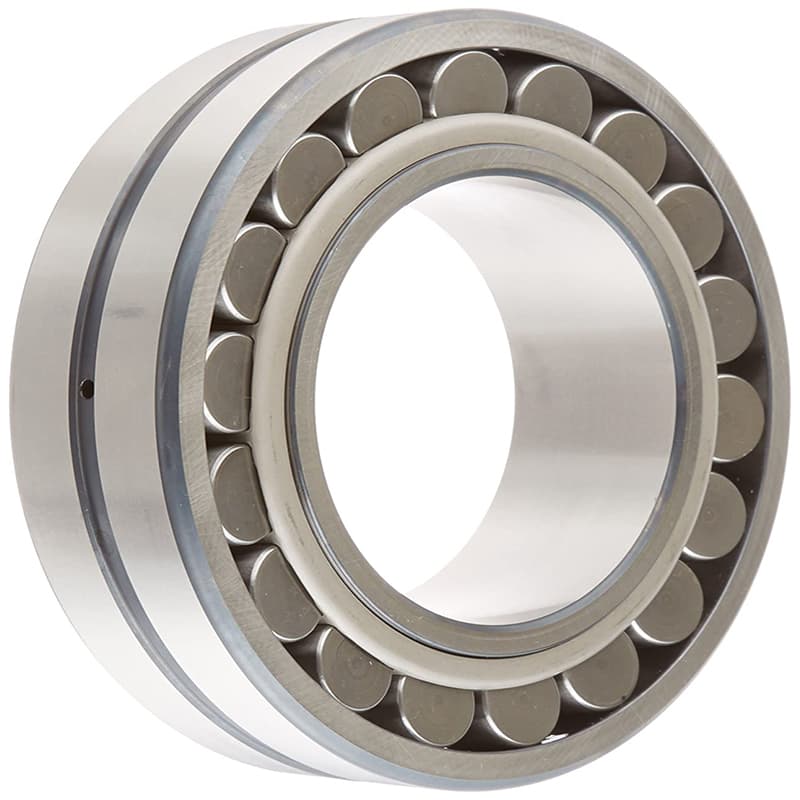
Many bearing failures I see in my daily work come from incorrect mounting fits. But how do you actually determine the right fit for your specific application? Let’s break down the process step by step.
How to determine bearing shaft and housing fit1?
Determining the correct fit can be confusing. If the fit is too tight, the bearing may seize. If it’s too loose, it may spin on the shaft. Here is how to decide.
Determine bearing shaft and housing fit based on the load direction and type2. If the load rotates relative to the ring, use an interference fit3. If the load is stationary relative to the ring, use a clearance fit. Also consider the bearing size, speed, and material.
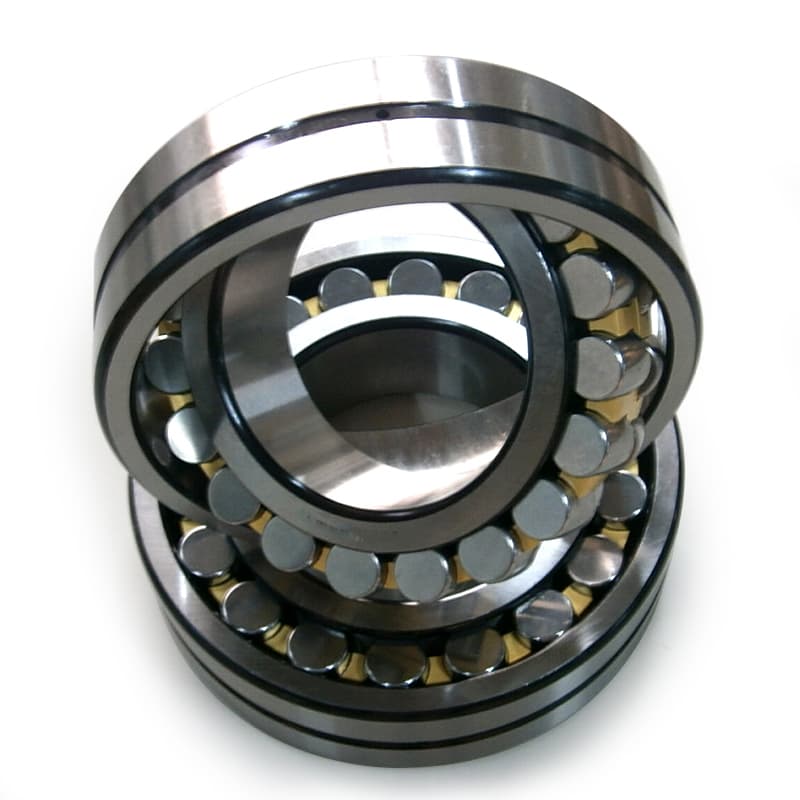
Load conditions and fit selection
In my years at FYTZ Bearing, I have seen many customers struggle with this. The first thing you need to understand is the type of load acting on the bearing. For spherical roller bearings, we usually talk about three load conditions:
- Rotating load on the inner ring: The load direction moves around the circumference of the inner ring. This is common in rotating shafts. The inner ring needs to be tight on the shaft to prevent it from creeping (slowly rotating) and wearing the shaft.
- Stationary load on the inner ring: The load direction is fixed relative to the inner ring. This happens when the shaft is stationary and the housing rotates, or when the load direction is constant. Here, the inner ring can have a looser fit.
- Indeterminate load: The load direction varies or is unpredictable. This often requires a compromise fit.
For a rotating load on the inner ring, we need an interference fit. For a stationary load, we can use a clearance or transition fit. The same logic applies to the outer ring in the housing. If the outer ring rotates relative to the load, it needs an interference fit in the housing.
ISO tolerance classes4
We use ISO 286 to define the tolerance zones for shafts and housings. For spherical roller bearings, the recommended shaft tolerances are often in the range of j6 to p6, depending on the application. Housing tolerances range from H7 to N7.
Here is a simple table I often share with customers:
| Condition (Inner Ring) | Shaft Tolerance | Typical Application |
|---|---|---|
| Rotating load, light | j6, k6 | Electric motors, fans |
| Rotating load, normal | m6 | Gearboxes, pumps |
| Rotating load, heavy | n6, p6 | Heavy vibrators, railroad axles |
| Stationary load | g6, h6 | Wheels on non-rotating axles |
For the housing, the table looks like this:
| Condition (Outer Ring) | Housing Tolerance | Typical Application |
|---|---|---|
| Rotating load | P7, N7 | Wheel hubs, rope sheaves |
| Stationary load, normal | H7 | General housings, gearboxes |
| Stationary load, light | J7, K7 | Thin-walled housings |
| Point load, easy mounting | G7 | Idler pulleys |
Housing fit considerations
The housing fit is just as important as the shaft fit. I remember a case where a distributor from India, Mr. Rajesh, called me about bearings failing in a gearbox. The shafts were fine, but the housings were worn. They had used an H7 fit for a rotating outer ring application. That was the problem. For rotating outer rings, you need an interference fit in the housing, like N7 or P7.
You also need to think about the housing material. Aluminum housings expand more than cast iron or steel. So you might need a slightly tighter fit to maintain the same interference at operating temperature.
Practical tips from my experience
In our factory in China, we always tell our customers: "When in doubt, check the catalog." Every bearing manufacturer, including FYTZ, provides fit recommendations in their technical guides. Use them. Also, never mix fits. For example, do not use a p6 shaft with an H7 housing if the outer ring is rotating. That would give you a tight fit on the shaft and a loose fit on the housing, which is exactly the opposite of what you need.
How do you determine bearing size1 for a shaft?
Picking the right bearing size is not just about the shaft diameter. Many factors influence this choice. Let me guide you.
To determine bearing size for a shaft, you need to calculate the required load rating (dynamic and static) based on the application loads and expected life. Then select a bearing that fits the shaft diameter and meets those load requirements.
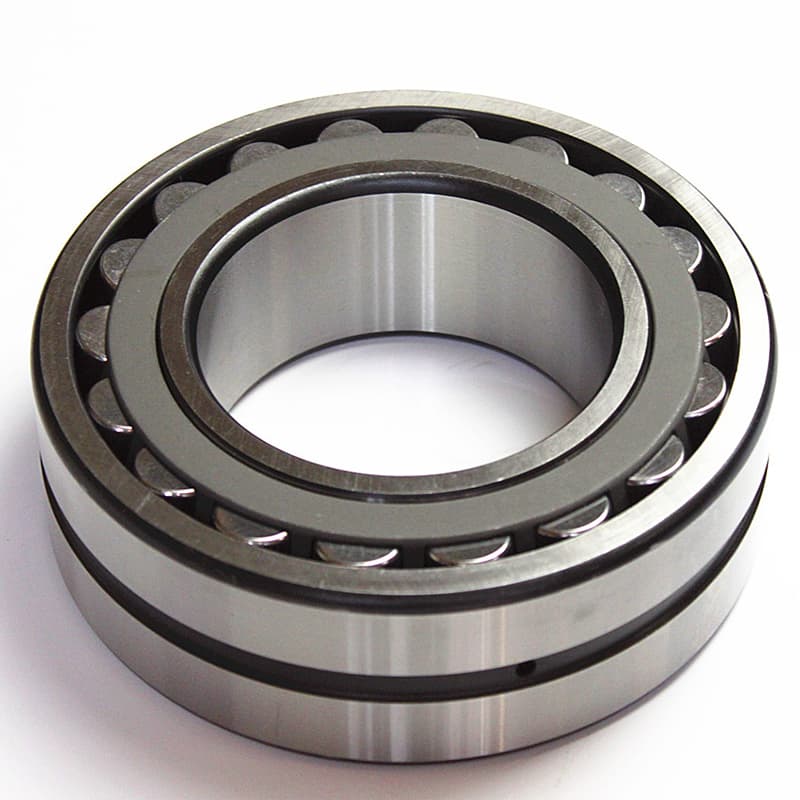
Basic steps for bearing size selection
I often get emails from procurement managers like Rajesh asking, "Which bearing do I need for a 100 mm shaft?" My answer is always the same: "It depends." Here are the steps I follow:
- Know the shaft diameter: This is usually given by the machine design. In our example, it’s 100 mm.
- Calculate the loads: You need the radial load (and any axial load) that the bearing will see. For spherical roller bearings2, they handle high radial loads and some axial load.
- Determine the required life: How many hours should the machine run? 10,000 hours? 50,000 hours?
- Calculate the required basic dynamic load rating3 (C): Use the bearing life formula: L10 = (C/P)^p 1,000,000 / (60 n). This looks complex, but we have calculators. You need a C value that is high enough.
- Check the static load rating4 (C0): For shock loads or very slow rotations, static rating is critical.
- Select a bearing from the catalog: Look for bearings with a 100 mm bore that have a C rating equal to or greater than your calculated value. Also, consider the speed limits.
Load calculations and life expectancy
The L10 life formula5 is the standard. P is the equivalent dynamic load. For spherical roller bearings, P is usually the radial load if axial load is small. If there is significant axial load, you need to calculate the equivalent load using factors from the catalog.
I always advise customers to use a safety factor. In real life, loads are not always constant. There might be vibrations or shocks. At FYTZ, we often recommend oversizing a bit for heavy-duty applications like crushers or vibratory screens.
Common mistakes in bearing sizing
I see two common mistakes:
- Only looking at static load: Some people think, "The machine is heavy, so a big bearing is fine." But if it rotates fast, dynamic load capacity is what matters. Static load is only for non-rotating or slowly rotating applications.
- Ignoring the bearing series: For a 100 mm shaft, you can choose a 22220 bearing (light series) or a 22320 (medium series). The 22320 has higher load capacity but also higher friction and may need more space. Choose based on the load, not just the bore.
FYTZ Bearing’s approach
We offer OEM/ODM customization. If you have a specific shaft size and load requirements, we can help you select the right bearing. We have a range of precision classes (P5/P6) and can even customize the internal clearance to match your needs. Just send me an email at sales@fytzbearing.com.
How much clearance between bearing and shaft?
Getting the clearance right is critical. Too much clearance causes vibration. Too little causes overheating. Here is what you need to know.
The clearance between bearing and shaft is determined by the bearing internal clearance class1 (C0, C2, C3, C4) and the shaft fit. For spherical roller bearings2, common internal clearance classes are C0 (normal) and C3 (greater). After mounting, the internal clearance reduces due to interference fit3.
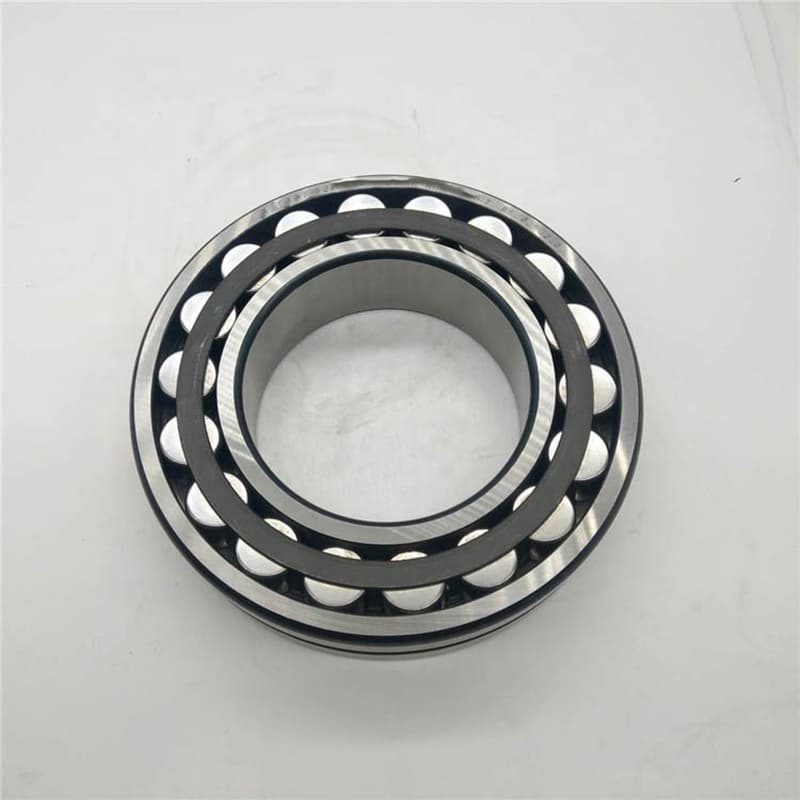
Understanding internal clearance
Internal clearance is the total gap between the rollers and the raceways when the bearing is unmounted. For spherical roller bearings, this is crucial because they are self-aligning and need room to tilt.
The common classes are:
- C2: Smaller than normal clearance. Used for high precision, low noise, or when fits are very light.
- C0 (Normal): Standard clearance for most applications with normal fits and operating conditions.
- C3: Greater than normal. Used when there is interference fits, high temperature differences, or high speeds.
- C4: Even greater. For heavy interference fits or severe operating conditions.
Effect of fit on residual clearance4
When you mount a bearing with an interference fit on the shaft, the inner ring expands. This expansion reduces the internal clearance. If you start with C0 and use a tight fit, you might end up with zero or negative clearance after mounting. That will cause the bearing to run hot and fail.
You need to calculate the reduction. A rule of thumb: for a solid steel shaft, the radial clearance reduction is about 80% of the interference fit. For example, if your interference is 0.02 mm, the clearance reduces by about 0.016 mm. So if your initial clearance was 0.04 mm (C0 for a medium size bearing), after mounting you have 0.024 mm left. That might be acceptable. But if you used a very tight fit, you might need C3 to start with.
Recommended clearances for common applications
Here is a table to help you choose the right internal clearance class:
| Application Condition | Recommended Internal Clearance Class |
|---|---|
| Normal operating conditions, moderate loads, standard fits | C0 (Normal) |
| High speeds, light loads, high operating temperatures (shaft hotter than housing) | C3 (Greater) |
| Heavy interference fits, shock loads, poor alignment, vibratory applications | C4 (Extra large) |
| Precision spindles, low noise requirements, very light fits | C2 (Reduced) |
I always remind my customers: The clearance in the catalog is for unmounted bearings. After mounting, it will be less. So always check the residual clearance if possible.
How to check if clearance is correct
In our factory, we sometimes get calls from maintenance teams who installed a bearing and it feels tight. They think it’s the wrong size. Usually, it’s because they didn’t account for the fit reducing the clearance. The best way is to measure the clearance after mounting (see next section). If you can’t measure, use your experience. If the bearing rotates smoothly without binding and runs at a normal temperature, the clearance is likely okay.
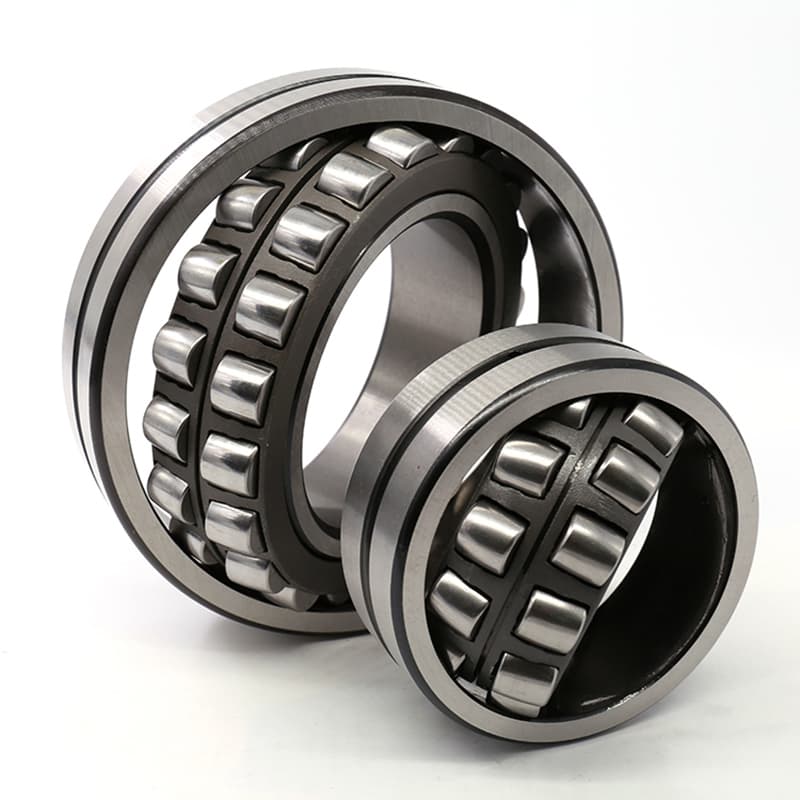
How to measure the clearance of a spherical roller bearing1?
Measuring clearance is a routine task, but many do it wrong. Incorrect measurement leads to wrong conclusions. Let me show you the right way.
To measure the clearance of a spherical roller bearing, you can use a feeler gauge2 for unmounted bearings or measure the axial displacement method3 for mounted bearings. Always follow manufacturer instructions and measure at several points.
Tools needed for clearance measurement
You don’t need fancy tools. For unmounted bearings, a good set of feeler gauges is enough. For mounted bearings, you need a dial indicator with a magnetic base. Also, make sure the bearing and shaft are clean and at room temperature.
Measuring unmounted bearing clearance
This is the simplest method. I have done this hundreds of times in our inspection line. Here is the process:
- Place the bearing on a clean, flat surface. Make sure it’s not tilted.
- Take one of the outer ring halves and shift it to one side so that all rollers on that side are in contact.
- On the opposite side, insert a feeler gauge between a roller and the outer raceway. Choose a gauge that fits snugly but without forcing.
- Record the value. Do this for several rollers around the bearing and take the average.
- For spherical roller bearings, you also need to measure the clearance on the other row. Shift the outer ring the other way and repeat.
This gives you the radial internal clearance4 (the gap). Compare it with the catalog values for that bearing size and class.
Measuring mounted bearing clearance
Once the bearing is on the shaft, you can’t use a feeler gauge directly. We use the axial displacement method. This is a bit indirect but works well.
- Mount the bearing on the shaft with the housing loose or the housing half removed.
- Push the shaft (and inner ring) to one side as far as it will go. This brings all rollers on one side into contact.
- Set up a dial indicator so its tip touches the end of the shaft or the inner ring.
- Zero the dial.
- Push the shaft to the opposite side as far as it will go. Read the movement on the dial. This is the total axial displacement.
- Convert axial displacement to radial clearance using the formula: Radial clearance = Axial displacement / (2 * sin α), where α is the contact angle of the bearing (usually around 10-15 degrees for spherical roller bearings). A simpler approximation: divide by about 4 to 5.
I find that for most spherical roller bearings, the radial clearance is roughly 1/4 to 1/5 of the axial movement. But check the bearing catalog5 for exact factor.
Common pitfalls and how to avoid them
- Not measuring at multiple points: Clearance can vary around the bearing. Always check several rollers.
- Using dirty feeler gauges: Oil or dirt can give false readings. Clean them first.
- Forgetting temperature: Bearings expand with heat. Measure at room temperature. If the bearing is hot from running, the clearance will be different.
- Not seating the rollers properly: When doing the axial method, make sure you really push until all slack is taken up. Otherwise, your reading will be too low.
My advice for accurate measurement
In our FYTZ factory, we have trained inspectors who do this every day. They always follow the same procedure. I suggest you create a standard work instruction6 for your team. And if you are ever unsure, you can always send the bearing back to us or a lab for verification. Accurate measurement prevents costly failures.
Conclusion
Matching spherical roller bearings with shafts and housings requires understanding loads, fits, clearances, and measurement. Get these right, and your bearings will last longer and perform better.
-
Understanding the design and function of spherical roller bearings is crucial for accurate measurement and maintenance. ↩ ↩ ↩ ↩
-
Learn the correct technique for using a feeler gauge to ensure precise clearance measurements. ↩ ↩ ↩ ↩
-
Explore this method to gain insights into measuring clearance for mounted bearings effectively. ↩ ↩ ↩ ↩
-
Understanding radial internal clearance helps in evaluating bearing performance and longevity. ↩ ↩ ↩ ↩
-
A bearing catalog provides essential specifications that are vital for accurate measurement and selection. ↩ ↩
-
Creating a standard work instruction ensures consistency and accuracy in bearing measurement processes. ↩