
I have spent over fifteen years inside bearing factories and visited countless coal handling plants. I have seen conveyor belts stop, entire transfer systems go silent, and maintenance teams work through the night. The culprit, more often than not, was a failed spherical roller bearing. This is a problem that costs you time and money.
Spherical roller bearings fail often in coal handling systems mainly because of contamination from coal dust and poor lubrication practices. The fine, abrasive dust acts like sandpaper inside the bearing. When you combine this with the heavy shock loads from falling rocks or coal, the bearing’s rolling elements and raceways wear down very fast.
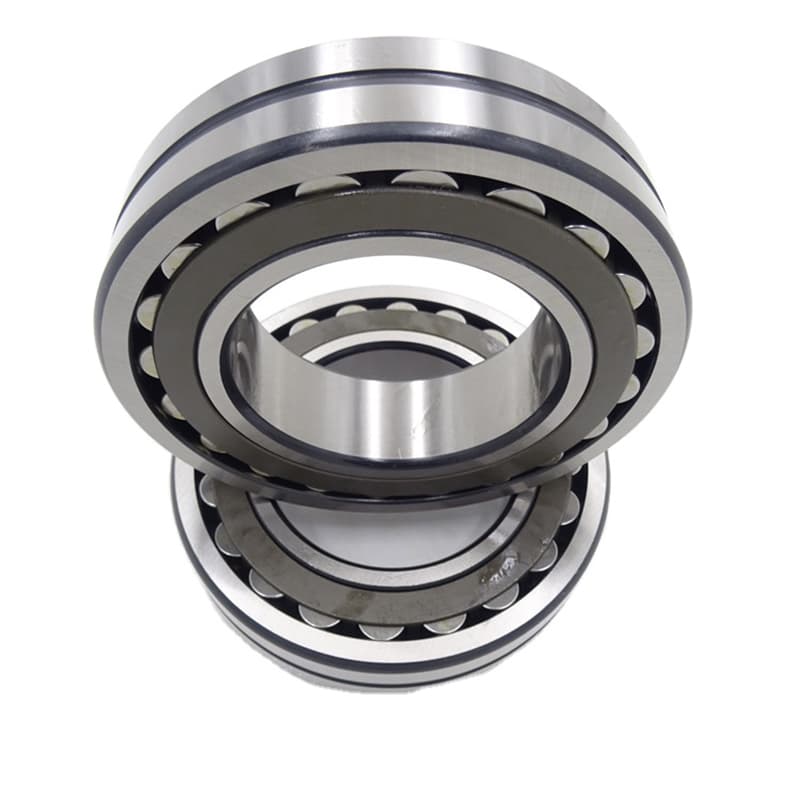
You might think that a failed bearing just needs a replacement. But the real cost is the unplanned downtime while your entire conveyor sits idle. In the following sections, I will share what I have learned from supplying bearings to countries like Turkey, India, and Brazil. I will show you how to choose the right bearing, how to keep the coal dust out, and how to spot problems before your system stops.
Why Are Spherical Roller Bearings Essential for Heavy-Duty Bulk Material Handling?
I remember a customer in Indonesia who used standard ball bearings on their conveyor pulleys. The bearings lasted only three months. The shafts were bending from the heavy load, and the bearings could not handle the misalignment1. They called me asking for a solution.
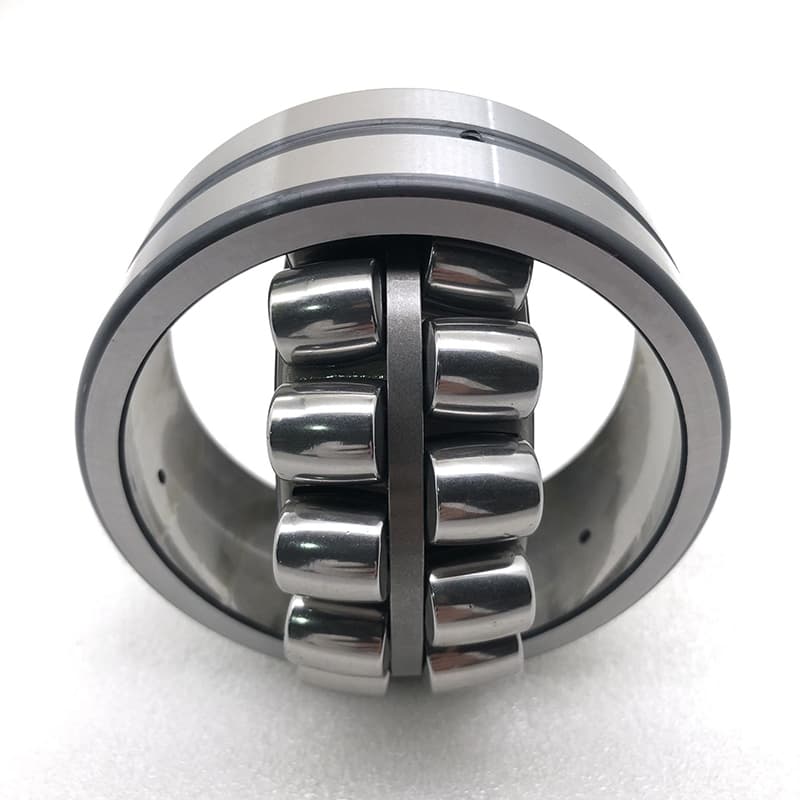
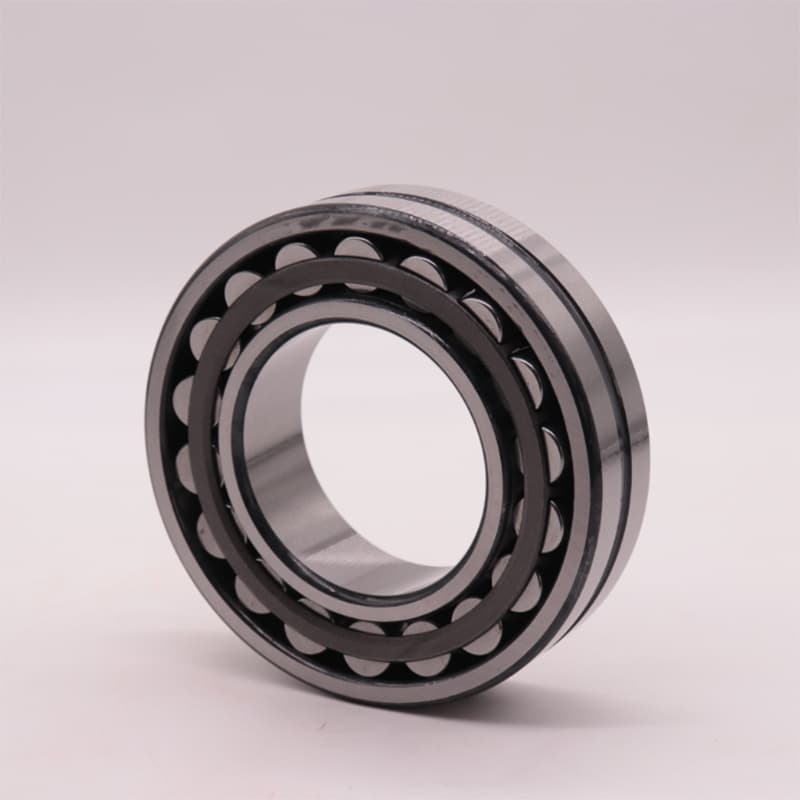
Spherical roller bearings are essential because they are the only type that can handle heavy shock loads2 and shaft misalignment at the same time. They have two rows of rollers that run in a common sphered raceway on the outer ring. This design lets the bearing self-align, which is critical when your conveyor frame twists under load.
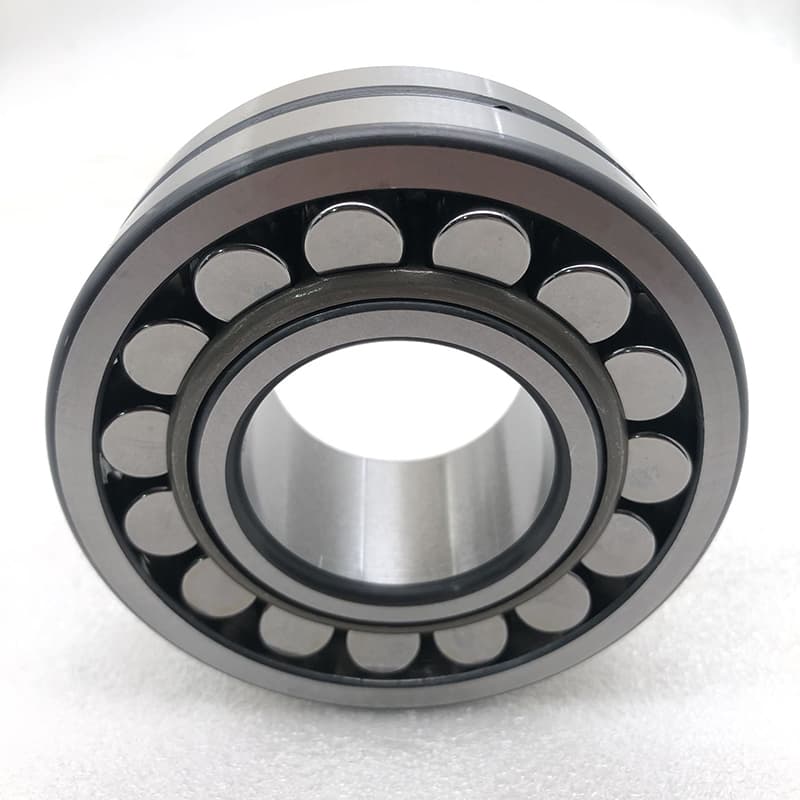
Understanding the Unique Demands of Coal Handling
You need to understand why bulk material handling3 is so hard on bearings. It is not just about weight. It is about the type of force and the environment.
First, think about the impact. When coal or iron ore falls from a conveyor onto another belt or into a crusher, the bearings take a massive shock. This is not a smooth, constant load. It is a sudden hammer blow. A standard deep groove ball bearing has point contact between the ball and the raceway. This point contact can dent or crack under shock. A spherical roller bearing has line contact because the rollers are longer. This spreads the shock load over a larger area.
Second, consider the alignment. In a long conveyor system, the structure moves. The foundation settles. The pulley shafts bend slightly under load. If you use a rigid bearing, it fights against this movement. This creates extreme internal forces that generate heat and cause the bearing to fail. The spherical roller bearing’s self-aligning feature is not just a nice extra. It is a necessity. It allows the inner ring and the rollers to tilt slightly inside the outer ring without binding. This keeps the load evenly distributed across the rollers even when the shaft is not perfectly straight.
Here is a simple comparison I use with my clients to explain the difference:
| Feature | Standard Ball Bearing | Spherical Roller Bearing |
|---|---|---|
| Contact Type | Point contact (small area) | Line contact (large area) |
| Shock Load Capacity | Low | Very High |
| Misalignment Tolerance | Very low (0.1-0.2 degrees) | High (1-2.5 degrees) |
| Best Application | Electric motors, fans | Conveyor pulleys, crushers |
I always tell my clients, like Rajesh in India, that if you are moving tons of material per hour, you cannot compromise on this point. The spherical roller bearing is the foundation of a reliable system. It absorbs the punishment so the rest of your machine can keep running.
A Complete Selection Guide for Conveyor Idlers and Pulley Bearings?
I get calls every week from buyers who have the right bearing number but the wrong bearing for the job. They look at a parts list and order the number written there. But they forget to ask why that number was chosen. This is a mistake that leads to early failure.
Choosing the right bearing for your conveyor idlers and pulleys is a step-by-step process. You must look at the load, the speed, and most importantly, the internal clearance1. For coal handling, you almost always need a bearing with C3 or C4 clearance to allow for thermal expansion and heavy interference fits.
Breaking Down the Selection Process into Simple Steps
I do not want you to just guess. I want you to have a checklist. When you sit down to select a bearing for a new conveyor or a replacement, go through these points.
Step 1: Calculate the Actual Load
Many engineers only look at the radial load, which is the weight of the pulley and the belt. But in a belt conveyor, there is always some axial load. This comes from the belt tension or from the pulley being slightly out of line. You need to look at the equivalent dynamic load. This is a calculation that combines the radial and axial forces into one number. The bearing catalog gives you the basic dynamic load rating2 (Cr). Your job is to make sure the Cr is higher than the actual equivalent load you have calculated. If you are unsure, it is safer to go one size bigger.
Step 2: Never Ignore the Internal Clearance
This is the step where most people make a mistake. Internal clearance is the amount of "play" inside the bearing before it is installed. A normal bearing (CN or "Normal" clearance) is fine for a electric motor running at room temperature. But your conveyor pulley might be out in the hot sun, and you will press the bearing onto a steel shaft with an interference fit. This fit squeezes the inner ring and reduces the internal clearance. If the clearance becomes zero or negative, the rollers get preloaded and will overheat and skid. For coal conveyors, I almost always recommend C3 clearance3. For applications with high heat or very heavy fits, like a head pulley, you might need C4 clearance. This gives the bearing room to "breathe" as it heats up and expands.
Step 3: Choose the Right Cage
The cage holds the rollers in place. For clean applications, a pressed steel cage is fine. But in a coal plant, there is vibration and shock. I prefer a machined brass cage4 for critical pulleys. Brass is stronger and more resistant to the shock loads. It also handles higher temperatures better. If the budget is very tight, a steel cage will work, but you are sacrificing some long-term reliability.
Combatting Contamination: Best Practices for Sealing and Lubrication in Coal Plants?
I was in a plant in Vietnam once, and I saw a bearing that had been running for only two weeks. When we took it off, black grease mixed with coal dust poured out like toothpaste. The seal was a cheap, single-lip design. The dust had worn a groove right through it. The plant manager was angry, but I told him, "The bearing didn’t fail. The seal failed."
To combat contamination in a coal plant, you must create a layered defense. This means using a high-quality seal that keeps dust out and a lubrication plan that flushes contaminants out. If you let dust in, the bearing will die a fast death.
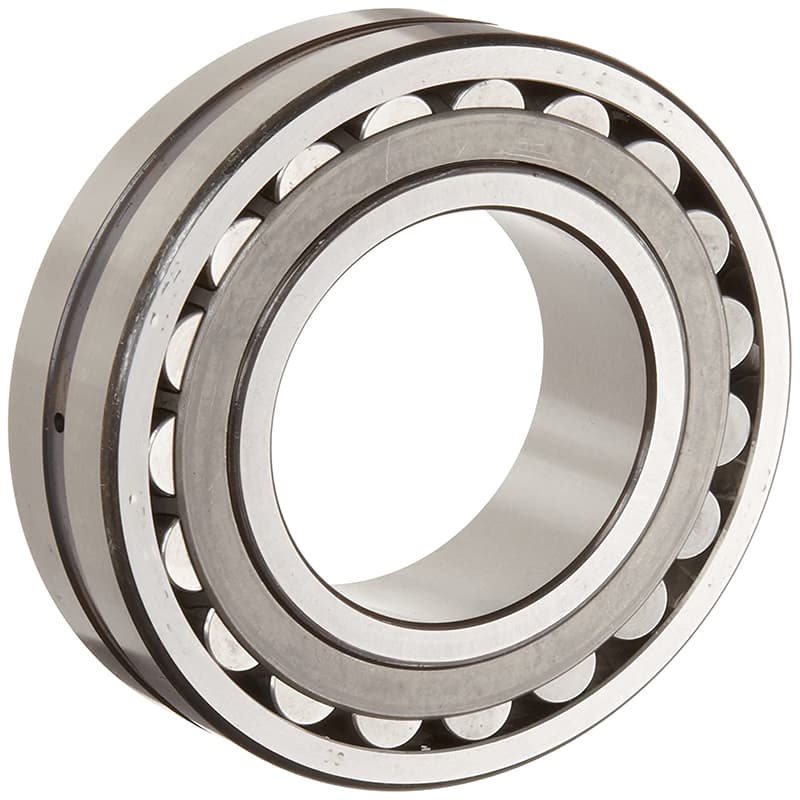
The Layered Defense Against Coal Dust
You cannot rely on just one thing to keep your bearings safe. The coal dust is too aggressive. You need a system. Here is how I explain it to my team and to my customers.
The First Layer: The Seal
The seal is your front line soldier. There are two main types you see in this industry.
- Contact Seals (Rubber Lips)1: These are good at keeping dust out because they rub directly on the shaft. But they create friction and heat. If the shaft is slightly worn or rough, they will wear out quickly. They are best for lower speed applications.
- Labyrinth Seals (Non-Contact)2: This is my preferred choice for most conveyors. They use a series of tight, twisting grooves between the rotating and stationary parts. Dust has to travel through this maze to get inside. By the time it reaches the bearing, most of it has settled in the grooves. They do not create friction, so they last longer. I recommend a three-piece labyrinth seal for the best protection in heavy dust.
The Second Layer: The Lubricant
Grease does two jobs. It reduces friction, and it acts as a barrier. Any grease that purges out past the seal pushes dirt out with it. Here is a simple table I use to guide my clients on grease selection:
| Application Area | Grease Type | Consistency (NLGI) | Key Additive |
|---|---|---|---|
| Conveyor Idlers | Lithium Complex | #2 | Anti-wear, Oxidation inhibitors |
| Pulley Bearings (Wet/Dusty) | Calcium Sulfonate | #2 | Extreme Pressure (EP), Water resistance |
| High Temp / Crushers | Polyurea | #2 or #3 | High-temperature stability, Anti-rust |
You also need a schedule. "Sealed for life" bearings are fine for small idlers. But for large, expensive pulleys, you need re-lubrication3. I tell my customers to pump new grease in slowly while the bearing is running (if safe). Do this until you see fresh grease purging out of the seals. This pushes the old, dirty grease and any contaminants out of the bearing. In a very dusty coal plant, doing this every 3 to 6 months can double the bearing life.
Common Failure Modes: How to Identify Wear and Prevent Unplanned Downtime?
My phone rang late one night. It was a customer from a steel plant in Brazil. Their main coal conveyor had stopped. The head pulley bearing was red hot and seized. They had to bring in cranes to lift the belt and replace the pulley. They lost 18 hours of production. When I saw the bearing later, the failure was obvious, but it could have been seen weeks before if they had been watching.
You can prevent unplanned downtime1 by training your team to identify the early warning signs of bearing failure2. Look for heat, listen for noise, and analyze the grease. If you wait until the bearing seizes, you have already lost the battle.
Learning to Read the Signs of Trouble
I do not believe in magic. I believe in paying attention. Bearings give you warnings long before they fail. You just have to look and listen. Here are the common failure modes I see and what they tell you.
Failure Mode 1: Abrasive Wear3 (from contamination)
- How to Identify it: You will notice a dull, rough sound when you put a screwdriver (as a stethoscope) on the housing. When you pull the grease sample, it looks metallic or gritty, like dark gray paste. On a failed bearing, the raceways look matte and worn, like they have been sandblasted.
- What it tells you: Your seal has failed. Or you are not re-lubricating often enough to flush out the old grease. You need to upgrade your seal or change your lubrication schedule4.
Failure Mode 2: Indentations (from shock load or vibration)
- How to Identify it: The bearing might run quietly at first but gets noisier over time. In a vibration test5, you will see high spikes. On the failed bearing raceway, you will see small dents or bruises that look like a golf ball surface. These are caused by the rolling elements pounding against the raceway when the machine is idle (false brinelling) or from severe shock loads.
- What it tells you: The bearing might not be robust enough for the application. You may need a bearing with a higher load rating. Or, if it happens while the conveyor is stopped (from vibration), you need to lock the rotor or use a different lubricant that provides better protection against vibration.
Failure Mode 3: Heat Discoloration6 (from poor lubrication or wrong fit)
- How to Identify it: The housing feels hot to the touch. If you have an infrared thermometer, you might see temperatures over 80-90°C. On a failed bearing, the steel parts show blue or straw-colored discoloration from overheating.
- What it tells you: You have a lubrication problem (wrong grease, not enough grease) or a fit problem (too much interference causing preload). Check your clearance and your grease type immediately.
Here is a quick reference table I share with maintenance teams:
| Symptom You Observe | Likely Cause | Immediate Action |
|---|---|---|
| Noisy, rough running | Dirt in bearing / Wear | Plan for replacement, check seals |
| High Temperature | Over-greased / Under-greased / Wrong fit | Check grease volume, check shaft fits |
| Vibration Spikes | Indentations / Early fatigue | Increase monitoring frequency, prepare spare |
| Grease turning black | Coal dust ingress | Purge with new grease, check seal integrity |
Conclusion
Choosing and maintaining spherical roller bearings for coal handling does not have to be a mystery. Focus on selecting the right clearance and cage for your load. Build a strong defense against dust with good seals and a smart lubrication plan. And always listen to what your machine is telling you.
-
Explore effective strategies to minimize unplanned downtime and enhance operational efficiency. ↩ ↩ ↩ ↩
-
Learn to recognize early signs of bearing failure to prevent costly downtime and maintain equipment. ↩ ↩ ↩ ↩
-
Understand the causes of abrasive wear in bearings to implement preventive measures and extend equipment life. ↩ ↩ ↩ ↩
-
Find out the optimal lubrication schedule to ensure the longevity and reliability of your bearings. ↩ ↩
-
Gain insights into conducting vibration tests for bearings to detect potential failures early. ↩
-
Discover the implications of heat discoloration in bearings and how to address lubrication issues effectively. ↩