
When a bearing fails months before its time, your production line stops. This costs you money and hurts your reputation with your own customers.
Early fatigue damage in spherical roller bearings is preventable. The solution lies in controlling four main areas: understanding the failure root causes, installing correctly, using the right lubricant, and managing the load conditions properly.
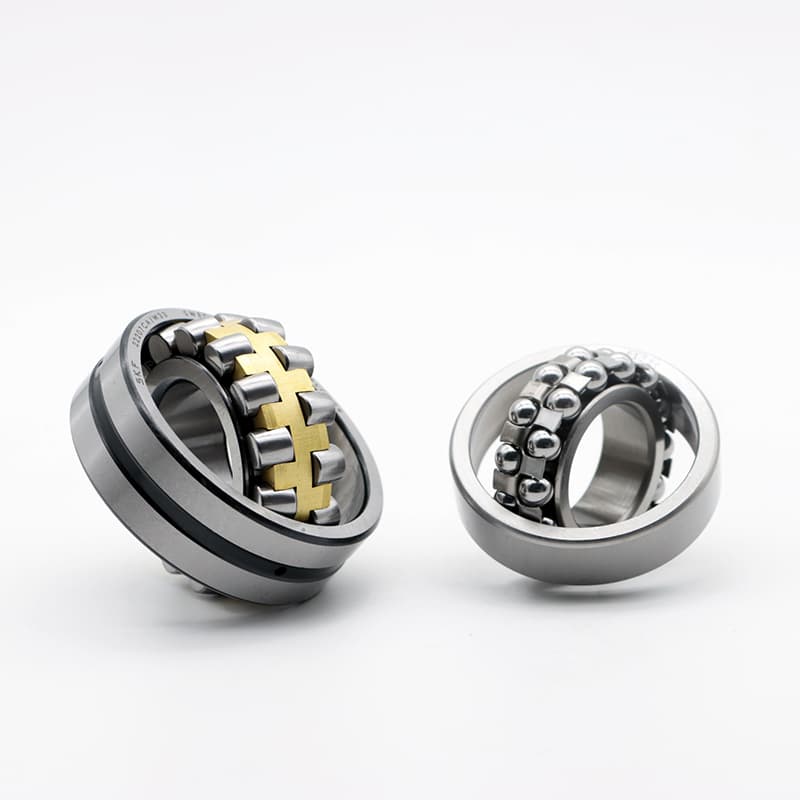
I have worked with many buyers who get frustrated when bearings fail too quickly. They blame the bearing quality first. Sometimes, the fault is with the steel or the heat treatment. But in my experience working at our factory, most of the time, the problem starts before the bearing even sees full load. It starts with how it is handled and installed. Let me walk you through the specific steps we recommend to our clients to make sure every bearing runs for its full designed life.
Understanding the Root Causes of Premature Fatigue in Bearings
You see a bearing fail, and you think it is a bad batch from the factory. I used to think this way too, until I started visiting customers and saw what was really happening on their shop floors.
The real root causes of premature fatigue1 are typically subsurface stress2 from overloading, poor lubrication films, and micro-damage from incorrect installation. These issues create tiny cracks that grow until the surface breaks apart.
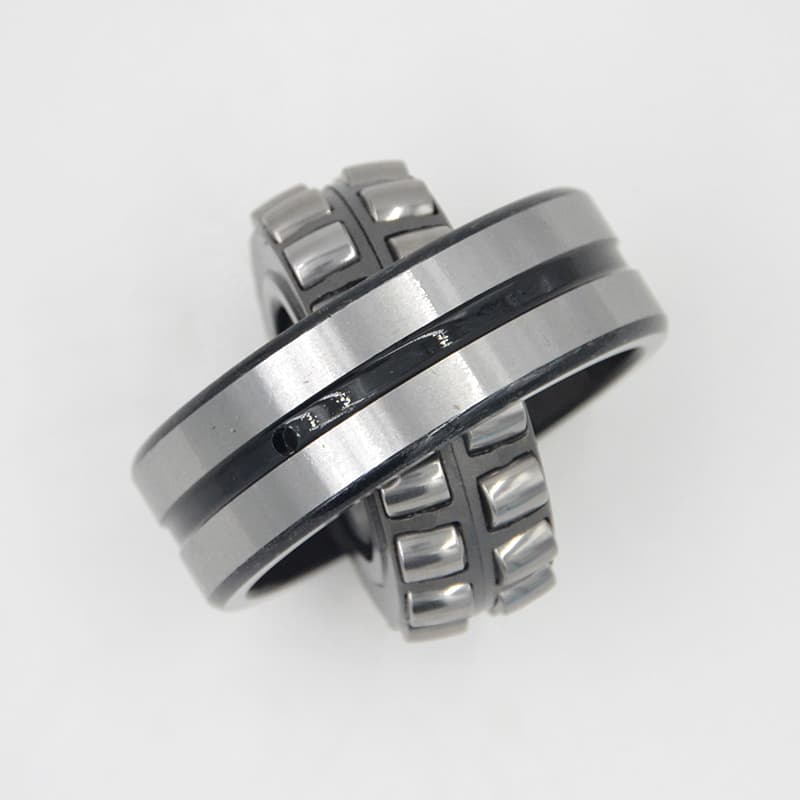
Separating Material Defects from Application Errors
When a bearing fails early, we have to play detective. At our factory in China, we have a full inspection line. We check every batch for material purity and hardness. So, when a customer sends us a failed bearing, we look for the fingerprints of the problem.
I have found that most early failures fit into one of three categories. The first is true material fatigue3. This is rare with modern steel making. It happens when non-metallic inclusions in the steel act as stress risers. Under load, the metal around these inclusions starts to crack. This looks like a clean spall that starts deep in the raceway.
The second category is surface-initiated fatigue4. This is much more common. It happens when the lubricant film breaks down. The metal surfaces touch each other. They weld together in tiny spots and then tear apart again. This creates rough surfaces and micro-cracks that spread quickly.
The third category is geometric stress concentration5. This happens when the bearing is misaligned. The load is not spread evenly across the roller. Instead, one edge of the roller carries all the force. The stress is so high that the metal yields and cracks.
| Cause Category | Visual Indicator | Typical Source of Problem |
|---|---|---|
| Material Fatigue | Deep spalling, random pattern | Steel cleanliness, heat treat defects |
| Surface Fatigue | Rough, frosted appearance | Poor lubrication, contamination6 |
| Geometric Stress | Load zone at roller edges only | Misalignment, bent shafts |
Why Cleanliness Matters More Than You Think
I remember one customer in India who had bearings failing in under 200 hours. He was sure our steel was bad. We asked him to send us pictures of his installation area. The pictures showed bearings sitting open on a dirty workbench. Dust and metal particles were everywhere.
Contamination is a root cause that people ignore. A single hard particle, smaller than a grain of salt, can get rolled into the raceway. It creates a dent. Around that dent, the metal bulges up. When the next roller passes over that bulge, the stress is extremely high. This starts a fatigue crack. In our spherical roller bearings, we use special cages and internal designs to handle some contamination. But no bearing can survive if you feed it sand and metal shavings.
Best Practices for Correct Installation and Alignment
I have watched skilled mechanics install bearings with a hammer and a blunt punch. It hurts to watch. You are taking a precision component, with tolerances measured in microns, and hitting it with a piece of steel.
Correct installation means using the right tools to apply the mounting force only to the ring that is being press-fitted. This protects the rolling elements and raceways from brinelling and shock damage.
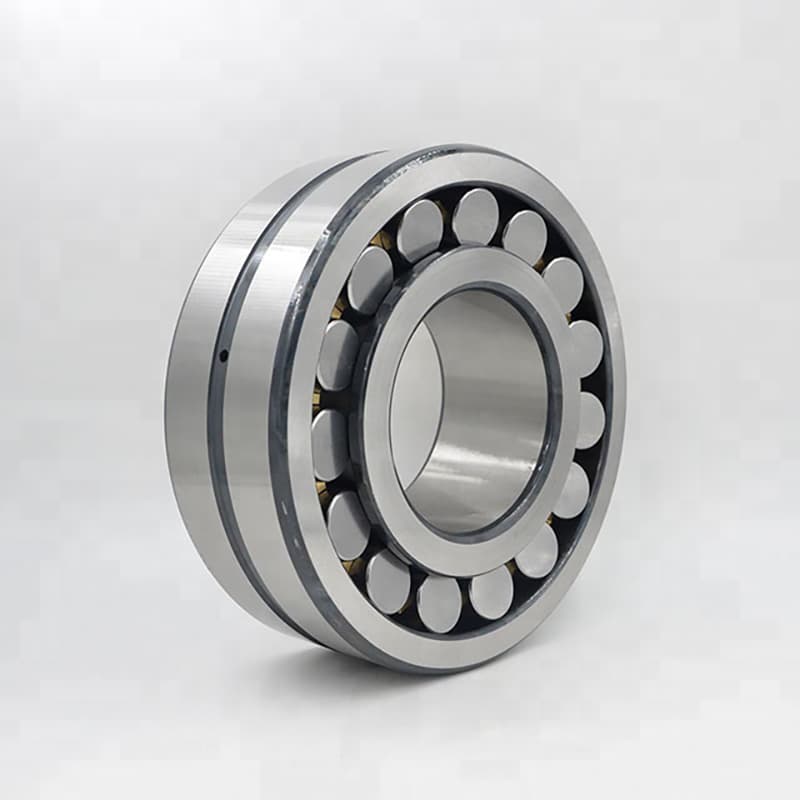
The Right Way to Apply Force
The golden rule of installation is simple. The force must go through the ring that has the interference fit. If the inner ring is tight on the shaft, you must push on the inner ring. If you push on the outer ring, the force goes through the balls or rollers. This creates dents in the raceway. We call this false brinelling1.
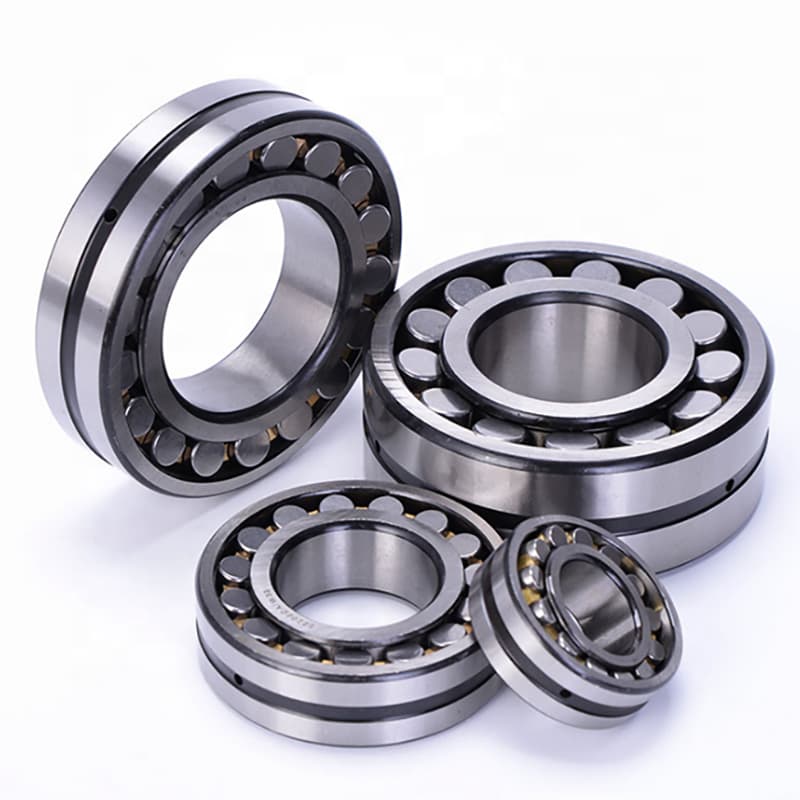
For spherical roller bearings2, this is critical. They are often used in heavy applications with tight fits. I always tell our procurement partners to invest in induction heaters3. Heating the inner ring makes it expand. It slides onto the shaft with zero force. No hammer is needed. This preserves the precision grinding we did at the factory. It keeps the internal clearance exactly where it should be.
Alignment is Non-Negotiable
Spherical roller bearings are forgiving. They have a spherical outer ring raceway. This lets them self-align a little bit. But "self-aligning" does not mean you can be careless with your shaft alignment.
If the shaft is bent, or the housings are not in a straight line, you force the bearing to work at an angle. The rollers try to find the right position. But the load path gets twisted. The stress concentrates on one side of the roller and the opposite side of the raceway.
We make spherical roller bearings that can handle some misalignment. It is one of their best features. But using this feature all the time eats up fatigue life. You should aim for zero misalignment under load. Use a laser alignment tool4 on the shafts. Check the housing shoulders for squareness. A few minutes spent here can add months to the bearing life.
Optimizing Lubrication to Extend Bearing Life
I often get calls from a distributor in Brazil. He says the bearings sound rough. I ask him about his grease. He sends me a picture. The grease is black and burnt. The bearing is running dry.
Optimizing lubrication means selecting the right viscosity and base oil for your operating temperature and speed, and ensuring a continuous film separates the rolling elements from the raceways.
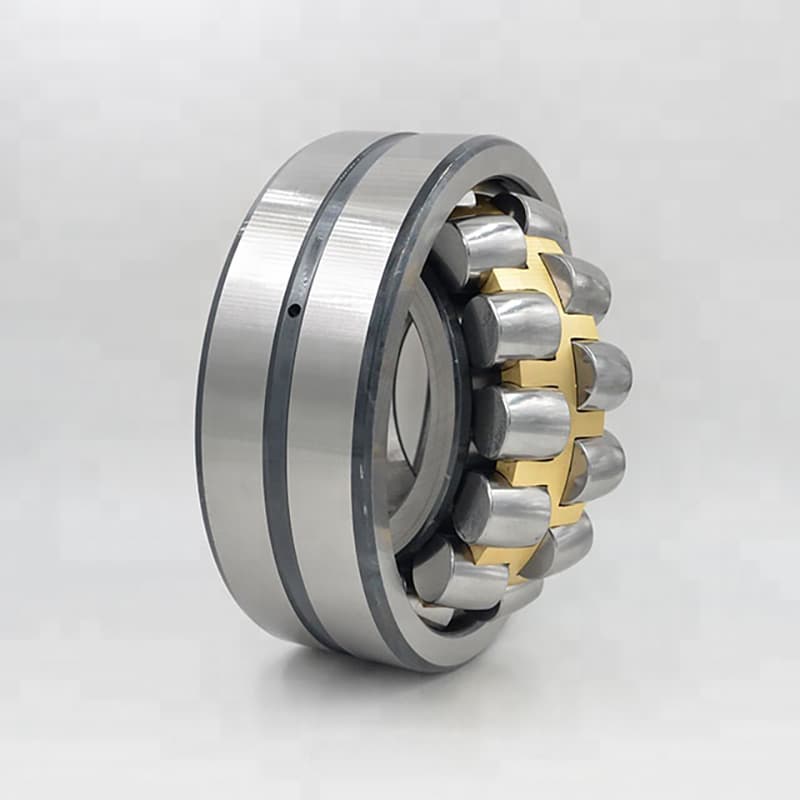
Viscosity: The Most Important Number1
Viscosity is the thickness of the oil. If the oil is too thin at operating temperature, it squeezes out from between the rollers. Metal touches metal. We call this boundary lubrication2. It causes wear and micro-cracks.
If the oil is too thick, it creates drag. The bearing runs hot. The heat thins the oil out, so you end up back at the same problem. The goal is to achieve full film separation. The rolling element actually floats on a wave of oil.
For our spherical roller bearings, we usually recommend a minimum viscosity ratio3. You need to calculate the required viscosity based on the bearing size and speed. Then you pick an oil or grease that provides that viscosity at your specific operating temperature. We provide these calculation tools to our customers. It takes the guesswork out.
Grease Selection and Relubrication Intervals4
Grease is just oil with a thickener. The thickener acts like a sponge. It holds the oil and slowly releases it. In many applications, like pillow block bearings in fans or conveyors, grease is the only lubricant.
Choosing the right grease is about matching the base oil viscosity and the thickener type to the job. For high temperatures, we use synthetic oils with special thickeners. For normal conditions, a lithium complex grease with a mineral oil works well.
But the biggest mistake I see is wrong relubrication. People either over-grease or under-grease. Over-greasing causes churning and heat. The grease breaks down faster. Under-greasing leaves the bearing dry. You must purge the old grease out. You must use the right amount. We give our distributors simple charts. It tells them how many grams of grease to add and how often based on the bearing size and running hours.
Managing Load Conditions and Avoiding Overloading
A machine designer in Turkey once told me he always oversizes his bearings. He thinks it is safer. But bigger is not always better. A bigger bearing can actually fail faster if it is not loaded enough.
Managing load conditions means keeping the operating load within the bearing’s dynamic capacity1 while ensuring there is enough minimum load2 to prevent skidding. Overloading causes high stresses, while under-loading causes slippage.
Understanding Dynamic Equivalent Load
The bearing catalogs show a number called the basic dynamic load rating. This is a theoretical number. It assumes perfect conditions. In real life, the load is rarely pure and constant.
You have to calculate the equivalent dynamic load. This formula takes into account radial loads and axial loads. For spherical roller bearings, they are good at handling both. But the ratio matters. If you have too much axial load compared to radial load, the load zone gets small. A few rollers take all the force. The stress on them goes up dramatically.
I always advise our engineering contacts to send us their actual load data. We can run the calculations for them. We can verify if the selected bearing is truly the right one. Sometimes a smaller bearing with a higher load rating (made from better steel) is actually a better choice than a big bearing with standard steel.
The Danger of Shock Loads and Vibration
Static loads are easy to handle. You calculate the force, you pick a bearing. The real killer is shock loads3.
Imagine a hammer hitting the bearing. The force for a split second can be five or ten times the normal load. If the bearing is already running near its limit, that shock can exceed the material’s yield strength. It creates a tiny flat spot on the roller or raceway. That flat spot becomes a stress riser. Fatigue starts there immediately.
Vibration is another problem, especially when the machine is not running. This is called fretting. The tiny oscillations push the lubricant out and wear microscopic particles off the surfaces. These particles then act as grinding paste when the machine starts up. To prevent this, you need to lock the shafts during transport. You need to use greases with good anti-wear additives. You need to design the foundation to dampen external vibration4s.
Conclusion
Early fatigue damage stops with you. Focus on clean installation, correct lubrication, and realistic load calculations to get the full life from your spherical roller bearings.
-
Understanding dynamic capacity is crucial for selecting the right bearings and ensuring optimal performance. ↩ ↩ ↩ ↩
-
Discovering the significance of minimum load can help you avoid slippage and ensure efficient bearing operation. ↩ ↩ ↩ ↩
-
Exploring the impact of shock loads can help you prevent premature bearing failure and enhance machinery reliability. ↩ ↩ ↩ ↩
-
Learning about vibration effects can guide you in designing better systems to prolong bearing life. ↩ ↩ ↩ ↩
-
Understanding geometric stress concentration can aid in proper alignment and load distribution for bearings. ↩
-
Understanding contamination’s impact on bearings can help you maintain cleaner operating environments and extend bearing life. ↩