
I had a customer in Egypt who runs a sugar cane processing plant. The plant operates for four months every year. The rest of the time, the machines just sit. He had bearing failures every season.
Selecting bearings for intermittent and seasonal equipment is different from continuous operation. You need to protect against rust, corrosion, and lubricant breakdown during idle periods. The right choices keep your machines ready to run.
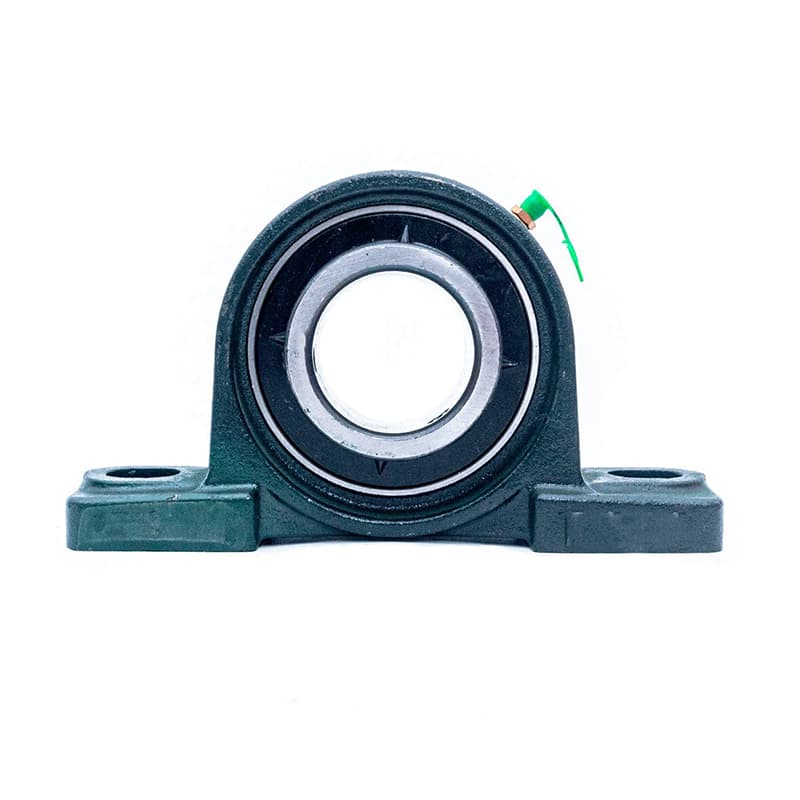
That Egyptian customer switched to bearings with better seals and a special rust-preventive grease. He also started a simple idle-period maintenance routine. His bearing failures stopped. The machines started up smoothly every season.
In this article, I will share what I have learned about bearing selection for seasonal equipment. I will cover the unique demands of start-stop operation. I will talk about the risks of standstill periods and how to protect against them. I will discuss sealing and corrosion protection. And I will share the best lubrication strategy.
How Does Intermittent and Seasonal Use Differ from Continuous Operation in Bearing Demands?
A farmer from South Africa asked me a simple question. He said, "My grain dryer runs for two months a year. Why do the bearings fail when it sits the rest of the time?"
That question gets to the heart of the issue. Intermittent use is not the same as continuous use. The demands on the bearing are different. The stresses come from different sources.
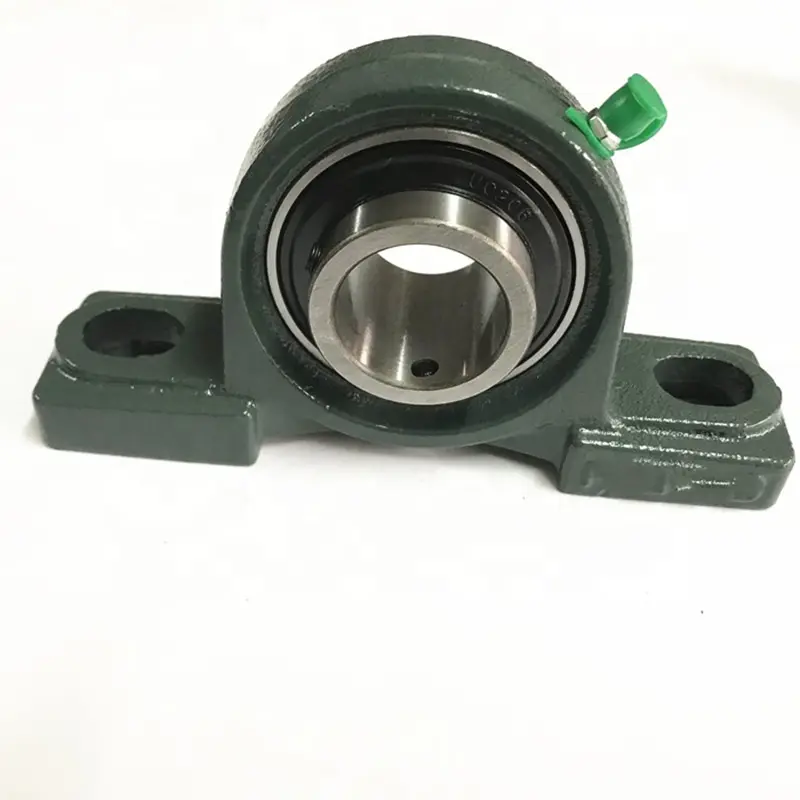
In continuous operation, the bearing runs all the time. The rolling elements rotate constantly. The grease stays warm. The seals stay flexible. The rust has no chance to form because the oil film is always present.
In intermittent operation, the bearing runs for a short time. Then it stops. It sits for days, weeks, or months. During that idle time, things change. The grease settles. The oil film drains away. Moisture condenses on the surfaces. Rust starts to form.
Then the machine starts again. The bearing goes from cold and still to warm and moving. That transition is harsh. The rust that formed creates friction. The settled grease takes time to recirculate. The seals may be stuck.
The load pattern is also different. In continuous operation, the load is steady. In intermittent operation, the load often comes in bursts. The machine starts with a full load. That creates a shock load. The bearing must handle that shock.
The temperature cycle is another factor. Continuous operation keeps the bearing at a steady temperature. Intermittent operation has wide temperature swings. The machine cools down when off. It heats up when running. Those changes cause expansion and contraction.
Let me summarize the differences in a table.
| Factor | Continuous Operation | Intermittent/Seasonal Operation |
|---|---|---|
| Running time | Constant | Short periods, long stops |
| Lubrication | Maintained by motion | Drains and settles during stops |
| Temperature | Steady | Cycles between ambient and running |
| Moisture risk | Low, oil film present | High, condensation during idle periods |
| Rust risk | Low | High, moisture attacks exposed surfaces |
| Load type | Steady | Often starts with shock load |
| Seal condition | Stays flexible | Can stick or harden over time |
I also want to mention that many seasonal operators do not plan for the idle periods. They run the machine hard during the season. Then they shut it off and forget about it. That is a mistake. The idle period is when the damage starts. You need to protect the bearing during the downtime.
What Are the Main Risks of Standstill Periods and How to Protect Against Them?
A plant manager from Indonesia told me about his rice mill. The mill operates for three months after the harvest. The rest of the year, it sits. Every season, he had to replace at least half the bearings. He thought the bearings were poor quality. But the problem was the idle period.
Standstill periods create several risks. The biggest one is corrosion. When the bearing sits, moisture in the air condenses on the metal surfaces. Even a tiny amount of water starts the rusting process. Rust pits the raceway and the rolling elements. When the machine starts, those pits create stress risers. Spalling starts early.
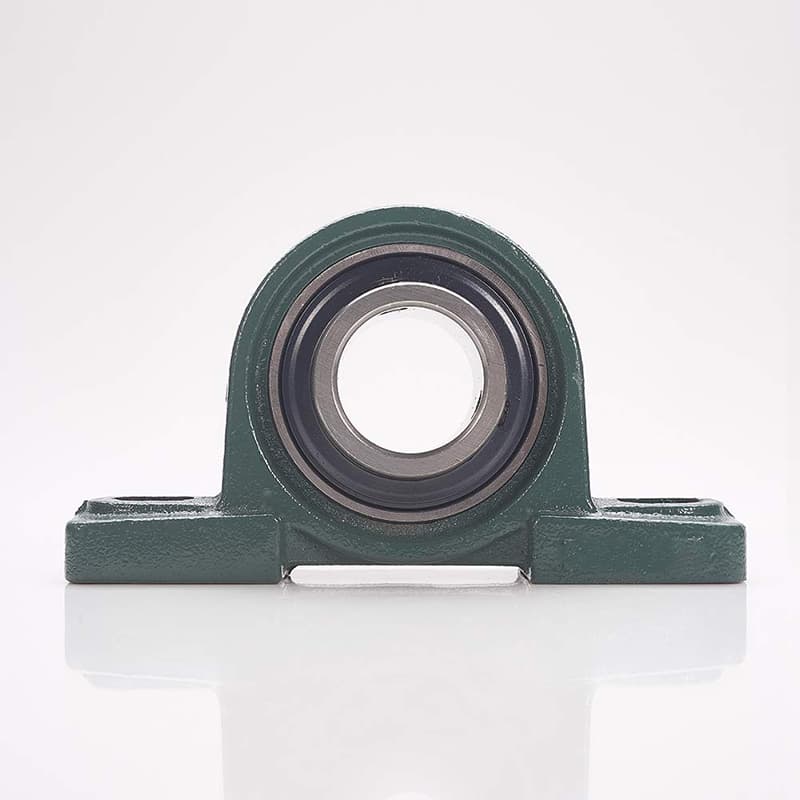
The second risk is grease separation. Grease is made of oil, thickener, and additives. During a long idle period, the oil can separate from the thickener. It drains away from the contact areas. What is left is thickener without much lubricating property. When the machine starts, the contact areas have poor lubrication. They wear quickly.
The third risk is false brinelling. This is a specific type of wear that happens during standstill. The bearing is not moving. But the machine may vibrate slightly. The vibration comes from nearby machines, passing vehicles, or even wind. That vibration causes the rolling elements to move back and forth within the raceway. They wear tiny grooves. When the machine starts, those grooves cause noise and vibration.
The fourth risk is seal hardening. Seals are made of rubber. Rubber can harden over time. Heat and ozone speed up this process. A hard seal does not seal properly. It lets contamination in. It also lets grease out.
The fifth risk is contamination ingress. During standstill, the machine is not running. But the seals may not be completely effective. Dust and dirt can slowly work their way past the seals. The contamination sits inside the bearing. When the machine starts, that contamination acts as an abrasive.
Let me give you a protection strategy for each risk.
| Risk | Protection Method | How to Do It |
|---|---|---|
| Corrosion | Use rust-preventive grease | Choose grease with corrosion inhibitors |
| Corrosion | Apply a protective coating | Use phosphate or zinc coating on bearing |
| Grease separation | Rotate the shaft periodically | Turn the shaft once every two weeks |
| False brinelling | Use a locking device | Lock the shaft to prevent vibration movement |
| Seal hardening | Use quality seals | Choose FKM seals that resist hardening |
| Contamination ingress | Use covers or caps | Cover exposed bearings during idle periods |
I had a customer in Russia who operates a seasonal wood processing plant. The plant runs for six months and sits for six months. He now rotates the shafts by hand once every two weeks during the idle period. That simple action redistributes the grease and prevents false brinelling. His bearing life tripled.
Another customer in Brazil covers his bearings with plastic caps during the off-season. The caps keep dust and moisture away. It is a low-cost solution that works well.
The most important protection is to plan for the idle period. Do not just shut down and walk away. Spend 15 minutes on each machine to protect the bearings. That small effort saves big repair costs.
How to Choose Sealing and Corrosion Protection for Equipment That Sits Idle for Months?
A machine builder from Turkey asked me about his seasonal agricultural equipment. His machines sit in the field for up to eight months. The bearings are exposed to rain, dust, and sun. He wanted to know what seals and protection he should use.
The sealing and corrosion protection for seasonal equipment is more demanding than for continuous operation. The bearing must survive the running season and the idle season. Both are tough on the seals and the metal.
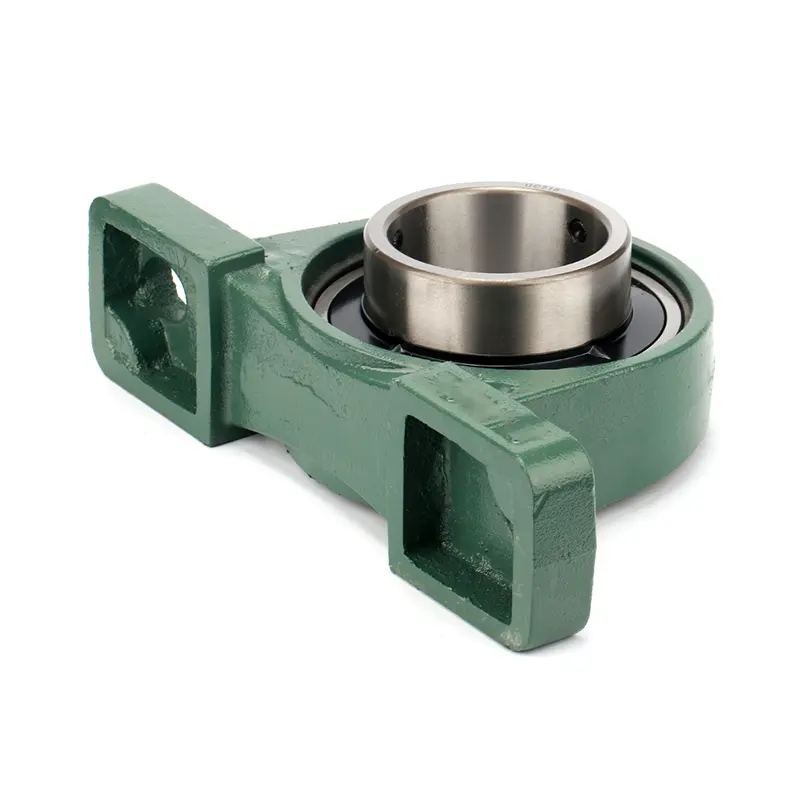
Let me start with seals. The seal is the barrier between the inside and outside of the bearing. For seasonal equipment, the seal must do two jobs. During the running season, it must keep dirt and dust out. During the idle season, it must keep moisture and humidity out.
Standard seals are made of nitrile rubber. Nitrile works well. But it can harden over time. Hardening is worse in warm environments. Ozone and sunlight accelerate the process. For seasonal equipment, I recommend FKM seals. FKM resists hardening. It also handles a wider temperature range.
The seal design is also important. A single lip seal is okay for continuous running. But for seasonal use, I recommend a double lip seal with a contact-type outer lip. The two lips provide better protection. The contact lip wipes the shaft clean when the machine starts.
Now let me talk about corrosion protection. The bearing insert is made of steel. Steel rusts. You cannot stop rust completely. But you can slow it down.
The first protection is the surface coating. Many bearings have a phosphate coating. Phosphate absorbs oil. It creates a barrier against moisture. Zinc plating is another option. It provides a layer of protection.
For harsh environments, consider stainless steel bearings. Stainless steel has chromium in it. The chromium forms a passive layer on the surface. That layer resists rust. Stainless steel bearings cost more. But they last much longer in wet conditions.
The housing is another area to protect. Standard pillow block housings are cast iron. Cast iron rusts in humid conditions. Ductile iron is slightly better. Stainless steel housings are the best for corrosion resistance.
Let me give you a protection recommendation table.
| Component | Standard Option | Seasonal Equipment Recommendation | Why |
|---|---|---|---|
| Seal material | Nitrile | FKM | Resists hardening, flexible after idle |
| Seal design | Single lip | Double lip with contact | Better moisture and dust protection |
| Bearing coating | None | Phosphate or zinc | Prevents rust during idle |
| Bearing material | Bearing steel | Stainless steel (for harsh conditions) | Corrosion resistant |
| Housing material | Cast iron | Ductile iron or stainless steel | Better corrosion resistance |
I also want to mention the importance of shaft surface finish. A rough shaft wears the seal faster. A smooth shaft allows the seal to work properly. For seasonal equipment, I recommend a shaft surface finish of Ra 0.4 micron or better. That finish gives the seal a good surface to ride on.
Another tip is to use a shaft sleeve. A sleeve is a thin metal tube that goes over the shaft. The seal rides on the sleeve. If the sleeve wears, you replace it. You do not need to replace the whole shaft. That saves time and money.
I had a customer in Vietnam who operates a seasonal fish processing plant. The plant is near the coast. The air is salty and humid. He used standard bearings with nitrile seals. The rust was a big problem. We switched to bearings with FKM seals and phosphate coating. The housings were changed to ductile iron. Now his bearings last for several seasons.
Sealing and corrosion protection are investments. They add cost upfront. But they save money in the long run. A failed bearing in seasonal equipment often means the whole season is lost. That cost is much higher than the cost of better protection.
What Grease and Lubrication Strategy Works Best for Start-Stop Operation?
A maintenance manager from India asked me about grease. He said, "I know I need grease. But what kind? And how often should I add it? My equipment runs for a few months, then sits for a long time."
Grease selection is critical for start-stop operation. The grease must perform during the running period. But it must also protect the bearing during the idle period.
The first choice is the base oil viscosity. For start-stop operation, I recommend a base oil with a viscosity of ISO VG 220 to 320. This viscosity is moderate. It flows well enough to lubricate at start-up. But it is thick enough to stay on the surfaces during idle.
The second choice is the thickener type. Lithium-based grease is the most common. It works well for many applications. But for start-stop operation, I recommend a calcium-sulfonate grease. Calcium-sulfonate has better water resistance. It also has better rust protection. Both are important for seasonal equipment.
The third choice is the additives. The grease must have corrosion inhibitors. These additives create a protective film on the steel surfaces. That film stops rust from forming during idle.
The grease should also have anti-wear additives. These additives protect the contact areas during the start-up phase. The start-up phase is when the oil film is thinnest. Anti-wear additives provide an extra layer of protection.
The fourth choice is the NLGI grade. This is the consistency of the grease. NLGI 2 is the standard. It works for most applications. For seasonal equipment, I also consider NLGI 1.5. It is a slightly softer grease. It flows better at start-up.
Now let me talk about the lubrication strategy. How often should you add grease?
For seasonal equipment, the running period is short. You should grease the bearing at the start of the season. Then you should grease it at the end of the season. The end-of-season greasing is especially important. It fills the bearing with fresh grease before the idle period.
During the running season, check the grease regularly. Look for signs of contamination. If the grease is dark or has a burnt smell, change it. If the grease is milky, water has entered. Change it.
For the idle period, I recommend rotating the shaft periodically. Turn it by hand at least once a month. This action redistributes the grease. It also prevents the rolling elements from settling into one position.
Let me summarize the lubrication strategy in a table.
| Action | Timing | Why |
|---|---|---|
| Initial greasing | Start of season | Fresh grease for running period |
| Regular check | During running season | Monitor for contamination |
| Regreasing | End of season | Fresh grease for idle protection |
| Shaft rotation | Monthly during idle | Redistribute grease, prevent false brinelling |
| Grease type | Calcium-sulfonate, ISO VG 220-320 | Water resistance, corrosion protection |
I also want to talk about grease quantity. Too much grease is as bad as too little. Too much grease creates churning. The churning generates heat. The heat degrades the grease. Use the recommended amount. Usually, fill the bearing about one-third to one-half full.
One more tip. Use a grease that is compatible with the seal material. Some greases have additives that attack rubber. Check the compatibility. If you are unsure, ask your supplier.
I had a customer in Pakistan who operates seasonal cotton ginning equipment. He used a standard lithium grease. His bearings were rusting during the idle period. We switched to a calcium-sulfonate grease with corrosion inhibitors. He also started rotating the shafts monthly. The rust stopped. The bearings now start up smoothly every season.
Conclusion
Seasonal equipment needs special bearing care. Choose the right seals, corrosion protection, and grease. Protect the bearings during idle periods. Your machines will start up smoothly and run reliably every season.