
Nothing stops your production line faster than a failed bearing. The cost? Huge downtime and expensive repairs.
Yes, you need bearings that last longer. Our heavy-duty bearings handle extreme loads, contaminants, and high speeds. They keep your machines running smoothly. We use special materials and advanced processes to boost longevity.

I know this pain because I have seen it firsthand. A broken bearing means angry customers and lost money. But most people buy replacements without asking why the old ones failed. Let me show you why ordinary bearings die young. Then I will share how we build them better.
Why Ordinary Bearings Fail Early in Harsh Working Conditions
Your equipment works in tough places. Heat, dust, and heavy loads kill standard bearings quickly.
Ordinary bearings fail because they use low-grade steel and poor seals. Dirt gets in. Lubrication breaks down. The raceways wear out fast. High temperatures soften the metal. Then the bearing cracks or seizes.
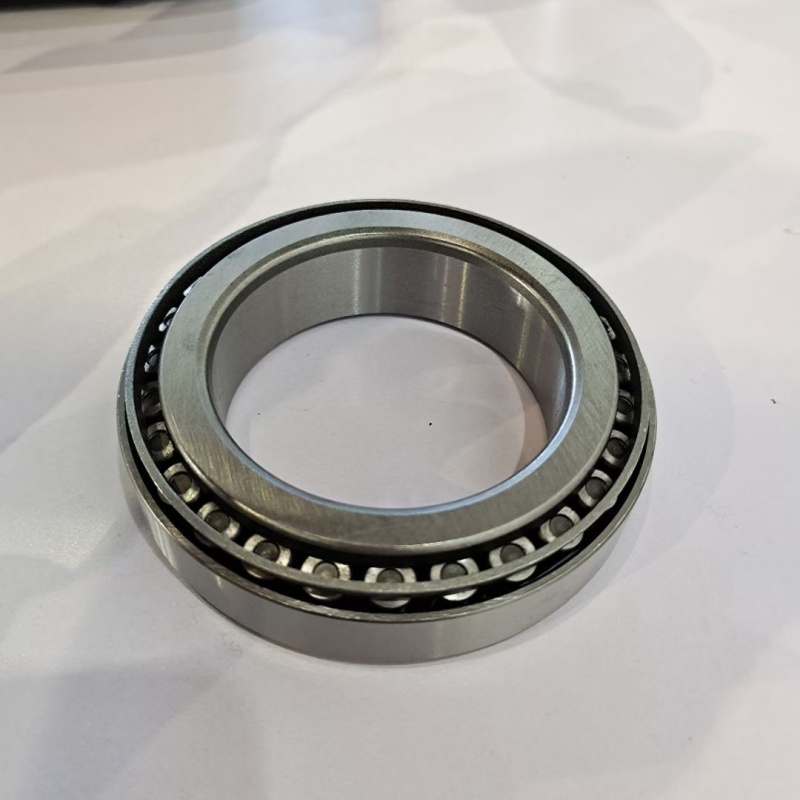
I want you to think about your own workshop. Maybe you have a conveyor belt running 24/7. Or perhaps you have a rock crusher outside in the blazing sun. These are brutal environments. And standard bearings just cannot take it.
Let me break down the main enemies of bearing life.
The Three Main Killers
Contamination: This is the number one problem. Dirt, water, and metal particles act like sandpaper inside the bearing. They roll between the balls and the raceways. This creates tiny scratches. These scratches grow into pits. Soon, the bearing starts making noise. Then it fails.
Poor Lubrication: Many people think any grease works. That is a mistake. In high heat, cheap grease turns into hard sludge. In cold weather, it thickens and stops flowing. Without a good oil film, metal touches metal. That creates friction. Friction creates heat. Heat destroys the bearing.
Metal Fatigue: Every time the bearing rotates, the metal flexes. Under heavy loads, this flexing is extreme. Over time, tiny cracks start inside the steel. These cracks grow with every revolution. Eventually, a piece of the raceway breaks off. This is called spalling.
Here is a simple table to summarize the problems:
| Failure Cause | What Happens | Result |
|---|---|---|
| Contamination | Dirt and water get inside | Abrasive wear, noise, early failure |
| Poor Lubrication | Grease breaks down or gets dirty | High friction, overheating, seizure |
| Metal Fatigue | Cracks form under repeated stress | Spalling, broken raceways, collapse |
| Misalignment | Shaft is not straight | Uneven load, overheating, cage damage |
| Overloading | Weight exceeds design limits | Permanent deformation, early cracking |
These problems happen to every factory. I see it all the time. A customer calls me. He says, "The bearings lasted only three months!" I ask him about his environment. Usually, he has no seals or bad grease. Or his load is too heavy.
But here is the good news. You can fight all of these problems. You need better materials. And you need better processes. Let me explain what we do differently.
Core Materials & Processes That Boost Bearing Long-Term Durability
You want long life from your bearings. That comes from the steel and the heat treatment.
We use high-purity vacuum-degassed steel. This steel has fewer impurities. Then we apply advanced heat treatment. This makes the surface hard. The core stays tough. We also add special seals. These seals keep dirt out and grease in.
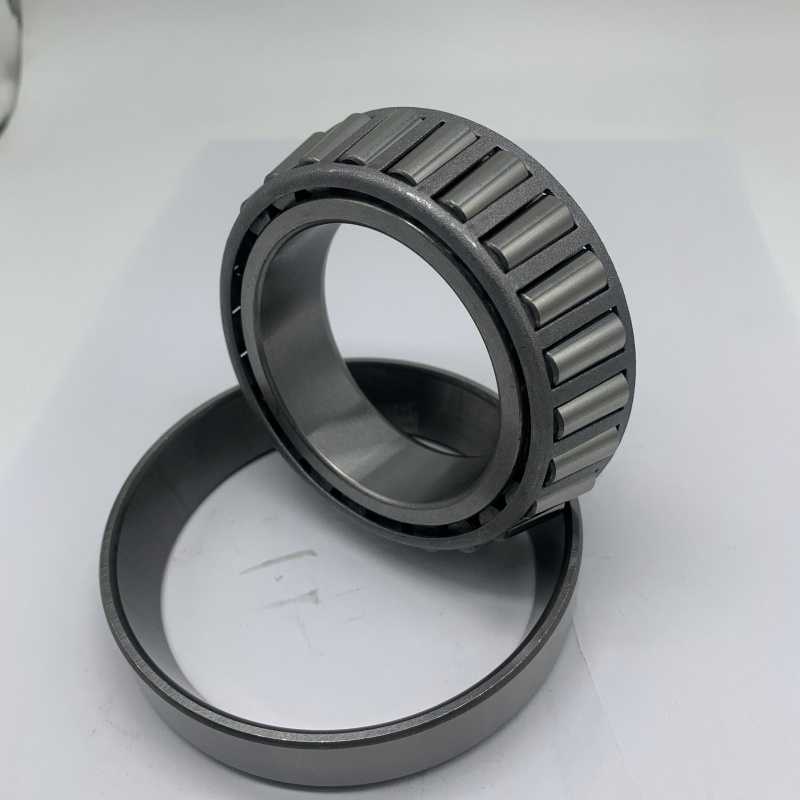
Not all steel is the same. That is a fact many buyers forget. When you buy the cheapest bearing, you get cheap steel. This steel has inclusions. Inclusions are tiny bits of oxide and other materials. They are weak points in the metal. Stress concentrates at these points. Cracks start there.
We use vacuum-degassed steel. We remove the oxygen and the impurities. The result is a clean, uniform structure. This steel can handle higher loads. It resists fatigue better. It lasts much longer.
But steel is only half the story. The heat treatment is just as important.
Why Heat Treatment Matters
The heat treatment controls the hardness and the toughness. Think of it like this: The surface needs to be hard. Hardness resists wear. The core needs to be tough. Toughness prevents cracking from impacts.
We use an advanced process called carburizing. For some bearings, we add carbon to the surface. Then we quench it. This creates a hard outer layer. The inner core stays softer. This is the best of both worlds.
I also want to talk about the seals. Many standard bearings have basic seals. They just keep out large chunks of dirt. But they let in water and fine dust.
Sealing and Lubrication
We use labyrinth seals and contact seals. These designs create a long path for dirt. It is harder for contaminants to get in. We also fill the bearing with high-quality grease. This grease has special additives. It resists oxidation. It stays stable at high temperatures.
Let me show you the benefits in a table:
| Feature | Standard Bearing | Our Durable Bearing |
|---|---|---|
| Steel Grade | Standard carbon steel | Vacuum-degassed bearing steel |
| Hardness (HRC) | 58-60 | 60-64 (surface hardened) |
| Seal Type | Basic rubber shield | Labyrinth or heavy-duty contact seal |
| Grease | Standard lithium grease | High-temp, oxidation-resistant grease |
| Cage Material | Stamped steel | Machined brass or reinforced polymer |
These improvements seem small. But they make a huge difference in the field. I remember a customer in Egypt. He used bearings in a cement plant. The dust was everywhere. His old bearings lasted two months. We gave him our bearings with special seals. They lasted over a year. He could not believe it.
The extra cost of a better bearing pays for itself. You have fewer change-outs. You have less downtime. Your maintenance crew can focus on other things.
Heavy-Duty Durable Bearings for Industrial, Automotive & Machinery Equipment
Every industry has unique needs. One bearing does not fit all machines.
Our heavy-duty bearings are designed for specific applications. We have deep groove ball bearings for motors and gearboxes. We offer taper roller bearings for heavy axial loads. We also supply pillow block bearings for conveyor systems. Each is built for maximum durability.
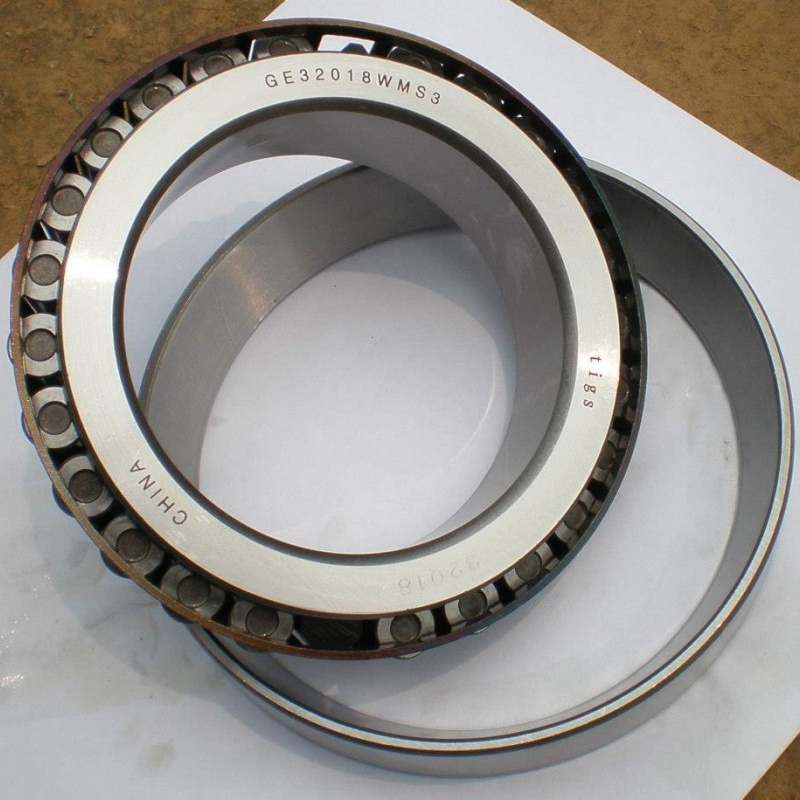
I work with many types of customers. Some make agricultural equipment. Some run steel mills. Others import bearings for automotive repair. Each one needs something different.
Deep Groove Ball Bearings
These are the most common bearings. You see them in electric motors, pumps, and gearboxes. They handle radial loads well. They also accept some axial load. For these bearings, we focus on low noise and high speed. We hold tight tolerances. This reduces vibration. It also extends life.
Taper Roller Bearings
These bearings are for heavy loads. They handle both radial and axial forces. They are common in vehicle wheel hubs and heavy gearboxes. The rollers are tapered. This distributes the load evenly. We use special cage designs. These cages guide the rollers perfectly. This prevents skewing and overheating.
Pillow Block Bearings
These are mounted bearings. They come with a housing. You see them on conveyor belts, fans, and agricultural machines. The housing protects the bearing from impact and dirt. We offer cast iron or pressed steel housings. We also offer different sealing options.
Cylindrical and Spherical Roller Bearings
For really heavy loads, we recommend cylindrical or spherical roller bearings. Cylindrical roller bearings have high radial capacity. Spherical roller bearings can handle misalignment. This is useful if your shaft bends or shifts.
Let me provide a guide for selection:
| Equipment Type | Recommended Bearing | Key Requirement |
|---|---|---|
| Electric Motors | Deep groove ball bearing | Low noise, high speed |
| Gearboxes | Cylindrical or taper roller | High load, precise alignment |
| Conveyors | Pillow block bearing | Easy mounting, sealed |
| Automotive Wheels | Taper roller bearing | Shock load, long life |
| Mining Equipment | Spherical roller bearing | Misalignment, heavy load |
I often tell my customers this: Do not guess. Look at your load and speed. Look at your environment. Then pick the right bearing. If you pick the wrong type, it will fail quickly. Even if it is the best quality, it will not work.
We also do customized solutions. Maybe you have a non-standard shaft. Maybe you need a specific clearance. We can adapt. We can modify the internal geometry. We can change the seal material. This is what makes us different from a standard catalog supplier.
How Long-Life Bearings Cut Your Maintenance & Replacement Costs
You think cheap bearings save you money? Let me show you the true cost of low-quality parts.
Long-life bearings cost more upfront. But they reduce downtime. They cut replacement frequency. They lower labor costs. You also avoid production losses. Over a year, the savings are huge. Our bearings give you a lower total cost of ownership.
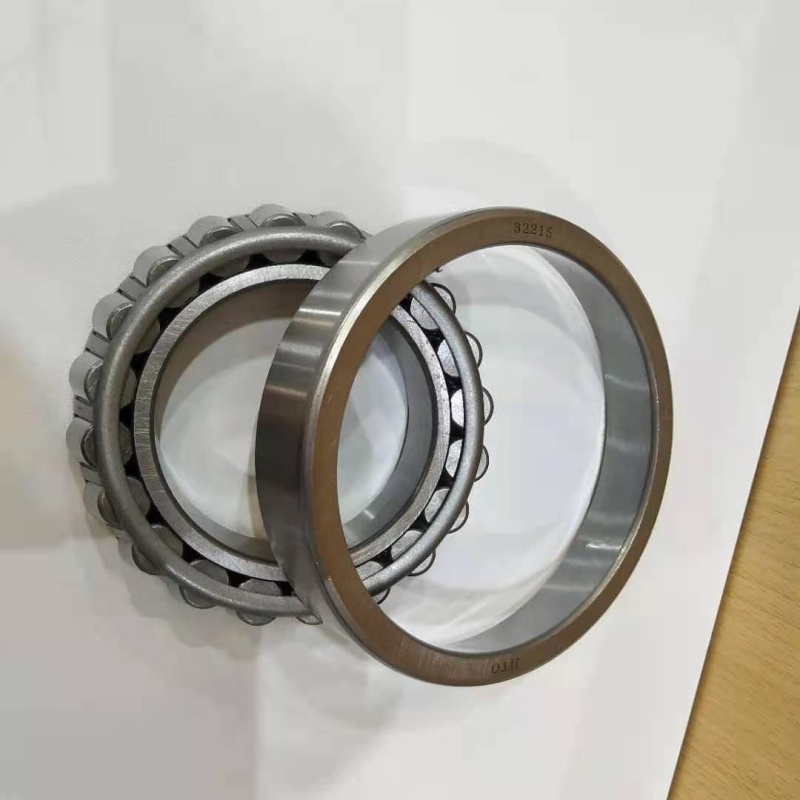
Let me tell you a story. I had a customer in Russia. He ran a large grain processing facility. He used cheap bearings for his elevators. They cost about 5 dollars each. He thought he was smart. But they failed every three months. Each failure meant two hours of downtime. The whole line stopped. That cost him thousands of dollars in lost production.
We gave him a sample of our long-life bearings. They cost 15 dollars each. Three times more. He was hesitant. But he tried them. They lasted 18 months. He saved money on parts. He saved money on labor. He saved money on downtime. He told me he would never go back.
Calculating the Real Costs
You need to look at the big picture. The price of the bearing is just the start. You have to add installation time. You have to add the cost of the grease. You have to add the cost of shipping. And you have to add the cost of lost production.
Here is a simple calculation for a factory:
- Downtime Cost per Hour: $500
- Replacement Time: 2 hours
- Cost per Replacement: $1000 (just downtime)
- Old Bearing Life: 3 months (4 changes per year)
- New Bearing Life: 18 months (0.66 changes per year)
The cheap bearing costs you $4,000 just in downtime each year. Plus the parts and labor. The expensive bearing costs you almost nothing in downtime. The price difference is a tiny fraction of the downtime savings.
Less Inventory, Less Waste
Another benefit is inventory. If your bearings last longer, you hold less stock. You do not need a large shelf of spares. This frees up your warehouse space. It also reduces your capital tied up in inventory.
You also reduce waste. Fewer old bearings go to the landfill. This is better for the environment. And it looks good for your company.
Impact on Maintenance Planning
Long-life bearings make your life easier. You can plan maintenance longer in advance. You do not have surprise breakdowns at 3 am. Your maintenance team can focus on other important tasks. Their morale improves. They are not rushing to fix the same machine every month.
I always tell my clients to think like this: Buy quality, and you will buy once. Buy cheap, and you will buy twice.
Conclusion
Choosing durable bearings is a smart business decision. You reduce downtime, lower maintenance costs, and keep your operations running smoothly. Don’t just replace; upgrade.