
Your heavy machinery shakes and pounds all day. The bearings take the hardest hits. Then they fail without warning.
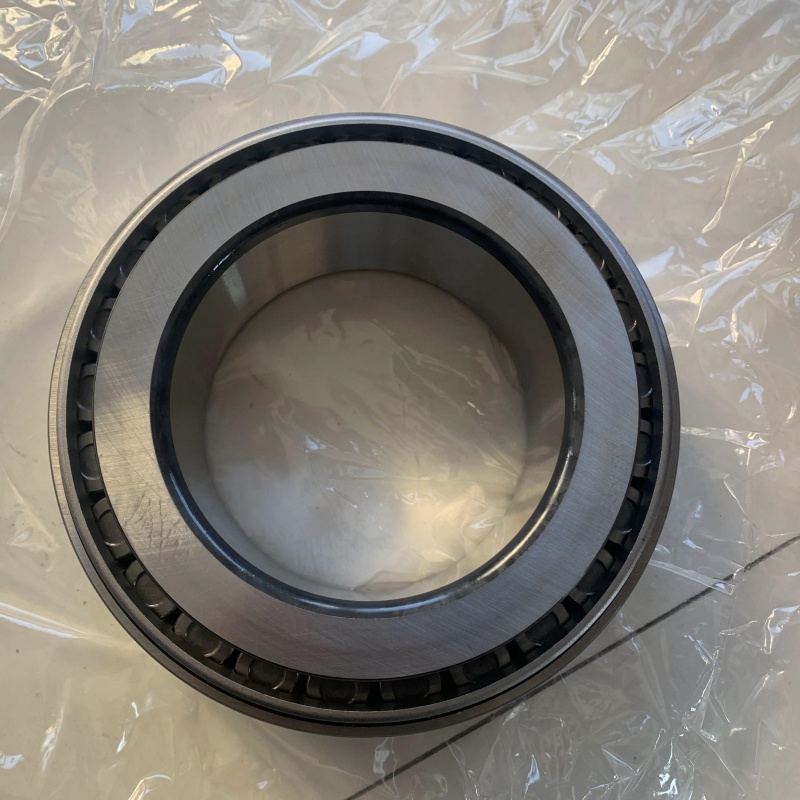
Yes, tapered roller bearings are the best for heavy axial loads. They handle both radial and thrust forces. Their design spreads the stress evenly. This gives you stable performance and long life.
I have seen too many workshops struggle with bearing failures. The machine stops. Everyone runs to fix it. But if you pick the right bearing, you avoid this pain. Let me walk you through why tapered rollers are your answer. I will also share how we make them better and how you can keep them running.
What Makes Tapered Roller Bearings the Top Choice for Heavy Axial Loads?
Your equipment pushes hard in one direction. Ordinary bearings cannot take that push for long.
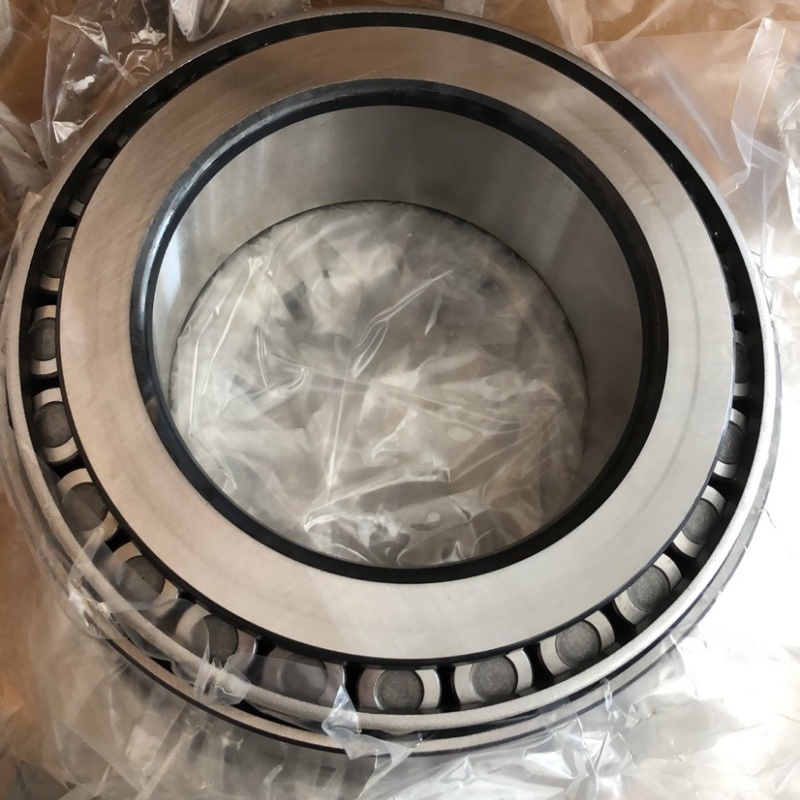
Tapered roller bearings have conical rollers and raceways. This geometry lets them handle high axial loads. They also carry radial loads. The line contact between rollers and raceways distributes the load over a large area.
Let me explain the magic behind these bearings. Look at a standard ball bearing. The balls touch the raceways at tiny points. That point contact is fine for light loads. But when you put a heavy axial push on it, the point contact creates very high pressure. The balls can dent the raceway. Then the bearing runs rough and fails.
Now look at a tapered roller bearing. The rollers are shaped like a cone. They make a line contact with the raceways. A line has much more surface area than a point. This spreads the heavy load over a bigger area. The pressure per square millimeter goes down. So the bearing can handle much higher loads without damage.
How the Geometry Works
The rollers are angled. The angle is called the contact angle. You can choose different angles for different needs. A steeper angle gives more axial capacity. A shallower angle gives more radial capacity. This flexibility is a big advantage.
Also, the rollers are guided by a cage. The cage keeps them evenly spaced. It prevents them from rubbing against each other. Good cage design is critical for high speed operation.
Radial vs. Axial Load Capacity
Many people ask me: "Can it handle both?" The answer is yes. That is the beauty of tapered rollers. They are true combination bearings. In a gearbox, you have radial forces from the gears. You also have axial forces from the helix angle. A tapered roller bearing handles both at the same time.
Here is a comparison table:
| Bearing Type | Radial Load Capacity | Axial Load Capacity | Suitable for Combined Loads |
|---|---|---|---|
| Deep Groove Ball Bearing | Moderate | Low (limited) | No |
| Cylindrical Roller Bearing | High | Very Low | No |
| Spherical Roller Bearing | High | Moderate | Yes |
| Tapered Roller Bearing | High | High | Yes (excellent) |
This table shows why tapered rollers win for heavy axial applications. For example, in a car wheel hub, the bearing takes the weight of the car (radial) and the cornering forces (axial). Tapered rollers are perfect for that.
I remember a customer who made mining trucks. He used deep groove ball bearings in the wheel hubs. They kept failing every few months. The axial load from the heavy loads and rough terrain was too much. We switched him to tapered roller bearings. The problem went away. His trucks ran for years without wheel bearing issues.
How Do Advanced Materials and Heat Treatment Boost Long‑Term Stability?
You can have the best design. But if the steel is weak, the bearing will die young.
We use high-quality case-hardened steel. The surface becomes very hard. The core stays tough. This resists wear and withstands shock loads. Proper heat treatment also removes residual stress. The bearing keeps its shape and runs true for longer.

I want to spend some time on materials. Because I think this is where many cheap bearings cut corners. They use standard carbon steel. They do a simple quench and temper. The result is a bearing that is either too brittle or too soft.
The Importance of Clean Steel
We start with high-purity steel. We use vacuum degassing. This removes oxygen and non-metallic inclusions. Inclusions are tiny impurities. They act as stress risers. Under heavy axial loads, cracks start at these inclusions. Clean steel has far fewer of these weak spots. So it lasts much longer.
Case Hardening vs. Through Hardening
There are two main heat treatment approaches. Through hardening makes the whole part hard. This is good for smaller bearings. But for large bearings with heavy loads, case hardening is better.
Case hardening adds carbon to the surface layer. The surface gets very hard (around 60-64 HRC). This resists wear from rollers. The core stays softer (around 30-40 HRC). This core absorbs shock and impact. If a heavy load hits the bearing, the core flexes a little instead of cracking. This is essential for stability over time.
Controlled Grinding and Finishing
After heat treatment, we grind the raceways. Grinding gives the final precision. We aim for P5 or P6 precision grades. This means very tight tolerances on roundness and surface finish. A smooth surface reduces friction. It also helps the oil film stay intact. Less friction means less heat. Less heat means longer grease life.
Residual Stress Management
Heat treatment can leave residual stresses inside the steel. These stresses can distort the bearing over time. We use a process called tempering. We heat the bearing again to a lower temperature. This relieves the stresses. The bearing keeps its dimensional stability. It does not warp or change shape after months of use.
Let me show you a quick comparison:
| Material Property | Standard Bearing | Our Advanced Tapered Bearing |
|---|---|---|
| Steel Type | Standard carbon | Vacuum-degassed alloy |
| Hardness (Surface) | 58-60 HRC | 60-64 HRC |
| Core Hardness | 58-60 HRC (through-hard) | 30-40 HRC (tough core) |
| Inclusion Level | High (weak points) | Very low |
| Residual Stress | Present (risk of distortion) | Relieved (stable) |
| Precision Grade | P0 (standard) | P5 or P6 available |
One of my clients in Turkey produces agricultural machinery. His machines work in dusty fields. The bearings take heavy shocks from uneven ground. He switched to our case-hardened tapered rollers. He told me the failure rate dropped by 80%. That is the power of good materials and heat treatment.
Where Are Tapered Roller Bearings Most Widely Used in Industry?
You see these bearings everywhere. But do you know the most common applications?
Tapered roller bearings are used in automotive wheel hubs, gearboxes, conveyor rollers, and heavy industrial equipment. They are also found in mining machinery, wind turbines, and railway axles. Any place with heavy loads and combined forces.
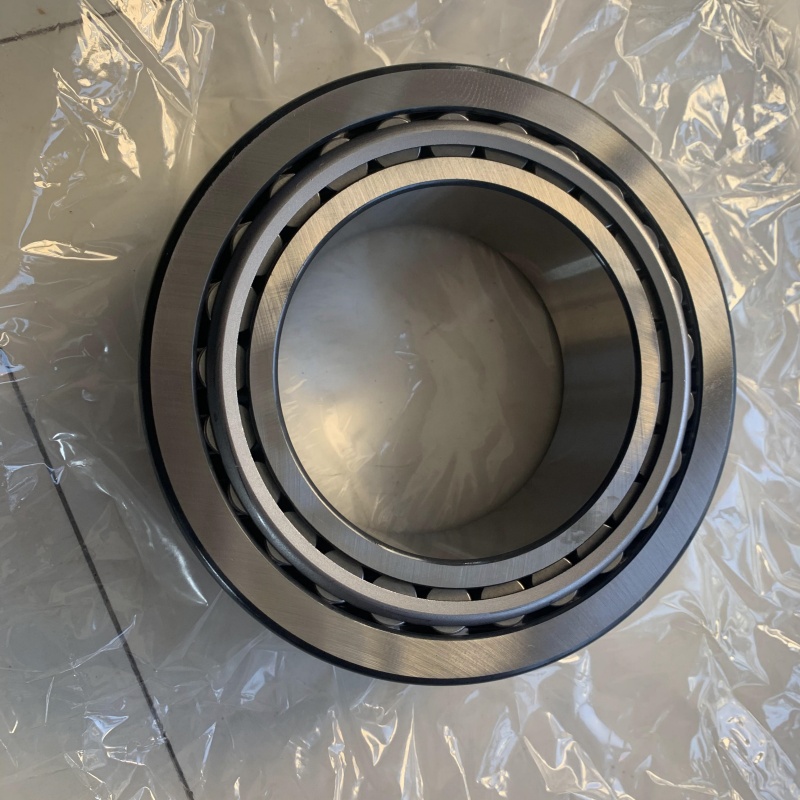
I want to give you a tour of the real world. Every day, you interact with tapered roller bearings without knowing it. Your car has them in the front wheels. The train you ride has them in the axle boxes. The forklift at the warehouse uses them in the mast rollers.
Automotive Industry
This is the biggest market. Wheel hubs are the classic example. Each wheel has two tapered roller bearings, usually mounted back-to-back. This setup handles the vehicle weight and cornering forces. It also allows for precise adjustment of preload. Proper preload ensures zero play and long life.
Transmissions and differentials also use tapered rollers. The gears create axial thrust. The bearings must hold the shafts in place while rotating at high speeds. We provide many auto bearings for aftermarket distributors.
Heavy Machinery and Mining
Excavators, bulldozers, and crushers use huge tapered roller bearings. The loads are massive. The environments are dirty and wet. Sealing is critical here. We offer special seals to keep out mud and water. The bearings also need high impact resistance. Case-hardened steel is a must.
Industrial Gearboxes
Every factory has gearboxes. They reduce motor speed and increase torque. The output shaft often carries heavy radial and axial loads. Tapered roller bearings are ideal for the output shaft. They handle the thrust from helical gears. They also support the heavy belt or chain pull.
Conveyors and Material Handling
Bulk material conveyors use tapered roller bearings in the idler rollers. The bearings must support the weight of the belt and the material. They also need to run quietly. We offer low-noise variants for indoor applications.
Wind Turbines
The main shaft of a wind turbine carries heavy bending moments. Tapered roller bearings are used in the main bearing housing. They also appear in the gearbox. The loads are variable and cyclic. Fatigue resistance is key.
Here is a summary table:
| Industry | Specific Application | Load Type | Key Requirement |
|---|---|---|---|
| Automotive | Wheel hubs, transmissions | Combined axial/radial | Precision, low friction |
| Mining | Crushers, excavators | Heavy shock loads | Impact resistance, seals |
| Industrial Gearboxes | Output shafts | High torque, thrust | High load capacity |
| Conveyors | Idler rollers | Radial weight | Long life, low noise |
| Wind Energy | Main shaft, gearbox | Cyclic bending | Fatigue strength |
I once visited a steel plant in Brazil. They used tapered rollers in their rolling mill stands. The heat and scale were brutal. They needed bearings that could take extreme heat and heavy loads. We supplied customized bearings with special heat stabilization. They performed well beyond expectation.
What Maintenance Tips Can Double the Service Life of Your Tapered Bearings?
You bought the best bearings. But they still fail early. Why? Bad maintenance.
Proper lubrication, correct mounting, and regular inspection are key. Use clean grease. Set the right preload. Keep out contaminants. These simple steps can double or even triple your bearing life.
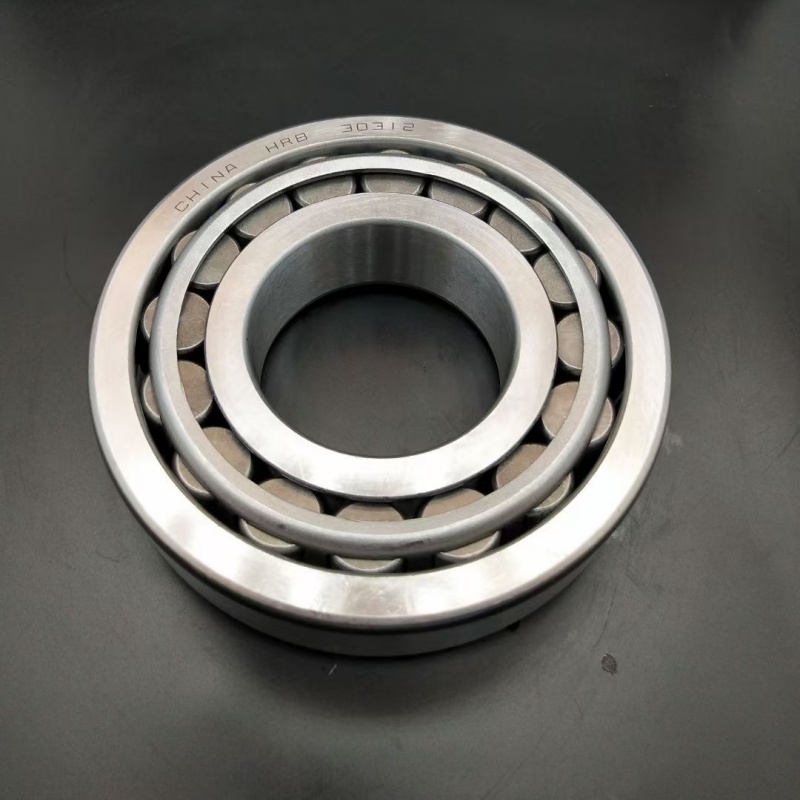
I get many calls from customers who say, "Your bearing failed." I ask them about their installation and maintenance. Often, they made basic mistakes. The bearing itself was fine. The handling was wrong.
Correct Mounting is Critical
Tapered roller bearings are usually mounted with an interference fit. That means the inner ring fits tightly on the shaft. You need to heat the bearing or use a press. Never hammer the bearing. That damages the raceways and rollers.
Also, you must set the correct axial clearance or preload. Too much clearance creates play and vibration. Too much preload creates excessive heat and wear. Follow the manufacturer’s specification. We provide mounting instructions with every order.
Lubrication: The Lifeblood
Use a high-quality grease or oil. The lubricant must match the speed, temperature, and load. For high loads and low speeds, use an oil with high viscosity. For high speeds, use a lower viscosity oil.
Keep the lubricant clean. Contaminated grease is a major killer. Dirt particles act like grinding paste. Change the grease at regular intervals. If you use oil, monitor the oil filter.
Sealing and Contamination Control
Even with good seals, you need to check them. Damaged seals let in water and dust. Inspect seals during routine maintenance. Replace them if they are worn or cracked.
Also, keep the surrounding area clean. Use dust covers or shields where possible. In very dusty environments, consider additional external sealing.
Monitoring for Early Signs
Listen to your bearings. Unusual noise means trouble. Grinding, squealing, or rumbling sounds indicate wear or lubrication problems.
Check the temperature. An overheating bearing is a warning sign. Use a thermal gun to measure the housing temperature. Compare it with normal operating values. A rise of 10-15°C over baseline means you should investigate.
Scheduled Replacement vs. Condition-Based
Many plants replace bearings on a fixed schedule. That can be wasteful. Better to use condition monitoring. Vibration analysis and oil analysis can tell you the health of the bearing. Replace only when needed.
Let me give you a maintenance checklist:
| Maintenance Task | Frequency | Purpose |
|---|---|---|
| Visual inspection of seals | Monthly | Catch damage early |
| Re-grease (if grease-lubricated) | Every 3-6 months | Replace old, contaminated grease |
| Temperature check | Weekly | Detect overheating |
| Vibration measurement | Quarterly | Detect wear or unbalance |
| Oil analysis (for oil-lubricated) | Every 6 months | Check for metal particles |
| Full bearing condition assessment | Annually | Plan replacement if needed |
I had a customer in India. He ran a sugar mill. The cane crusher bearings were failing every season. I visited his site. I saw they never re-greased. The grease had turned into hard soap. We trained his crew on a simple monthly re-greasing schedule. The next season, the bearings lasted the whole season without failure. That is a double life.
Conclusion
Advanced tapered roller bearings give you unmatched stability for heavy axial loads. Choose quality materials, follow proper maintenance, and you will cut downtime and save money.