
I have seen many equipment failures that started with a standard tapered roller bearing in the wrong application. The repair costs were always higher than the savings from buying cheap.
Switching to high-performance tapered roller bearings gives you longer service life, higher load capacity, and lower operating temperatures. The upgrade pays for itself through reduced downtime and fewer replacements, especially in heavy-duty or high-speed applications.
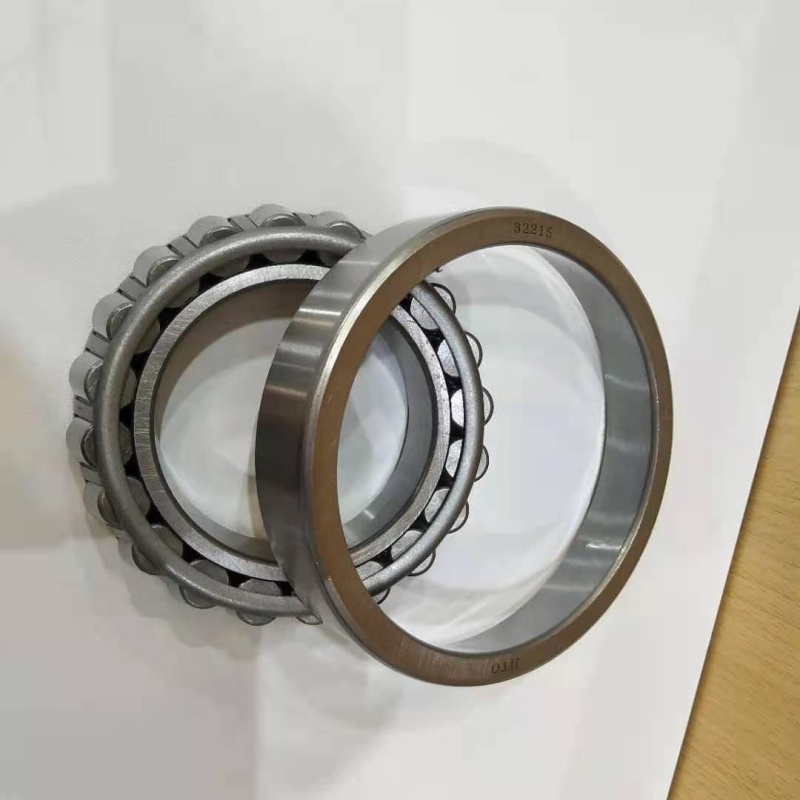
You might be using standard tapered roller bearings right now. They work fine for many applications. But I have learned that when the load is high, the speed is fast, or the environment is harsh, standard bearings start to show their limits. The question is not whether high-performance bearings are better. The question is whether your equipment needs them. Let me walk you through four key areas that I discuss with every customer who asks me about making the switch.
1. What Makes "High-Performance" Tapered Roller Bearings Different from Standard Ones?
I often get asked this by procurement managers who see a higher price and wonder what they are paying for. The difference is not just marketing. It is in the design, the material, and the manufacturing process.
High-performance tapered roller bearings use premium steel with finer grain structure, optimized roller profiles that reduce edge stress, and tighter manufacturing tolerances. These features allow them to handle heavier loads, higher speeds, and more severe operating conditions than standard-grade bearings.
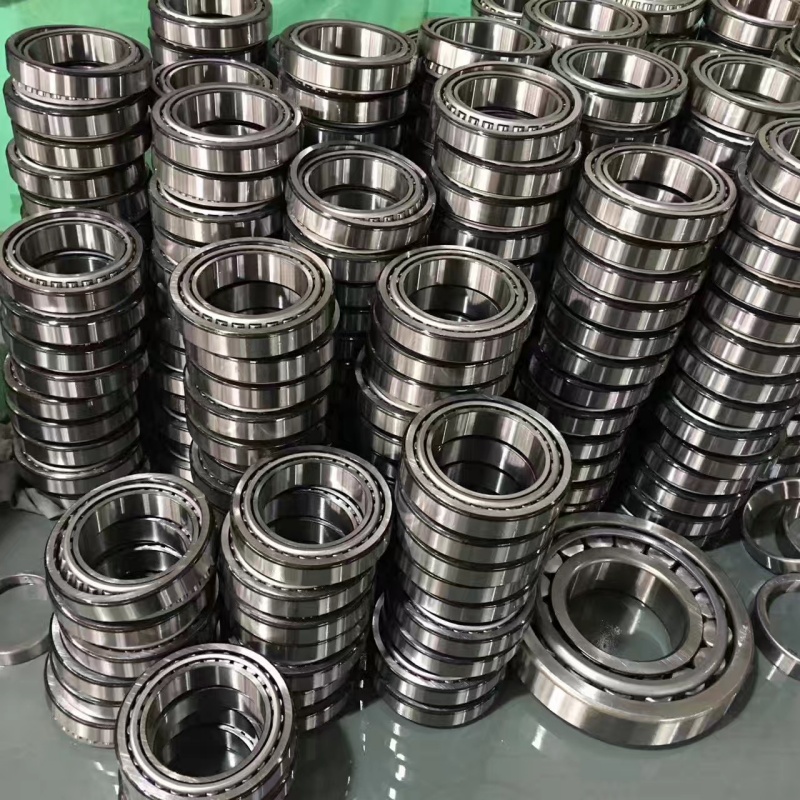
Better steel and heat treatment
The starting point is the raw material. High-performance bearings use steel with lower oxygen content and fewer inclusions. This is often vacuum-degassed or even vacuum-remelted steel. The cleaner steel has a higher fatigue limit. That means it can endure more load cycles before spalling starts. The heat treatment is also more precise. High-performance bearings have a consistent hardness across the whole cross-section. The case depth is controlled to give a tough core and a hard surface. I have tested bearings from low-cost suppliers. The hardness often varies by 3–4 HRC points on the same ring. That is unacceptable for high-performance use. Our high-performance line maintains hardness within ±1 HRC.
Optimized roller profile
This is the biggest technical difference. Standard tapered rollers have a straight or slightly crowned profile. High-performance rollers use a logarithmic profile. That is a fancy term, but the idea is simple. The log profile distributes the load more evenly across the roller length. It prevents the high stress at the roller ends – what engineers call "edge loading". Edge loading is a common cause of premature failure in standard bearings. I have seen bearings fail because the load concentrated at the roller ends and created micro-cracks. The log profile reduces that risk significantly. In our tests, a bearing with log-profile rollers lasts 2–3 times longer than a standard bearing under the same load.
Tighter control of geometry
High-performance bearings have better roundness, better taper angles, and smoother surface finishes. These seem like small details, but they affect how the bearing runs. Better roundness means the rollers do not bounce as they pass through the load zone. Smoother surfaces mean less friction and less heat. We measure these parameters with precision instruments on every batch. For our high-performance line, we hold tolerances to half of the standard ISO limits. That extra precision costs us more in production time, but it delivers a noticeably smoother running bearing.
Comparison table – standard vs. high-performance
| Feature | Standard TRB | High-Performance TRB |
|---|---|---|
| Steel grade | Standard bearing steel | Premium vacuum-degassed steel |
| Inclusion level | ≤ 2.0 | ≤ 1.0 |
| Roller profile | Straight or simple crown | Logarithmic |
| Hardness tolerance | ± 3 HRC | ± 1 HRC |
| Surface finish (Ra) | ≤ 0.4 µm | ≤ 0.2 µm |
| Bearing life factor | 1.0x | 2.0–3.0x |
When the extra features matter
All these improvements add up to a bearing that can handle more severe conditions. If your equipment runs continuously, sees heavy shock loads, or operates at high speeds, the high-performance features are not optional. They are essential for reliable operation. I always tell my customers: "Think of it as insurance. You pay a little more upfront, but you avoid a big loss later."
2. Which Industries and Applications Benefit Most from the Switch to High-Performance TRBs?
Not every application needs the best bearing. I am honest about that. But there are clear cases where the high-performance version is the only smart choice.
Heavy truck axles, mining conveyors, gearboxes in steel mills, and wind turbine main shafts are the top beneficiaries. These applications have high loads, continuous operation, and high replacement costs. The switch to high-performance TRBs reduces failures and extends maintenance intervals significantly.
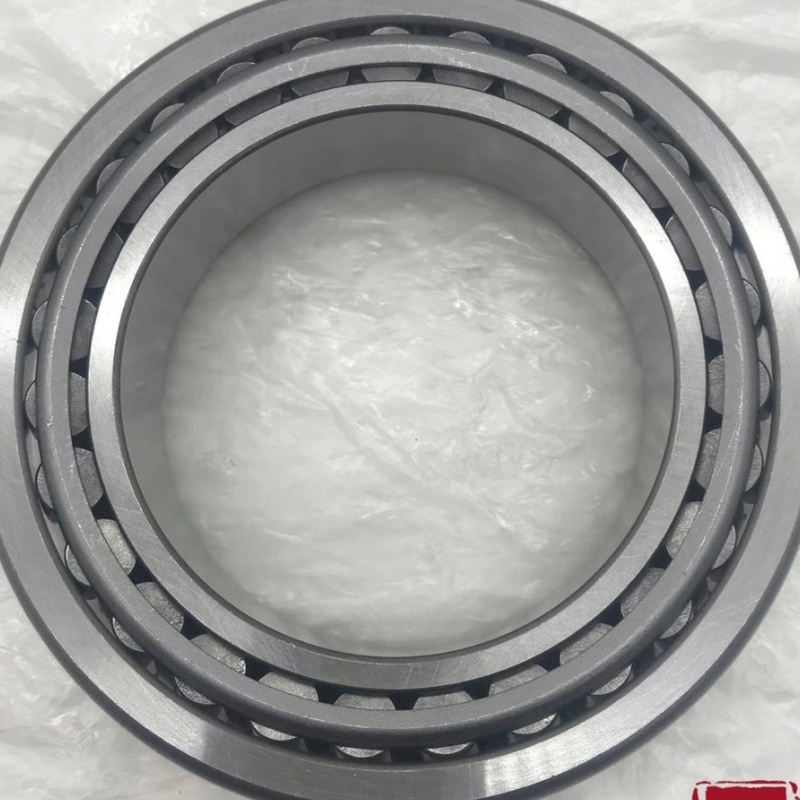
Truck and bus axles – the classic case
This is where I see the biggest return. A standard tapered roller bearing in a heavy truck axle might last 400,000 km. A high-performance bearing with better steel and a log profile can reach 700,000 km or more. For a fleet operator, that means fewer roadside breakdowns and longer intervals between overhauls. One of my distributor customers in Turkey supplies both grades. He told me that his fleet customers now ask for the high-performance version by default. They did the math and found that the extra cost was minor compared to the cost of a tow truck and lost delivery time.
Mining and construction equipment
These machines operate in harsh conditions. Dust, moisture, and heavy shock loads are the norm. Standard bearings fail quickly in this environment. I have visited copper mines in Chile and coal mines in Indonesia. The maintenance teams there use high-performance tapered roller bearings in their crushers and conveyors. They tell me that the improved roller profile helps absorb shock loads better. The premium seals (which often come with high-performance bearings) keep out contaminants. The result is fewer unplanned shutdowns. In mining, an hour of downtime can cost $10,000 or more. The bearing upgrade is an easy decision.
Steel and metal processing
Rolling mills and gearboxes in steel plants run at high temperatures and high loads. Standard bearings lose their hardness at elevated temperatures. High-performance bearings use heat-stabilized steel that retains its properties up to 150°C or higher. They also have higher radial internal clearance to accommodate thermal expansion. I have supplied high-performance TRBs to steel mills in Russia and Egypt. The maintenance managers there told me that the new bearings last twice as long as the standard ones they used before.
Wind turbines – the demanding application
Wind turbine main shafts and gearboxes have unique requirements. The loads are variable, and access for maintenance is difficult and expensive. A bearing failure in a wind turbine means a crane rental and days of work. High-performance tapered roller bearings with premium steel and special coatings are standard in this industry. The extra cost is a small fraction of the total turbine cost, and the reliability gain is essential.
A simple decision guide
| Application type | Standard TRB | High-Performance TRB |
|---|---|---|
| Light agriculture machinery | Suitable | Not needed |
| Passenger car wheels | Suitable | Optional |
| Heavy truck axles | Not recommended | Strongly recommended |
| Mining conveyors | Not suitable | Essential |
| Wind turbine gearboxes | Not suitable | Essential |
| Steel mill gearboxes | Not recommended | Strongly recommended |
The rule I use
If your equipment runs more than 8 hours a day, handles loads above 70% of the bearing’s static rating, or operates in extreme temperatures, go high-performance. If it runs a few hours a day with light loads, standard is fine. I have used this rule with many customers, and they thank me later.
3. How Much Longer Can You Expect Your Equipment to Run After Upgrading Your Bearings?
This is the question every procurement manager asks me. They want a number. I can give you a realistic estimate, but the actual life depends on your operating conditions.
In most heavy-duty applications, upgrading to high-performance tapered roller bearings doubles or triples the service life. For example, a standard bearing in a truck axle that lasts 400,000 km can reach 700,000–900,000 km with the high-performance version.
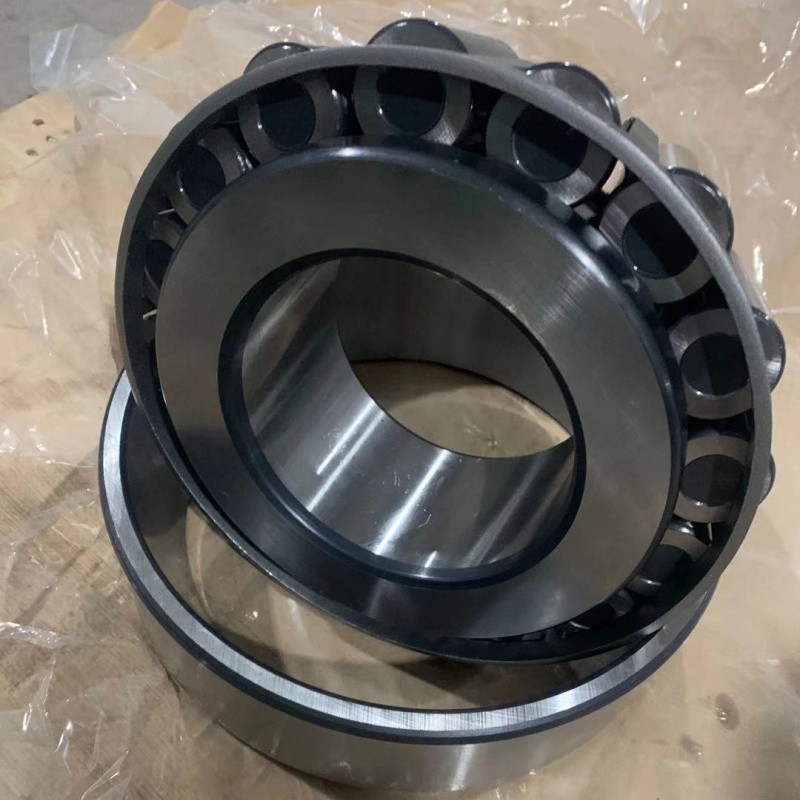
The theoretical life calculation
Bearings have a calculated L10 life – the time at which 10% of a population is expected to fail. The L10 life is proportional to the dynamic load rating (C) raised to the power of 10/3 for roller bearings. A high-performance bearing with the same dimensions but better steel and geometry often has a higher C rating. The increase might be 10–20%. But that leads to a much larger increase in L10 life. For example, if the C rating increases by 15%, the L10 life increases by about 60%. That is the theoretical part.
The real-world factor – less variation
Theoretical life is one thing. Real life is another. Standard bearings have wider variation in performance. Some last a long time. Others fail early. High-performance bearings have more consistent quality. You get fewer early failures. That consistency is valuable for maintenance planning. When you know exactly when to schedule a replacement, you avoid sudden stoppages. I have seen this with a customer in Brazil who tracked every bearing failure. With standard bearings, the life varied from 8 to 18 months. With our high-performance bearings, the range narrowed to 14 to 17 months. That made their annual maintenance budget much easier to plan.
Specific examples from my customers
-
Russian mining customer: Used standard 32220 bearings in a conveyor head pulley. Average life was 6 months. Switched to our high-performance version with log-profile rollers and premium steel. Average life is now 18 months – a 200% increase.
-
Indian truck axle manufacturer: Tested standard bearings and high-performance bearings on their test rig. The standard bearings failed at 350,000 simulated km. The high-performance bearings reached 750,000 km. They now specify the high-performance version for their premium truck models.
-
Egyptian gearbox repair shop: Rebuilt gearboxes for steel mills. They used to offer a 6-month warranty with standard bearings. After switching to high-performance, they extended the warranty to 18 months. Their repair business grew because customers trusted their longer warranty.
What you can expect in your application
| Application | Standard bearing life | High-performance bearing life | Typical improvement |
|---|---|---|---|
| Truck wheel end | 400,000 km | 750,000 km | 85% |
| Conveyor roller | 8,000 hrs | 20,000 hrs | 150% |
| Gearbox input shaft | 5,000 hrs | 12,000 hrs | 140% |
| Mining crusher | 3 months | 9 months | 200% |
The grease and temperature factor
High-performance bearings run cooler because they have lower friction. Lower temperature keeps the grease in good condition longer. Good grease extends life even further. I always recommend a high-quality grease with the same brand of bearing. We test our bearings with specific greases and can recommend the best match.
A realistic promise
I never promise a specific number of hours. But I tell my customers: "You will see a clear improvement. In the best cases, you get triple the life. In the average case, you get double. In the worst case, you still get more than standard." That is an honest statement based on our field data.
4. How Do You Verify Whether a Supplier’s "High-Performance" Claim Is Actually True?
I have seen many suppliers label their bearings as "high-performance" without any proof. They just add the words to the catalog. As a buyer, you need to ask the right questions.
To verify a supplier’s claim, ask for material certificates, test reports, and third-party validation. Visit their factory if you can. Compare their bearings side-by-side with a known good brand. Look for consistent finish, clear markings, and proper packaging.
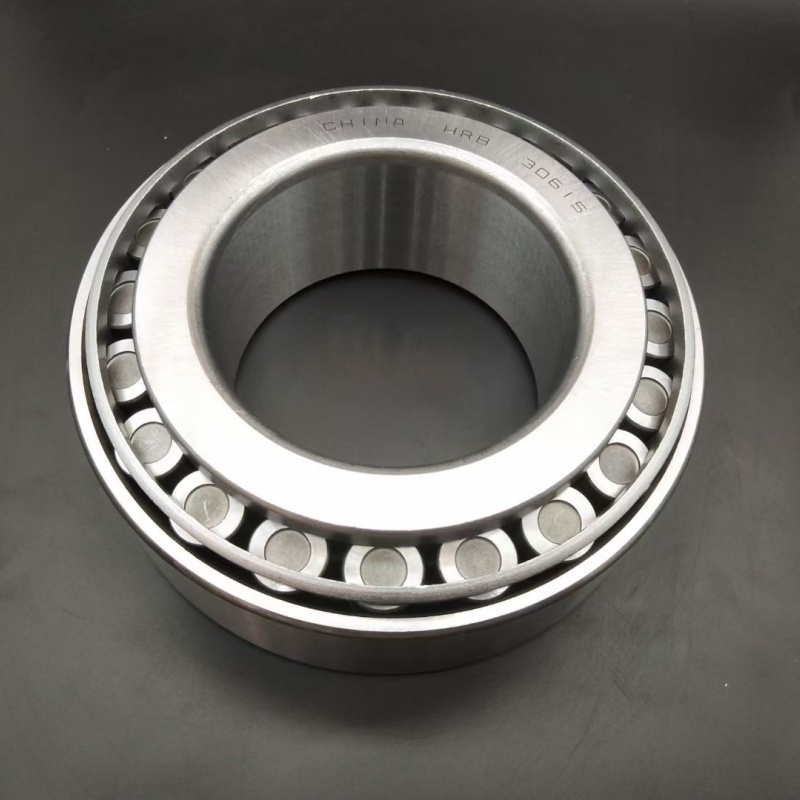
Ask for documentation
Every reputable bearing manufacturer has quality documents. Ask for:
- Material certificate – This shows the steel grade and chemical composition. It should match a recognized standard like SAE 52100 or GCr15.
- Heat treatment report – This shows the hardness and case depth. Look for consistent numbers.
- Geometric inspection report – This shows roundness, taper angle, and surface roughness. The numbers should be better than standard ISO limits.
- Test reports – If the supplier has done life testing, ask for the results.
If the supplier cannot provide these documents, that is a warning sign. Real high-performance bearings come with real test data.
Do a physical inspection
If you receive a sample, check these things:
- Surface finish – Run your fingernail across the roller and raceway. A high-performance bearing should feel smooth, not rough.
- Markings – The bearing number, brand, and country of origin should be clearly laser-engraved, not just painted.
- Packaging – High-performance bearings usually come in sealed, anti-rust packaging with desiccant. Cheap bearings are often wrapped in plain paper or plastic.
- Shake test – Hold the bearing and rotate it by hand. It should move smoothly with consistent resistance. Any sticking or grinding is a bad sign.
Compare side-by-side with a trusted brand
This is the most practical test. Buy one high-performance bearing from a known global brand (like SKF or Timken) and one from the new supplier. Put them side by side. Look at the roller profile. Look at the surface finish. Check the weight (premium bearings often have tighter tolerances and may weigh slightly different). Rotate them and feel the difference. I have done this with many customers. The differences are visible to a trained eye.
Factory audit – the gold standard
Nothing beats visiting the factory. I invite all my serious buyers to visit our plant. I show them our steel storage, our heat treatment line, our grinding machines, and our inspection lab. You can see the quality control steps with your own eyes. You can talk to our engineers. You can watch the bearings being made. If a supplier does not welcome a factory visit, that is a red flag. We have hosted customers from 15 countries. They leave with confidence in our process.
Questions to ask your supplier
| Question | Good answer | Bad answer |
|---|---|---|
| "What steel do you use?" | Specific grade and source | "Standard bearing steel" |
| "What is your hardness tolerance?" | "±1 HRC" | "We meet the standard" |
| "Can you show me a material certificate?" | Sends PDF promptly | "Our supplier gives that" |
| "Can I visit your factory?" | "Welcome anytime" | "We are too busy" |
| "What is your failure rate?" | Less than 0.5% | "We do not track that" |
My honest advice
I tell my customers: "Do not trust the label. Trust the data and the physical evidence." A good supplier will be happy to share information. A bad supplier will hide it. When you verify a claim, you protect yourself from buying expensive bearings that are no better than standard ones. We welcome verification. We have nothing to hide. That is why our customers keep coming back.
Conclusion
Switching to high-performance tapered roller bearings gives you longer life, less downtime, and better equipment reliability. Just verify the claims and choose the right grade for your application.